
The Pomeranian Crime – We Remember
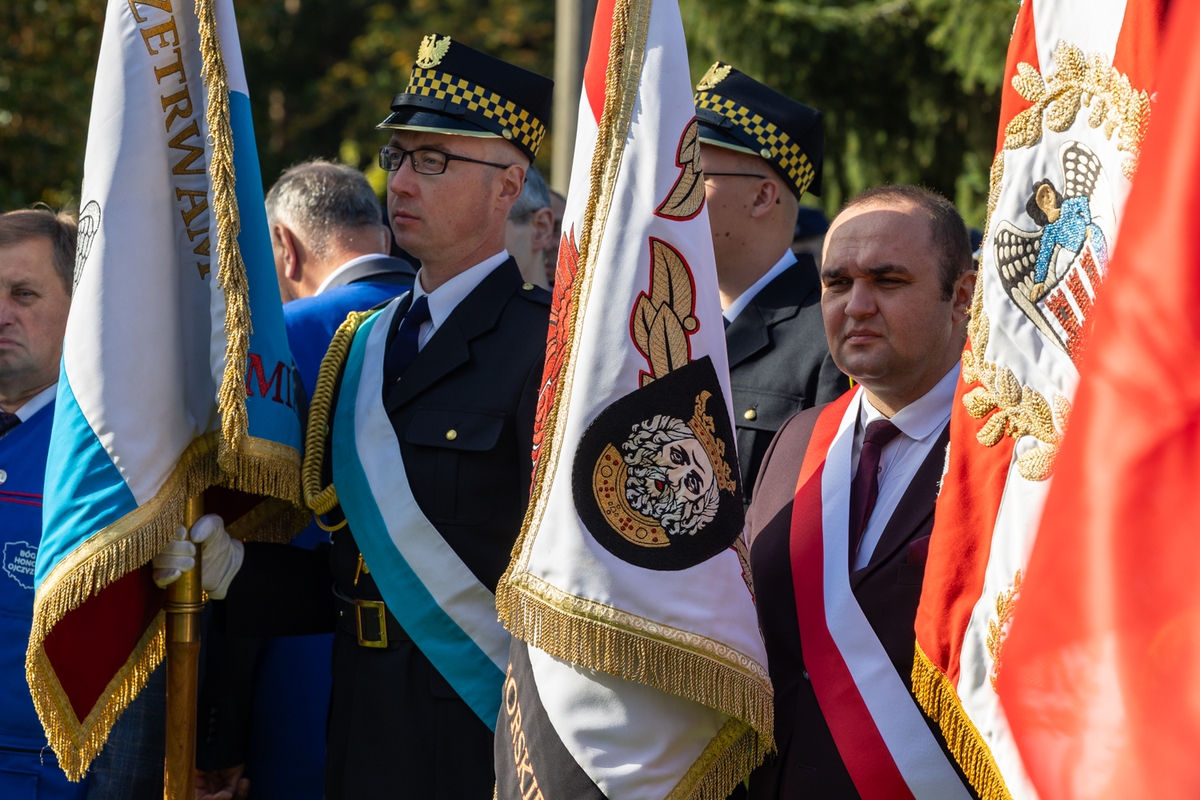
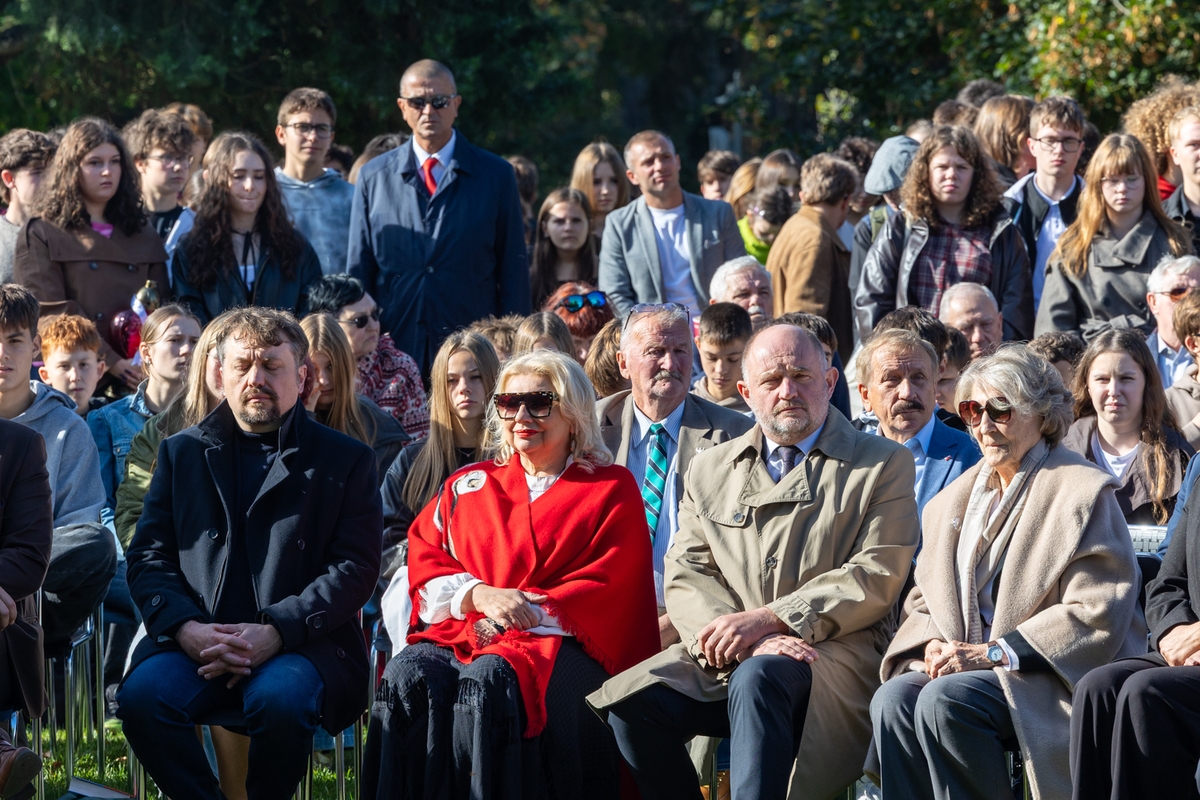
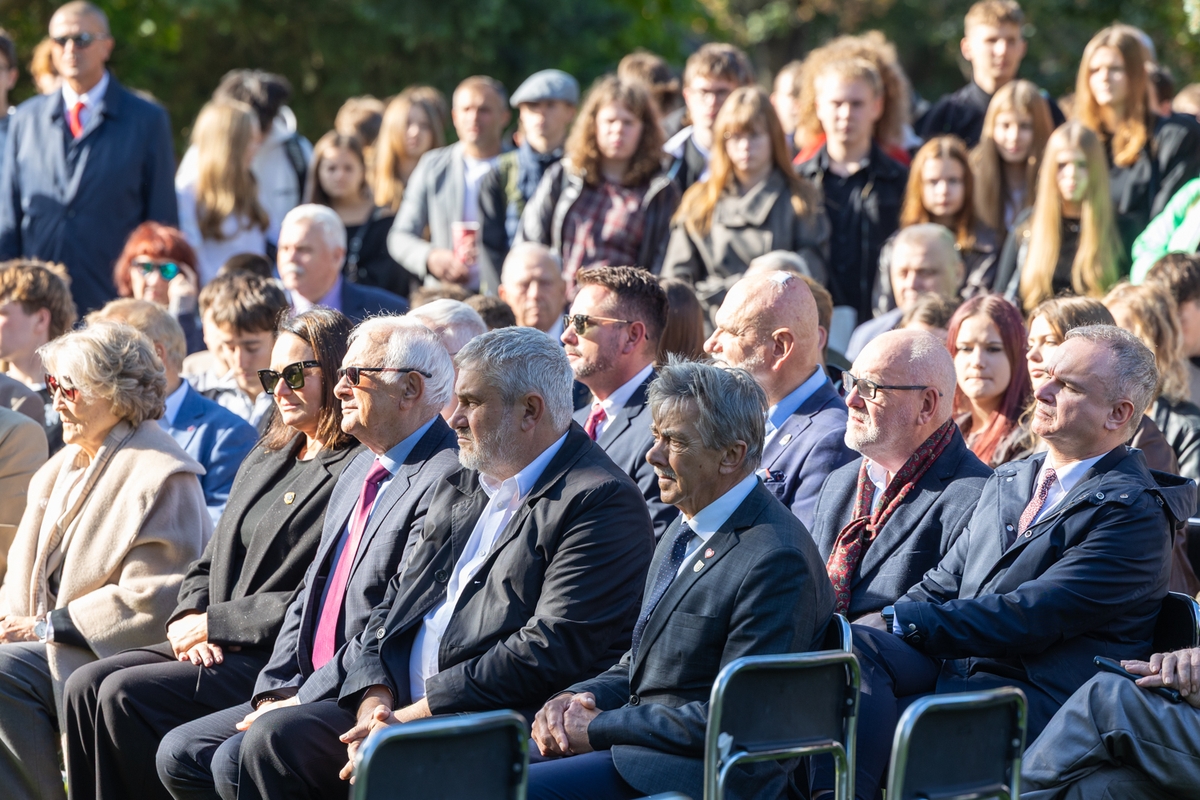
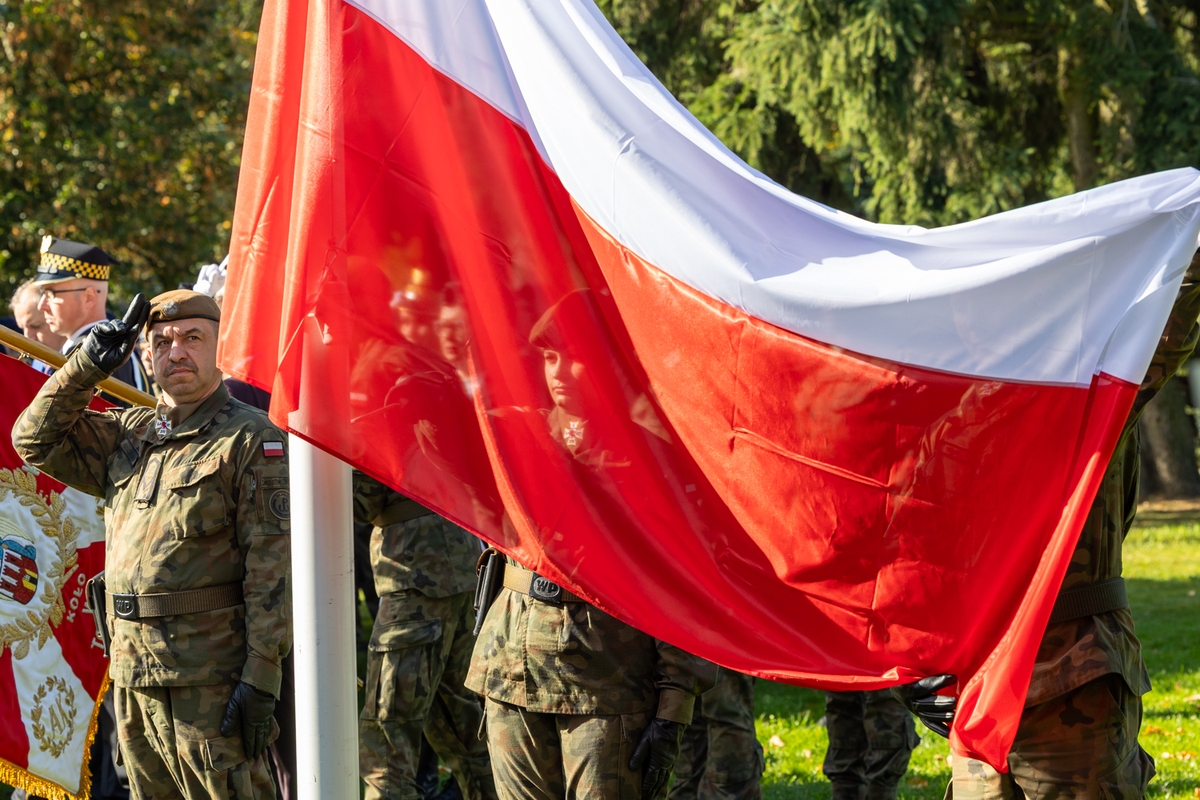
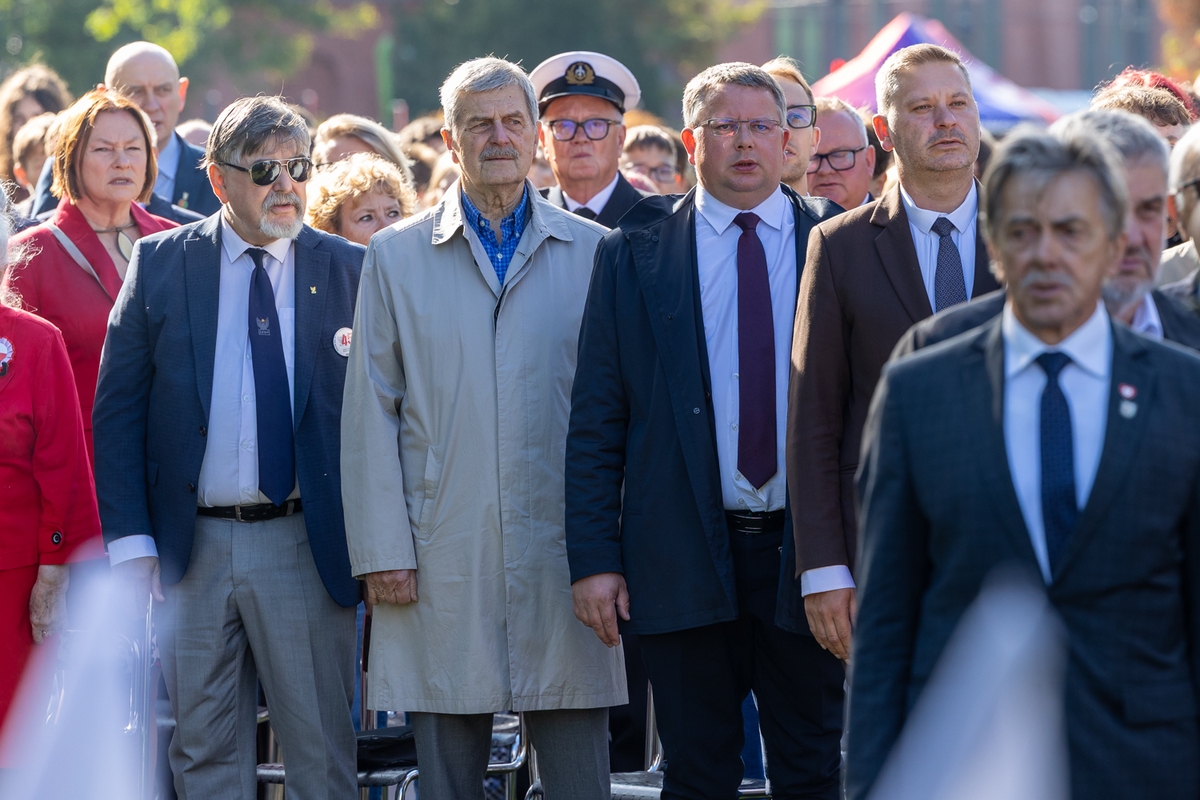
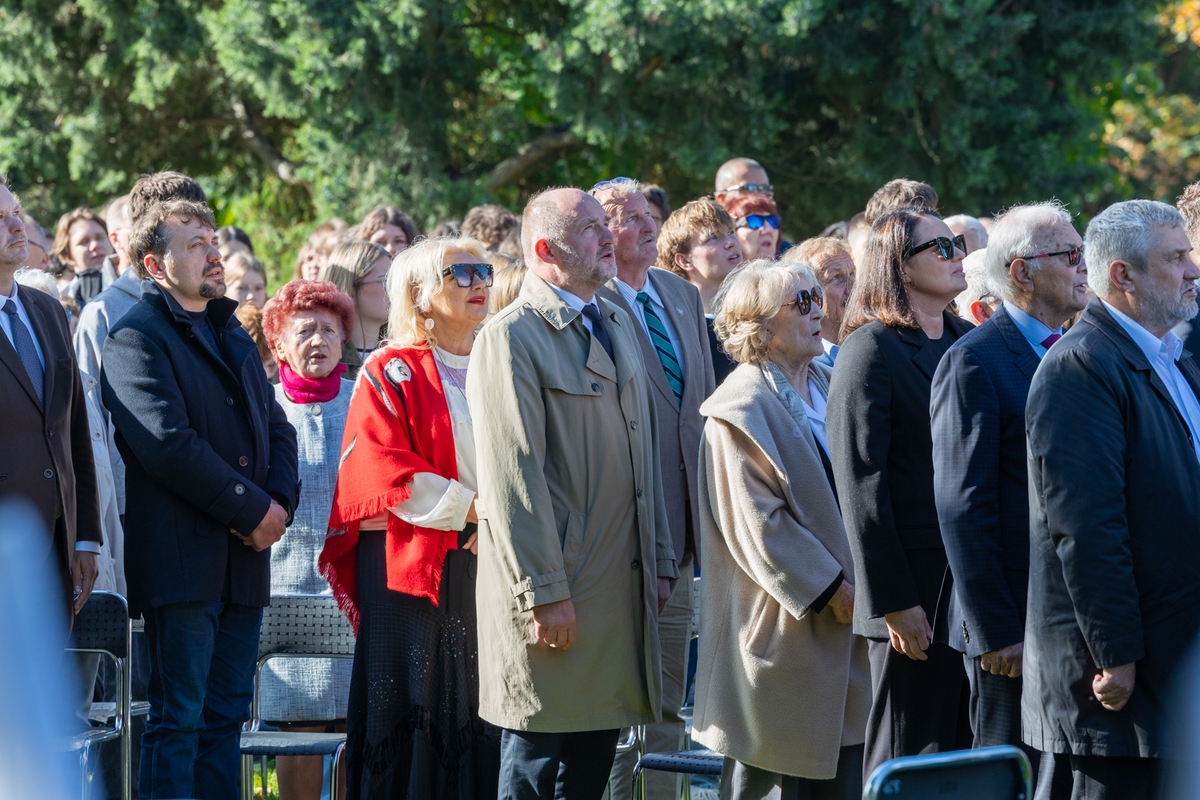
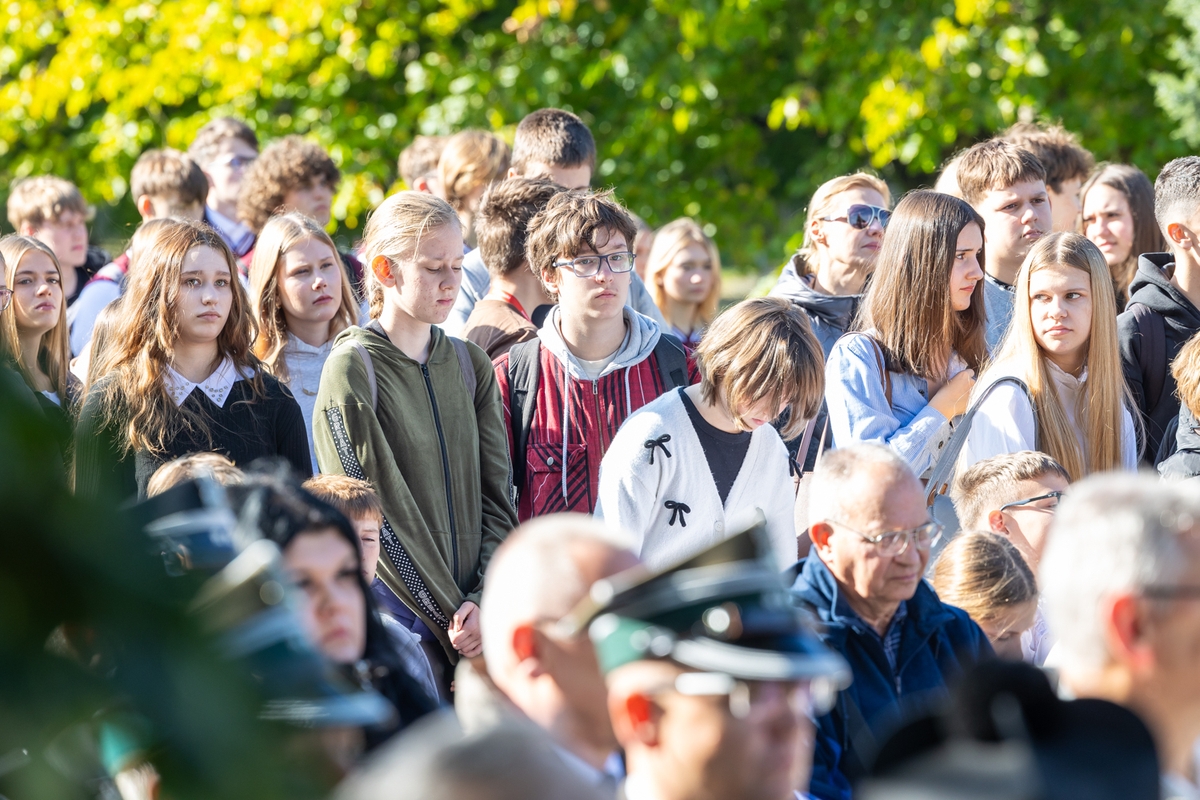
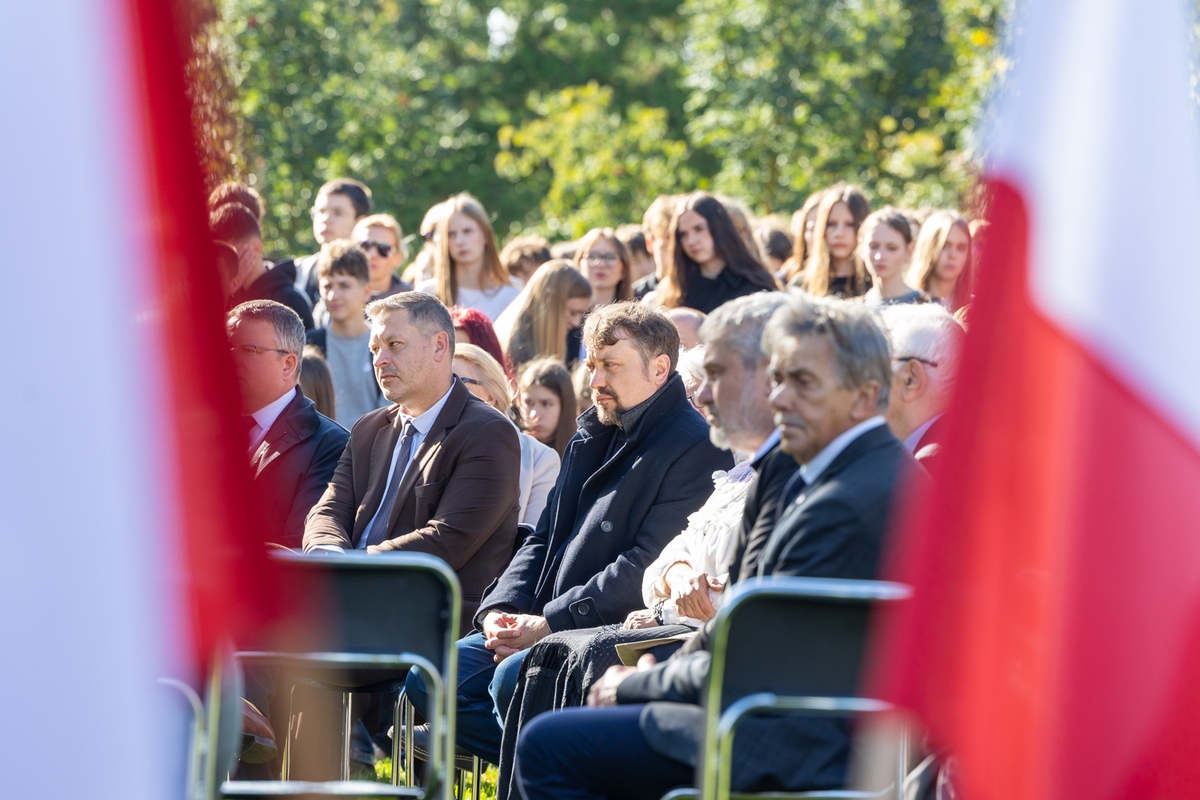
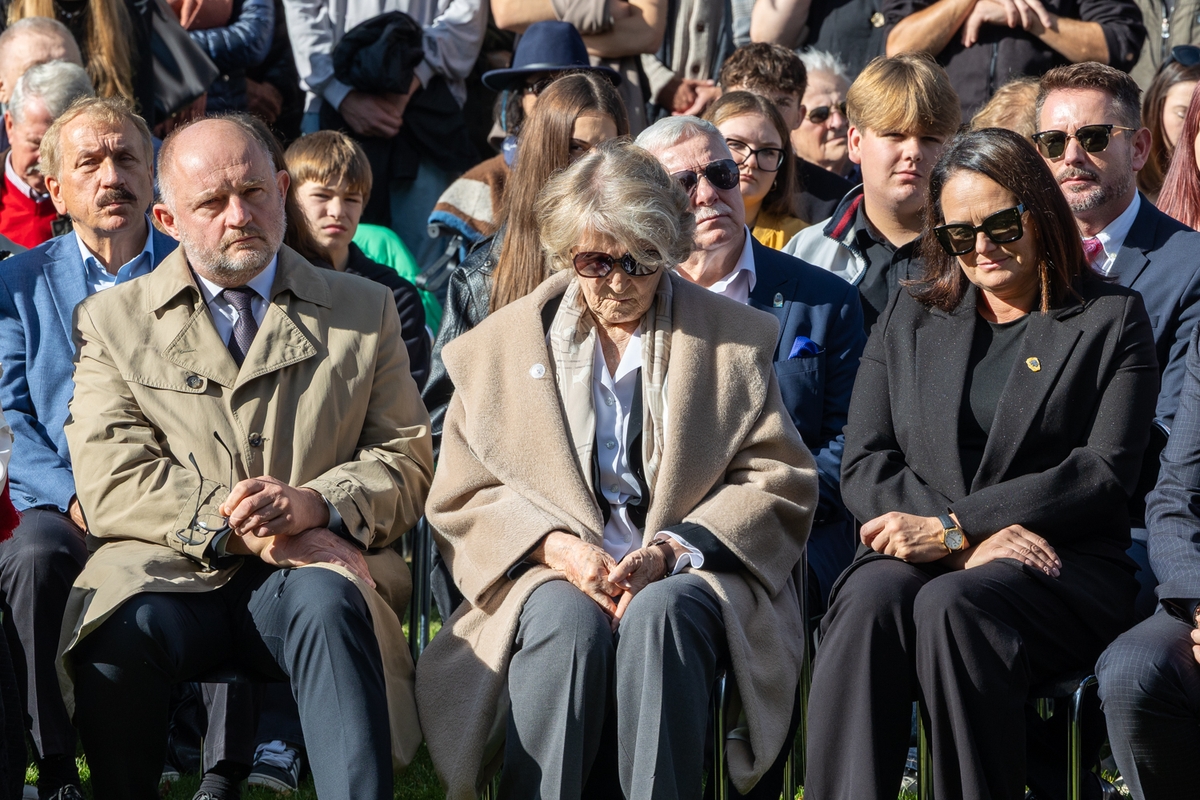
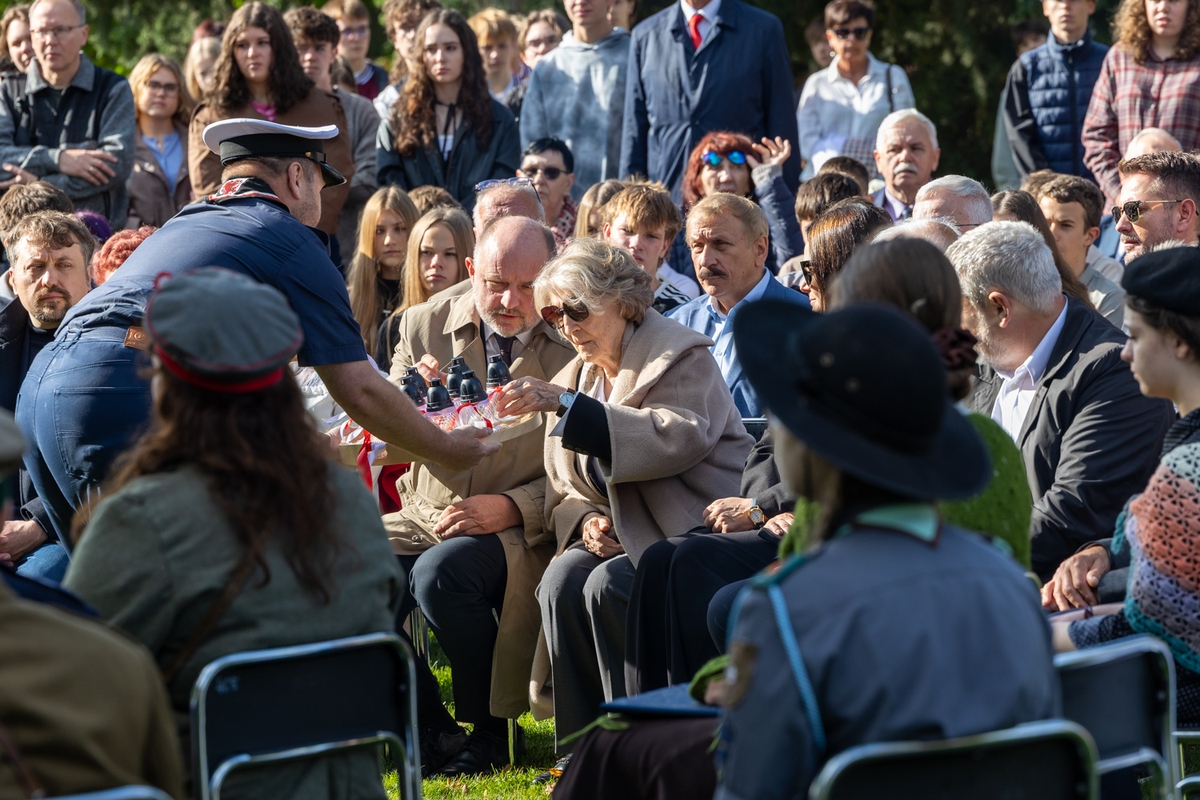
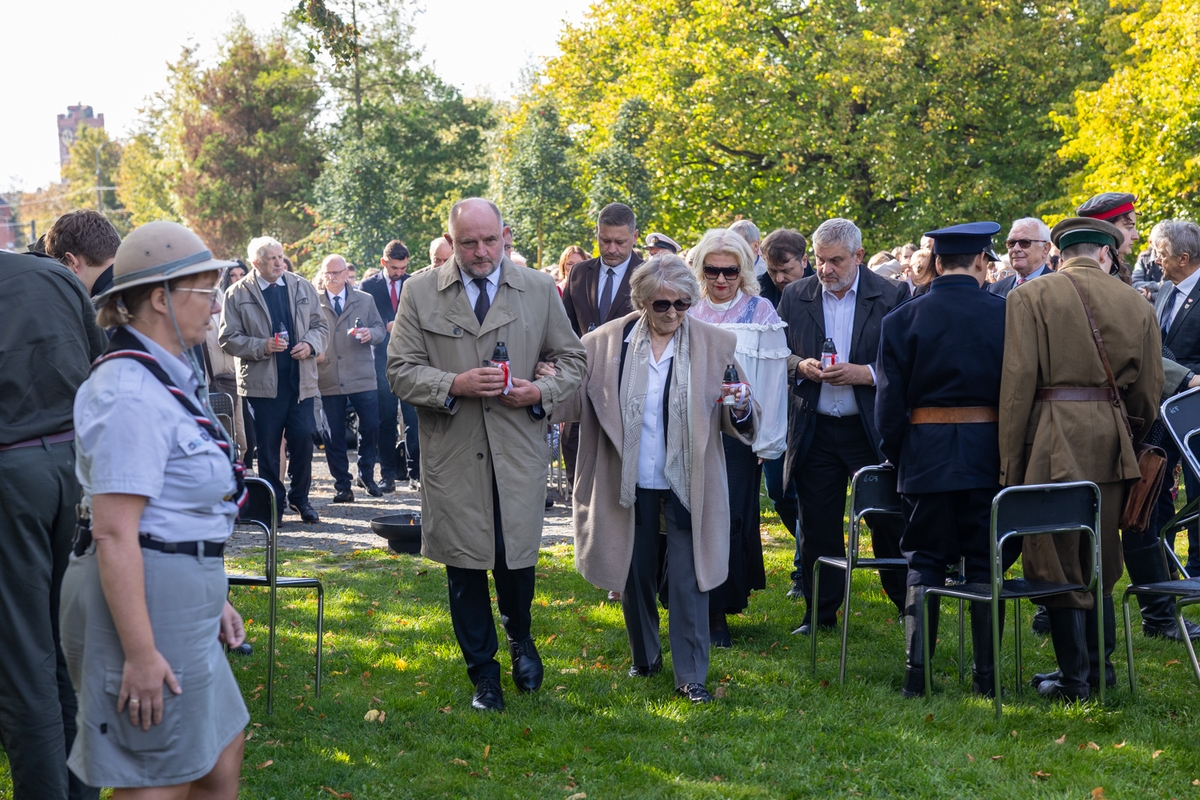
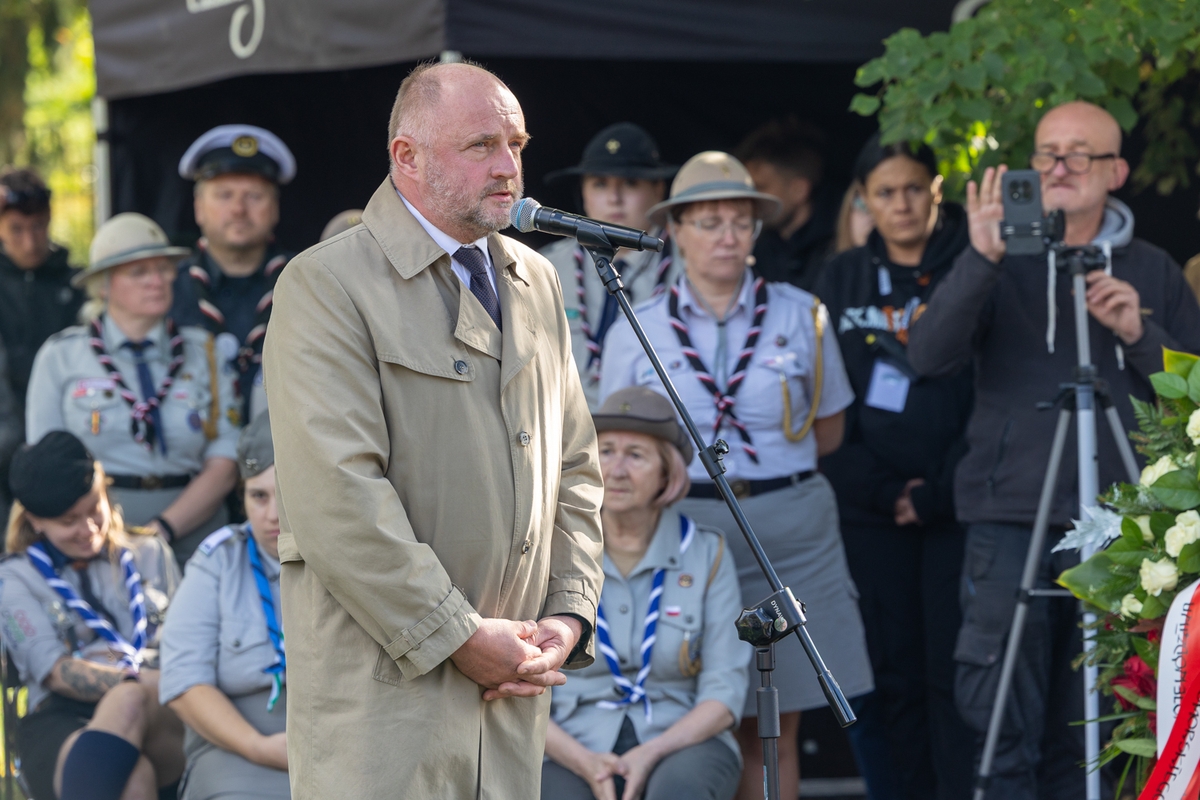
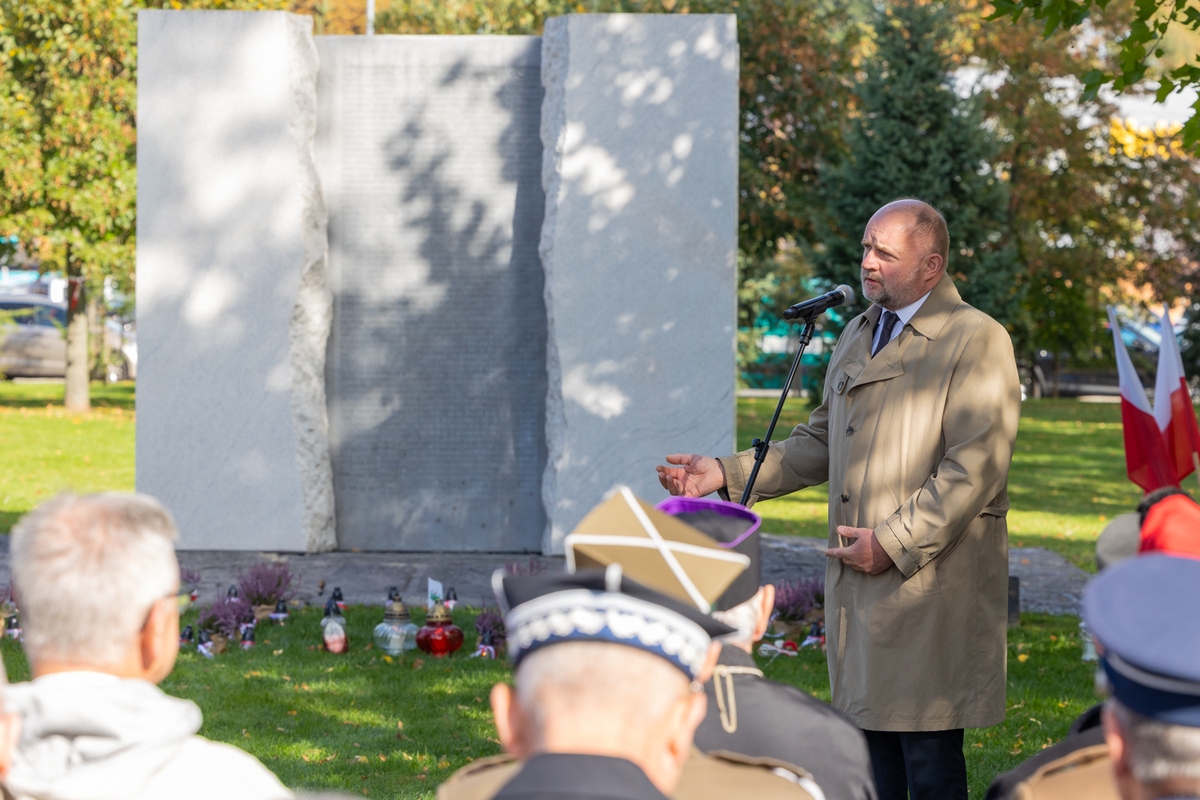
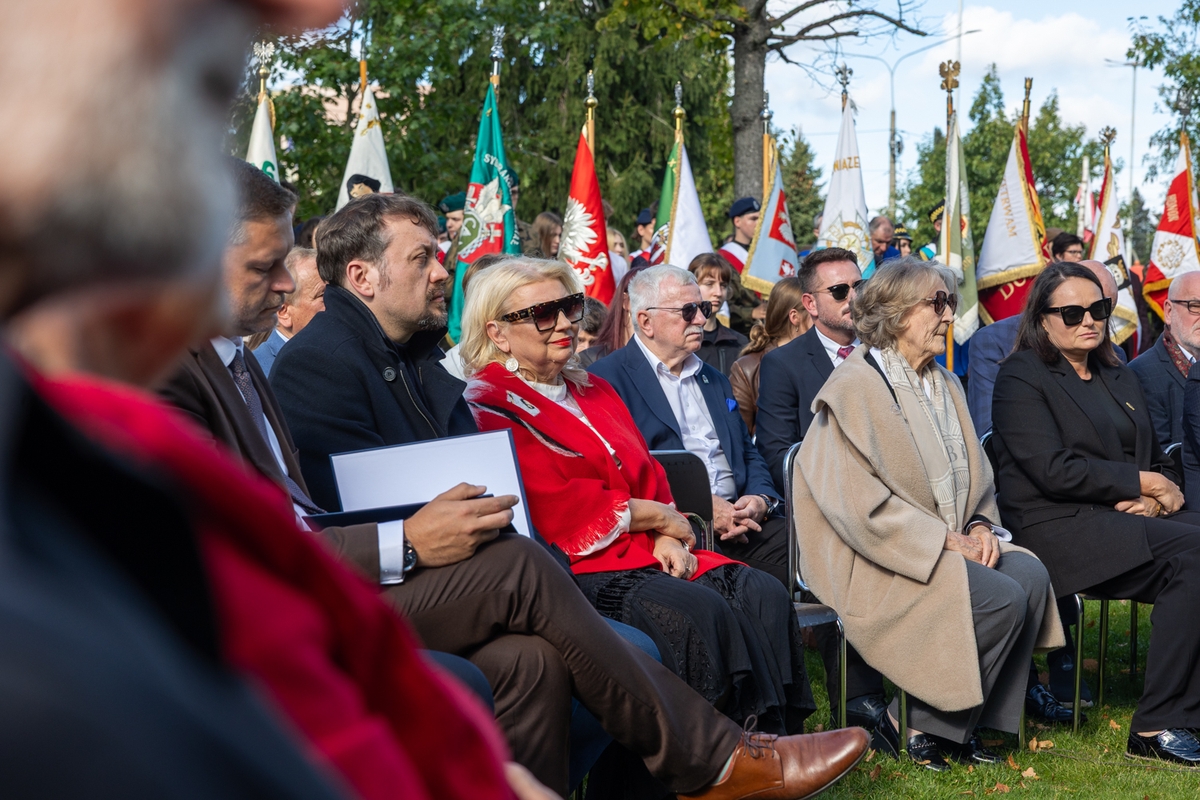
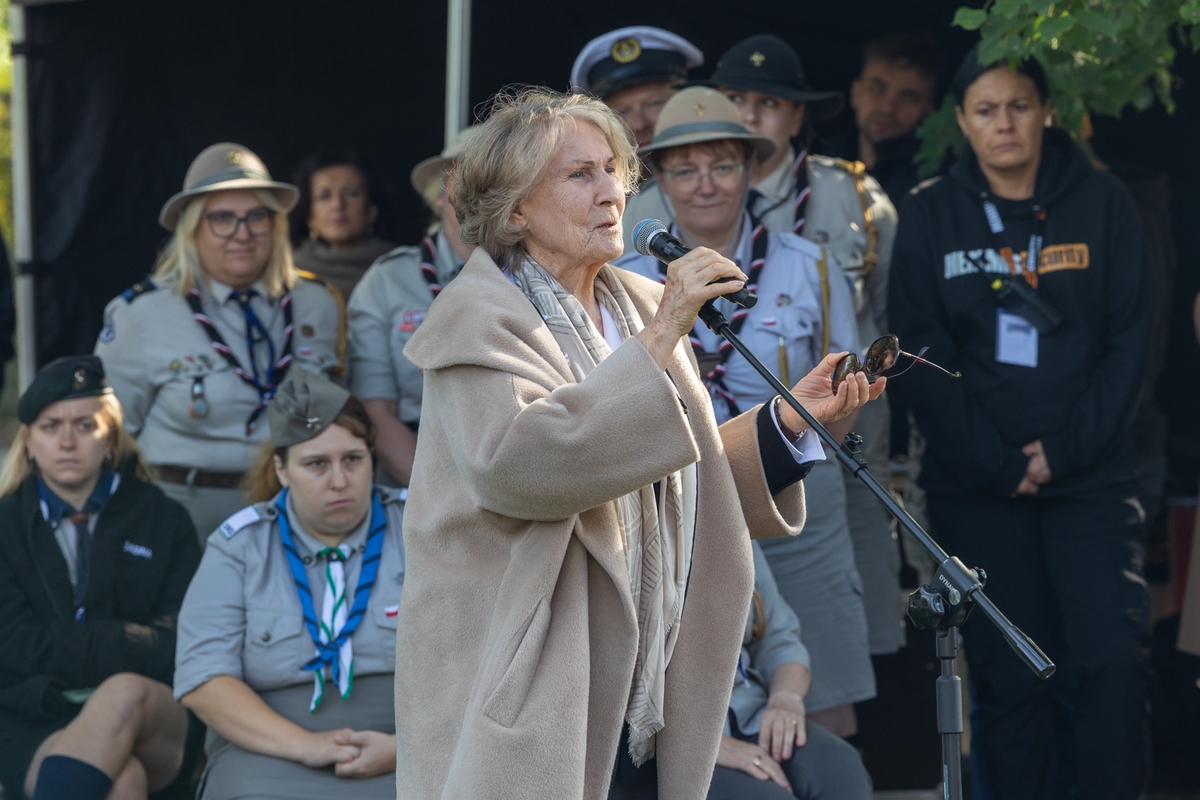
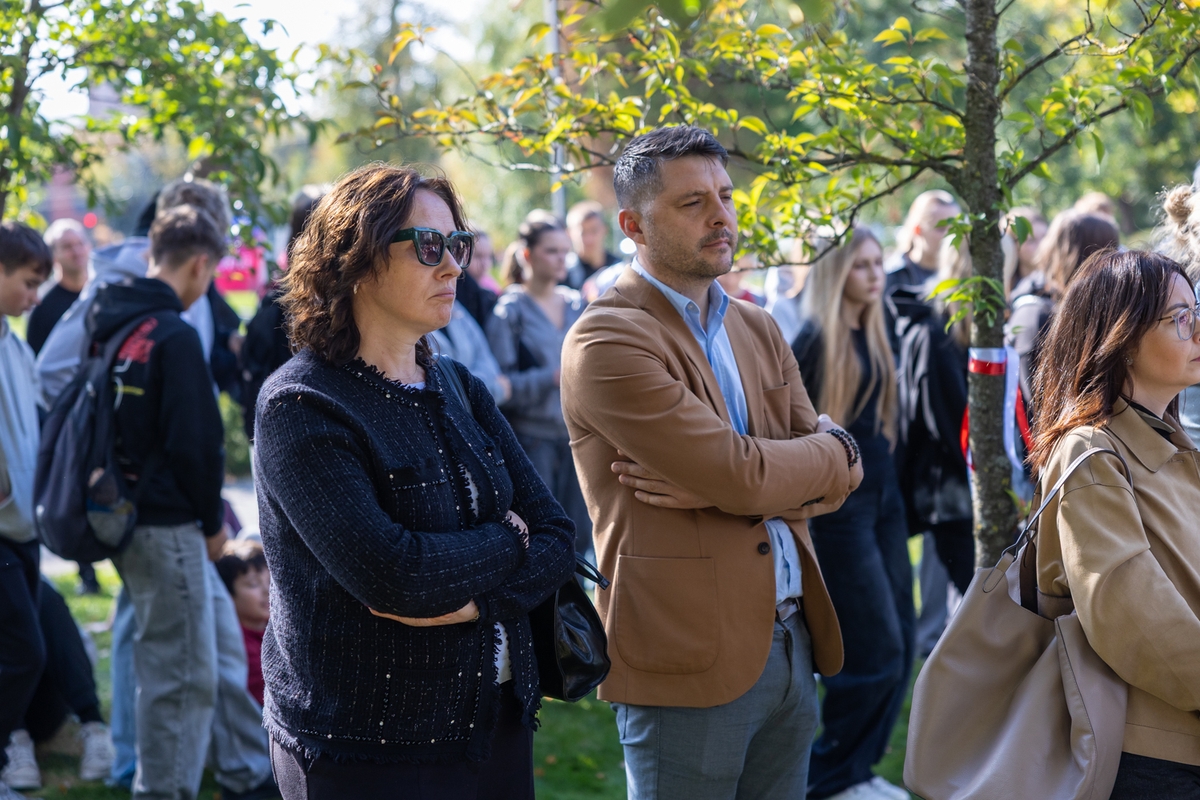
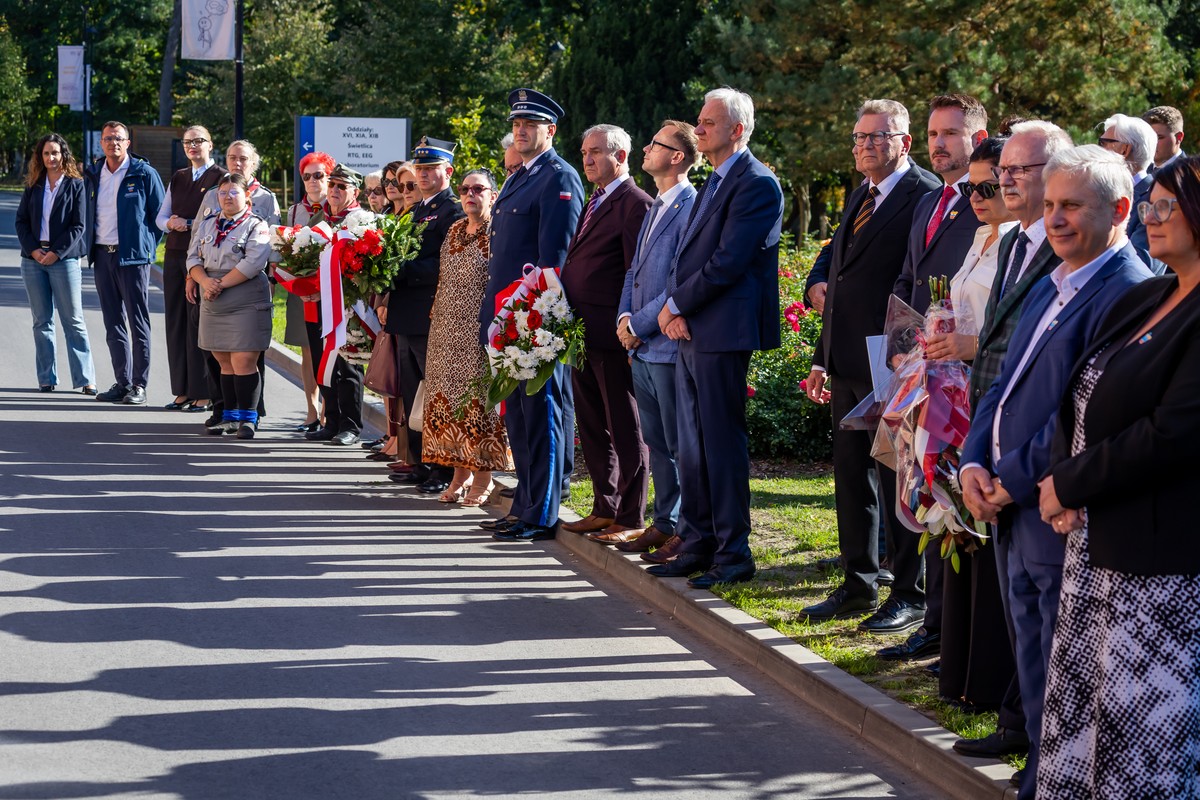
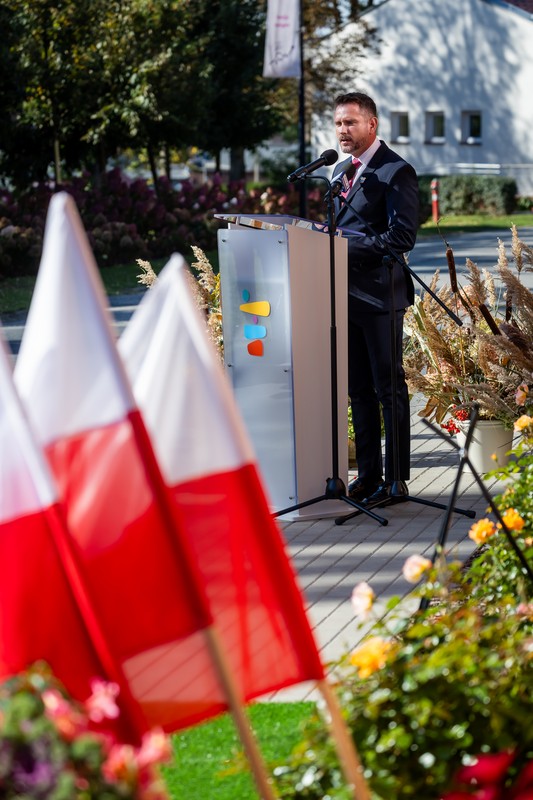
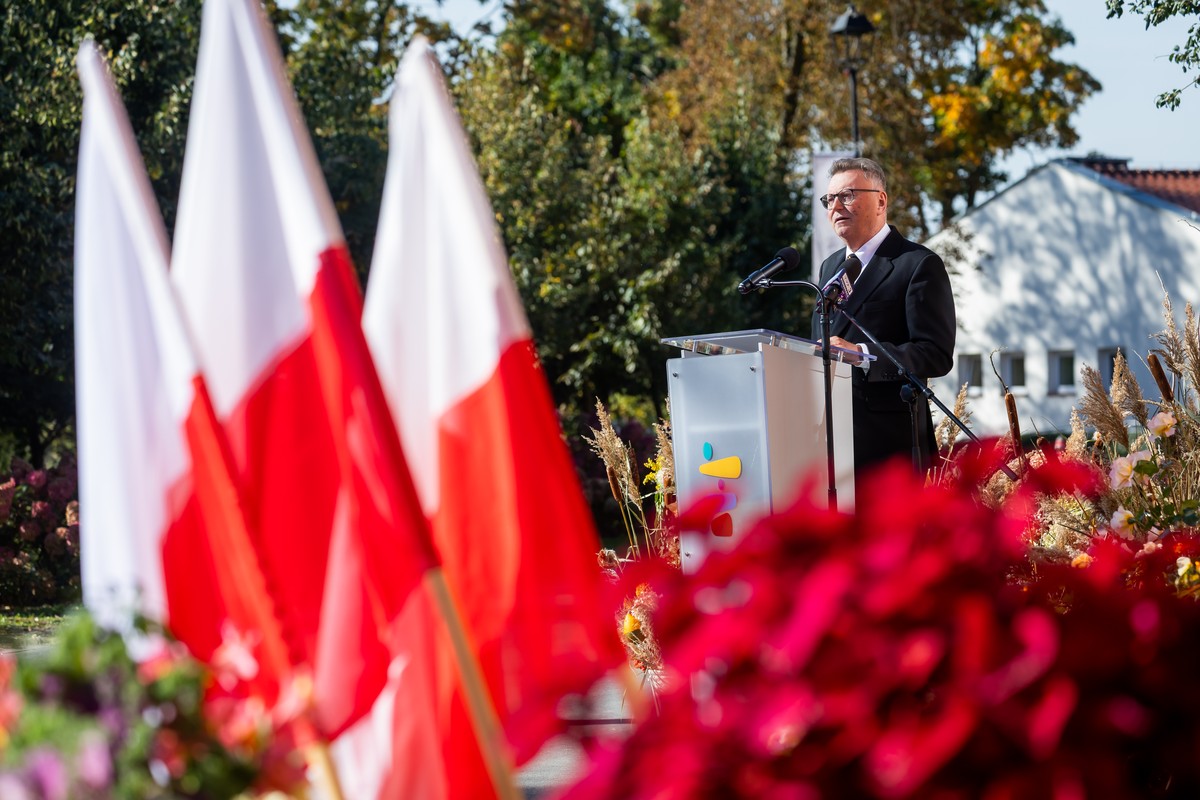
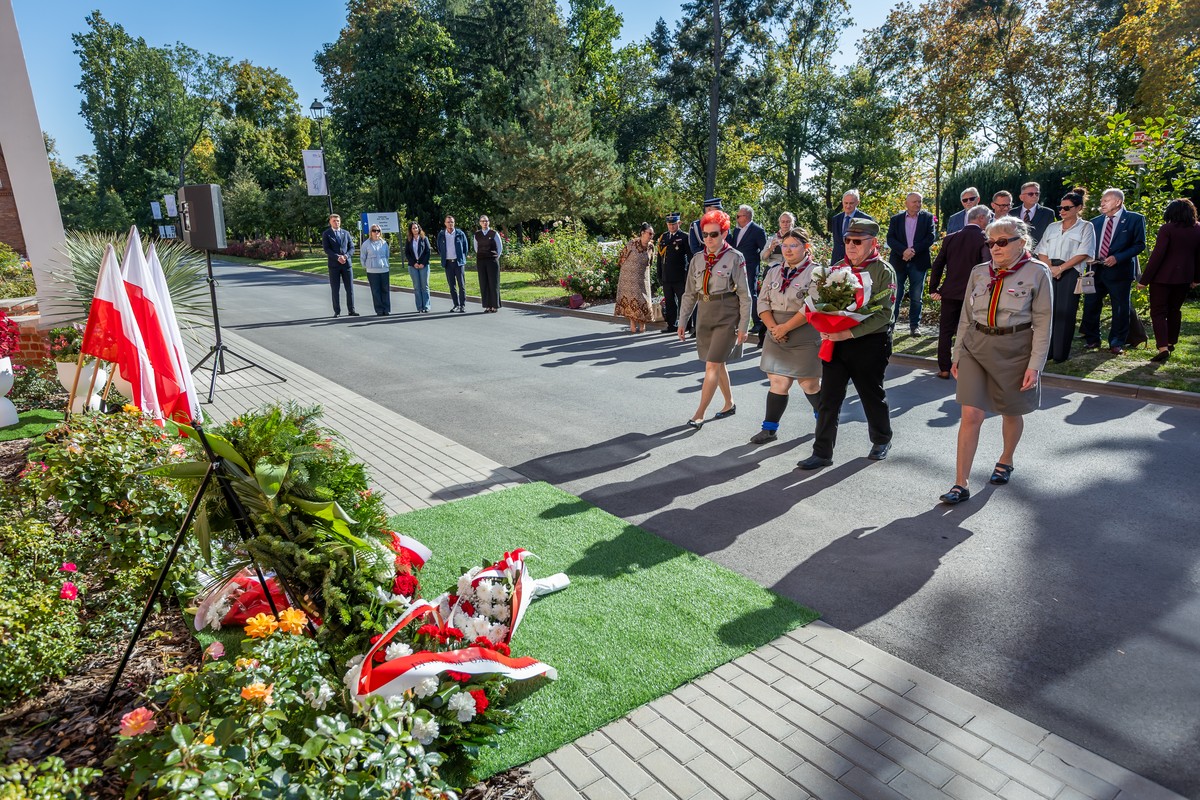
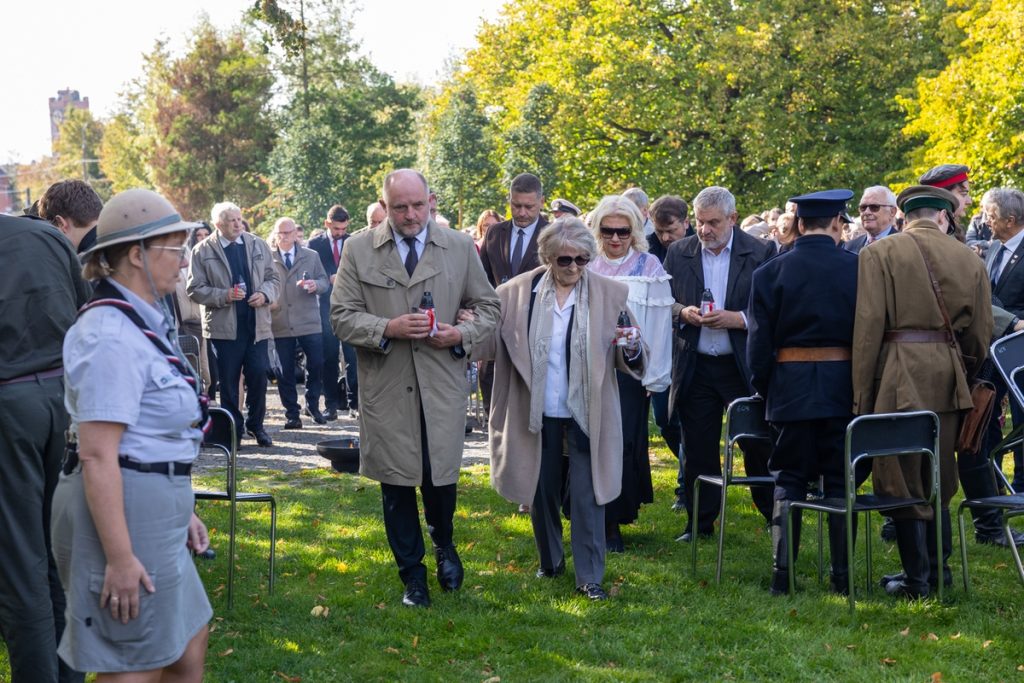
“Beyond the bronze plaque, what matters is remembrance in our hearts. This memory must never be lost, because it is part of your history – the history of your families and your own personal history. We are still uncovering this history so that future generations will never forget it,” said Marshal Piotr Całbecki during Monday’s (5 October) observances of the National Day of Remembrance for the Victims of the German Pomeranian Crime of 1939. The ceremony in the Memorial Park in Toruń was also attended, among others, by President of the Regional Parliament Elżbieta Piniewska, Vice-Voivode Michał Koniuch, Regional Councillor Tadeusz Pogoda, pre-August democratic opposition activist and Vice-Marshal of the Senate of the Republic of Poland during its 8th term Jan Wyrowiński, Honorary Citizen of the Voivodeship Irena Santor, as well as representatives of the Toruń local government and uniformed services. Irena Santor’s father, Bernard Wiśniewski, was one of the 30,000 victims of the mass extermination of the Polish population carried out by the Germans between the autumn of 1939 and the spring of 1940 in 21 counties of the pre-war Pomeranian Region.
“So many years have passed since that time, and yet I still carry fear in my heart – fear of war, which for a child was something unimaginable. I wish that such evil would never happen again, leaving children with trauma and fear – fear of violence, hatred and evil,” Irena Santor stressed in her address to those gathered.
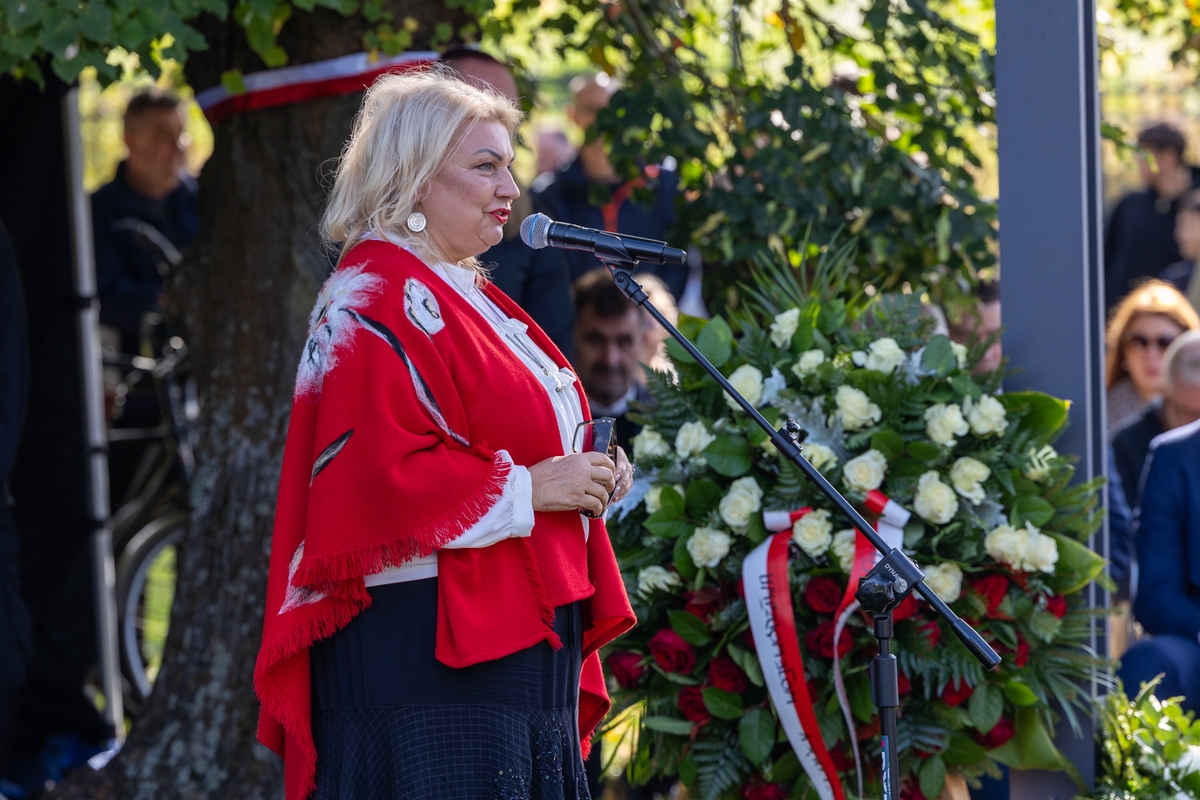
In her speech, President of the Regional Parliament Elżbieta Piniewska pointed out that history told through the lives of those who experienced it takes on a different, personal and human dimension.
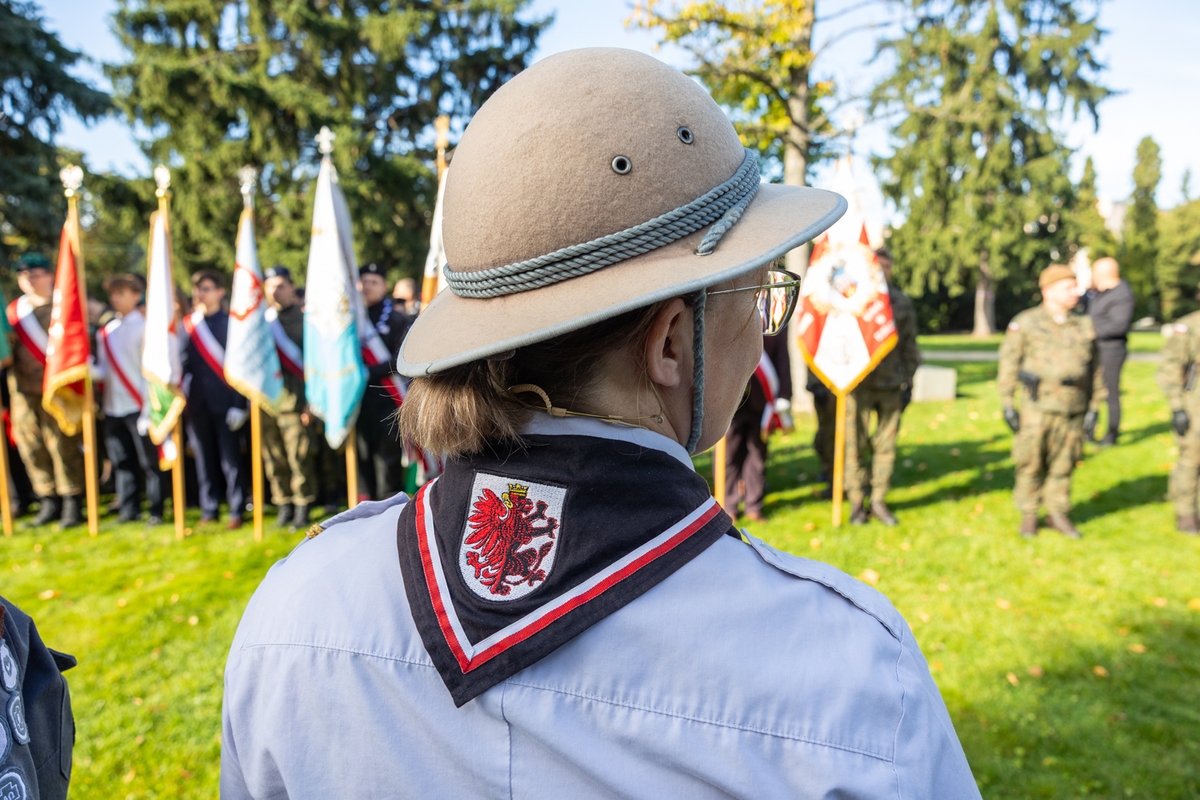
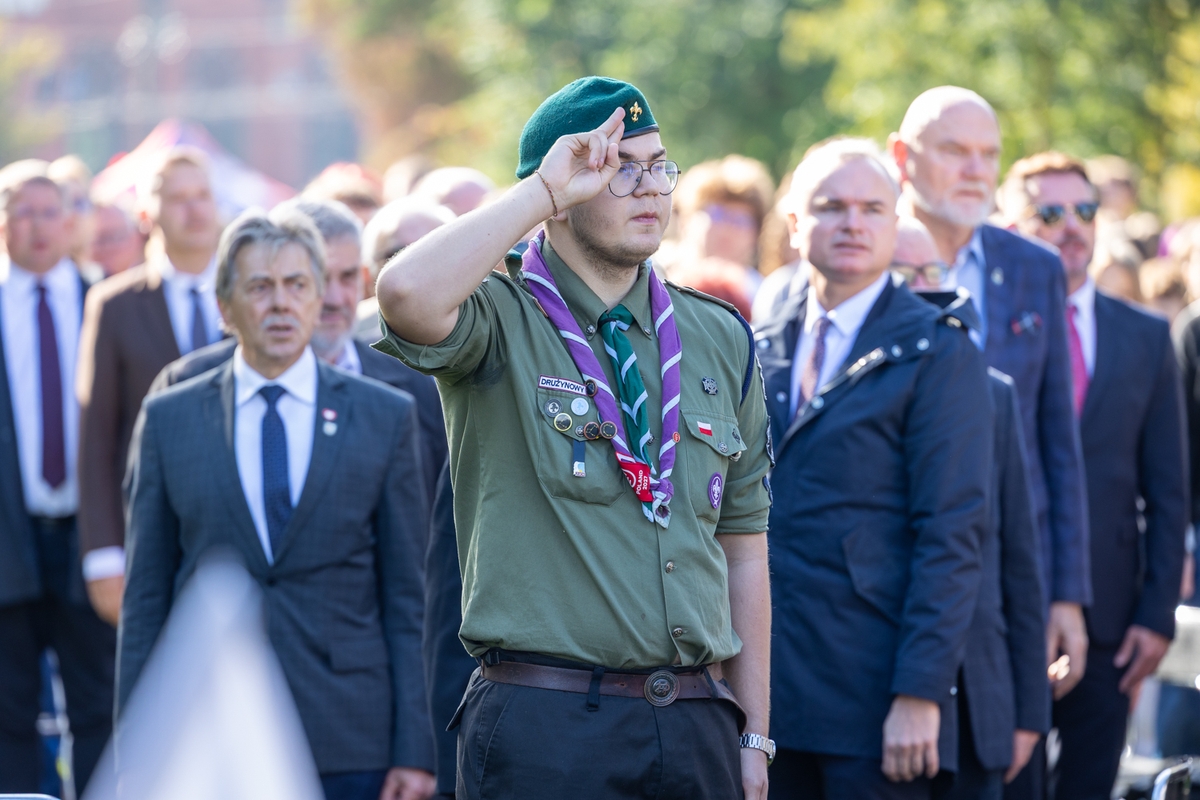
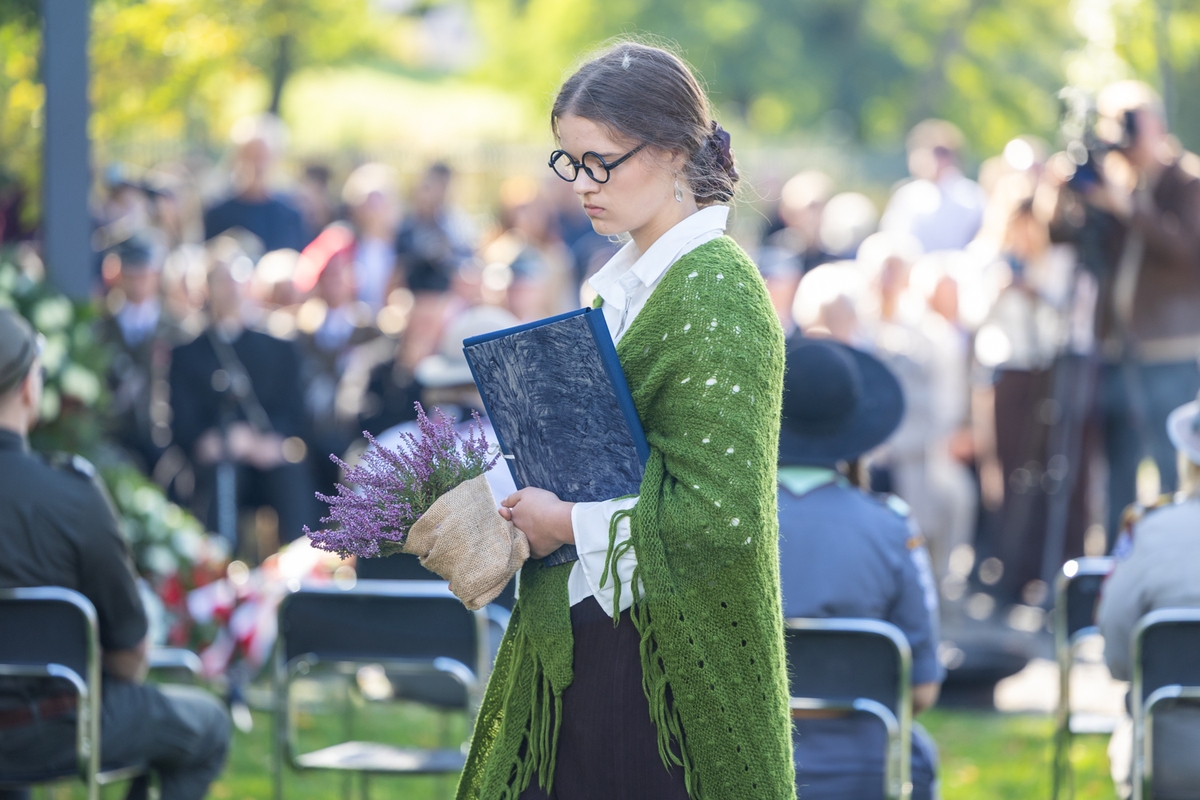
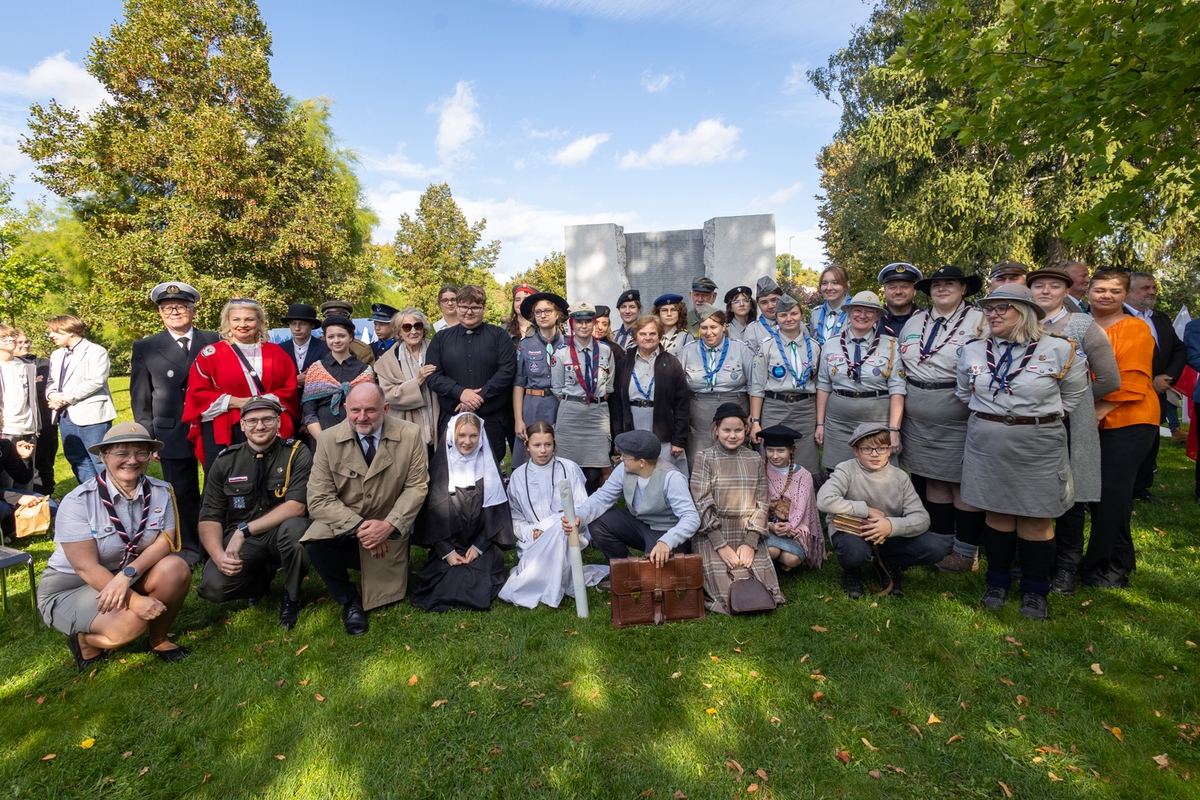
The ceremony, prepared by the Kujawsko-Pomorskie Scout and Guide Association, took the form of a scout storytelling gathering, during which commander Beata Bardzińska presented the stories of more than a dozen victims of the Pomeranian Crime.
Among them were:
- Józef Śliwiński – a farmer from Bruki Unisławskie (Chełmno County), murdered in Płutowo (Chełmno County)
- Stanisława Jaworska – a teacher and social activist murdered in the Barbarka Forest near Toruń
- Paweł Kwiatkowski – a secondary school student from Chojnice, executed in Karolewo (Bydgoszcz County).
The ceremony in the Memorial Park was also attended by clergy of the Roman Catholic, Orthodox and Evangelical-Augsburg Churches, who offered a joint ecumenical prayer for the dead.
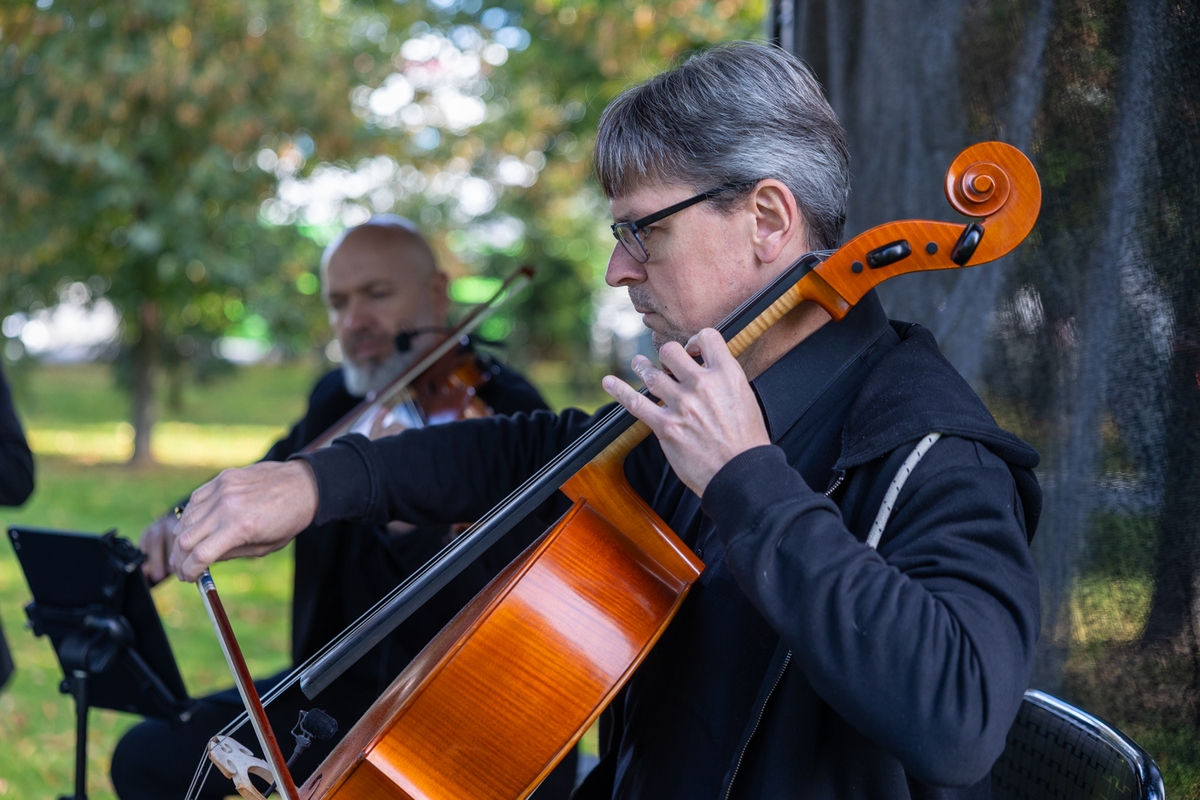
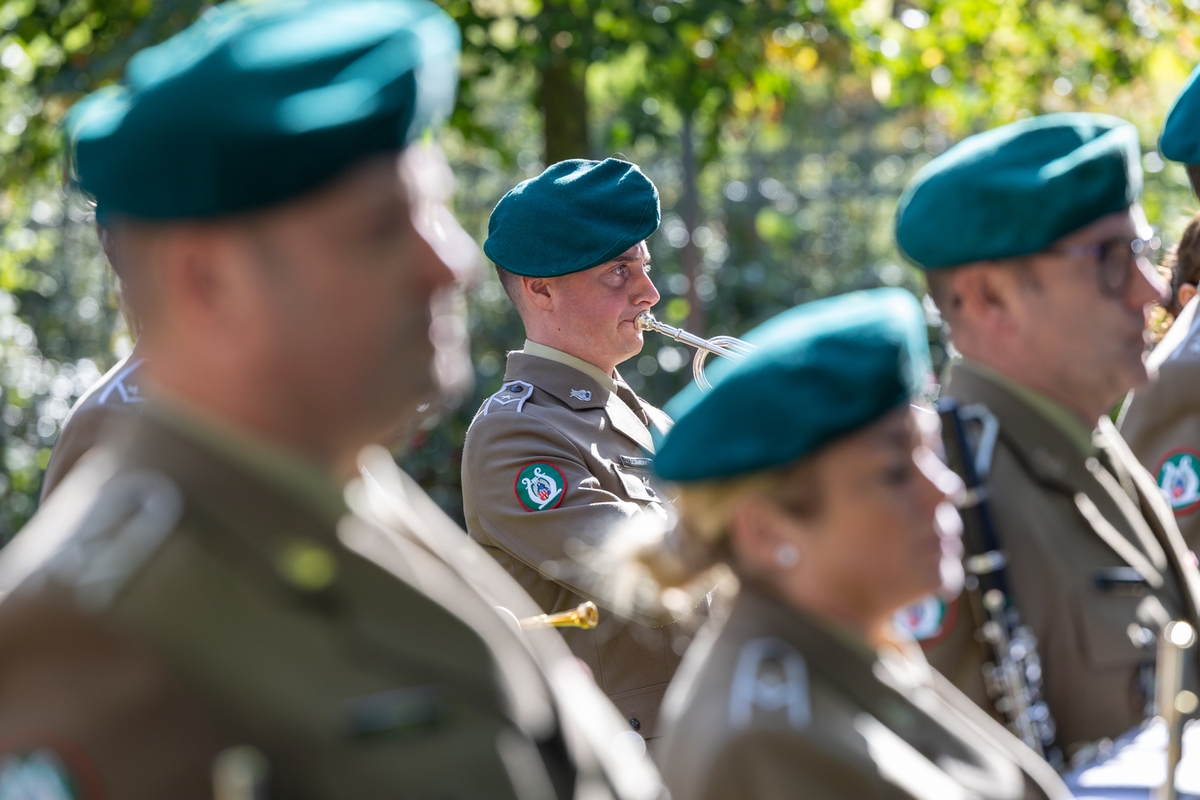
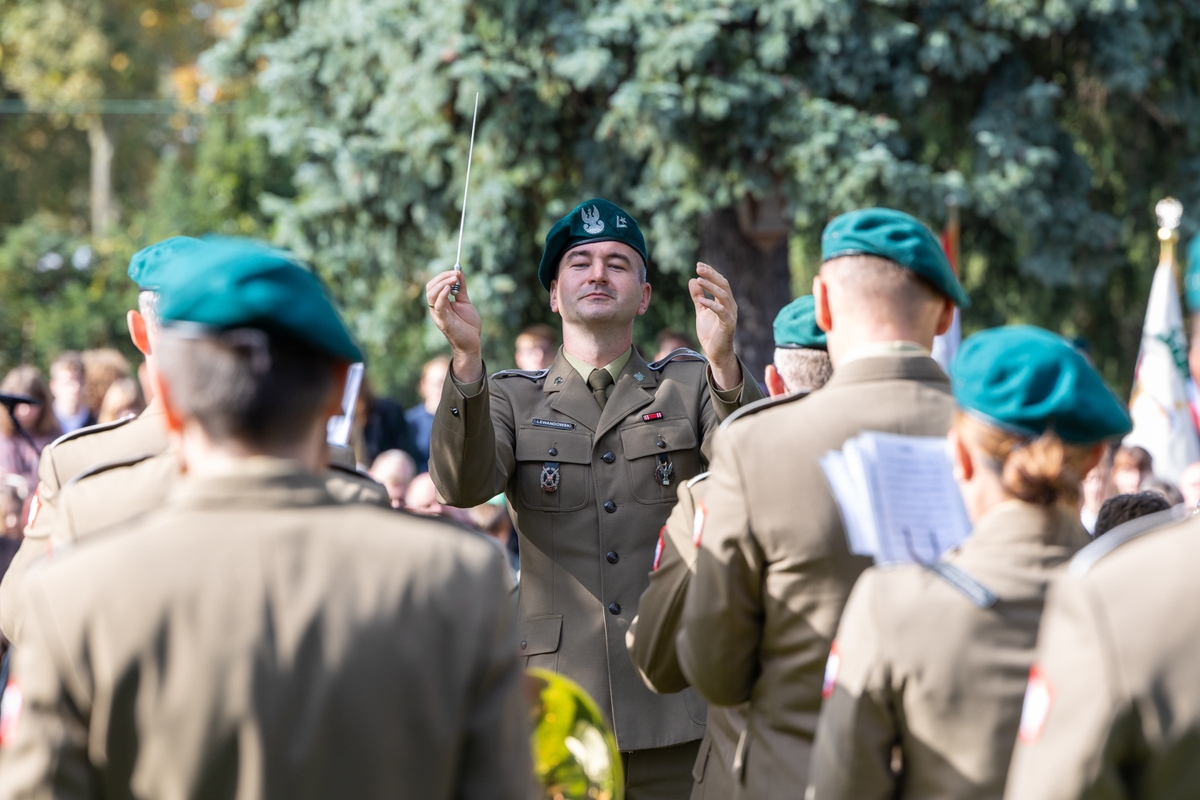
The artistic programme included a concert performed by musicians of the Pomeranian Philharmonic and the Toruń Garrison Orchestra.
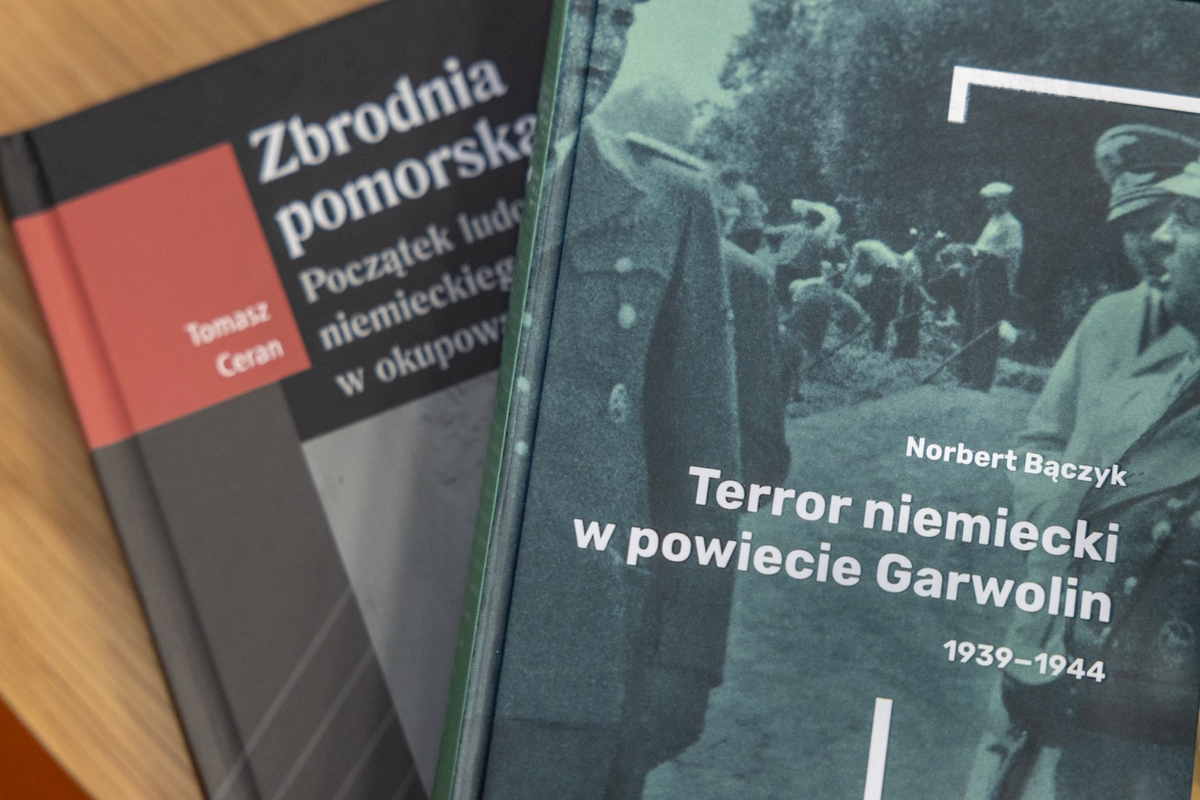
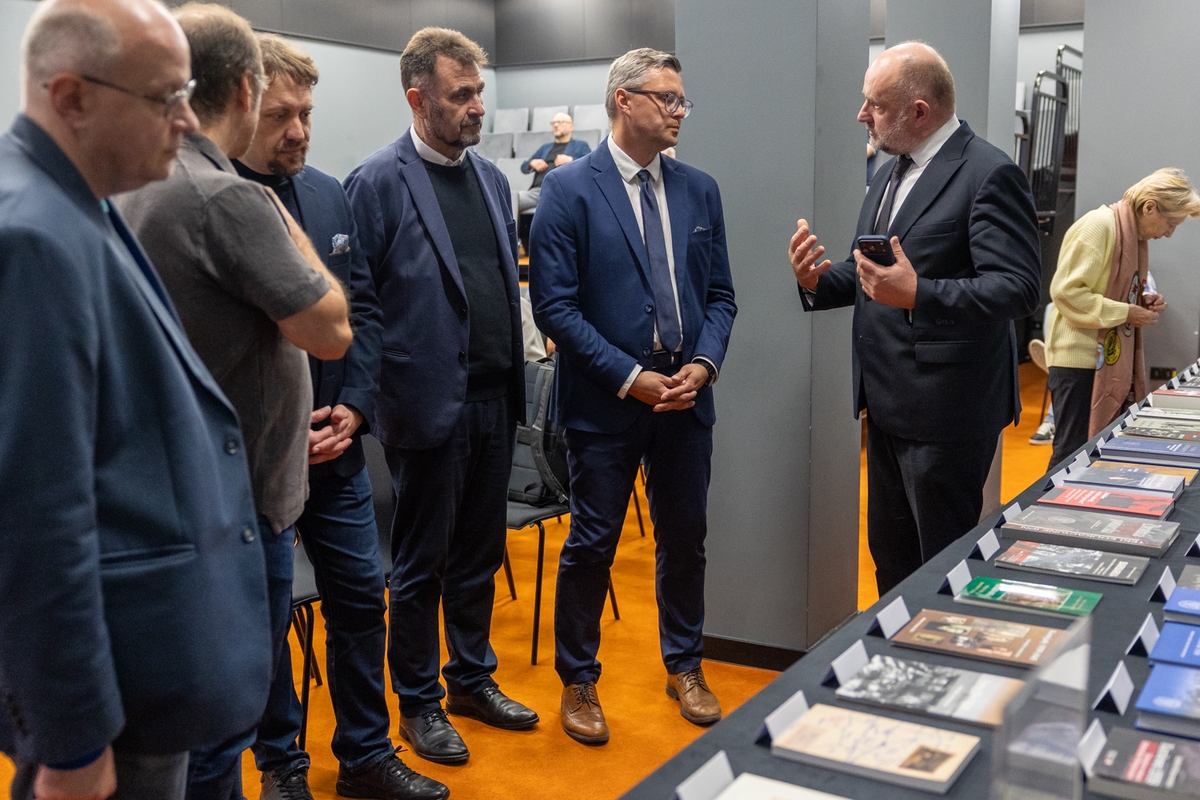
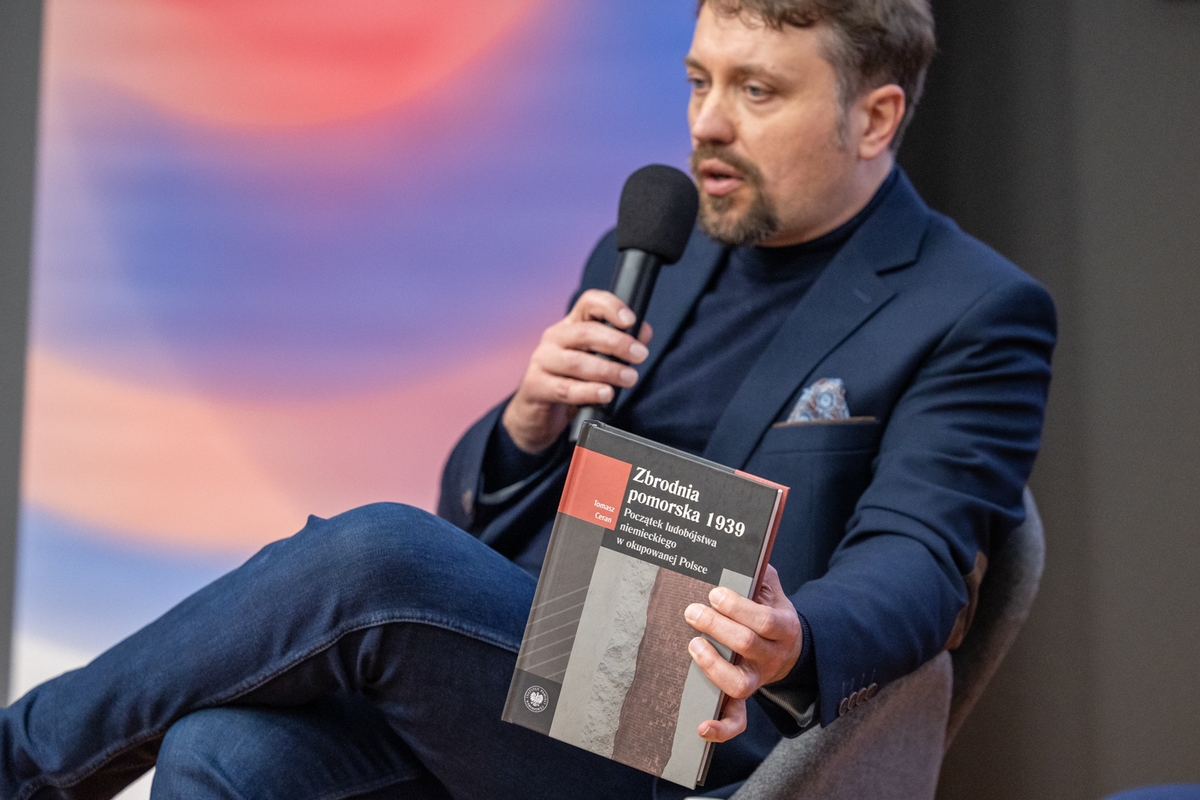
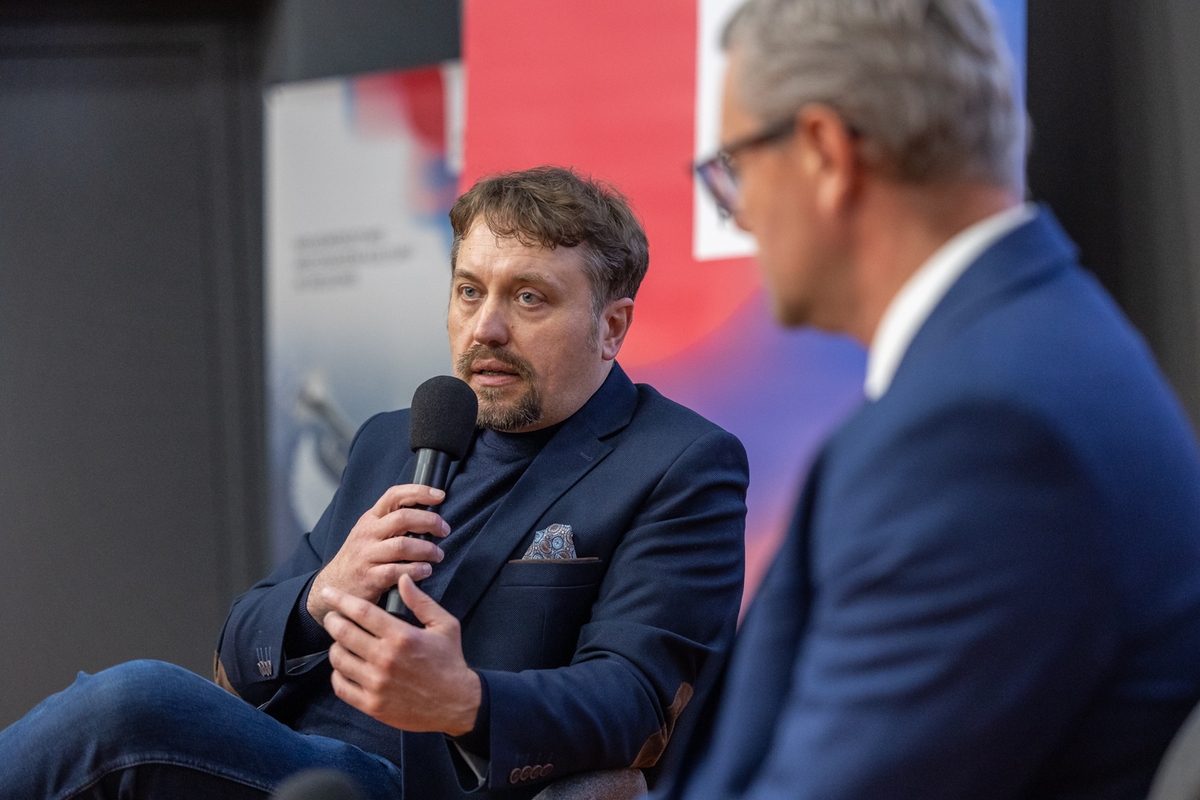
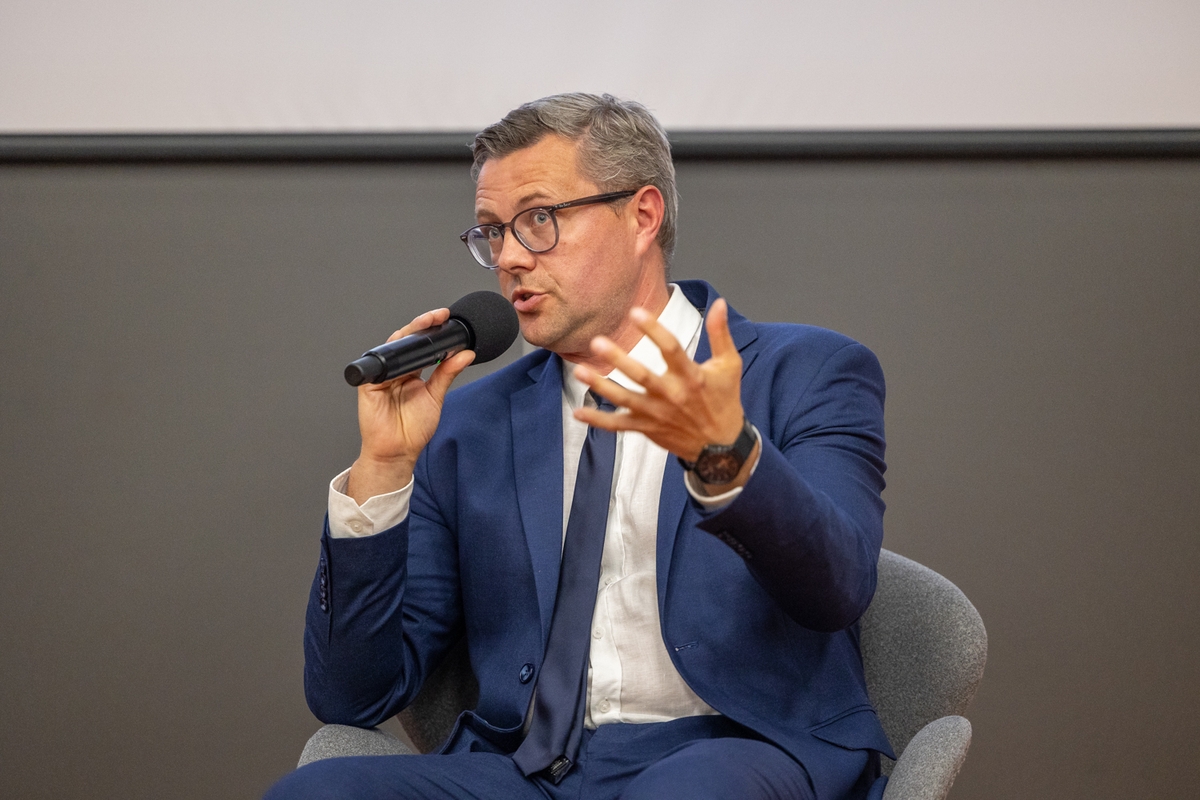
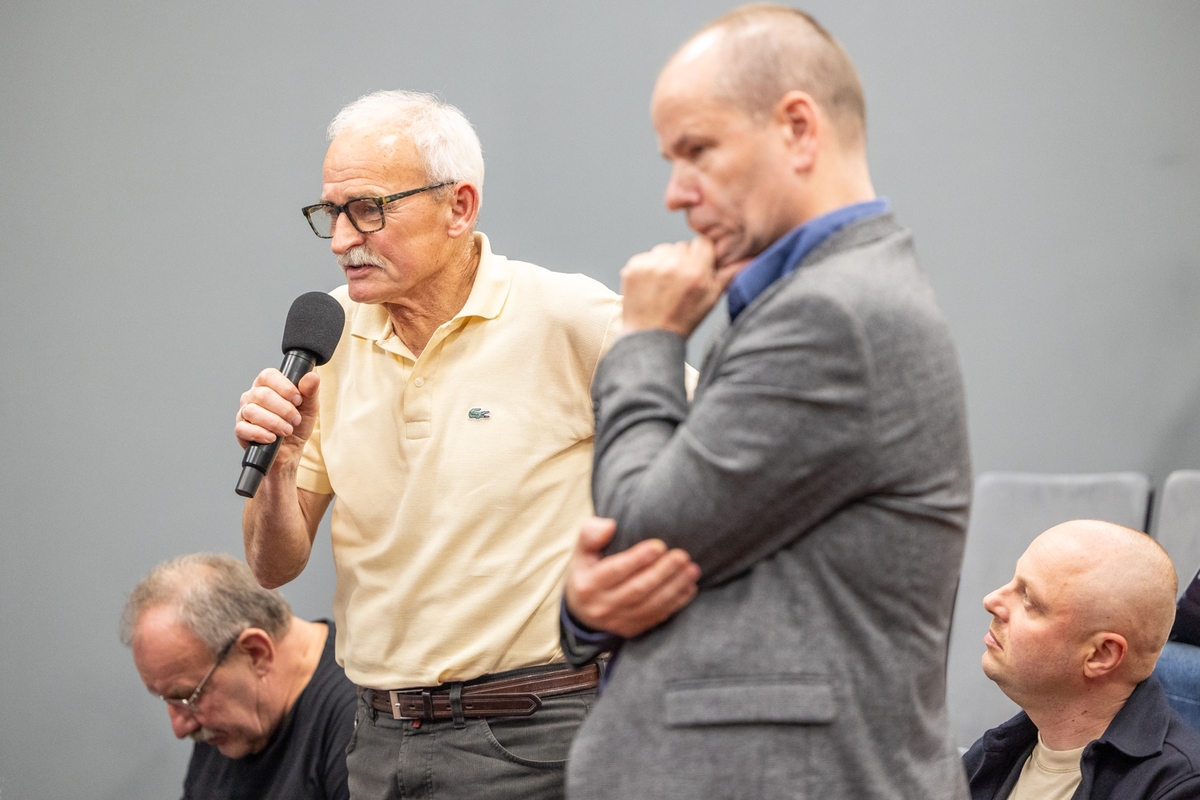
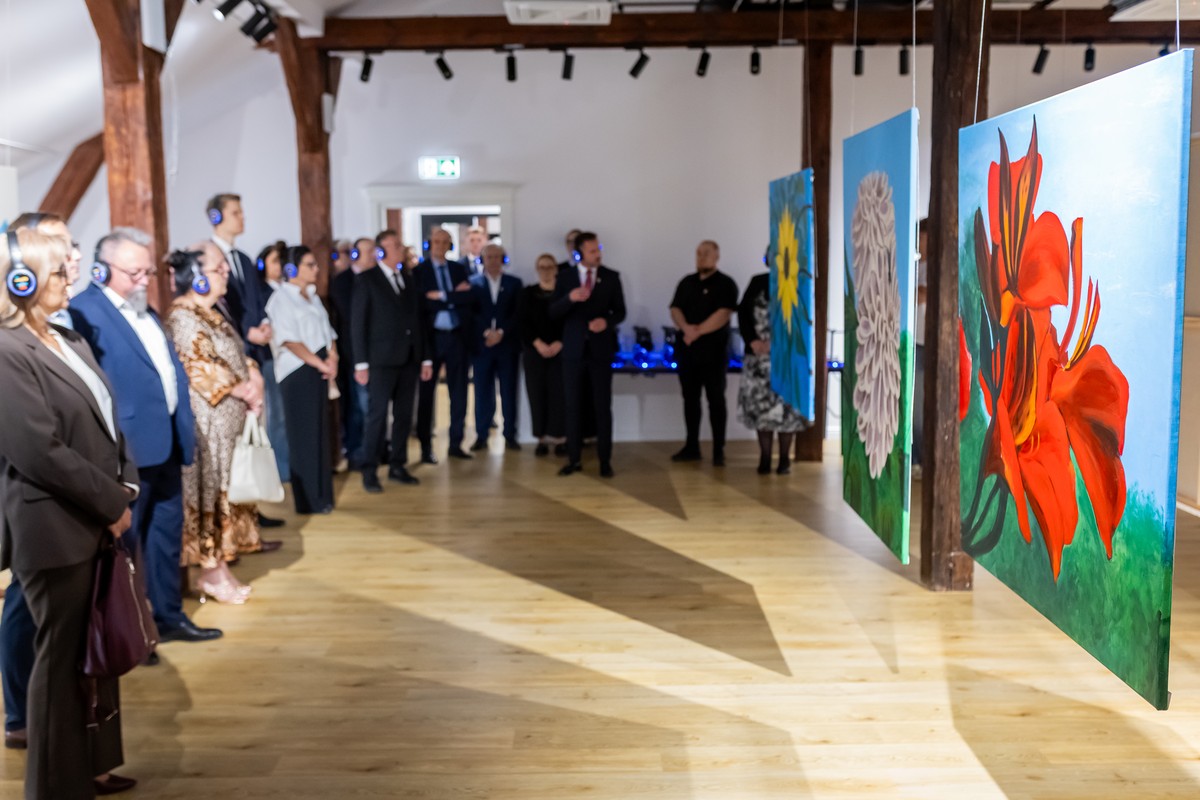
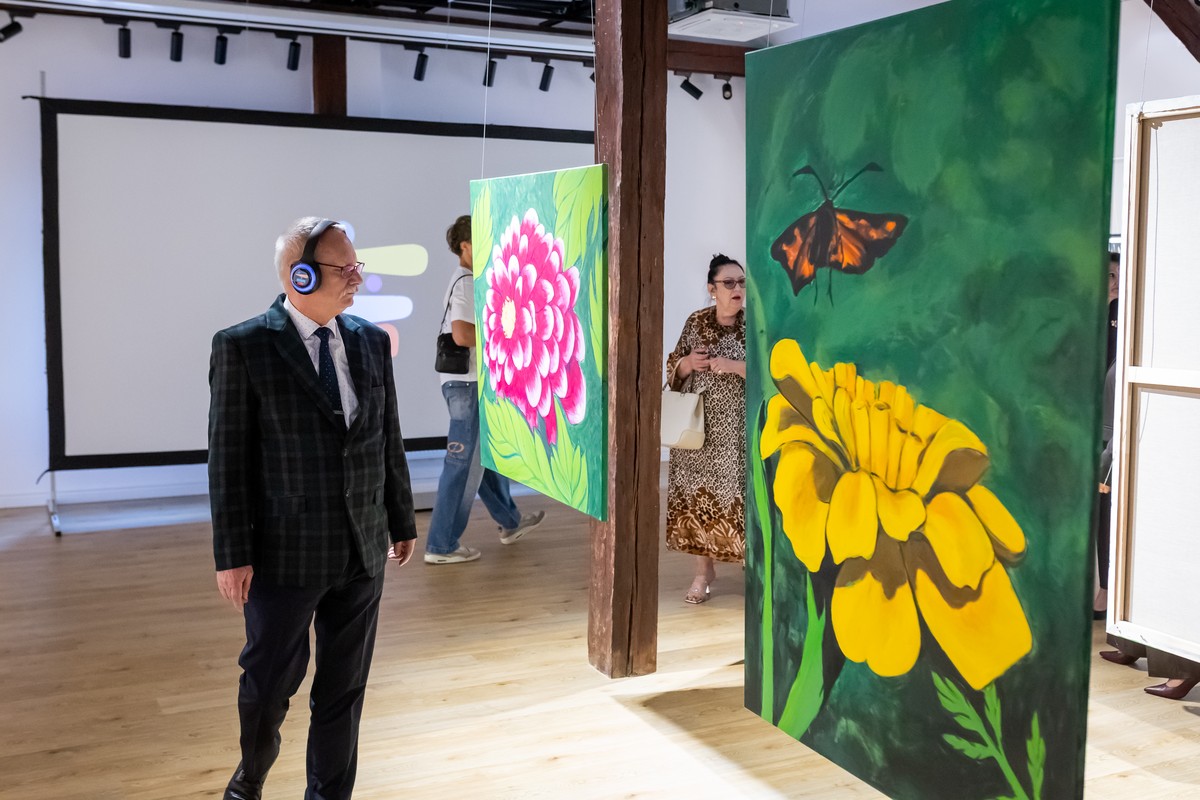
On the afternoon of 5 October, the Copernicus Library hosted a meeting with Dr Norbert Bączyk, co-creator of the “Wojenne historie” (“War Stories”) podcast, and Dr Tomasz Ceran of the Pilecki Institute. They presented the origins of the Pomeranian Crime, its scope, scale and methods of implementation, and also sought to answer the question of why the extermination of the Polish population in the former Pomeranian Region remains a little-known, though very important, part of Poland’s Second World War history.
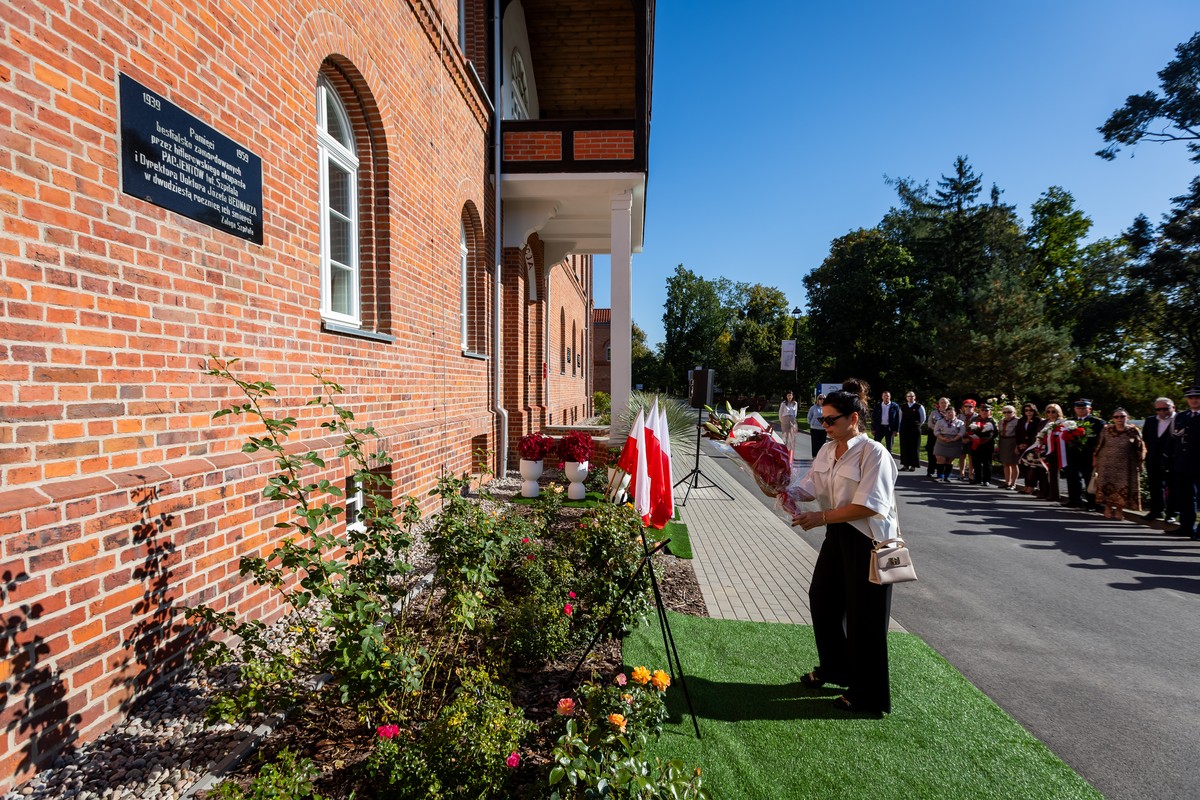
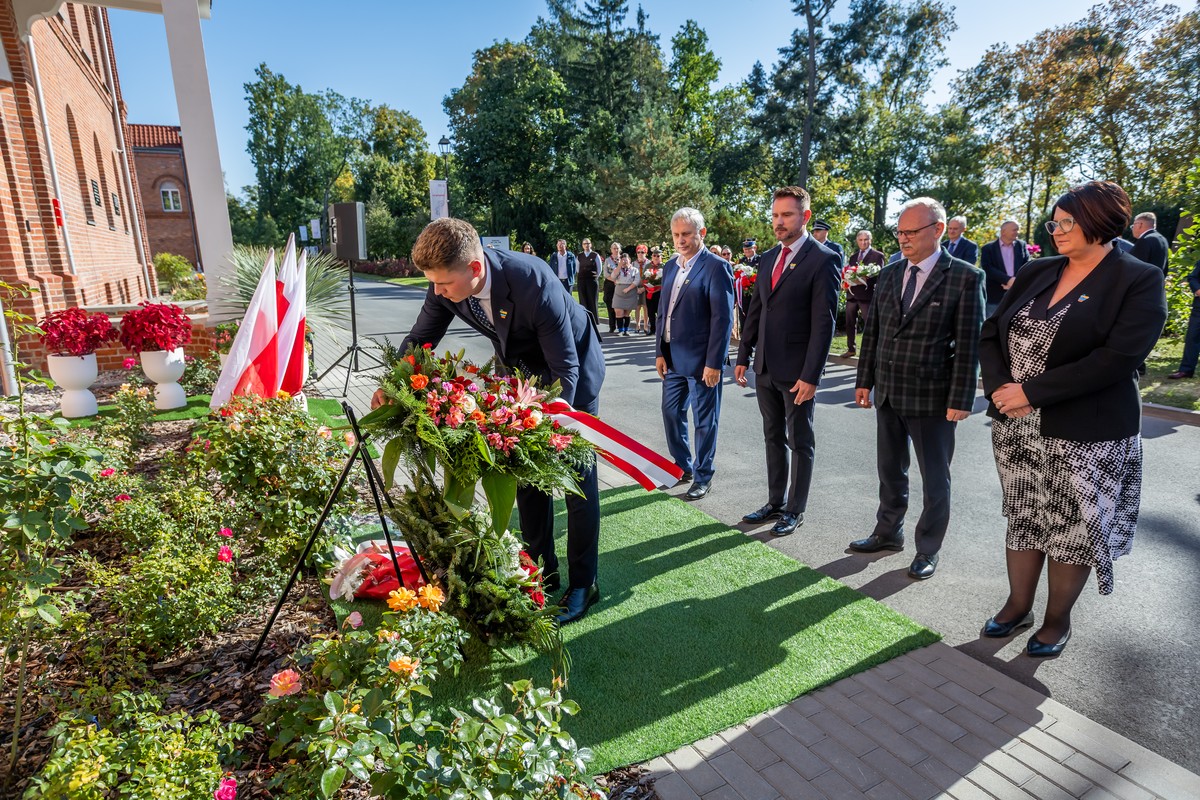
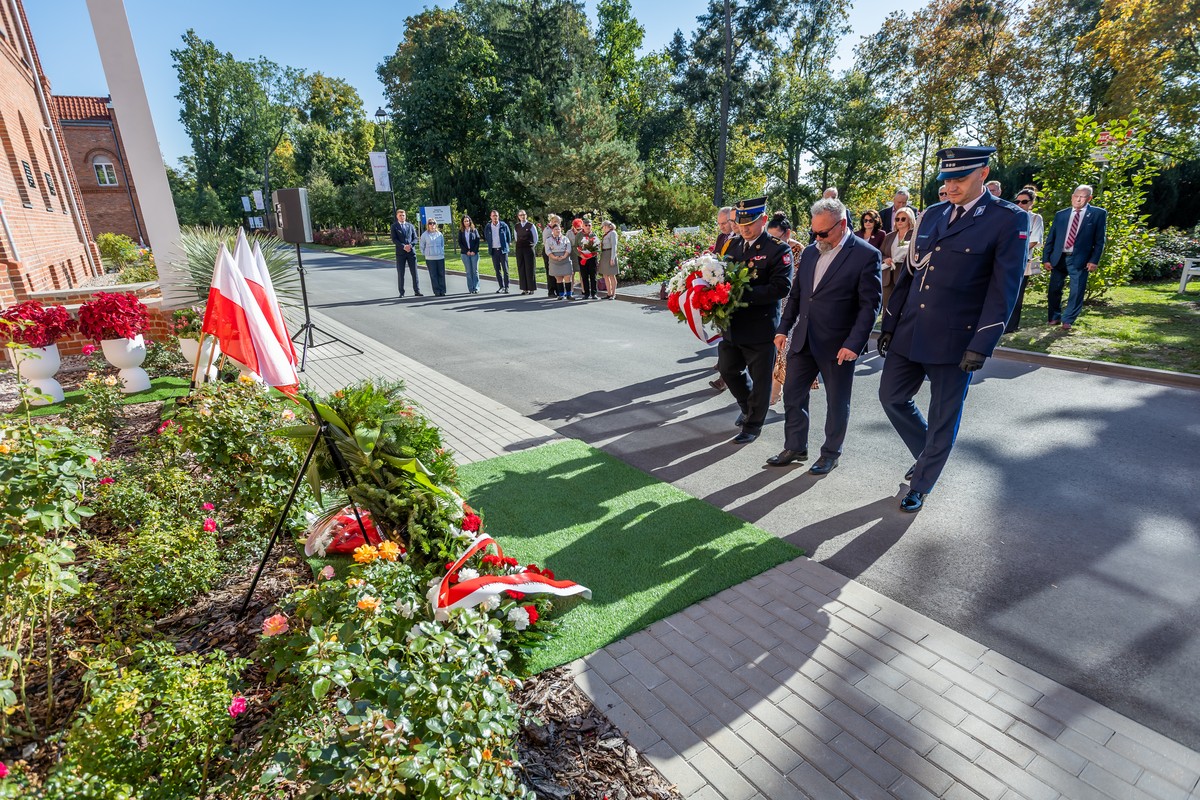
The commemorations marking the 87th anniversary of the Pomeranian Crime began on 2 October with a ceremony honouring the patients of the Psychiatric Hospital in Świecie and the hospital’s director, Dr Józef Bednarz, who were murdered by the Germans in 1939. The commemorative gathering held at the Regional Mental Health Hospital was attended by Vice- Marshal Zbigniew Ostrowski and Region’s Secretary Marek Smoczyk. “The German occupier brought with it an inhuman ideology that denied the most vulnerable – the sick, the suffering and those unable to live independently – the right to life. The machinery of hatred targeted patients of Polish psychiatric hospitals, treating their lives as unworthy of existence,” Vice-Marshal Zbigniew Ostrowski stressed in his address.
Beata Krzemińska
Spokesperson for the Marshal’s Office
5 October 2026
Last updated: 6 October 2026