
After the Copernicus Library, Now It’s the Bełza Library’s Turn
Modern architecture, striking façades, environmentally friendly solutions, interiors and access to collections that bibliophiles can only dream of – this is what the new wing of the Copernicus Library in Toruń, opened in February, has to offer (if you haven’t visited yet, you really should!). Now it is time for the Marshal’s Office-run library in Bydgoszcz, the Bełza Regional Public Library. Work on the design documentation is underway, and within the next few months we expect to be able to present the architectural concept for the new complex.
“Books are among the most important tools we have created to better understand ourselves, other people and the world around us. Reading broadens our horizons, enriches our language, teaches us to be attentive and allows us to see reality from different perspectives. It is therefore much more than a private pleasure. It creates space for dialogue, reflection and understanding. Libraries play a particularly important role in fostering a culture of reading. They are much more than places where books are stored – they are open spaces for knowledge, culture and human interaction, allowing people to experience reading as a shared public good. The regional government is proud to invest in them,” emphasises Marshal Piotr Całbecki.
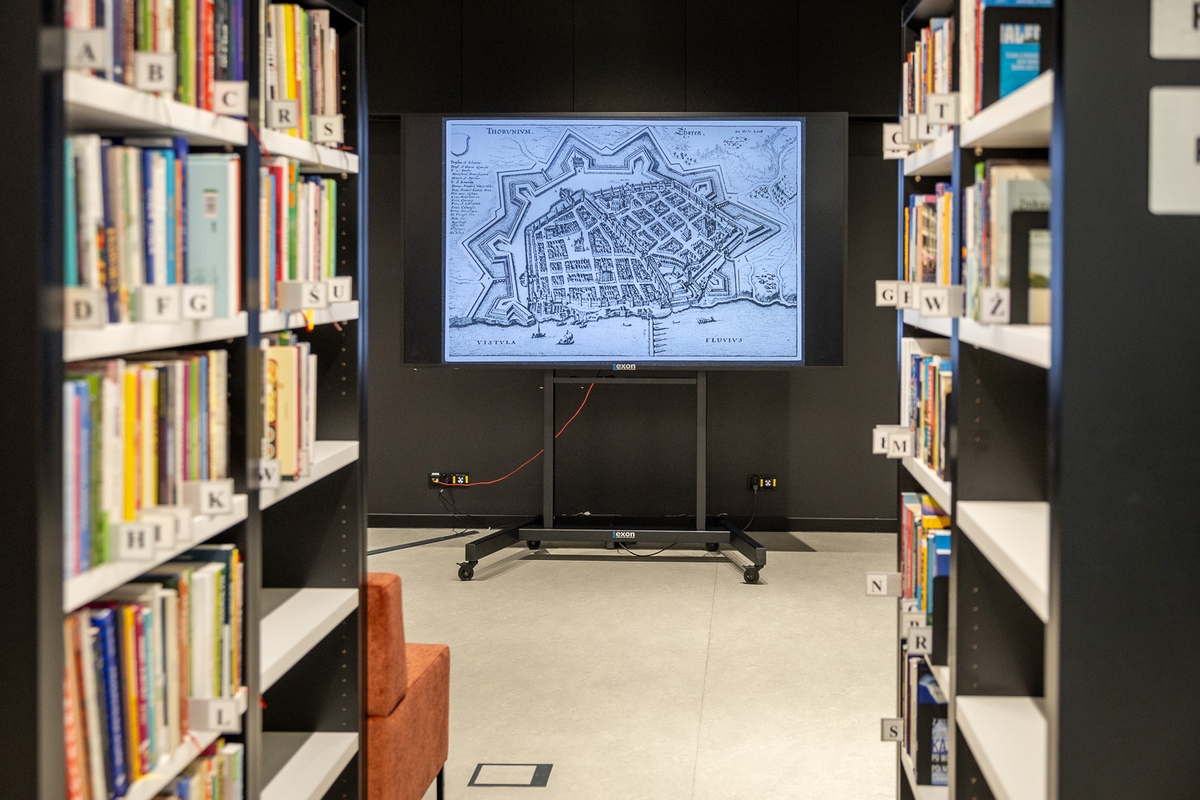
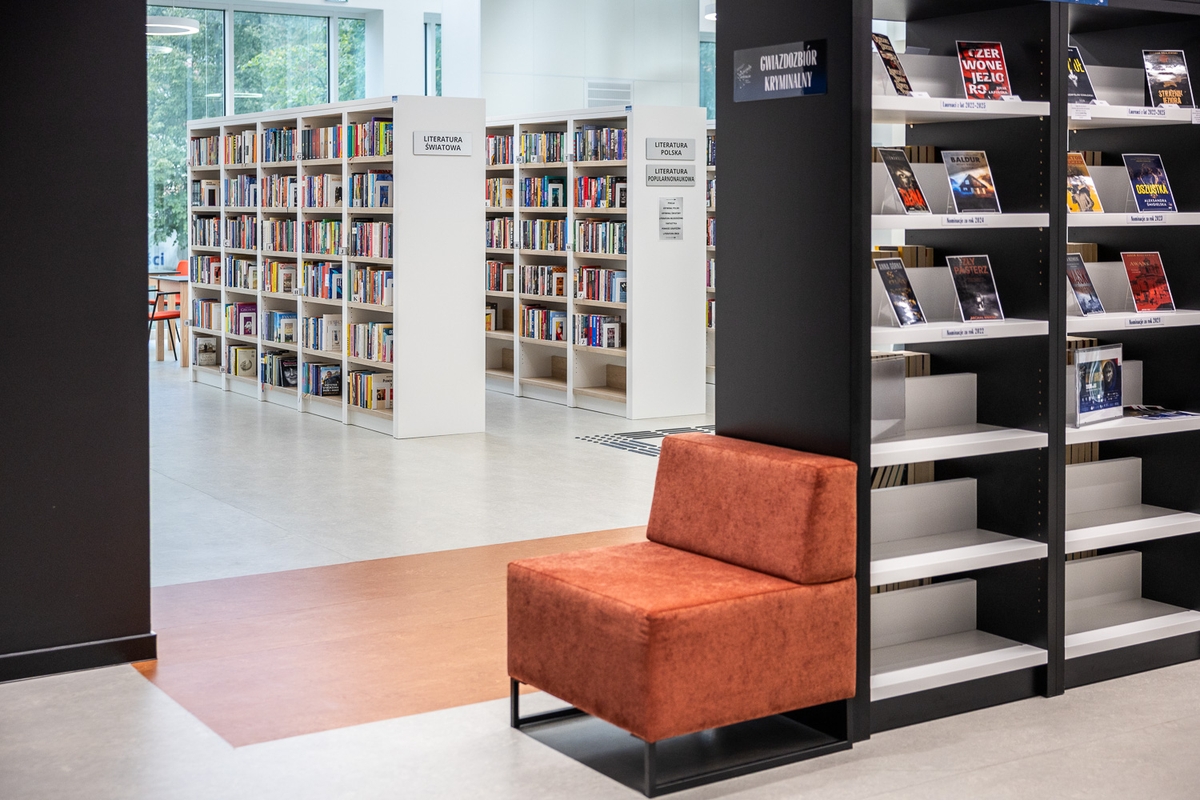
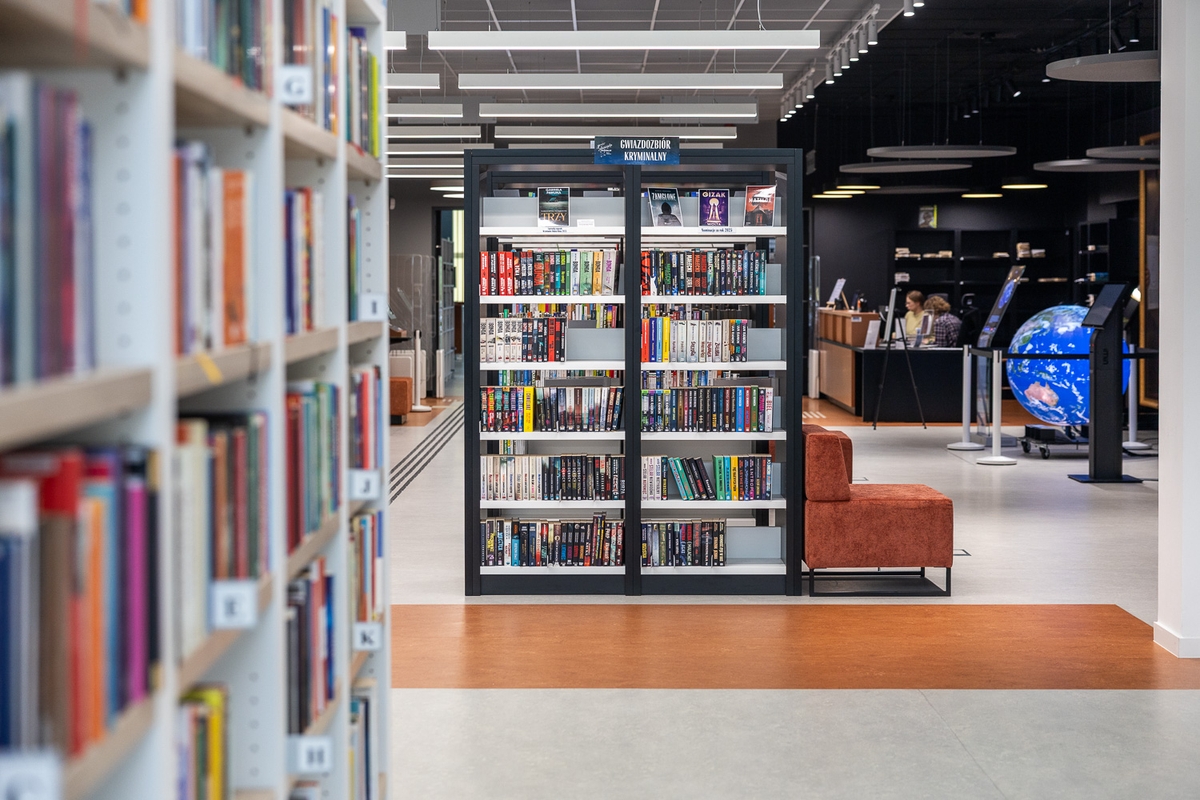
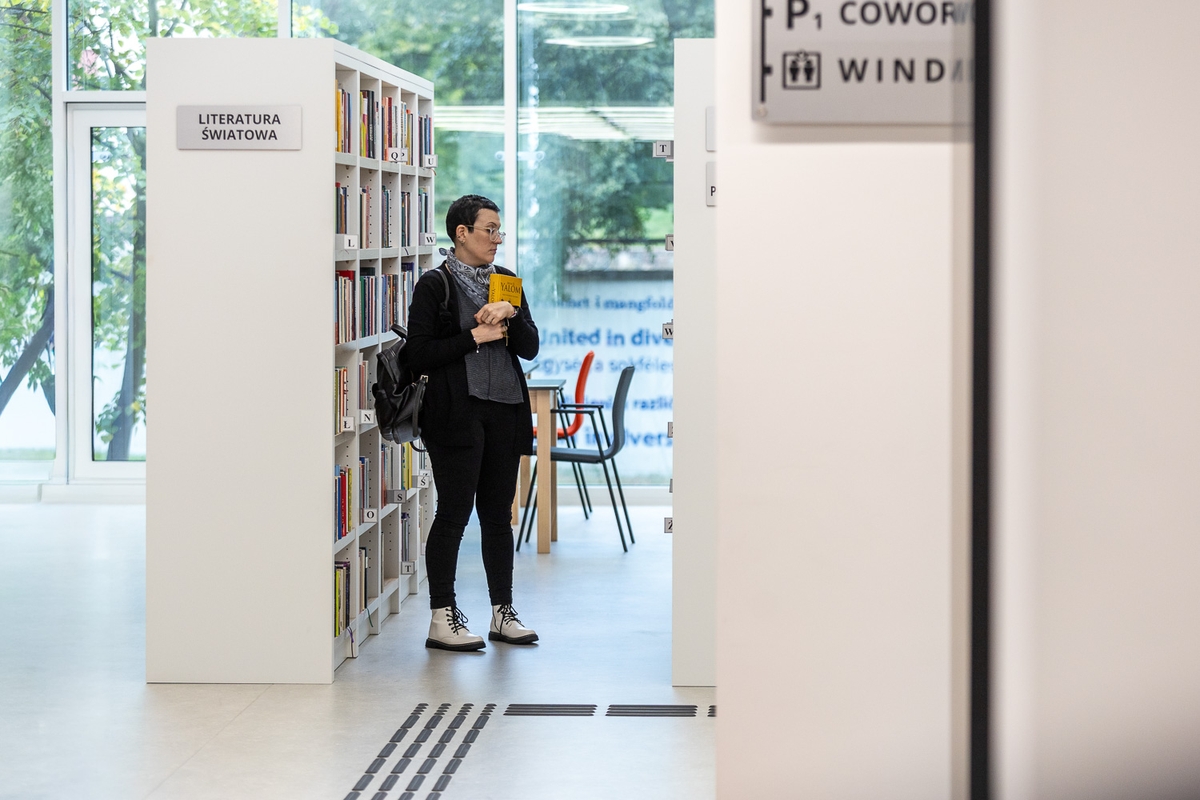
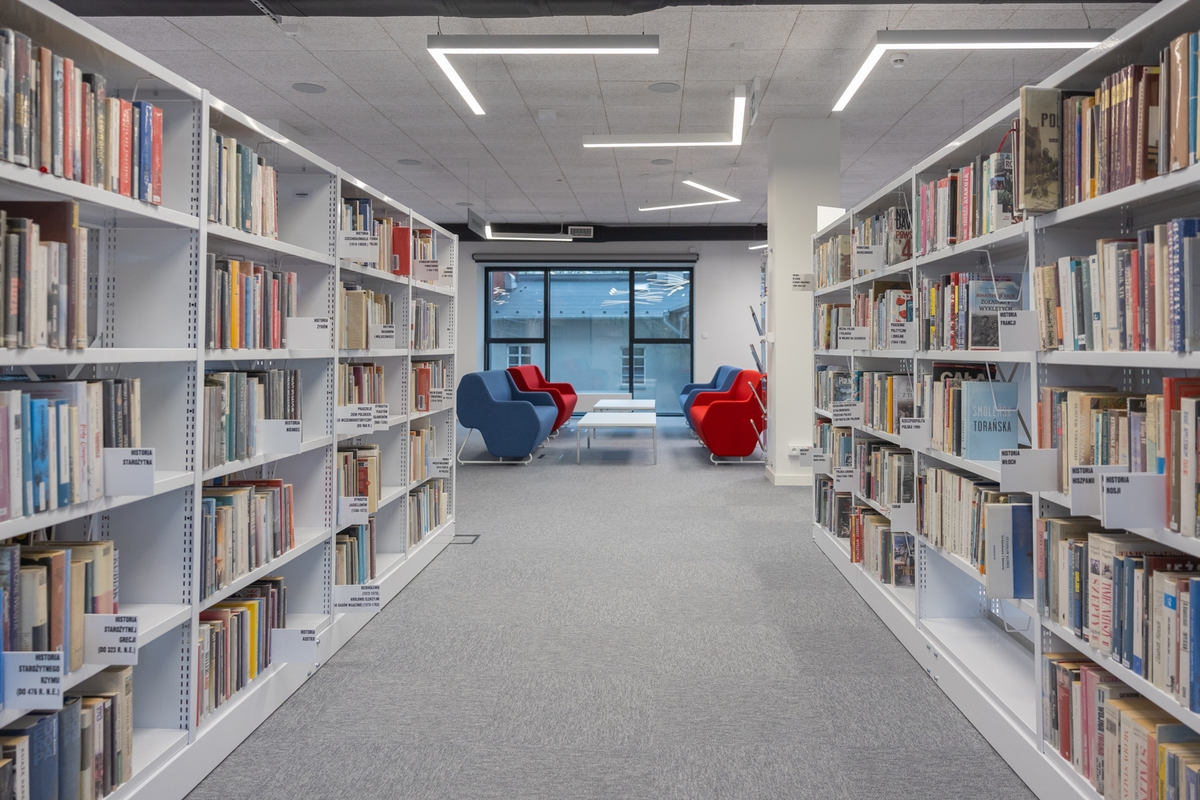
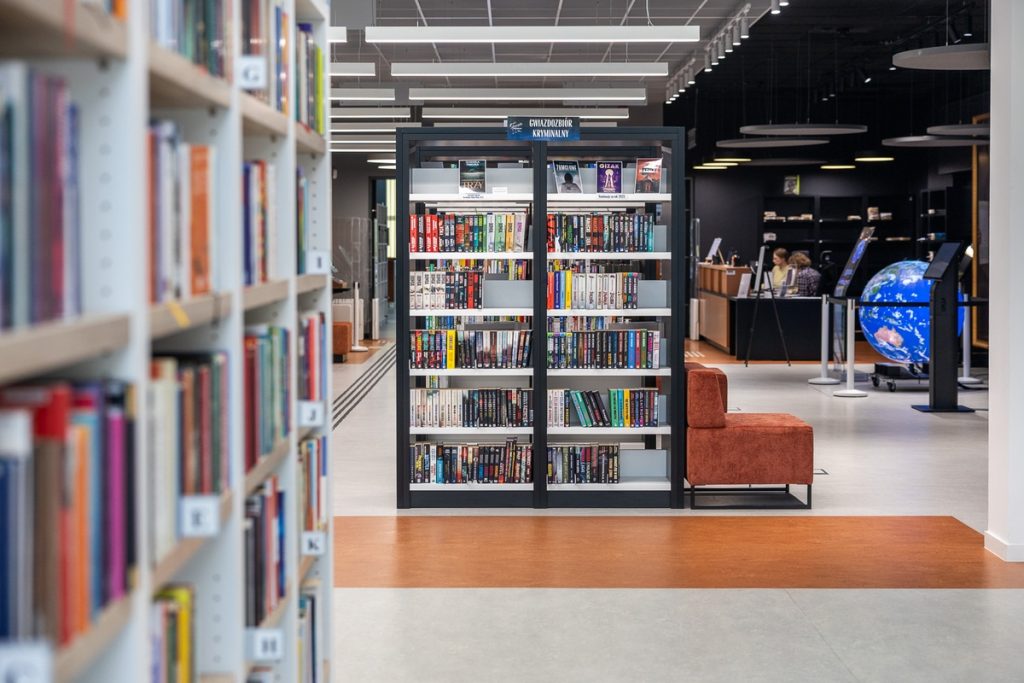
Following its extension and modernisation, the Copernicus Library has become a favourite destination for large numbers of literature and multimedia enthusiasts. Spread over four floors with a mezzanine, the new wing of the main complex offers 1,000 square metres of usable floor space and a total building volume of 8,000 cubic metres. Floor-to-ceiling glazing allows plenty of natural light into the interiors, while light colours and comfortable sofas create a welcoming atmosphere where visitors can sit and enjoy unrestricted access to the book collections. The technologies employed, including double-glazed glass façades, make the building resistant to both high and low temperatures. Construction, furnishing and completion of the digitisation of the collections cost nearly PLN 40 million.
We had already developed a concept for extending the Bełza Library’s existing premises near the Old Market Square in Bydgoszcz at the beginning of last year. The ambitious plans included extensive investment, conservation and restoration work on historic buildings, and a glass-roofed courtyard serving as the main reception area. However, circumstances forced us to change our plans. The buildings belong to the City of Bydgoszcz, which announced that it would soon begin charging us rent.
As a result, an entirely new library complex will be built from the ground up in the Bielawy district, at 4 Marii Skłodowskiej-Curie Street, on the site currently occupied by the Pedagogical Library, which will also be accommodated in the new facility. Intensive preparations for the investment are now underway, including design work. The preliminary architectural and functional concept will be unveiled in the coming months – and we are confident it will be something we can present with pride!
There is also the outstanding issue of the network of branch libraries operated by both institutions in Bydgoszcz and Toruń. These branches are maintained under agreements concluded with the local governments of the two cities in the previous century. Under the Polish Libraries Act, responsibility for promoting reading rests with municipalities, which are required, among other things, to provide public library services within their boundaries.
Neither Bydgoszcz nor Toruń operates its own municipal library system. Instead, both cities fulfil their statutory obligations through branches of the regional libraries under the aforementioned agreements. However, their financial contributions towards maintaining these branches are very modest – currently amounting to less than 40 per cent of the costs. This means that the regional budget is effectively financing the statutory responsibilities of two affluent municipalities. Over the past six years, this has cost the regional government PLN 40 million.
This is an exceptional situation, with no equivalent arrangement in any other Polish voivodeship. Everywhere else, local governments cover 100 per cent of the costs associated with these responsibilities.
The issue attracted public attention in the middle of the year when the Bydgoszcz municipal government, seeking to reduce its expenditure, proposed closing two branches of the Bełza Library operating in poor conditions. Consequently, the regional government initiated the procedure for introducing the necessary amendments to the library’s statutes.
The matter remains unresolved, and negotiations are ongoing. However, it is clear that the financial contributions of both Bydgoszcz and Toruń towards operating the branch libraries – which effectively perform a public service on behalf of the cities in the absence of their own municipal libraries – must be brought into line with the actual costs.
Beata Krzemińska
Spokesperson for the Marshal’s Office
20 October 2026