
“Visiting Our Olender Neighbours” – join us for a festival in Wielka Nieszawka
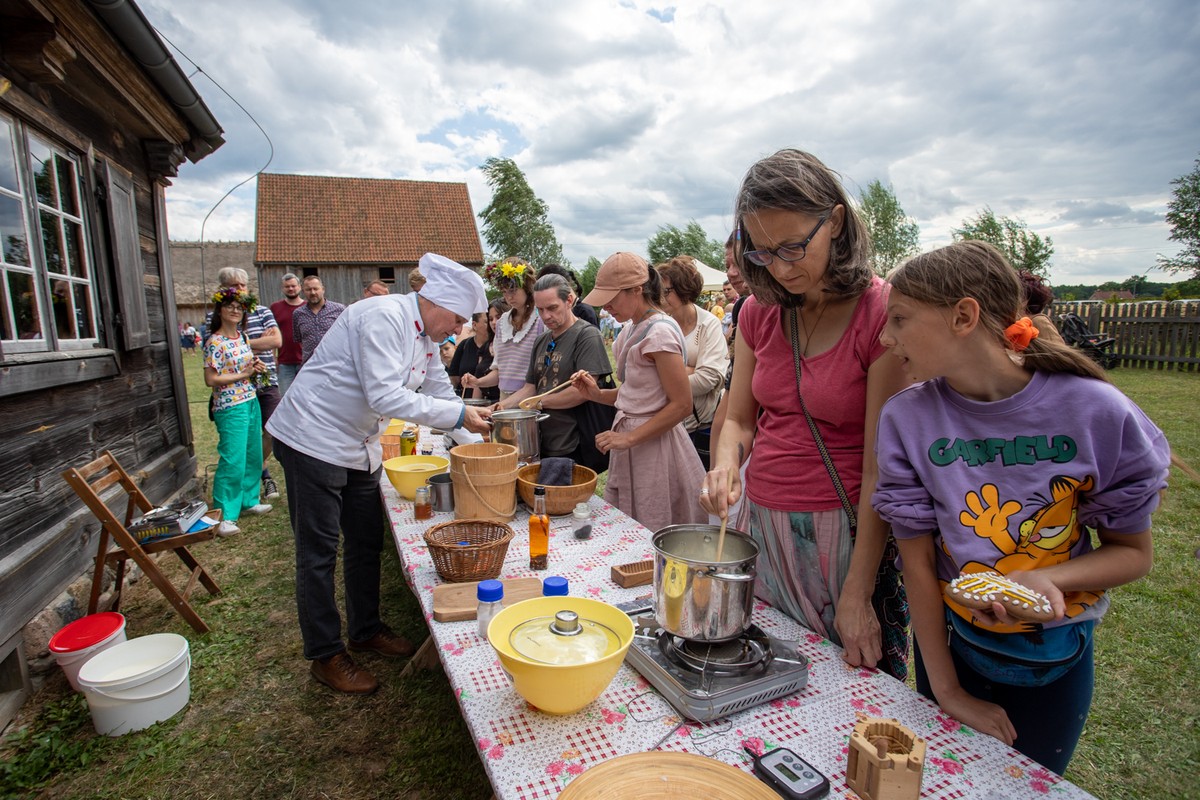
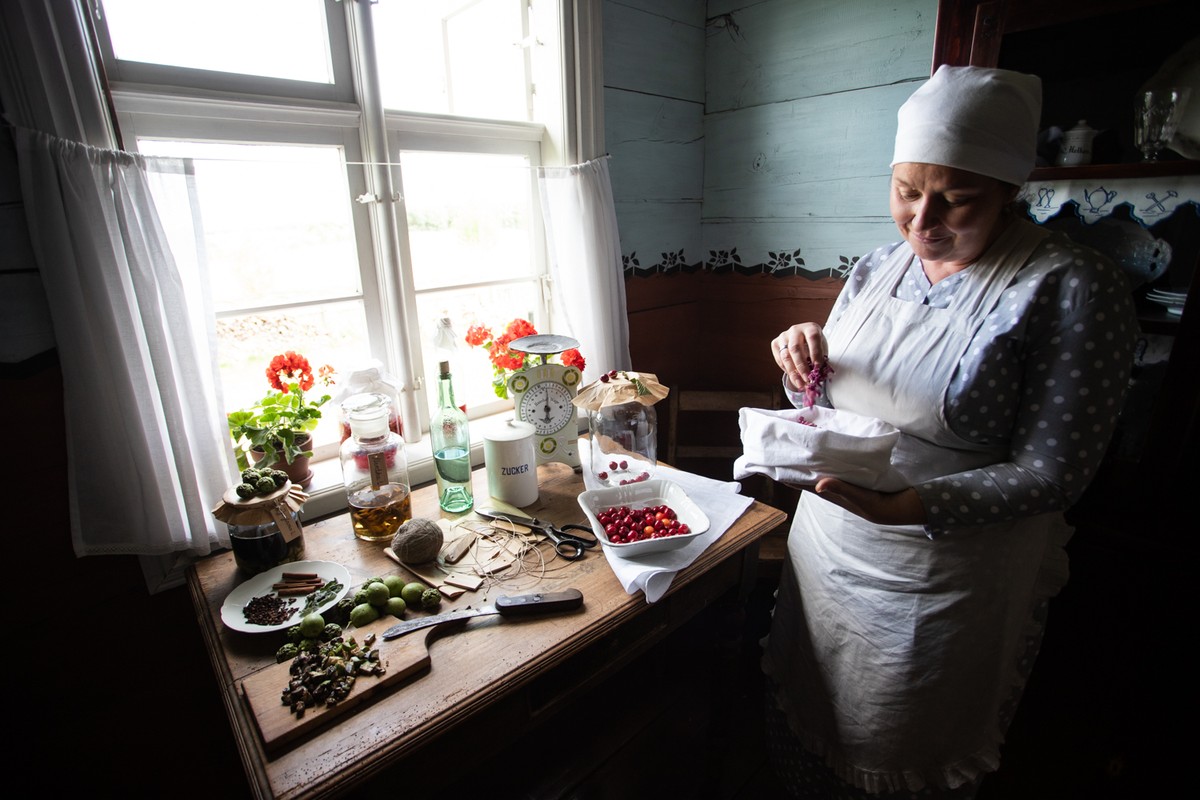
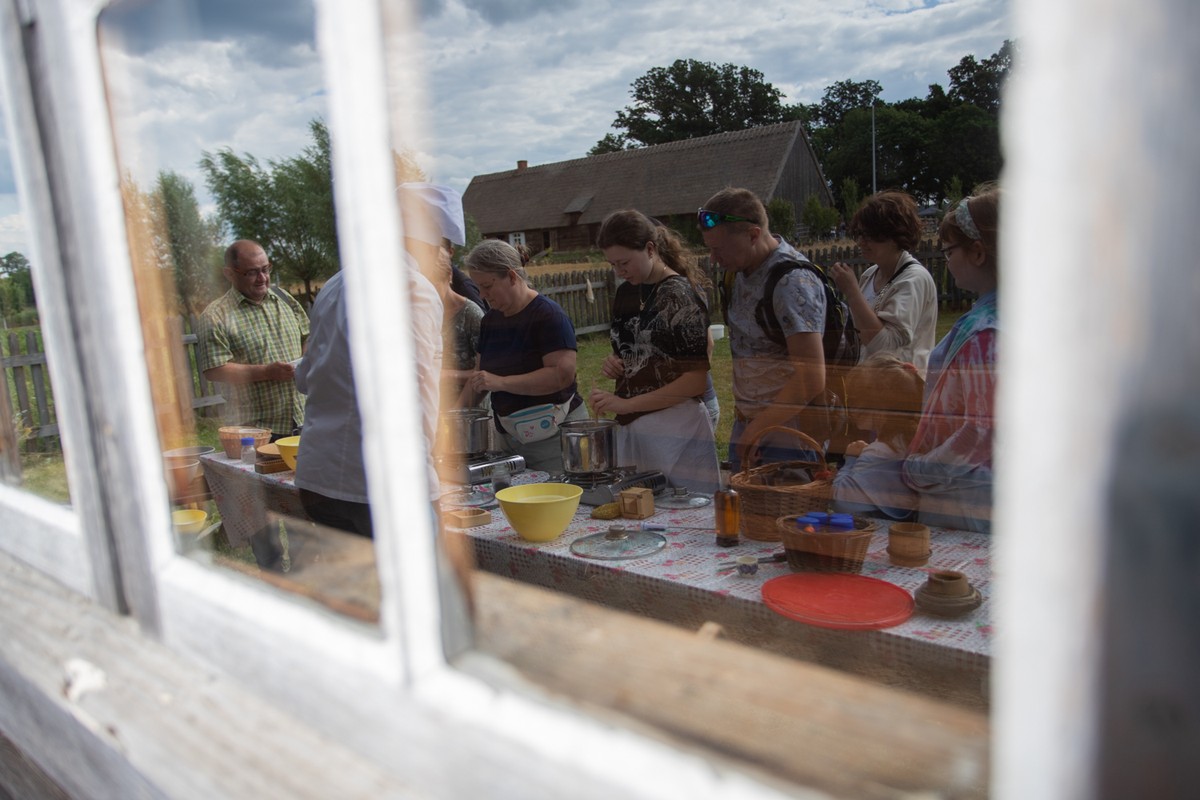
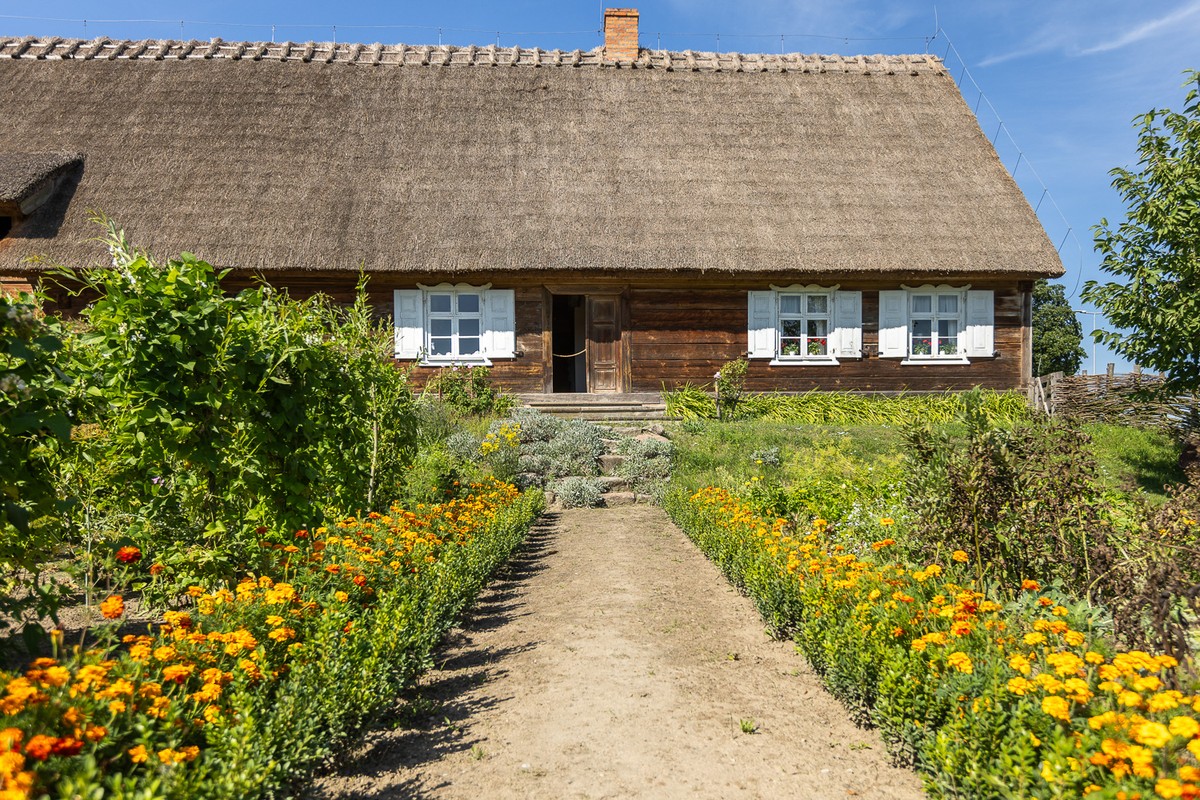
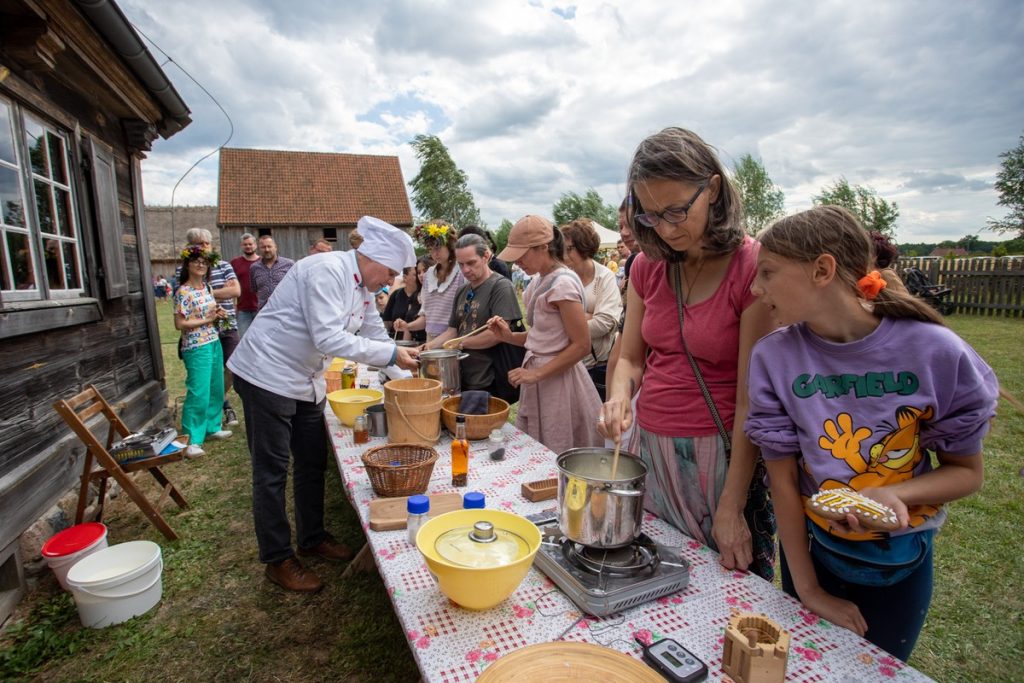
The Olender Ethnographic Park, run by the regional government, is an ideal place to travel back in time, disconnect from modern technology and, through hands-on activities, discover what everyday life was like for the Olender settlers who lived in our region as recently as a hundred years ago. The outdoor event “Visiting Our Olender Neighbours”, featuring handicraft workshops, tastings of traditional dishes and demonstrations of old crafts, will take place this coming Sunday (6 September).
– The cultural park in Wielka Nieszawka is a place of education, inspiration and encounters, attracting tourists from Poland and abroad. It is a place where we recall the history of the Mennonites, so important to our region – settlers along the Vistula who shaped the cultural landscape of the river valley for centuries. I encourage everyone to discover this history, says Marshal Piotr Całbecki.
At the open-air museum, visitors will be able to take part in potato harvesting, weave wicker fences, make ropes and try their hand at milking a cow. Carriage rides and horse riding will also be available. Sunday’s event will also provide an opportunity to visit Mennonite houses and farmsteads.
Details are available on the museum’s website.
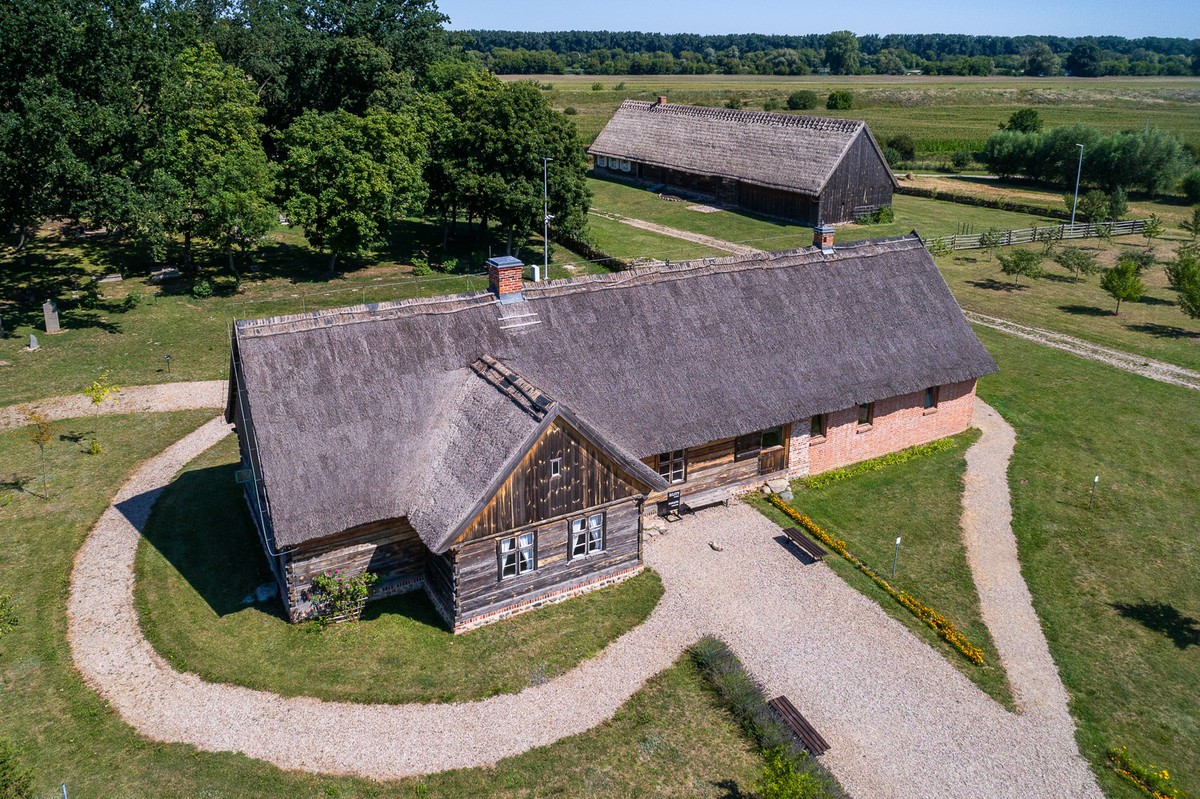
The Olender Ethnographic Park, a branch of the Marshal’s Ethnographic Museum in Toruń, is the first open-air museum in Poland devoted to the Mennonites – Protestants originating from the territory of present-day Netherlands who, from the 16th century onwards, settled in floodplain areas along the Vistula River.
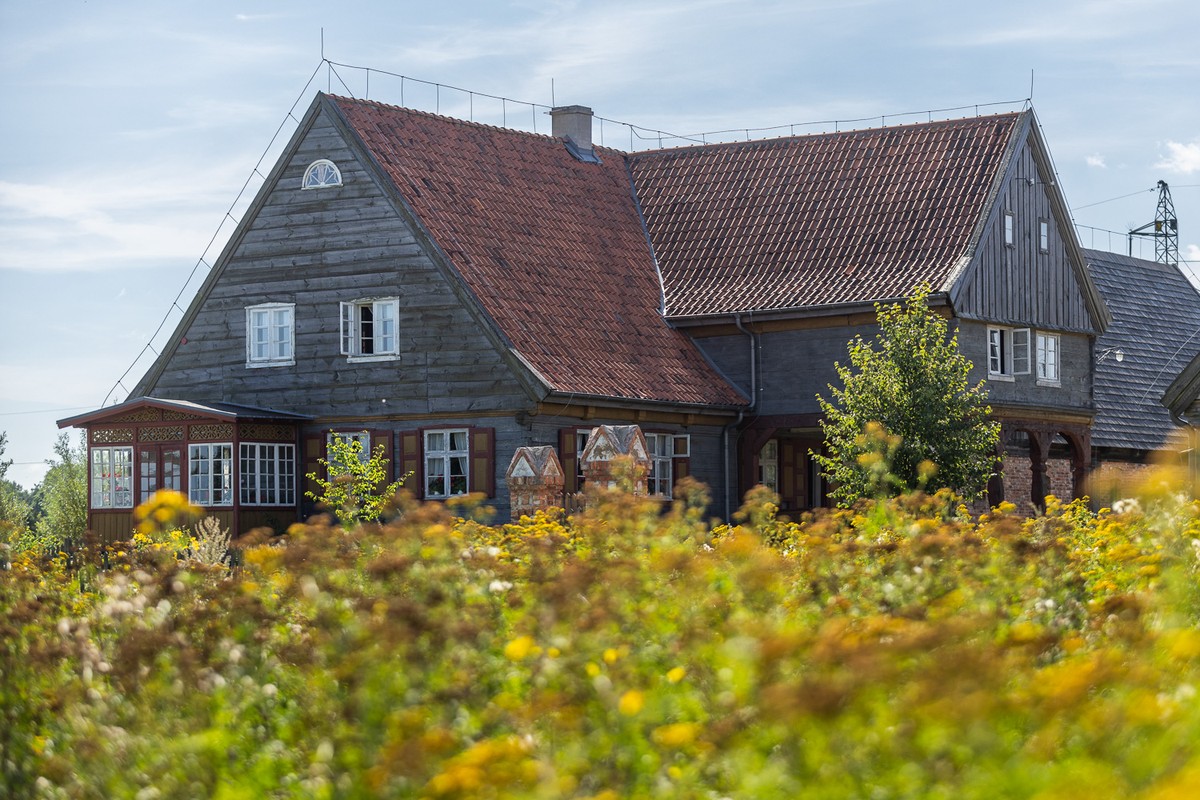
An Olender village consisting of three homesteads has been recreated on an area of 5 hectares. It includes residential and farm buildings dating from the 18th and 19th centuries, relocated from the Lower Vistula Valley. Their interiors faithfully recreate the atmosphere of Olender households. The charm of the site is enhanced by gardens and orchards. Another important element of the exhibition is the original Mennonite cemetery preserved in situ, which remained in use until 1945.
For years, the regional government has consistently supported projects carried out by our Ethnographic Museum. This spring, Marshal Piotr Całbecki, Director of the Ethnographic Museum Hubert Czachowski and Mayor of the Wielka Nieszawka Commune Katarzyna Streich signed a letter of intent concerning the expansion of the Olender park.
The open-air museum has acquired additional land, where a farmstead from Wielki Lubień (Świecie County), neighbouring the existing one, will be reconstructed. The museum will also feature an arcaded house from Stalewo (Elbląg County), which will be transported and reconstructed as the first building in the newly established Żuławy section.
The regional government operates 17 cultural institutions offering a wide range of cultural events and activities:
- Ignacy Jan Paderewski Pomeranian Philharmonic in Bydgoszcz
- Gallery and Centre for Children’s Art in Toruń
- Wozownia Art Gallery in Toruń
- Archaeological Museum in Biskupin
- Professor Maria Znamierowska-Prüfferowa Ethnographic Museum in Toruń
- Museum of the Kujawy and Dobrzyń Region in Włocławek
- Opera Nova in Bydgoszcz
- Chopin Centre in Szafarnia
- Lubostroń Palace
- Wilam Horzyca Theatre in Toruń
- Regional Public Library and Copernican Library in Toruń
- Dr Witold Bełza Regional and Municipal Public Library in Bydgoszcz
- Regional Centre for Cultural Animation in Toruń
- Kujawsko-Pomorskie Cultural Centre in Bydgoszcz
- Kujawsko-Pomorskie Music Theatre in Toruń
- Kujawsko-Pomorskie Heritage Centre in Toruń
- Kujawsko-Pomorskie Centre for Education and Innovation in Toruń
Beata Krzemińska
Spokesperson for the Marshal’s Office
4 September 2026