
Two Days of Important Discussions in Brussels: Marshal Piotr Całbecki Leads the European Debate on the Future of Agriculture
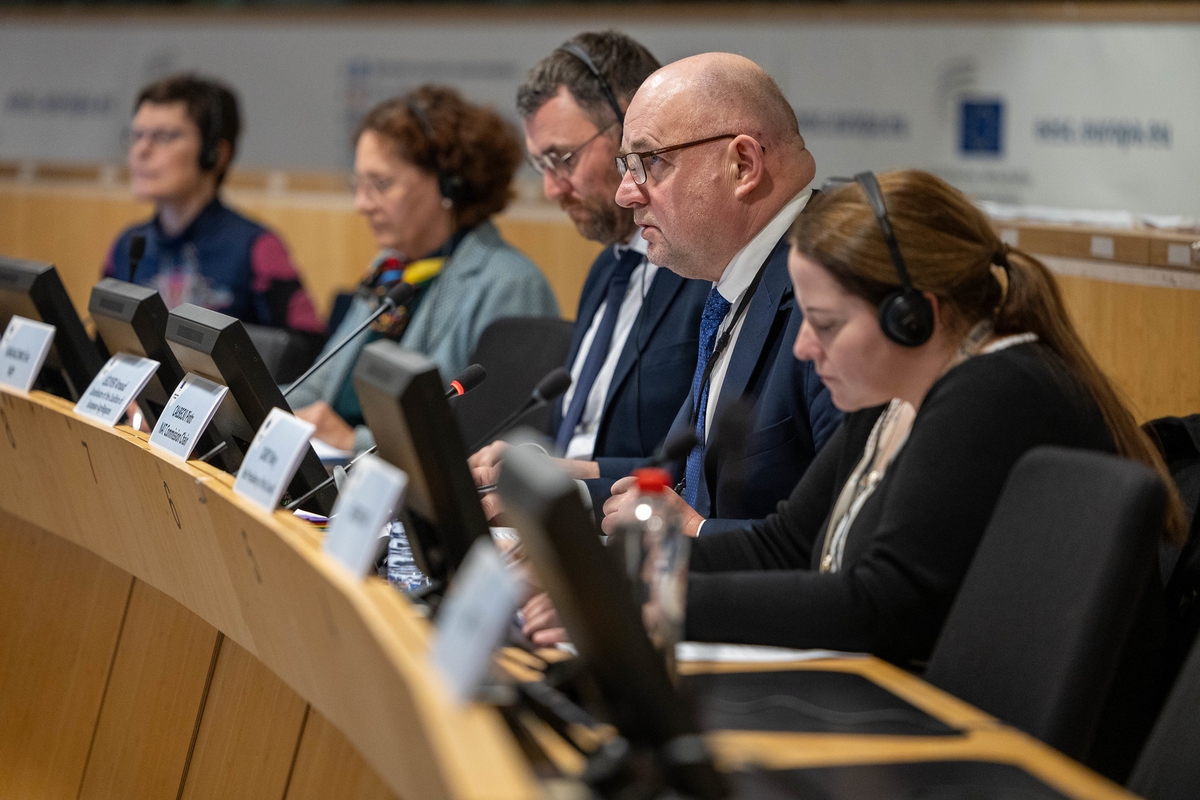
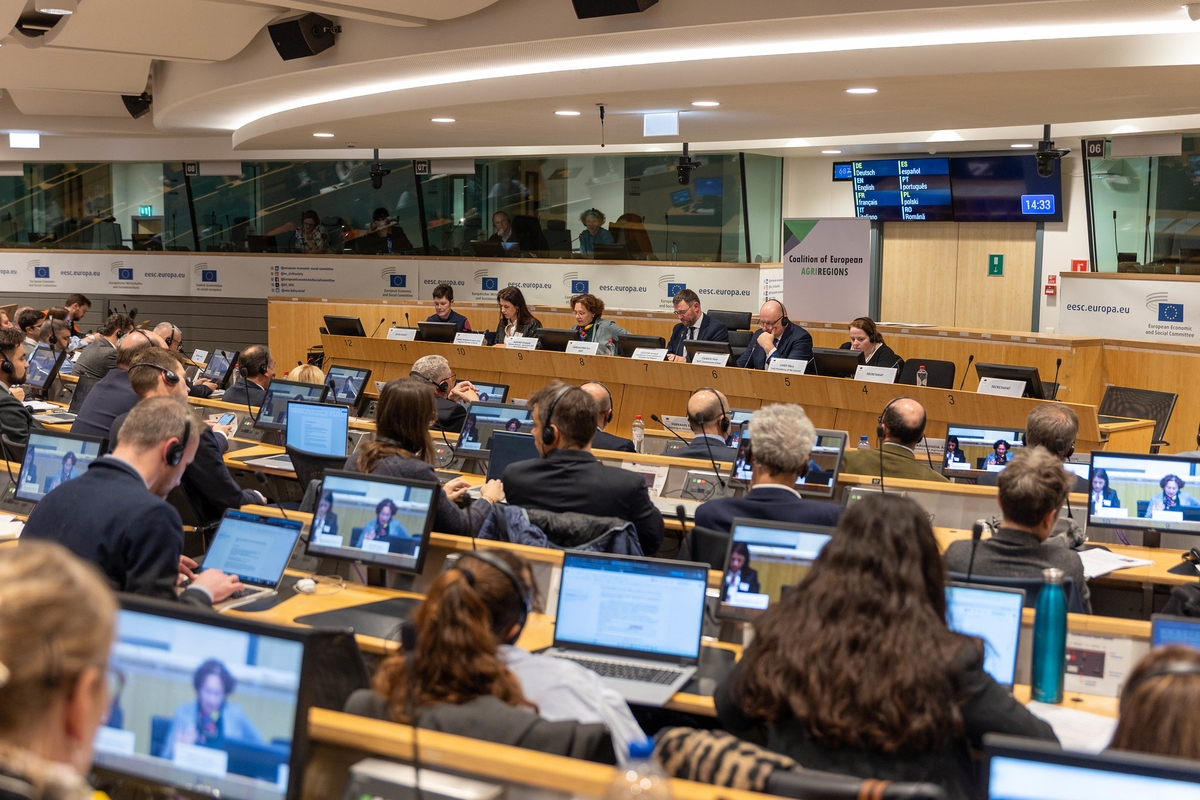
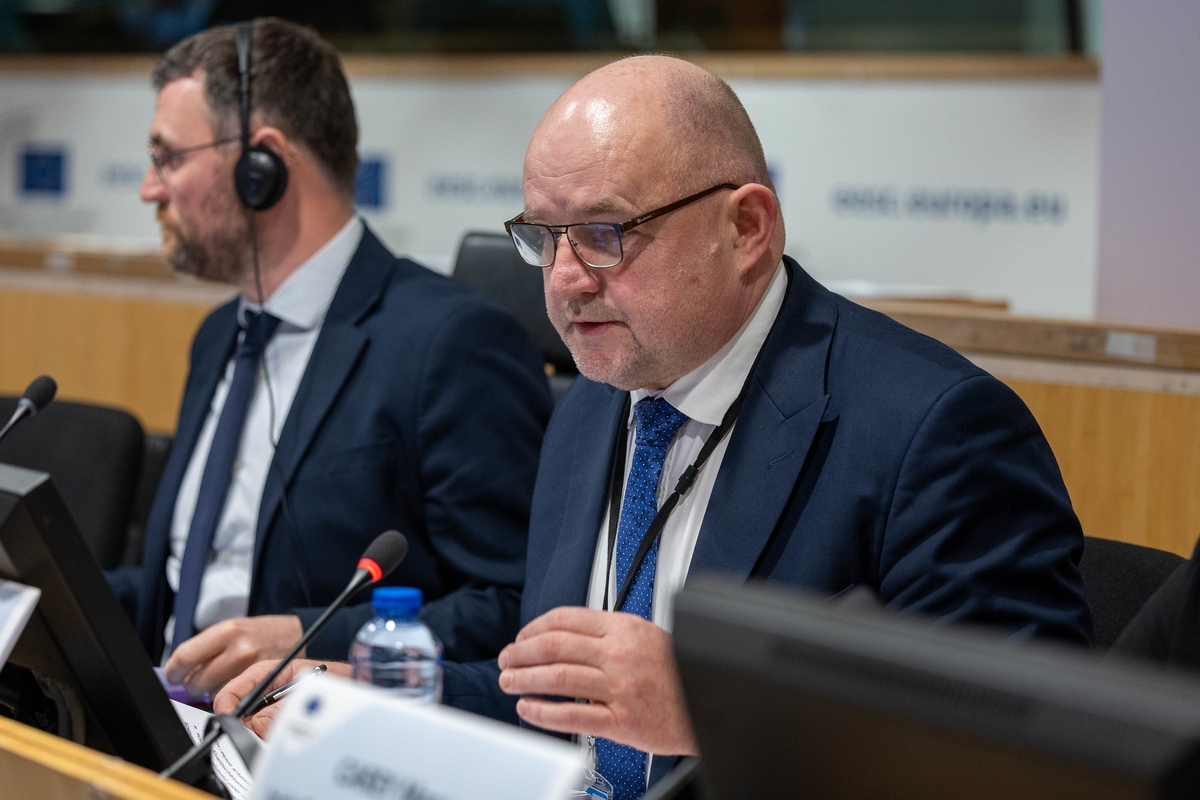
The future of the European Union’s Common Agricultural Policy (CAP) and the role of regions in shaping it, as well as the continent’s food security, are the main themes of Marshal Piotr Całbecki’s current two-day programme in Brussels. Yesterday, he chaired a high-level dialogue on the future of the CAP after 2027, attended by representatives of major European institutions and regions. Today, he is presiding over a meeting of the Commission for Natural Resources (NAT) of the European Committee of the Regions.
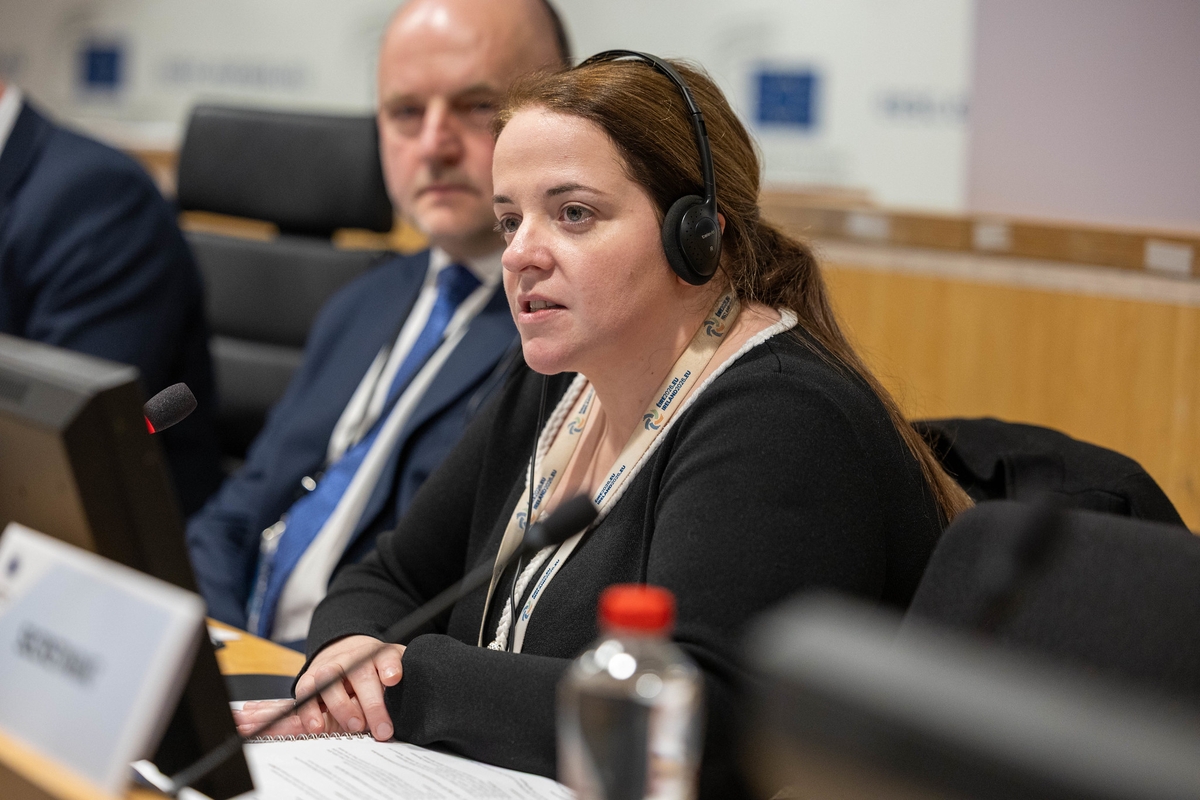
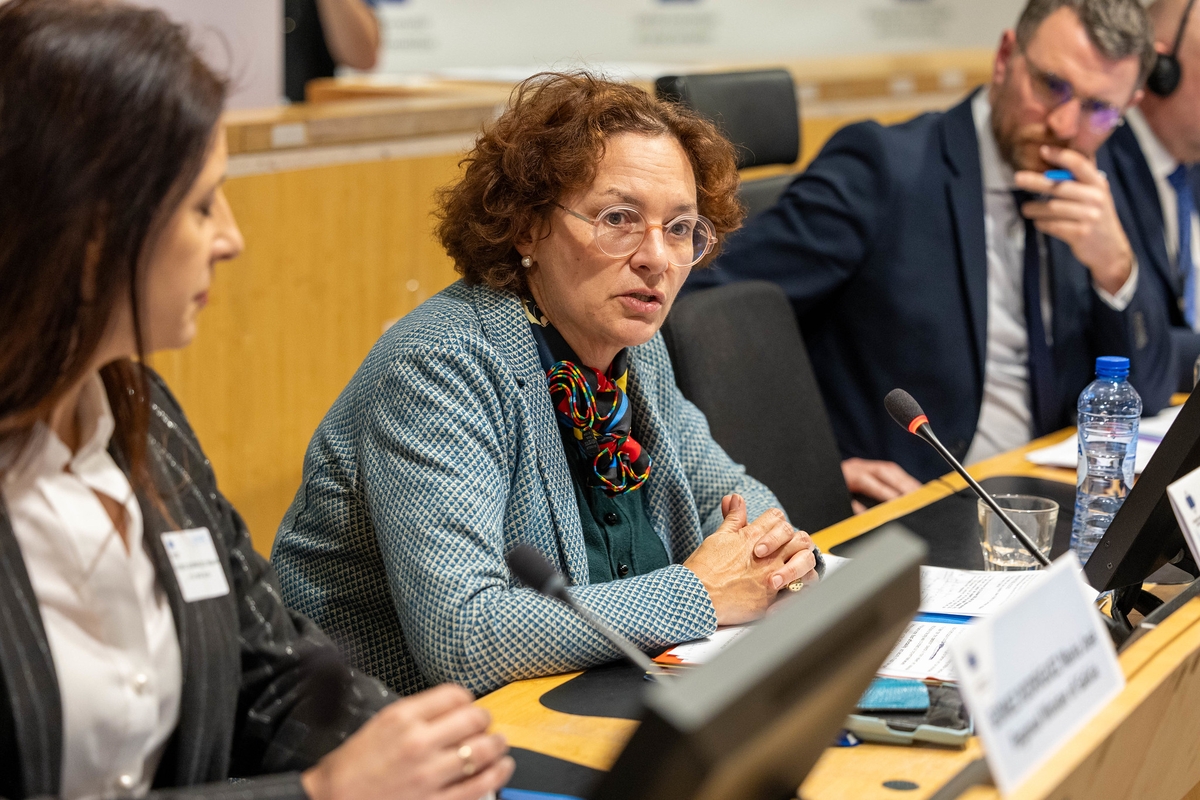
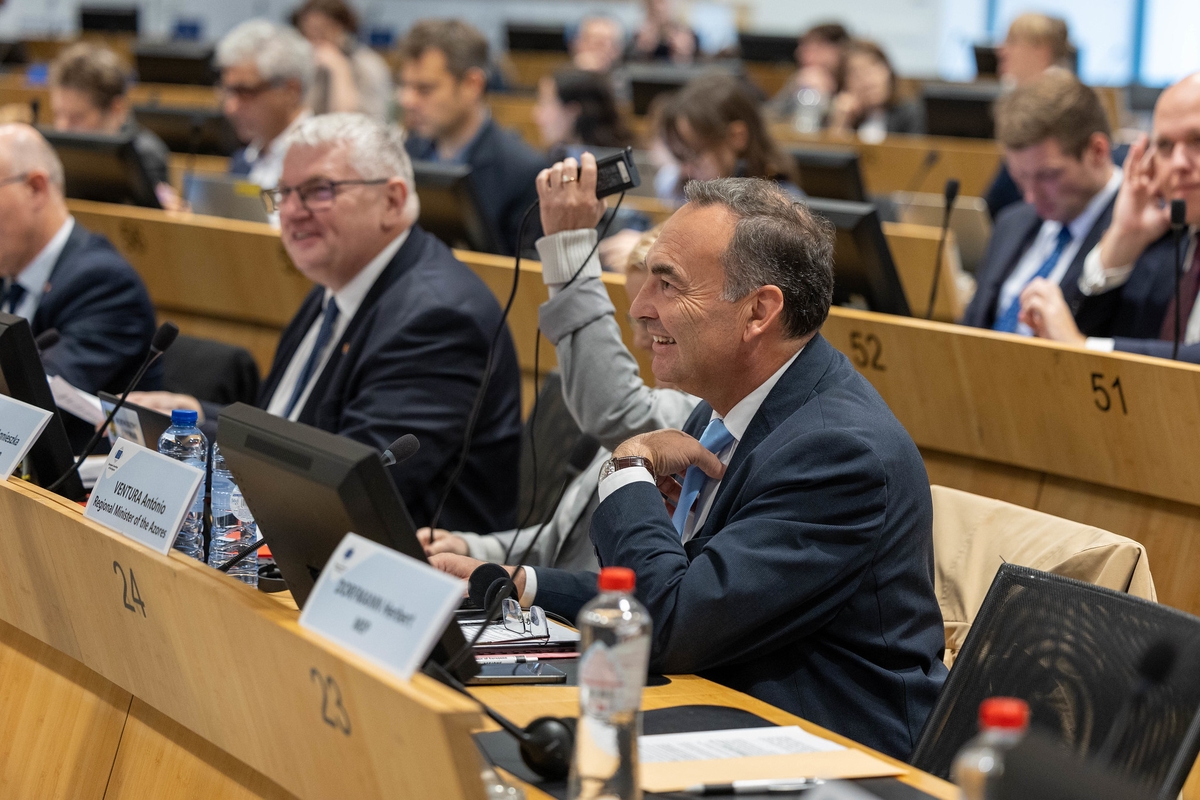
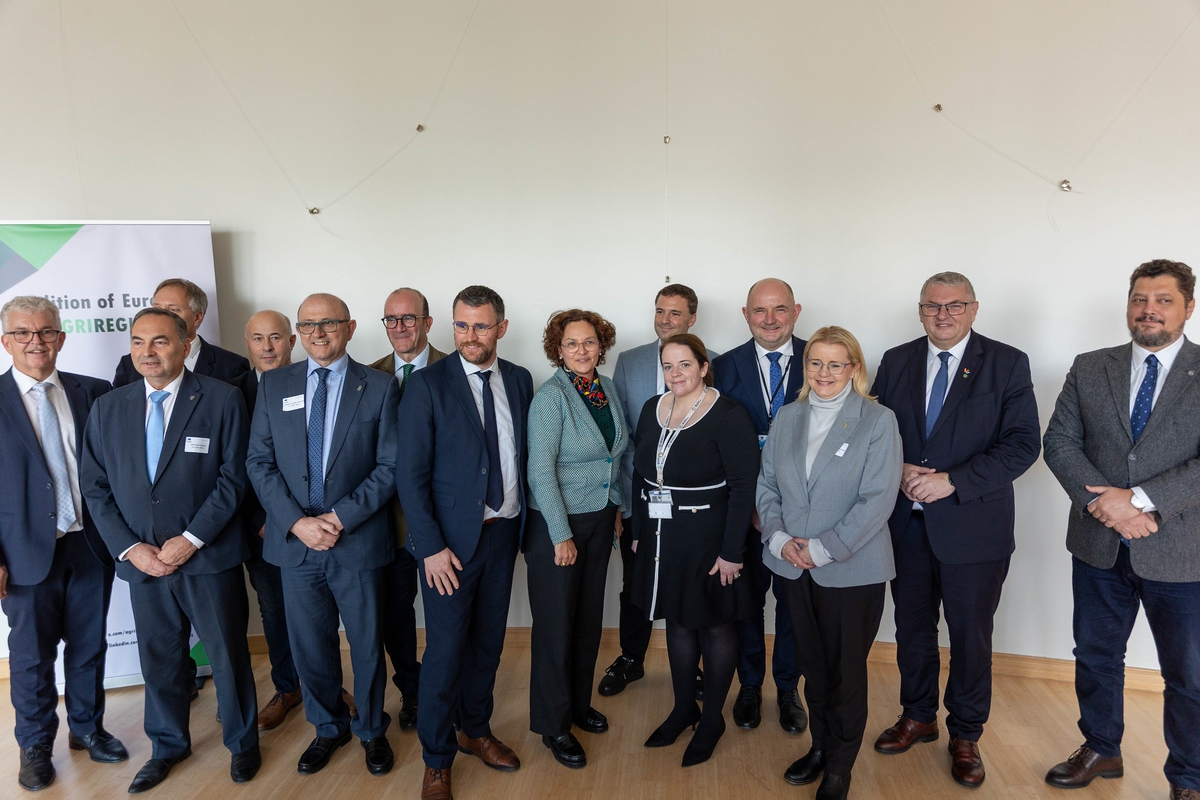
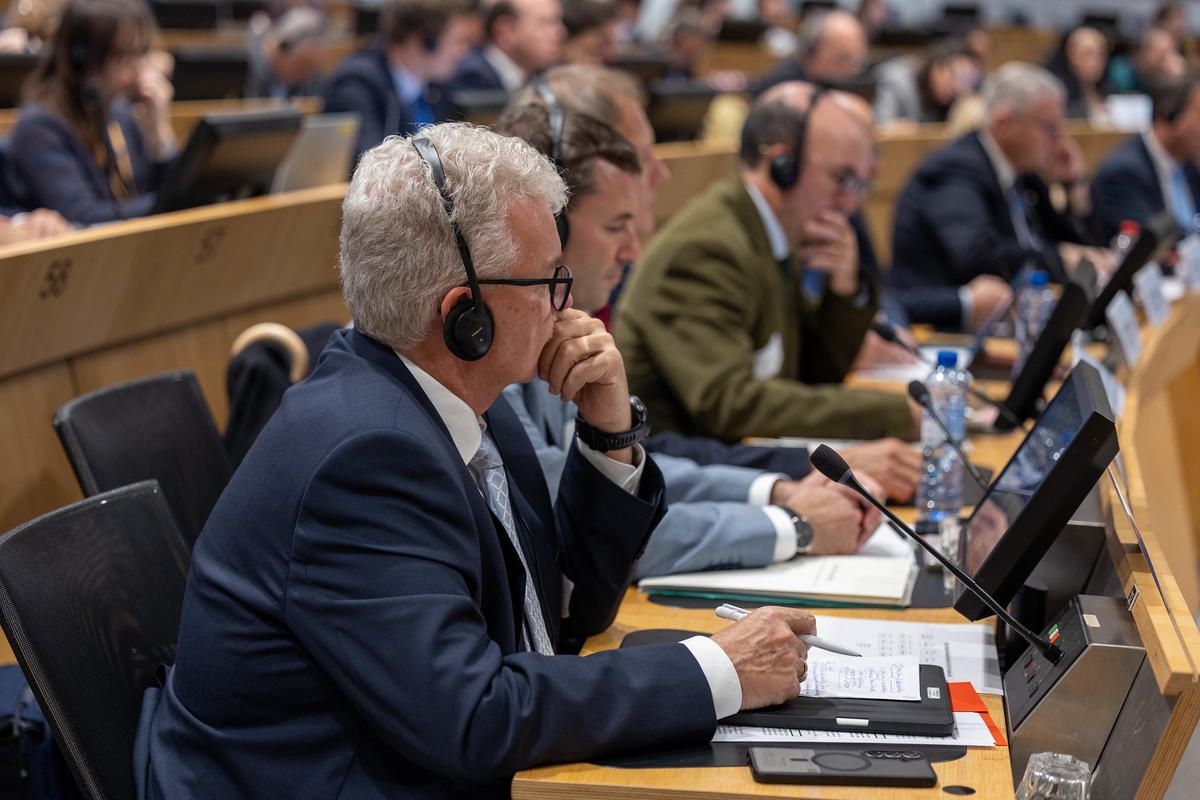
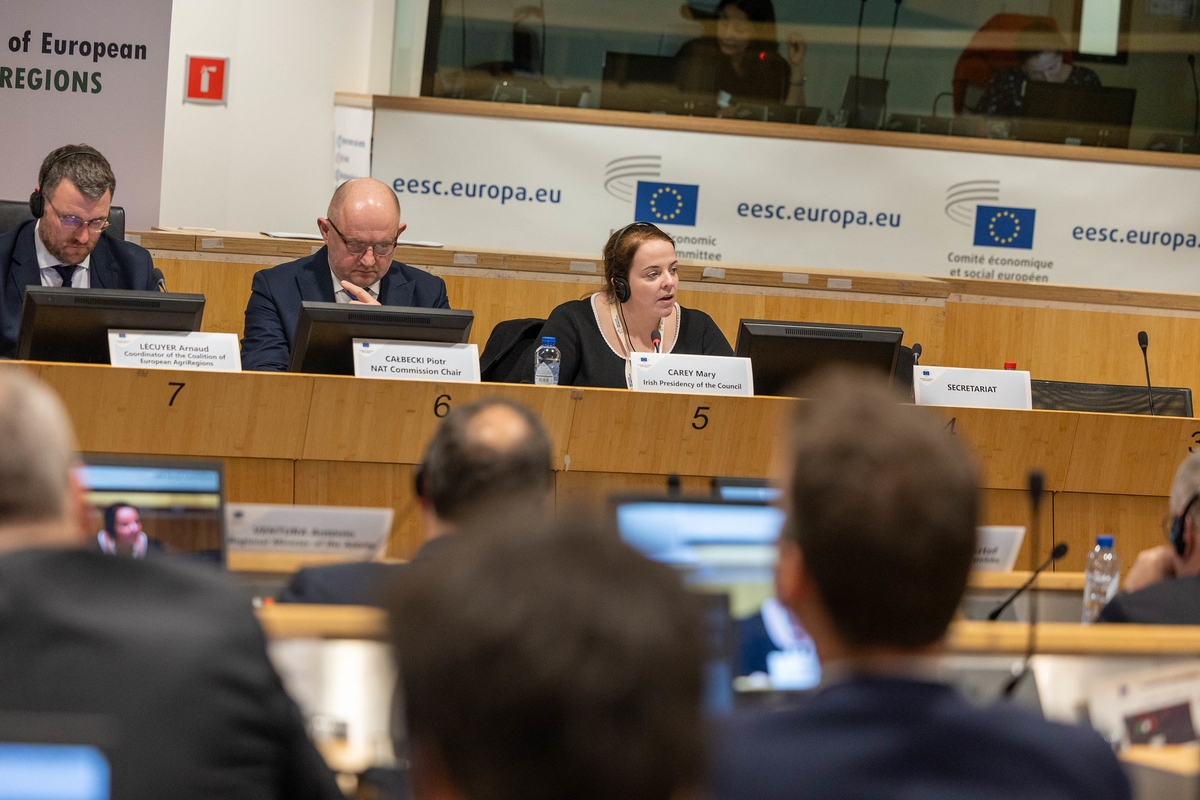
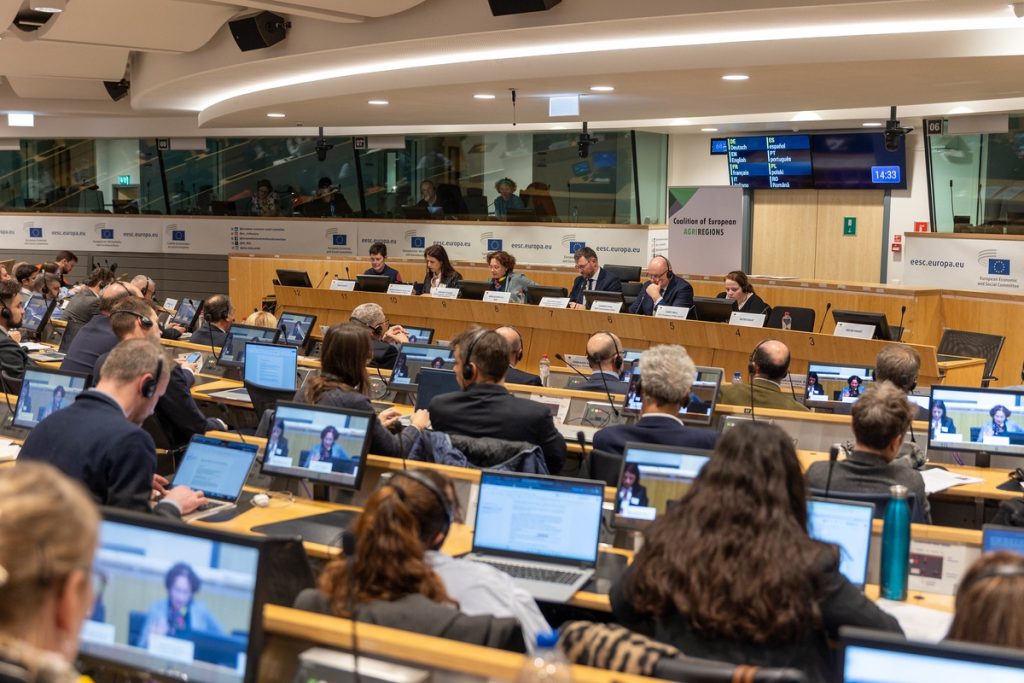
Brussels is currently the setting for intensive discussions about the future of European agriculture. On Tuesday (17 November), the Committee of the Regions hosted a high-level dialogue dedicated to the future of the CAP. The event was organised in cooperation with the Coalition of European AgriRegions. The debate brought together representatives of the European Parliament, the European Commission, the Council of the European Union, and regional authorities from EU Member States. Speakers included Mary Carey, representing the Irish Presidency of the Council of the European Union, and Elisabeth Werner, Director-General for Agriculture and Rural Development (DG AGRI) at the European Commission. Members of the European Parliament involved in work on the future CAP also took part, alongside regional representatives from Poland, Germany, France, Spain, Italy and Portugal.
A Common Policy, Strong Regions
The discussion took place at a particularly important moment in negotiations concerning the future European Union budget and the shape of the CAP after 2027. Marshal Piotr Całbecki stressed that the CAP must retain its truly European character and that greater flexibility must not lead to the renationalisation or fragmentation of agricultural policy.
“The decisions taken in the coming months will shape the situation of farmers and rural communities for many years to come. Our position is clear: the Common Agricultural Policy must remain a common European policy while at the same time recognising the diversity of our territories and the crucial role of regional authorities.”
One of the key demands put forward during the meeting was to ensure that regions have a formal and meaningful role in the design, implementation, monitoring and evaluation of the future CAP. Regions possess in-depth knowledge of local farms, agricultural production structures, environmental conditions and the needs of rural communities. Their involvement should therefore be one of the foundations of effective governance within European agricultural policy.
“A stronger role for regions is not an obstacle to a common CAP. It is one of the conditions for its effective functioning,” Marshal Piotr Całbecki emphasised during the debate.
Fair Support and an Adequate Budget
An important part of the discussion focused on the fair allocation of European funding. Marshal Piotr Całbecki advocated stronger support for those who are genuinely engaged in agricultural activity, particularly young farmers, small and medium-sized family farms, and farms operating in areas with natural constraints.
He pointed to the need for mandatory redistributive payments for the first 30 hectares of agricultural land and for a properly defined concept of an active farmer. He also expressed concern about the weakening of mechanisms for payment degressivity and payment caps included in the Irish Presidency’s negotiating proposal.
Another key topic was the level of funding for the future CAP. The Irish Presidency’s proposal maintains an allocation of €293.7 billion, while reducing the proposed agricultural crisis reserve and funding for agriculture within the European Competitiveness Fund.
“How can we expect farmers to become more resilient and competitive when we are reducing the resources available for their support? In the face of growing climate threats, market instability and geopolitical uncertainty, we need adequate and predictable European funding,” Marshal Piotr Całbecki noted.
He also raised the issue of financing agri-environmental and climate measures, arguing that the European Union’s environmental ambitions should not depend on the financial capacities of individual Member States or regions.
Marshal as Rapporteur for the European Opinion on the Future of the CAP
Yesterday’s debate marks another stage in Marshal Piotr Całbecki’s involvement in shaping the future of the European Common Agricultural Policy. For many years, the head of the Kujawsko-Pomorskie Region has represented the interests of regional governments within the European Committee of the Regions. He currently chairs the Committee’s Commission for Natural Resources (NAT), which is responsible for building consensus on issues relating to agriculture, food security, rural development, fisheries and forestry.
Particularly significant is the opinion on the future CAP for 2028-2034, prepared under his leadership and unanimously adopted by the Committee of the Regions in July. The document represents the position of Europe’s regional and local authorities regarding the planned reform of this area of EU policy and contains proposals concerning preserving the common European character of the CAP, strengthening the role of regions, ensuring a fair distribution of support and recognising the economic, social and environmental dimensions of agriculture.
Marshal Piotr Całbecki has also contributed to the preparation of European Committee of the Regions positions on food security, resilient food systems and the future of European agriculture. Throughout his work, he has consistently emphasised the importance of local markets, short supply chains and regional food systems.
NAT Commission Meeting Today
Today’s meeting of the NAT Commission focuses on major issues concerning the future of European agriculture, the economy and the protection of natural resources.
Discussions include challenges facing European livestock farming, the need to increase the competitiveness of the agricultural sector, reducing dependence on imported protein sources, the development of sustainable coastal areas, vaccination policies and combating disinformation and strengthening public trust in preventive healthcare.
The NAT Commission, chaired by the Marshal of the Kujawsko-Pomorskie Region, is one of the European Committee of the Regions’ key working bodies. Its work concerns areas that directly affect regional economic development, quality of life, food security and the protection of natural resources.
The two days of activity undertaken by Marshal Piotr Całbecki in Brussels demonstrate the importance of the participation of Polish regions in the European decision-making process. For the Kujawsko-Pomorskie Region, one of Poland’s most important agricultural regions, this provides an opportunity to present regional experience and interests directly in discussions on the future of European agriculture.
“Our goal is a Common Agricultural Policy that remains genuinely European, distributes support fairly, strengthens active farmers and builds the resilience of European agriculture. We must ensure that Europe’s territorial diversity becomes an asset rather than a limitation,” emphasised Piotr Całbecki.
Regional Office in Brussels
18 November 2026