
Discussions on the Development Strategy in Golub-Dobrzyń County
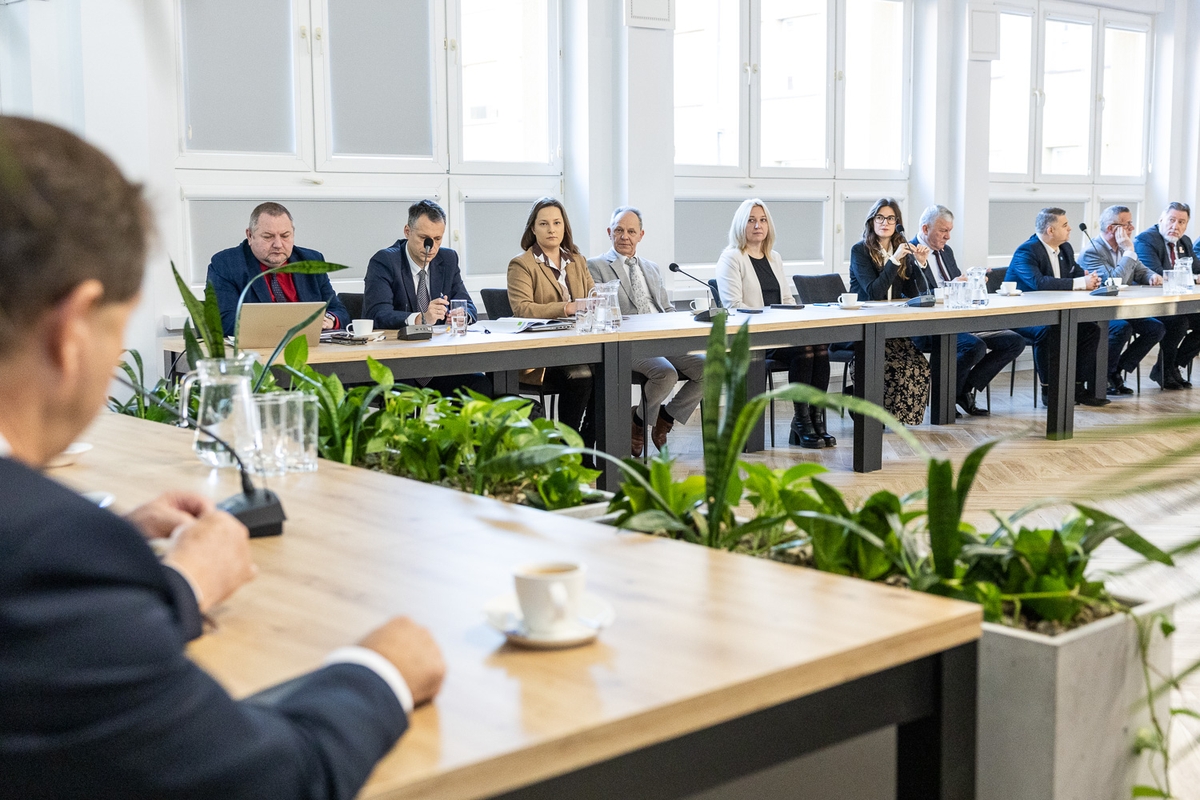
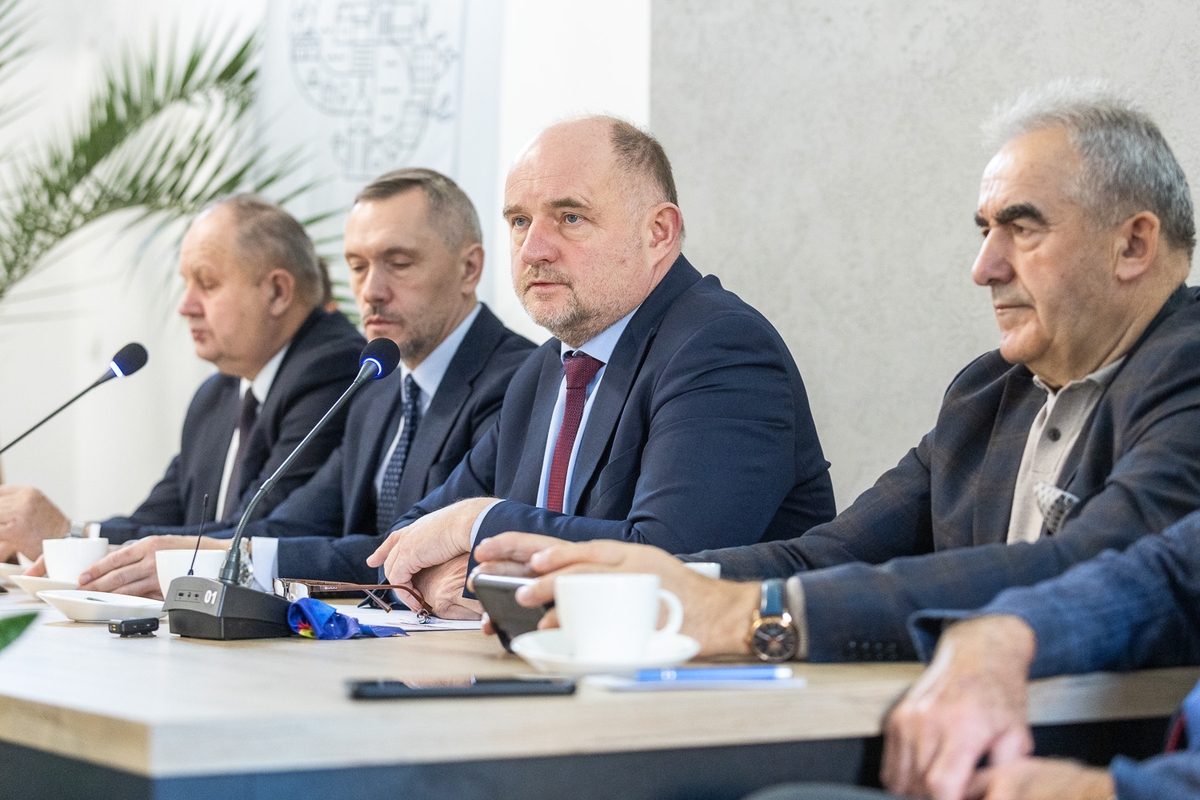
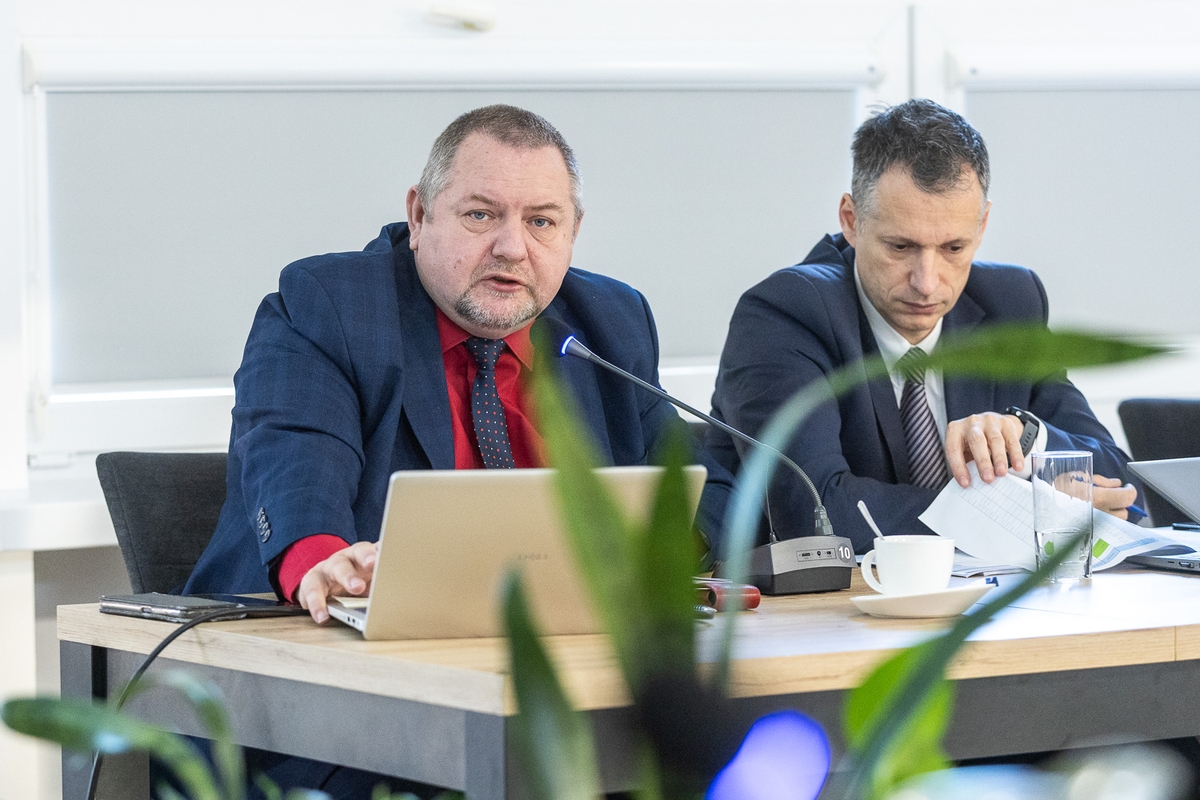
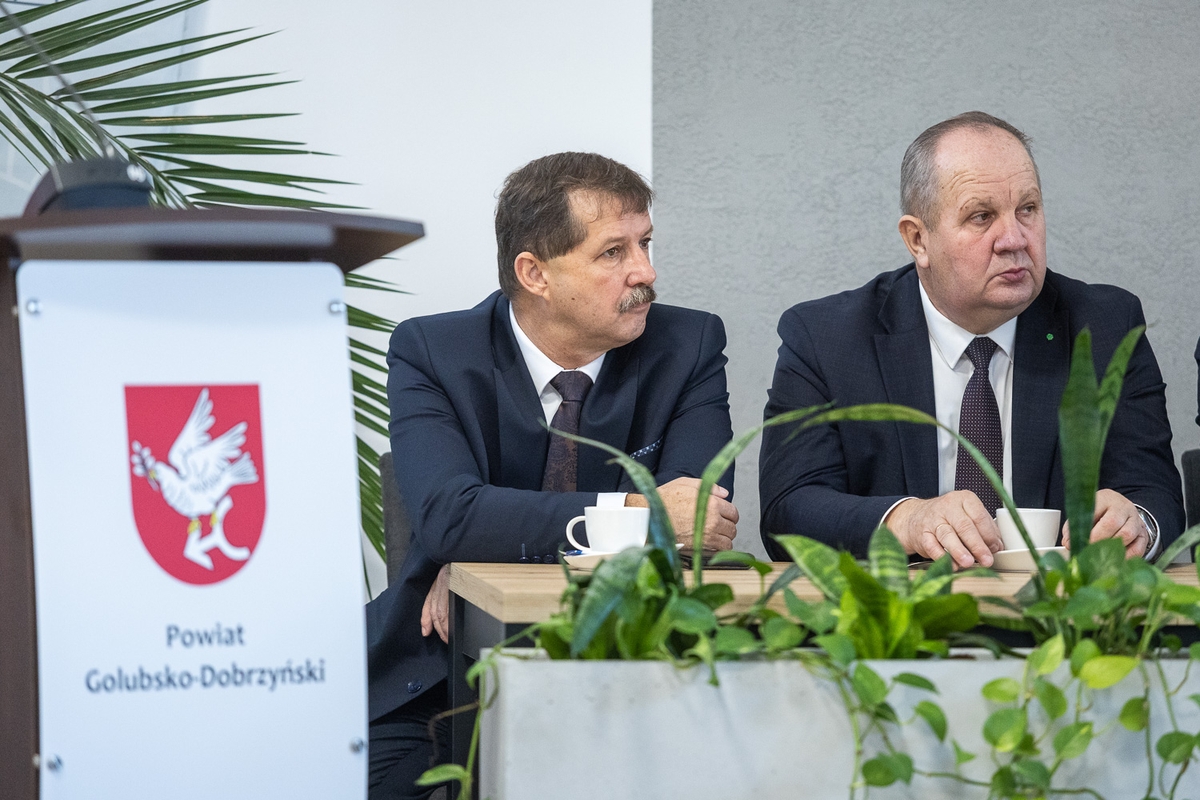
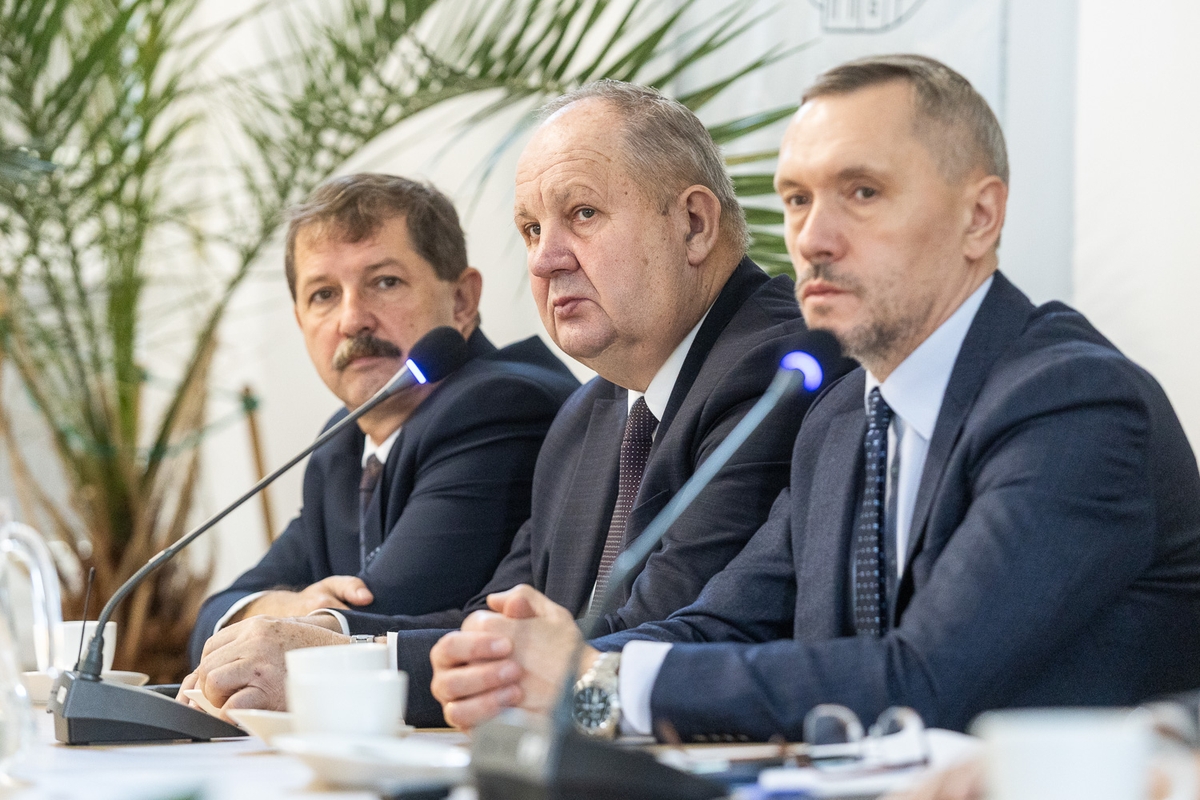
A debate on the local aspects of the Region’s development strategy through 2035 is the main focus of Marshal Piotr Całbecki’s visit to Golub-Dobrzyń County today (13 November). The Marshal’s Office is currently working intensively on revising this key regional planning document, which determines, among other things, how European Union funds are invested.
Golub-Dobrzyń County Focuses on Education and Social Integration
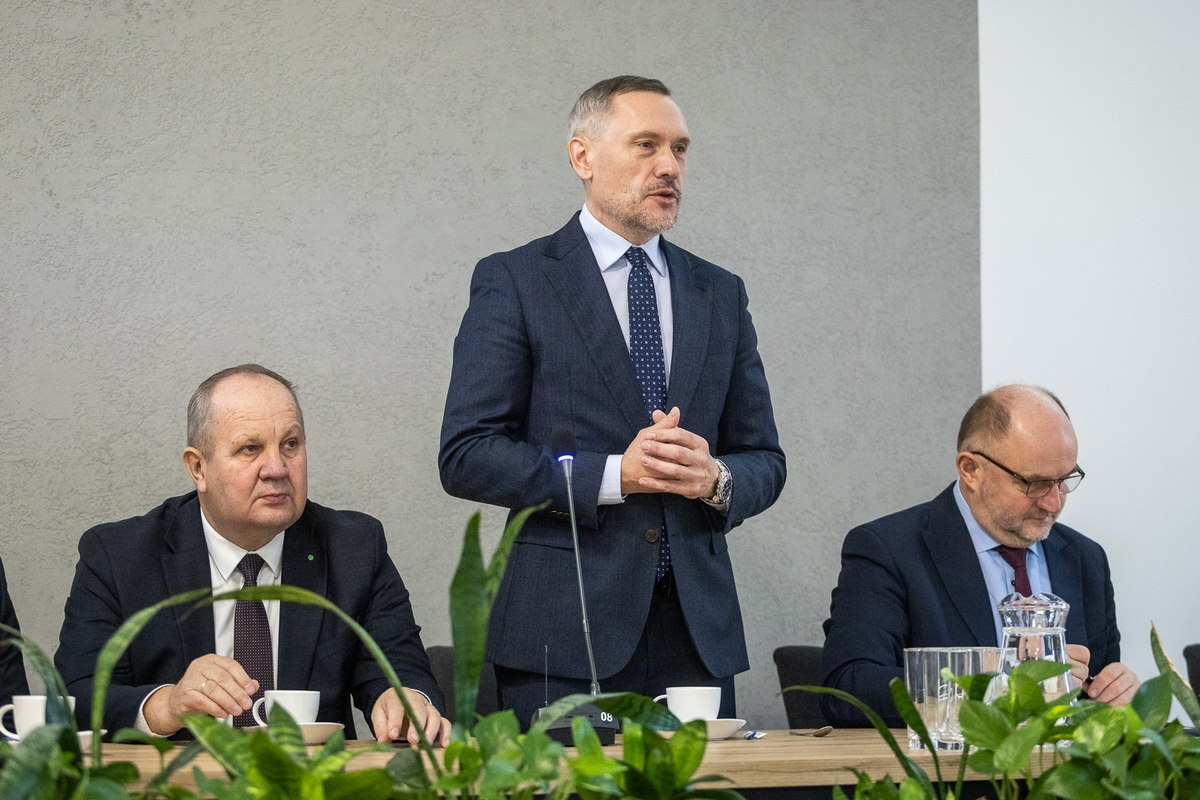
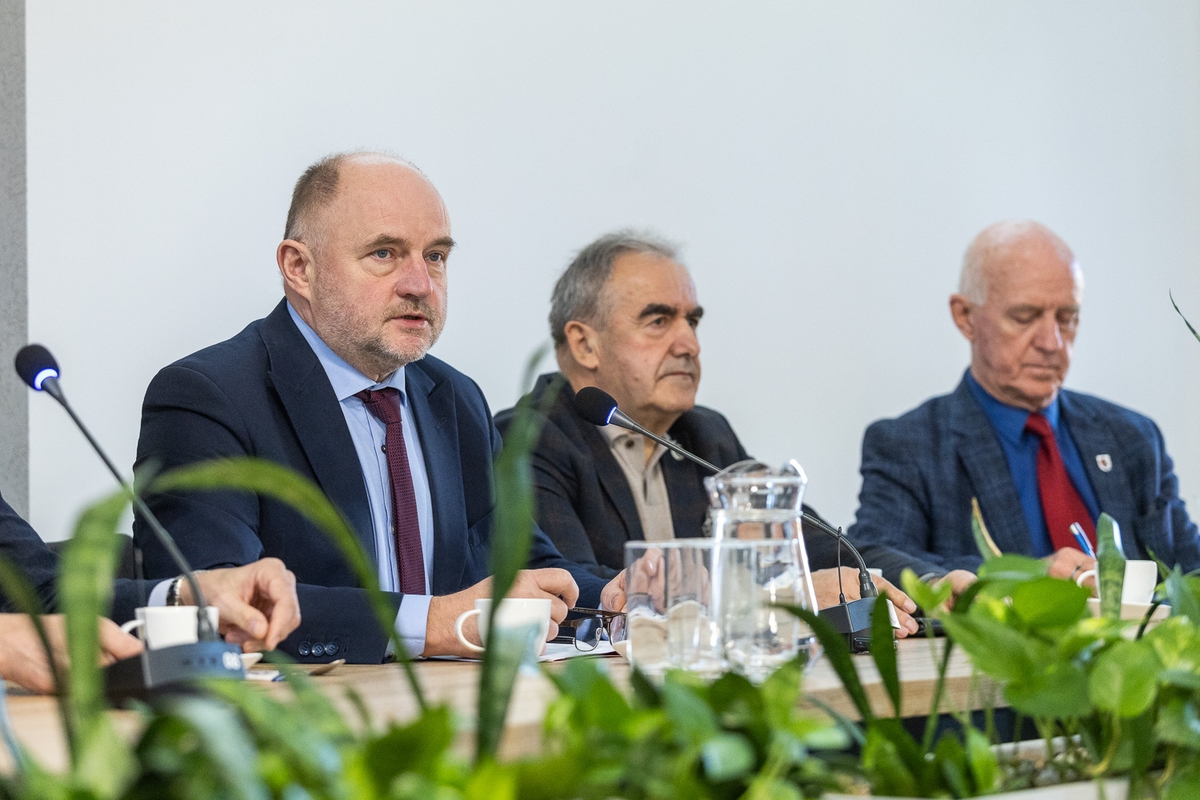
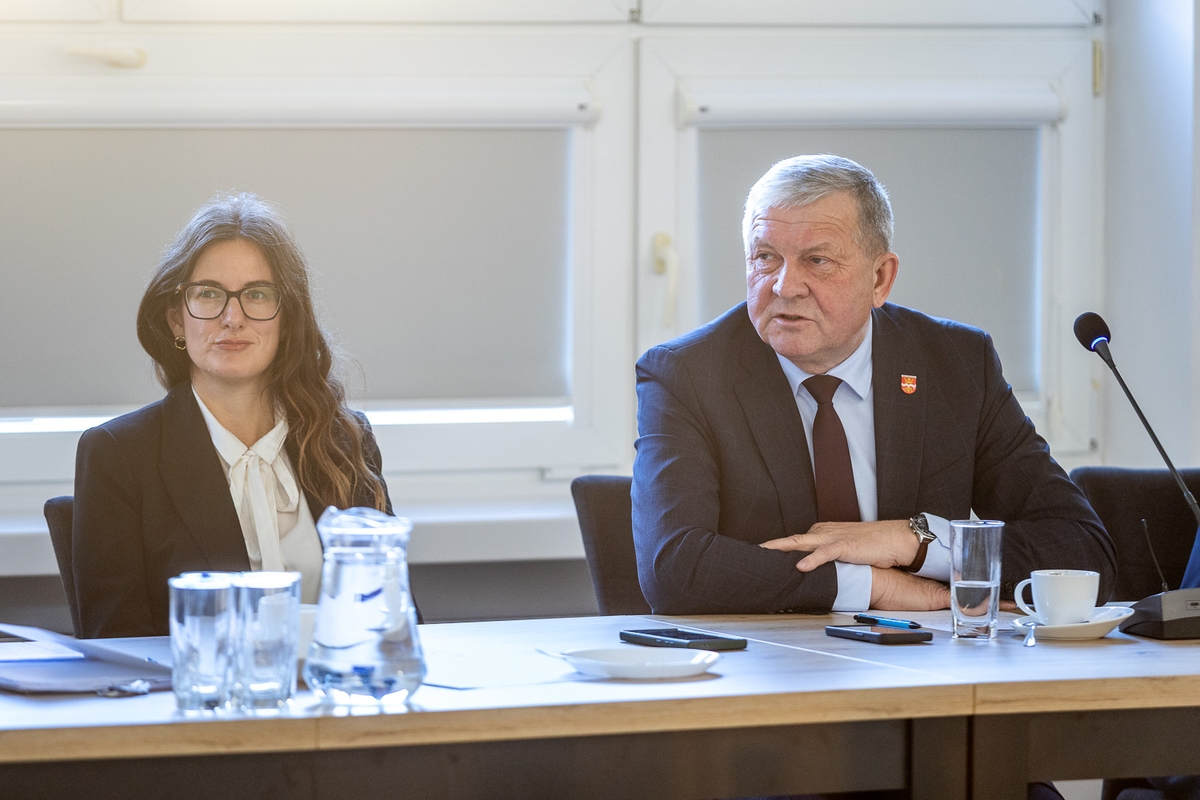
– Meetings like this are extremely valuable because they allow us to understand the perspectives of local governments, their needs and their plans for the future. I am pleased that we can engage in discussions with such committed partners. We want the Region’s development strategy to address real challenges and reflect the expectations of residents in individual municipalities, emphasises Marshal Piotr Całbecki.
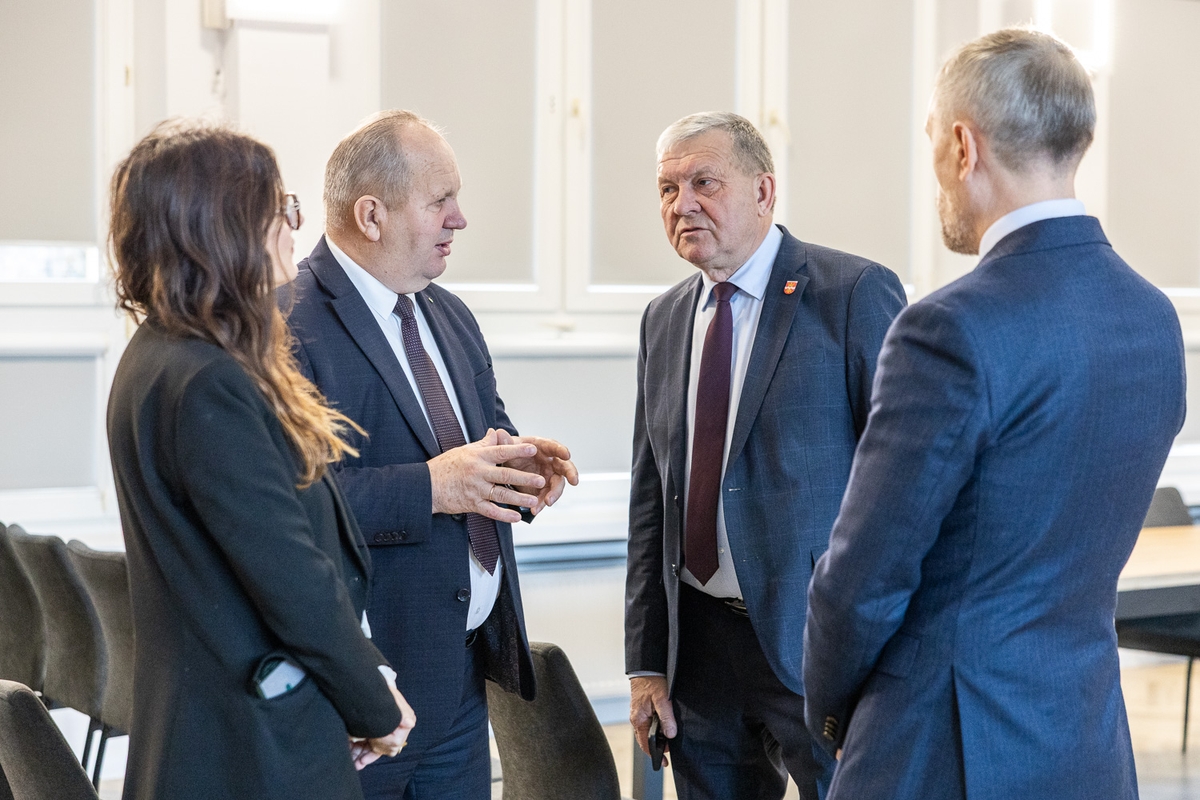
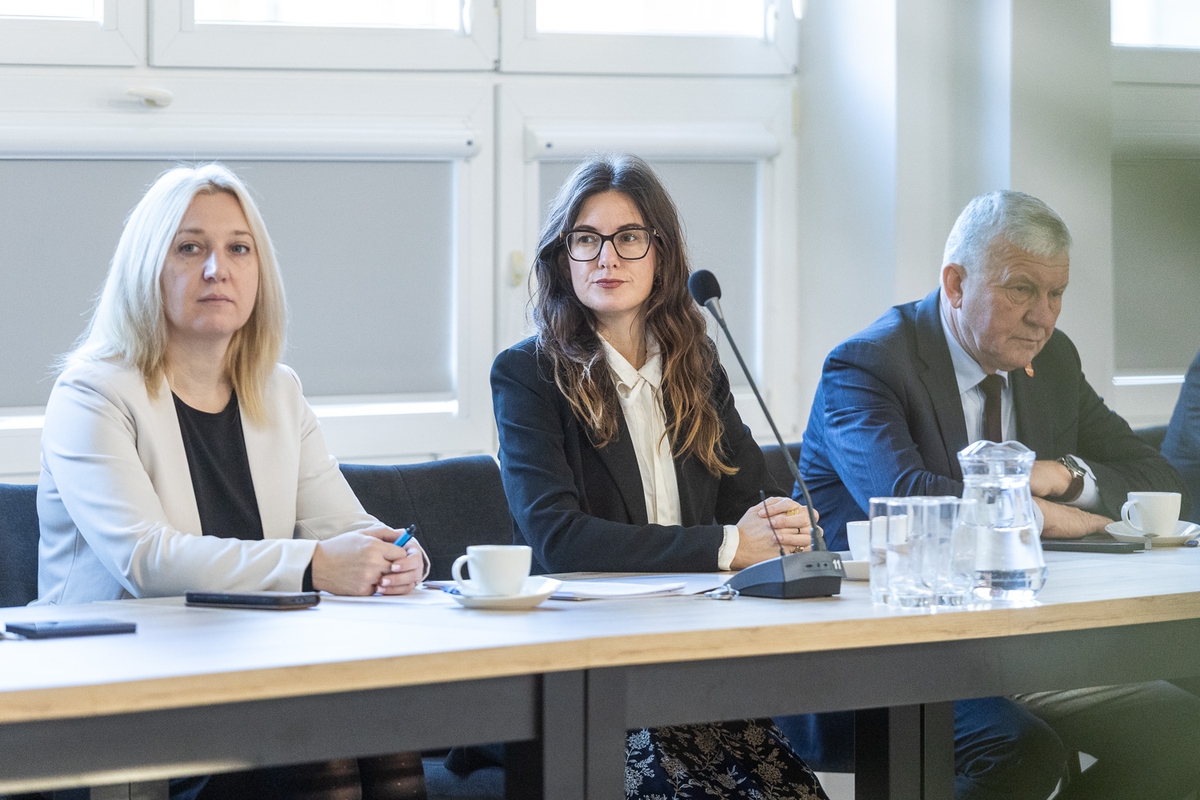
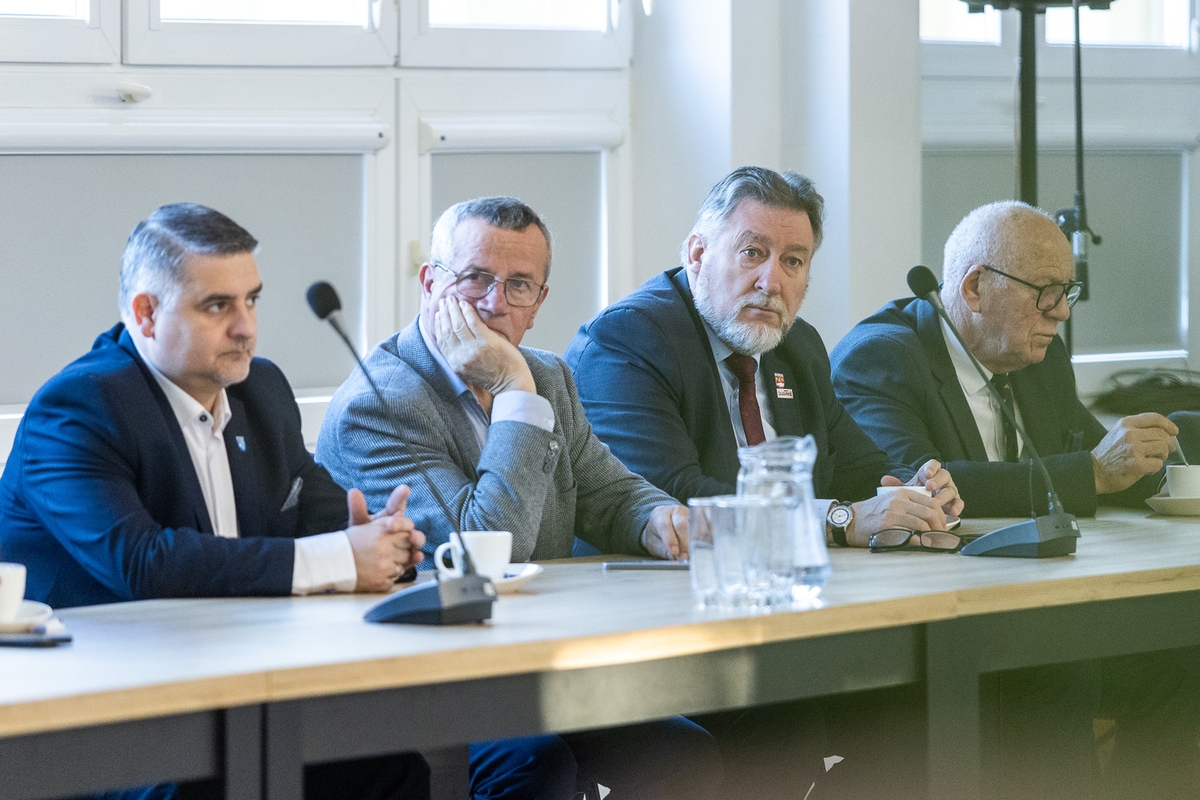
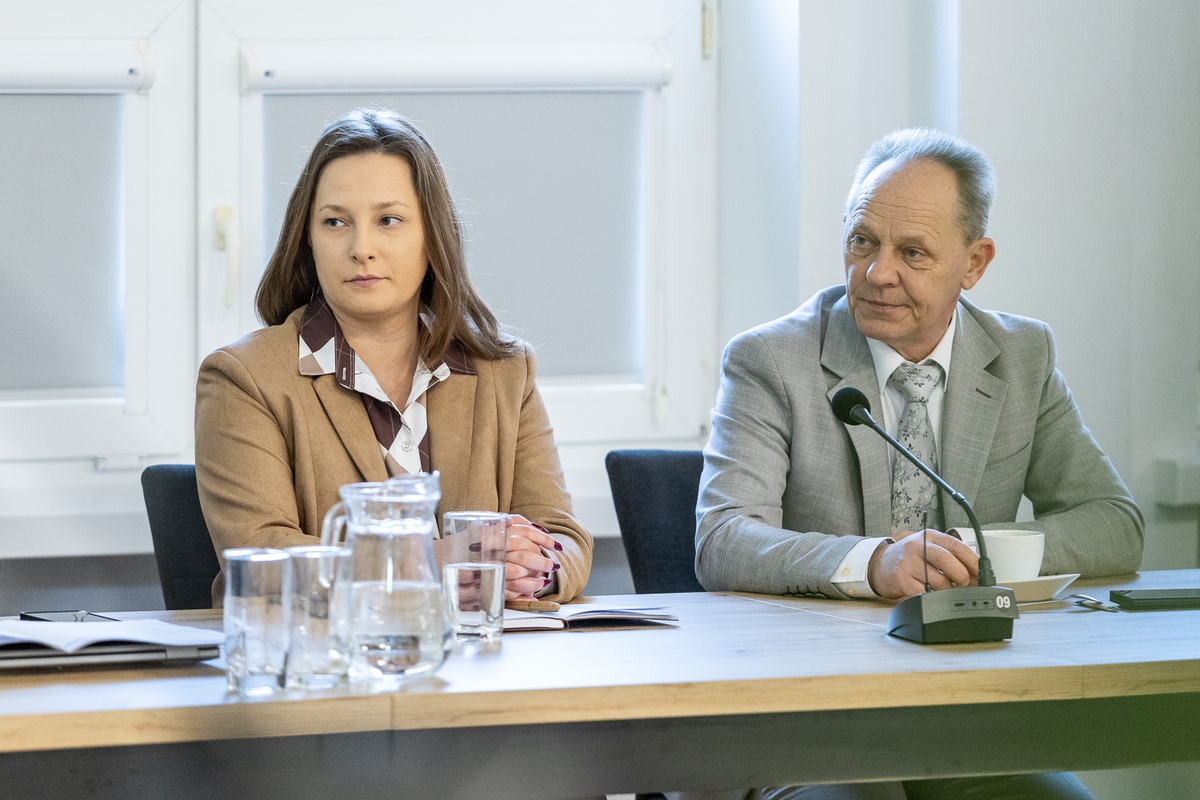
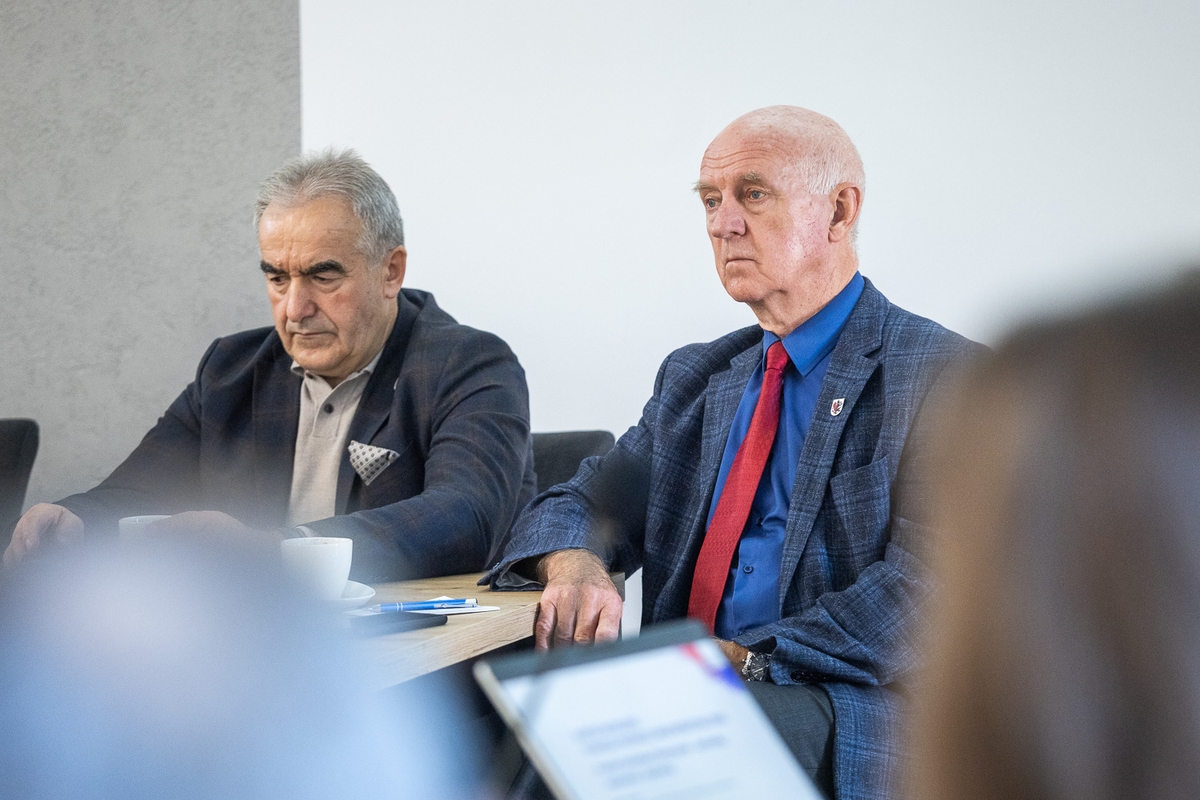
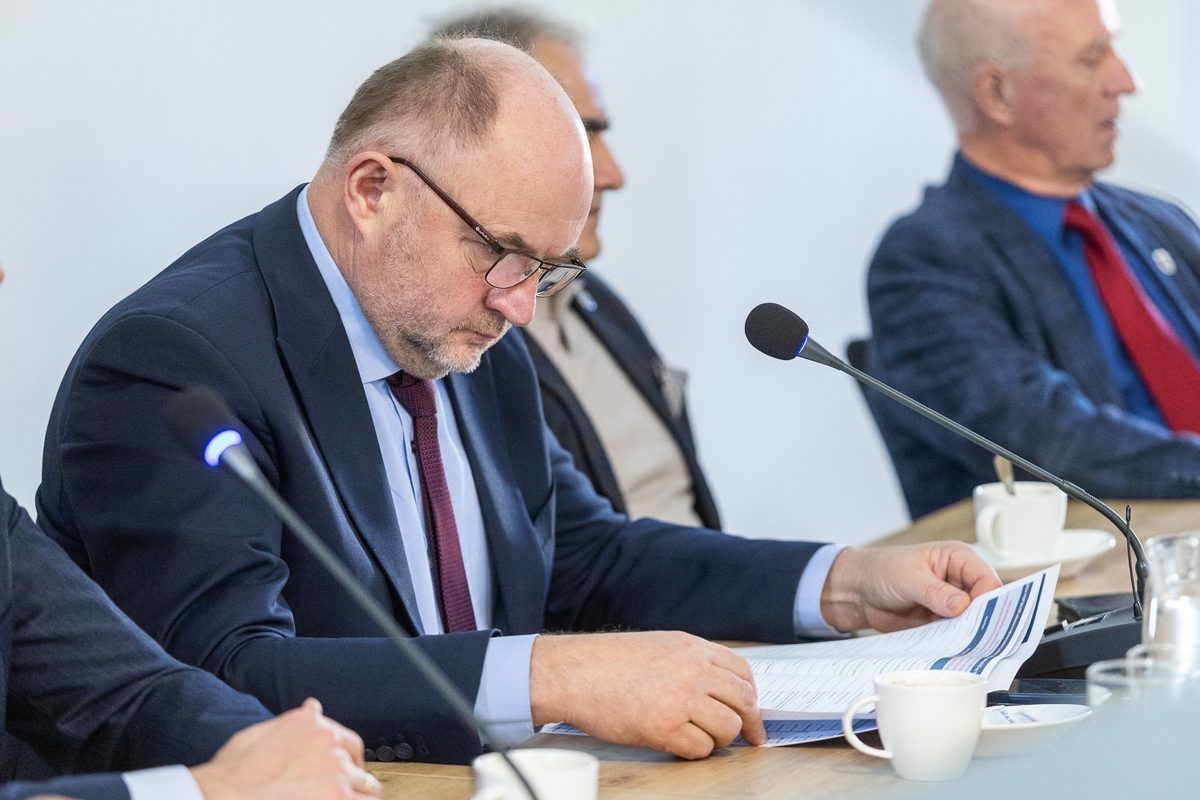
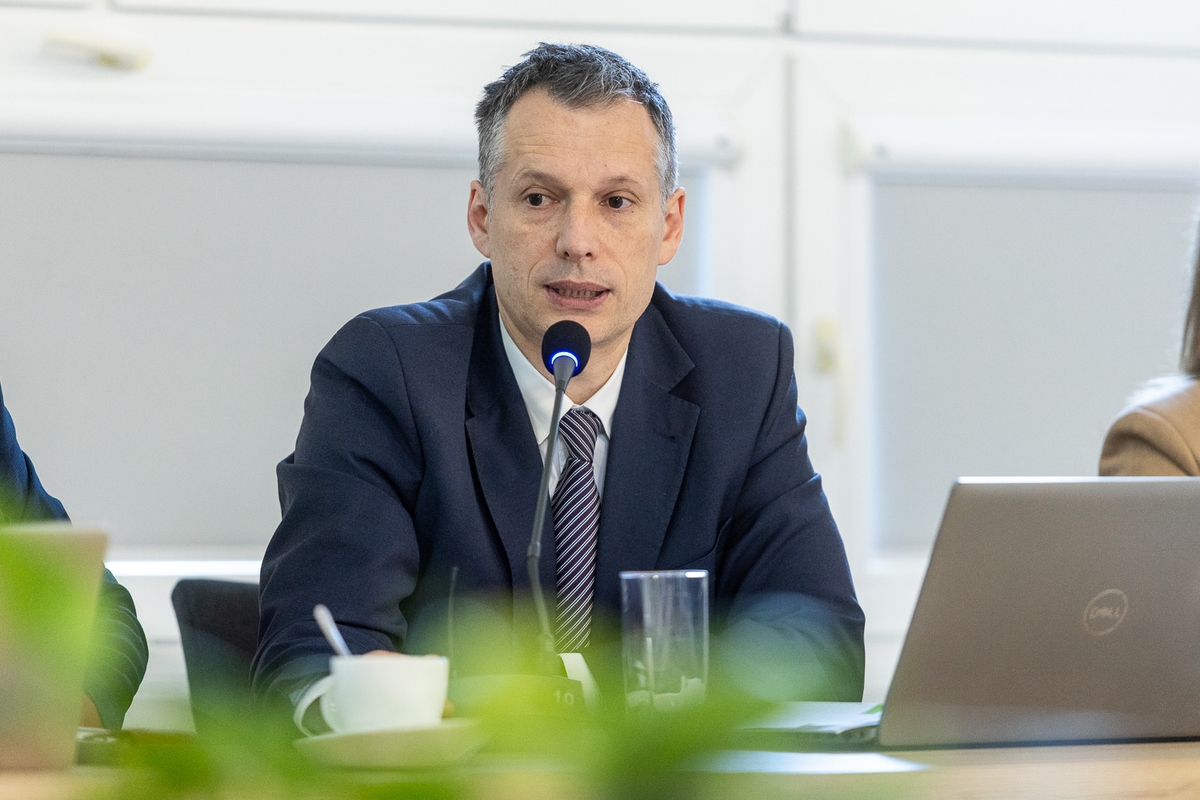
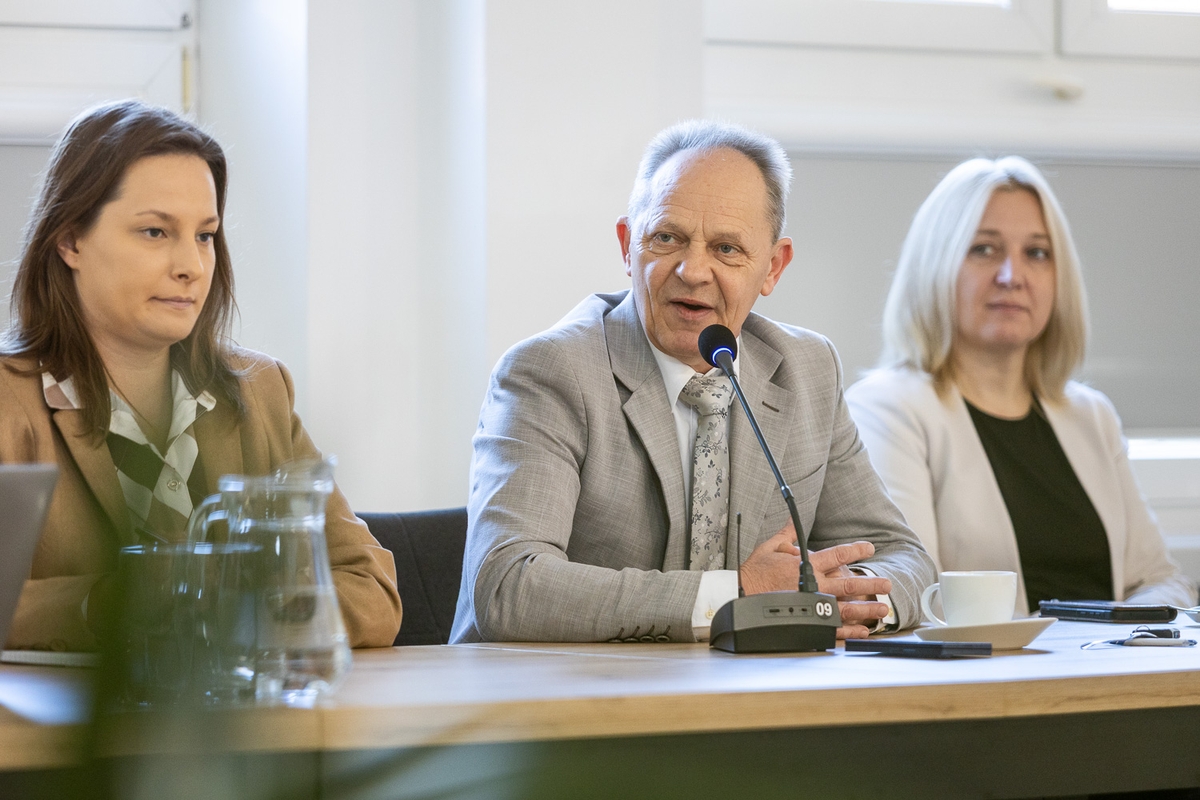
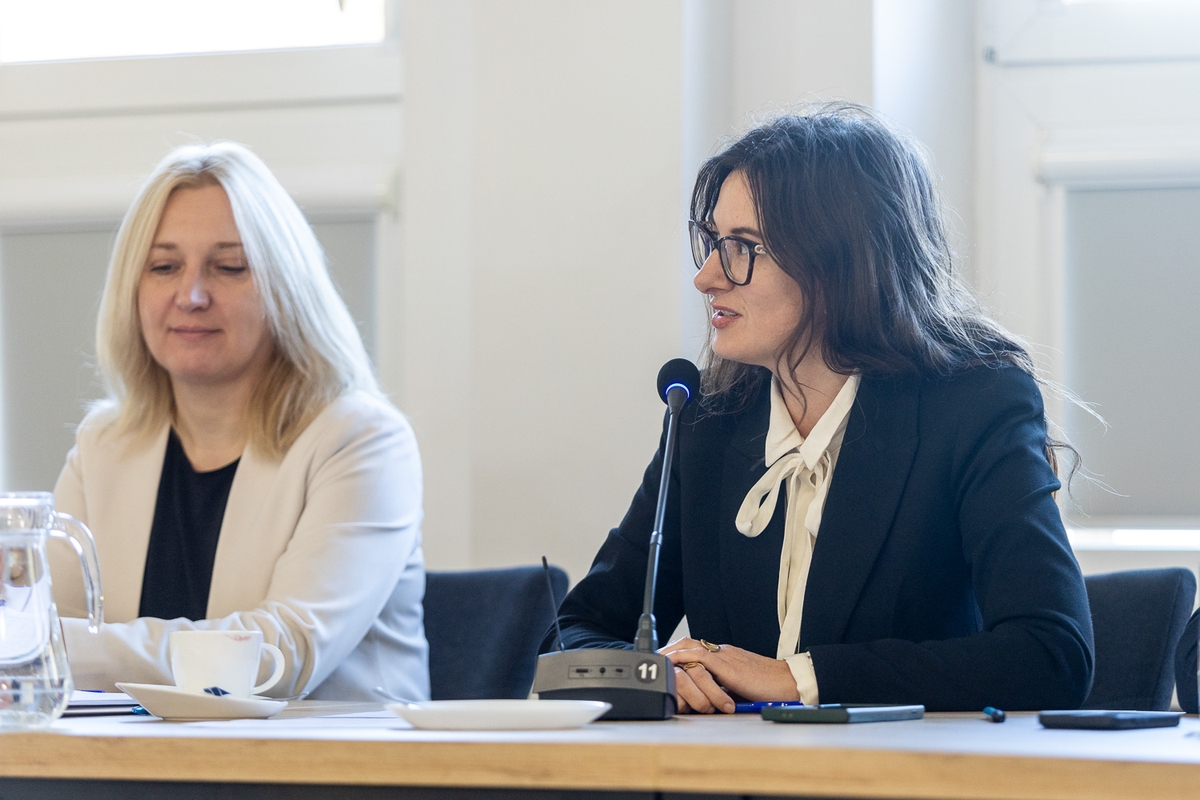
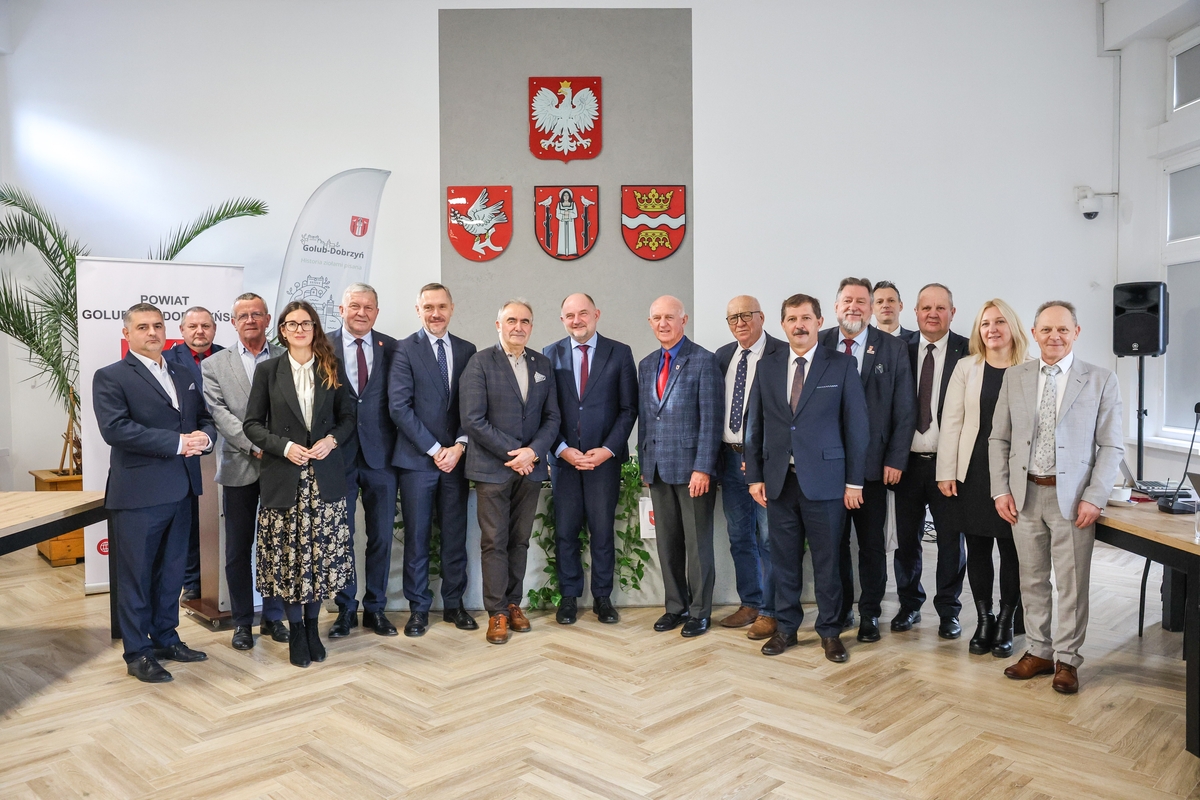
Today’s meeting was attended by Senator Ryszard Bober, Member of Parliament Zbigniew Sosnowski, Region Assembly Members Robert Malinowski and Paweł Zgórzyński, Head of Golub-Dobrzyń County Jacek Foksiński, Head of Ciechocin Municipality Andrzej Okruciński, Head of the rural municipality of Golub-Dobrzyń Marek Ryłowicz, Head of Radomin Municipality Piotr Wolski, Mayor of Golub-Dobrzyń Dominika Piotrowska and Mayor of Kowalewo Pomorskie Jacek Żurawski.
Topics discussed included the budget and priorities for EU funding under the 2028–2034 financial perspective, road investments, including the construction of the Golub-Dobrzyń bypass, expanding educational opportunities for young residents, the construction of a swimming pool in Golub-Dobrzyń, upgrading equipment and expanding facilities for fire service units, the development of areas along the Drwęca River, improvements to tourism and recreational infrastructure, and the expansion of small-scale sports facilities.
The overarching development objective adopted by the Region Board and incorporated into the strategy’s underlying assumptions is to improve residents’ quality of life through four pillars of development:
- Social development: effective education, human capital, social inclusion and modern public services.
- Economic development: sustainable economic growth, competitiveness, innovation and energy transition.
- Environmental development: protection of natural resources, clean air, climate change adaptation and improved living conditions.
- Functional development: expansion of public transport networks, improved road and rail connections with the region’s main cities, the use of integrated territorial approaches and stronger cooperation with local governments.
Responsibility for preparing the revised document – formally a new Region development strategy through 2035 – rests with the Region Board. This includes developing the underlying assumptions, conducting public consultations and preparing the final draft.
Intensive work on the document will continue for several more months. This will be followed by the preparation of an environmental impact assessment and formal public consultations.
Press Office of the Marshal’s Office
13 November 2026