

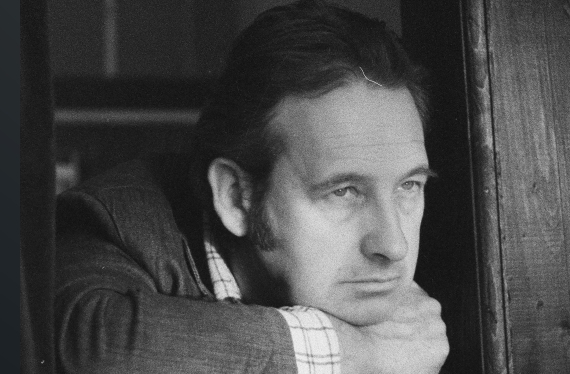
Year of Kujawsko-Pomorskie people of cinema: Andrzej Wajda – Celebrating the 100th Anniversary of His Birth in Grudziądz
To mark the 100th anniversary of the birth and the 10th anniversary of the death of one of Poland’s most distinguished film directors, a special event celebrating his life and work will be held at Helios Cinema in Grudziądz. The programme will include the opening of the exhibition “Andrzej Wajda: Artist. Citizen. Senator” and a screening of the film “Innocent Sorcerers”.
The event will take place on 12 November 2026, starting at 6:00 p.m.
The exhibition will present a multifaceted portrait of Andrzej Wajda — not only as an outstanding filmmaker, but also as a socially and civically engaged individual who worked to promote Polish democracy. It will explore various aspects of his activities and achievements, highlighting the significant role he played in the history of Polish culture.
The second part of the programme will feature a screening of the 1960 film “Innocent Sorcerers” (Niewinni czarodzieje). The film tells the story of a young generation, exploring romantic games, the desire for freedom and emotional dilemmas. Set against the backdrop of jazz music and Warsaw’s nightlife, it remains a fascinating portrait of the attitudes and atmosphere among young people of the time.
Andrzej Wajda’s connection with Grudziądz is primarily associated with the production of his film “Sweet Rush” (Tatarak), whose outdoor scenes were shot in the city during the summer of 2008. The film was an adaptation of a short story by Jarosław Iwaszkiewicz, with Krystyna Janda in the leading role.
For the production, Grudziądz was transformed into a Polish town of the 1950s. The film crew used several locations, including the Old Market Square and Wodna Street, the Vistula riverside meadows, the area around Castle Hill, the city’s distinctive historic granaries and the Bronisław Malinowski road and railway bridge.
The film premiered in 2009 at the Berlin International Film Festival (Berlinale), where it received the Alfred Bauer Prize. It also won the European Film Academy’s FIPRESCI Prize.
The Year of Andrzej Wajda, established by the Senate of the Republic of Poland, offers an opportunity to rediscover his films and reflect on the artistic and social significance of his work.
Films such as “Kanal”, “Ashes and Diamonds”, “The Promised Land”, “Man of Marble” and “Katyn” have earned a permanent place in the history of Polish and world cinema. Through his films, Wajda explored fundamental questions about history, identity, freedom and values.
Paweł Jankowski
Promotion Department
4 November 2026