
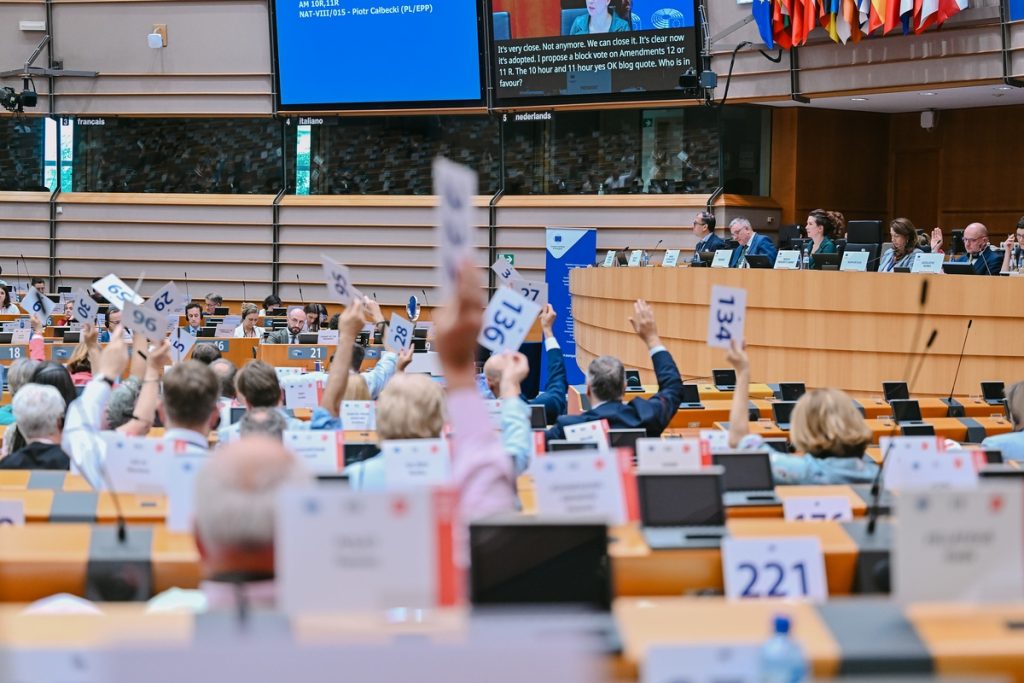
The Committee of the Regions on the Future of the European Common Agricultural Policy
The future of European agriculture will not be determined solely in fields and on farms. It is also being shaped at the negotiating table in Brussels, where decisions are being made on the next European Union budget and the future of the Common Agricultural Policy (CAP) beyond 2027. In this debate, Piotr Całbecki, Marshal of the Kujawsko-Pomorskie Region, Chair of the Commission for Natural Resources (NAT) of the European Committee of the Regions, and rapporteur of the Committee’s newly adopted opinion on the proposed CAP reform, is playing an active role.
The opinion prepared by Marshal Piotr Całbecki is more than a response to the European Commission’s legislative proposals. It presents a comprehensive vision for the future of European agriculture, based on the conviction that food security, agricultural competitiveness and the sustainable development of rural areas are among the European Union’s most pressing challenges.
“A strong Europe needs strong agriculture. And strong agriculture requires policies shaped not only in Brussels and national capitals, but also with the active involvement of regions, which are best placed to understand the needs of their citizens and food producers.”
This message runs throughout the entire opinion.
Farmers as guarantors of Europe’s security
The reform of the Common Agricultural Policy comes at a particularly significant moment. Russia’s war against Ukraine, instability in global markets, the effects of climate change, rising production costs and increasing competitive pressures have made food security an essential element of Europe’s broader security strategy.
For this reason, the future CAP must strengthen the resilience of European agriculture while providing farmers with stable conditions in which to operate. At the same time, agricultural policy must protect the environment, address climate challenges and ensure the economic viability of farming.
A stronger role for regions
One of the opinion’s central messages is its clear opposition to excessive centralisation of future EU agricultural policy. Marshal Piotr Całbecki stresses that regions cannot simply act as implementers of decisions taken at national or European level. They should participate in preparing strategic plans, managing funding, monitoring implementation and designing instruments tailored to local needs.
This approach reflects a simple reality: European agriculture is highly diverse. Family farms in Poland face different challenges from Mediterranean producers, while mountainous and island regions require yet another set of solutions. Agricultural policy must therefore take regional specificities into account and be based on genuine partnership.
This is precisely the position consistently advocated by Marshal Piotr Całbecki during debates in Brussels, where he emphasises that an effective Common Agricultural Policy cannot exist without the meaningful involvement of regional authorities.
Supporting family farms
The opinion devotes considerable attention to farmers’ economic situation. Marshal Piotr Całbecki proposes that support should primarily target farms that actively produce food, create jobs and sustain the vitality of rural communities.
Its key recommendations include:
- stronger support for small and medium-sized family farms;
- greater flexibility for Member States in designing direct payment systems;
- increased support for the smallest farms;
- dedicated measures for young farmers, women farmers and new entrants to agriculture; and
- directing assistance towards farms whose incomes do not provide a decent standard of living.
The opinion also places strong emphasis on generational renewal. According to Marshal Piotr Całbecki, farm succession should take place gradually while respecting the achievements of older farmers. Appropriate policies are needed to encourage young people to remain in rural areas and facilitate the smooth transfer of farms to the next generation.
Rural development goes beyond agriculture
The opinion clearly underlines that rural development cannot be reduced to food production alone. Rural areas require modern infrastructure, access to public services, digital connectivity, scientific research, advisory services and support for local entrepreneurship. It therefore calls for greater use of regional expertise in planning rural development.
The document also highlights the importance of supporting short supply chains, local food markets, producer cooperation and the LEADER approach, which has for many years strengthened social capital across Europe’s rural communities.
Innovation instead of bureaucracy
Another important element of the opinion is its call for a simpler Common Agricultural Policy.
The rapporteur notes that European farmers increasingly spend valuable time complying with administrative requirements instead of focusing on food production. The reform should therefore reduce unnecessary bureaucracy while improving access to knowledge, innovation and new technologies.
The opinion advocates stronger regional advisory systems, closer links between scientific research and agricultural practice, and greater support for research that responds to the real needs of farms across Europe’s diverse regions.
It also calls for more effective risk management tools to help farmers cope with droughts, floods and sudden market disruptions.
Continued engagement in Brussels
The preparation of this opinion represents another milestone in Marshal Piotr Całbecki’s work at European level.
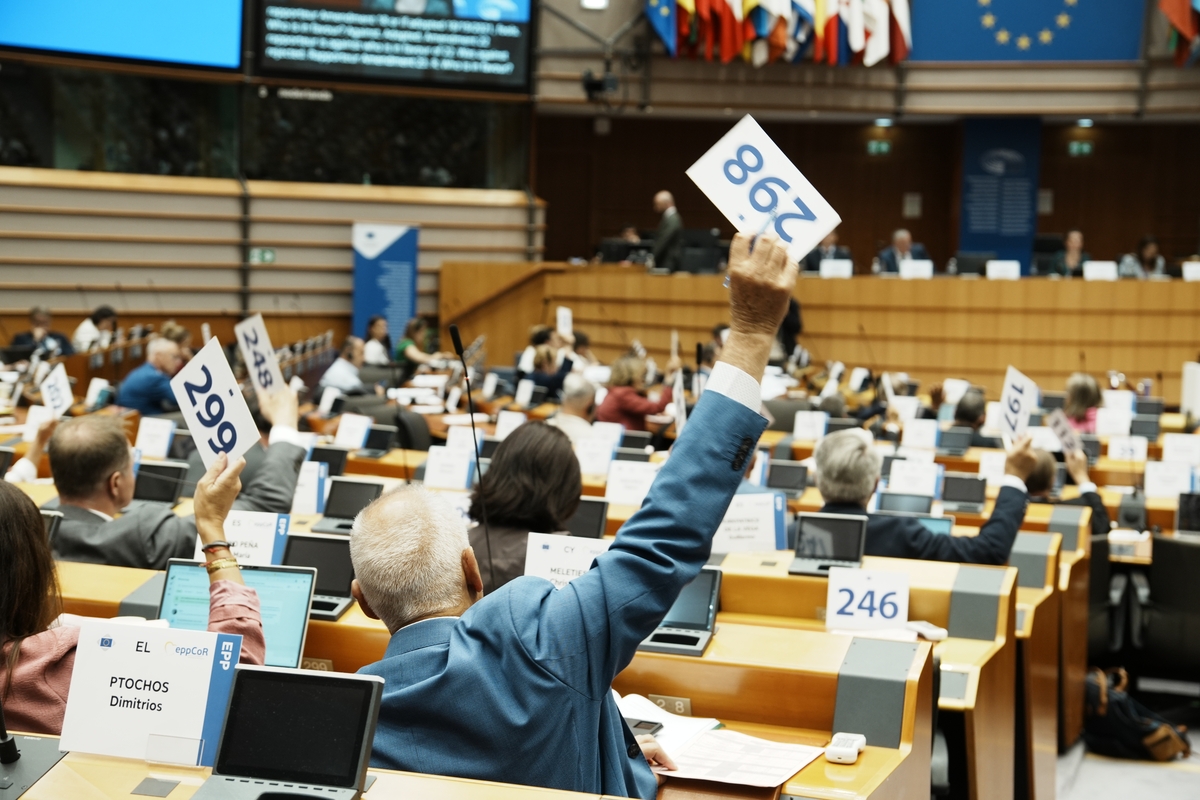
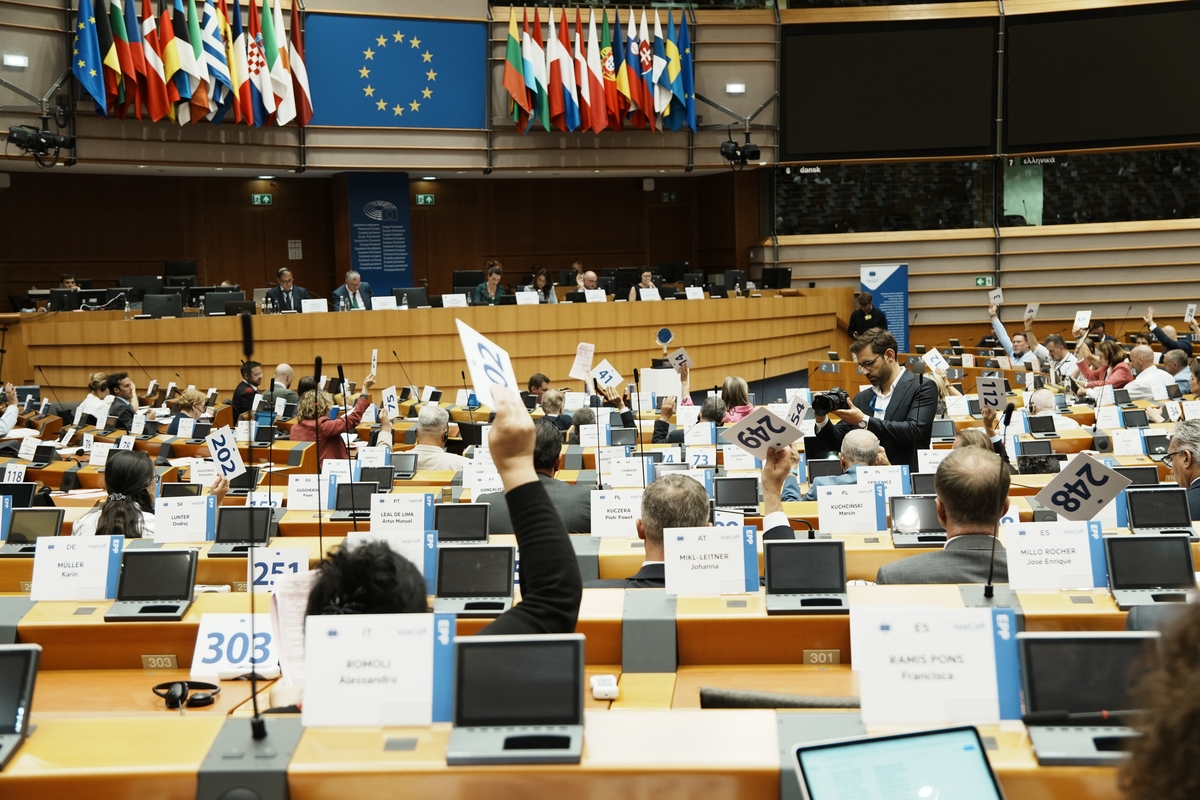
As Chair of the NAT Commission, he organised a high-level debate on the future of the Common Agricultural Policy, bringing together Poland’s Minister of Agriculture and Rural Development, representatives of the European Commission, the European Parliament, farmers’ organisations and regional authorities from across Europe. He also chaired the NAT Commission’s work on the opinion and was appointed to the European Committee of the Regions’ working group preparing the local and regional authorities’ position on the European Union’s future Multiannual Financial Framework.
In previous years, he also served as rapporteur for opinions on the resilience of the European food system and on the future of the Common Agricultural Policy, consistently highlighting the role of regional governments as essential partners of the European institutions.
The voice of Europe’s regions
The opinion prepared by Marshal Piotr Całbecki demonstrates that the future of European agriculture is about far more than the level of agricultural subsidies. It is about food security, the competitiveness of the European economy, resilience to future crises and the quality of life of millions of people living in rural areas.
At the same time, it represents a strong and united voice from Europe’s regions, calling for a new Common Agricultural Policy built on partnership, trust and shared responsibility across all levels of governance. Only such an approach will enable the CAP to respond effectively to the challenges facing European agriculture and ensure its sustainable development for decades to come.
Regional Office in Brussels
2 July 2026