
Colloquium Charitativum Novum – A Response to the Problems of the Contemporary World
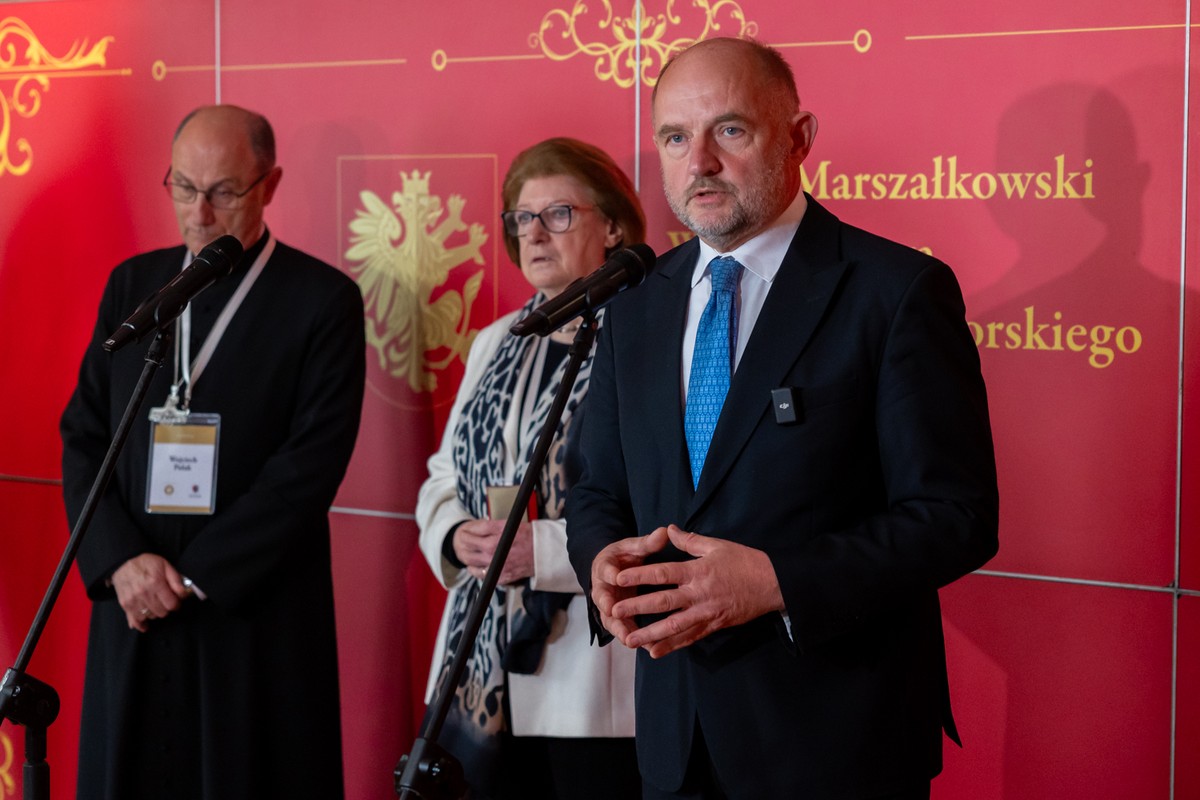
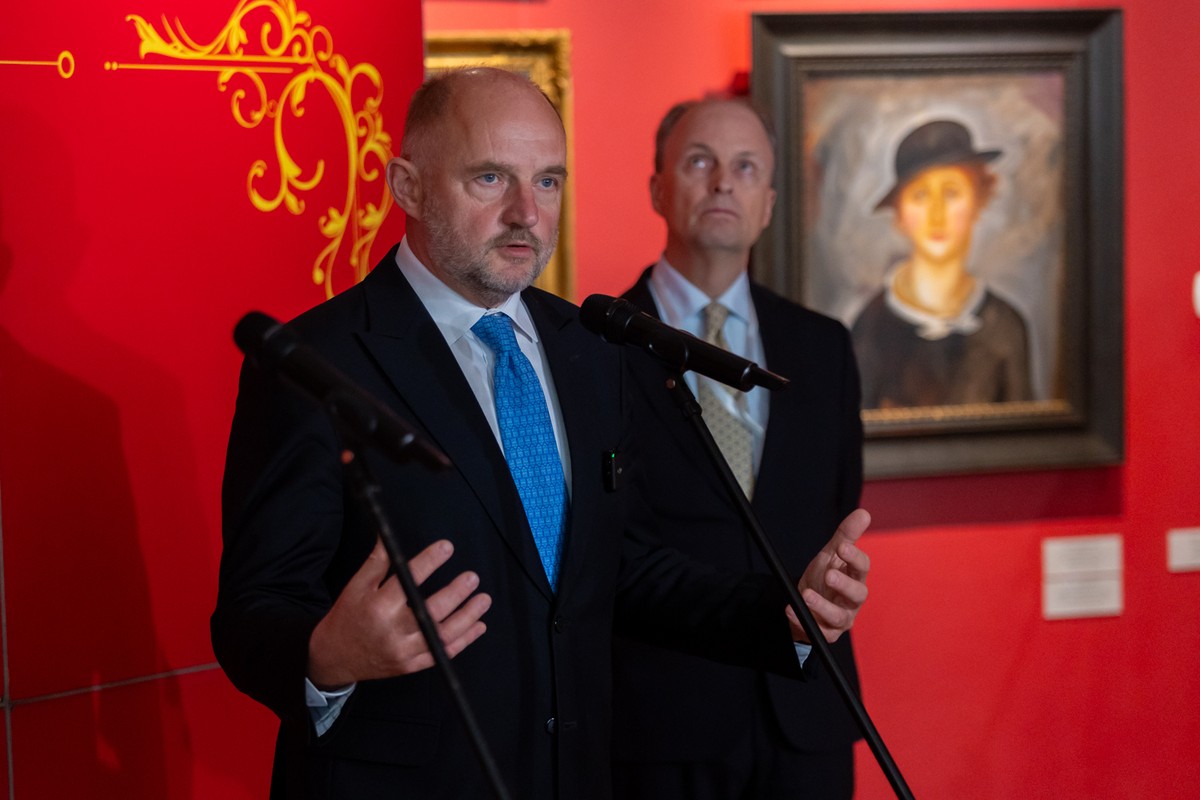
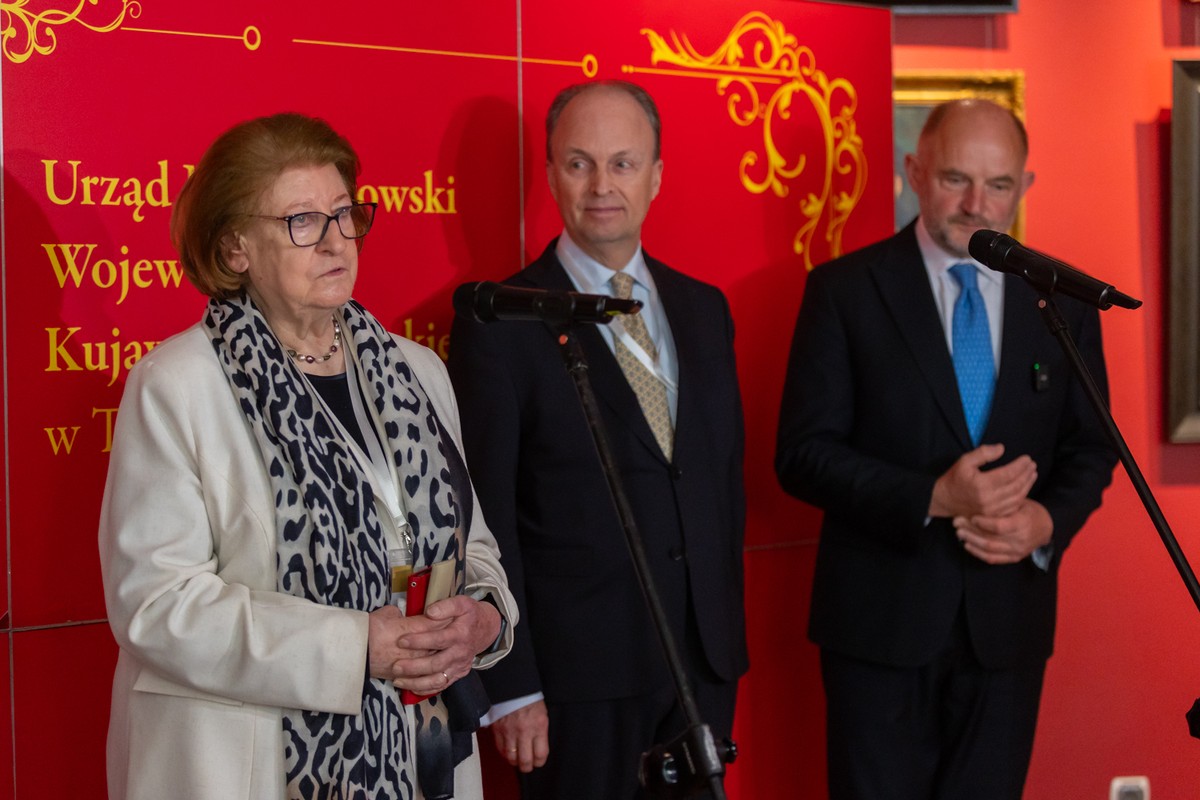
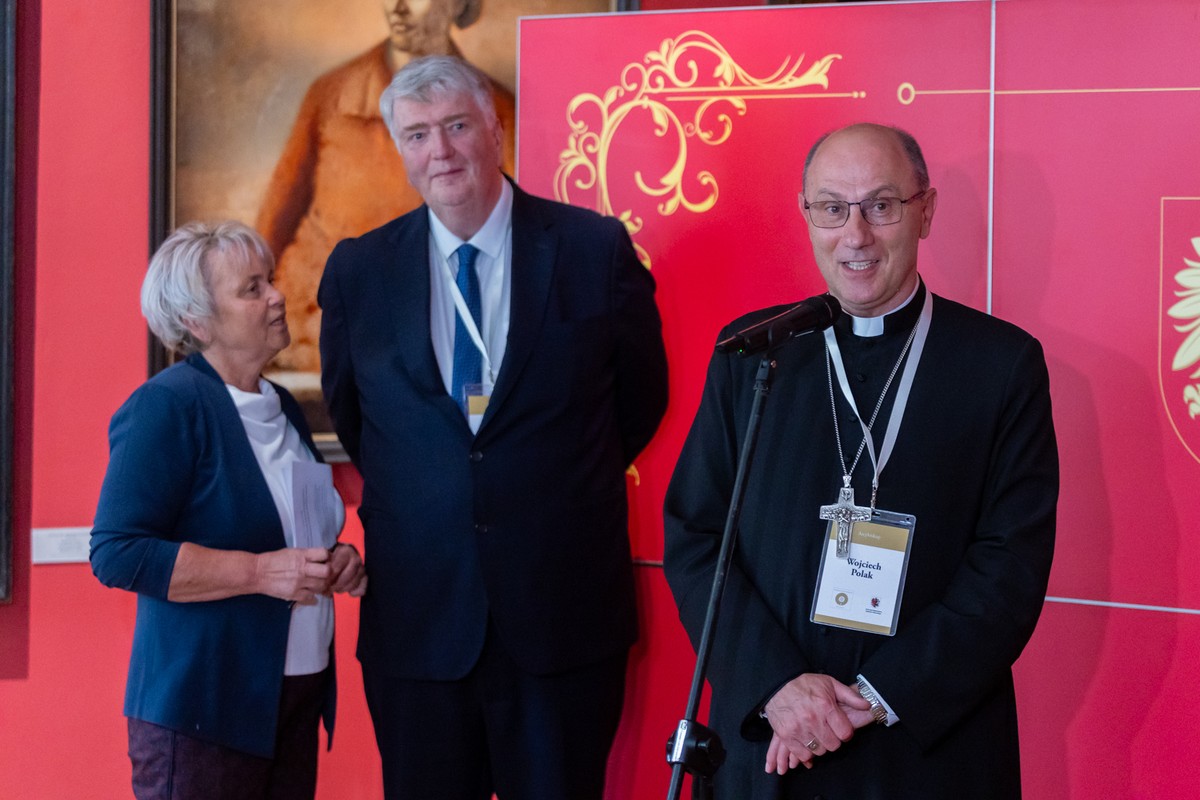
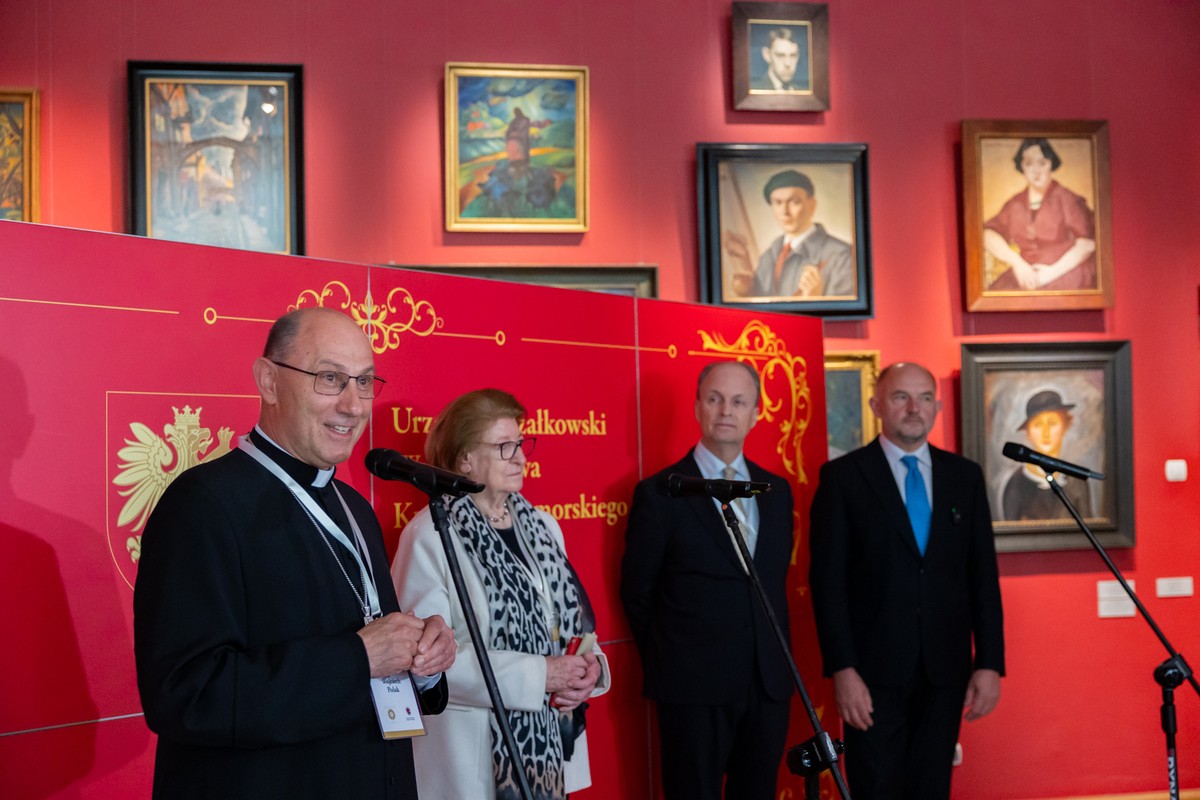
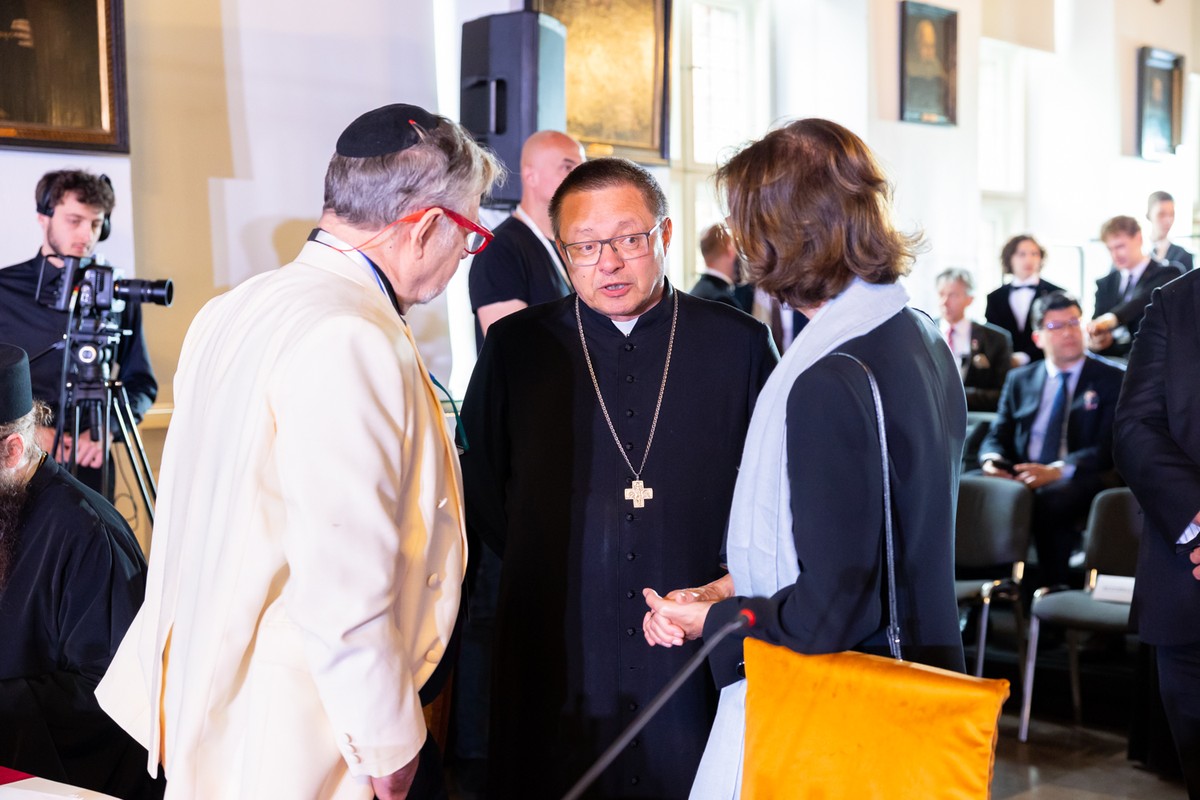
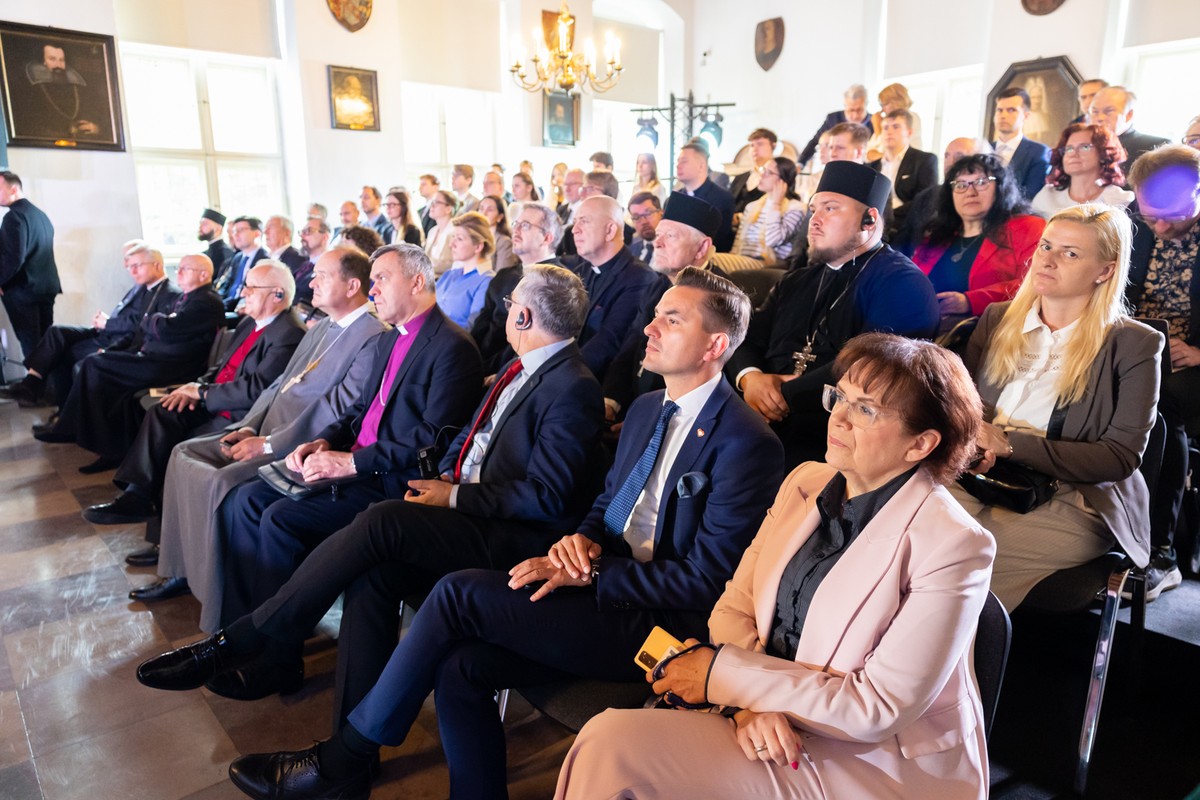
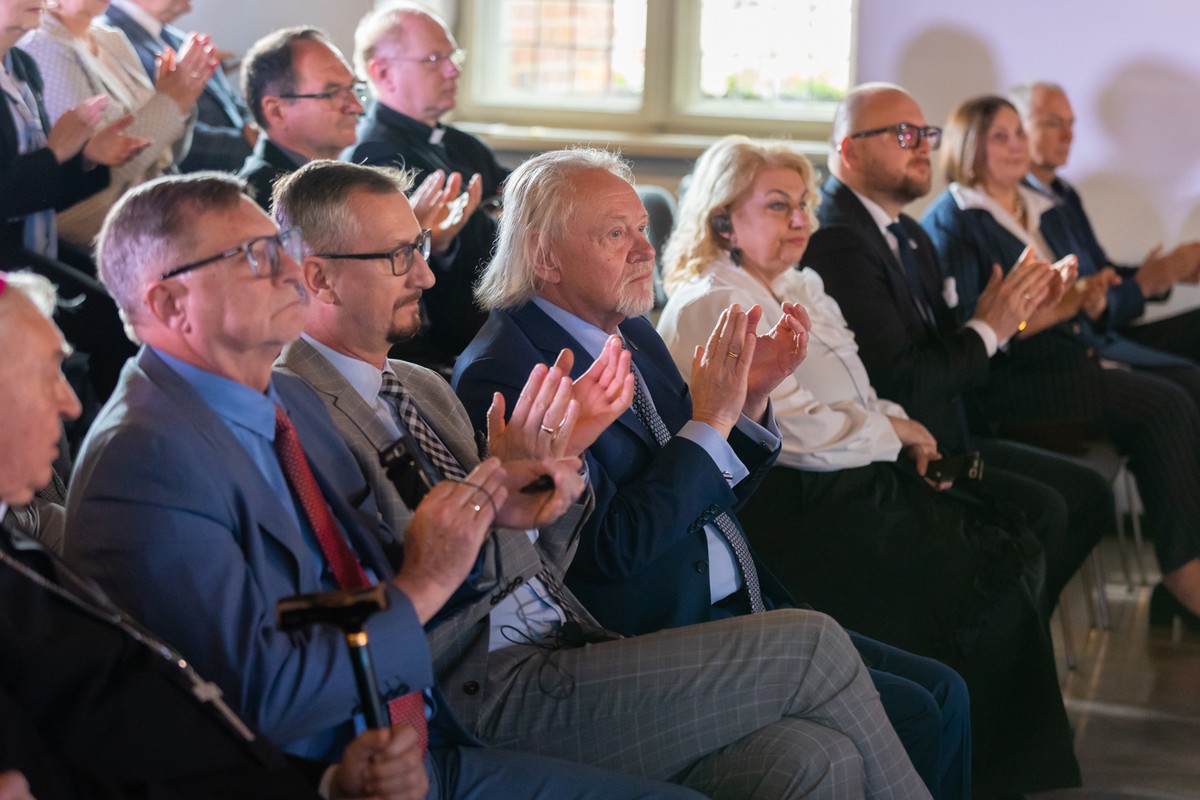
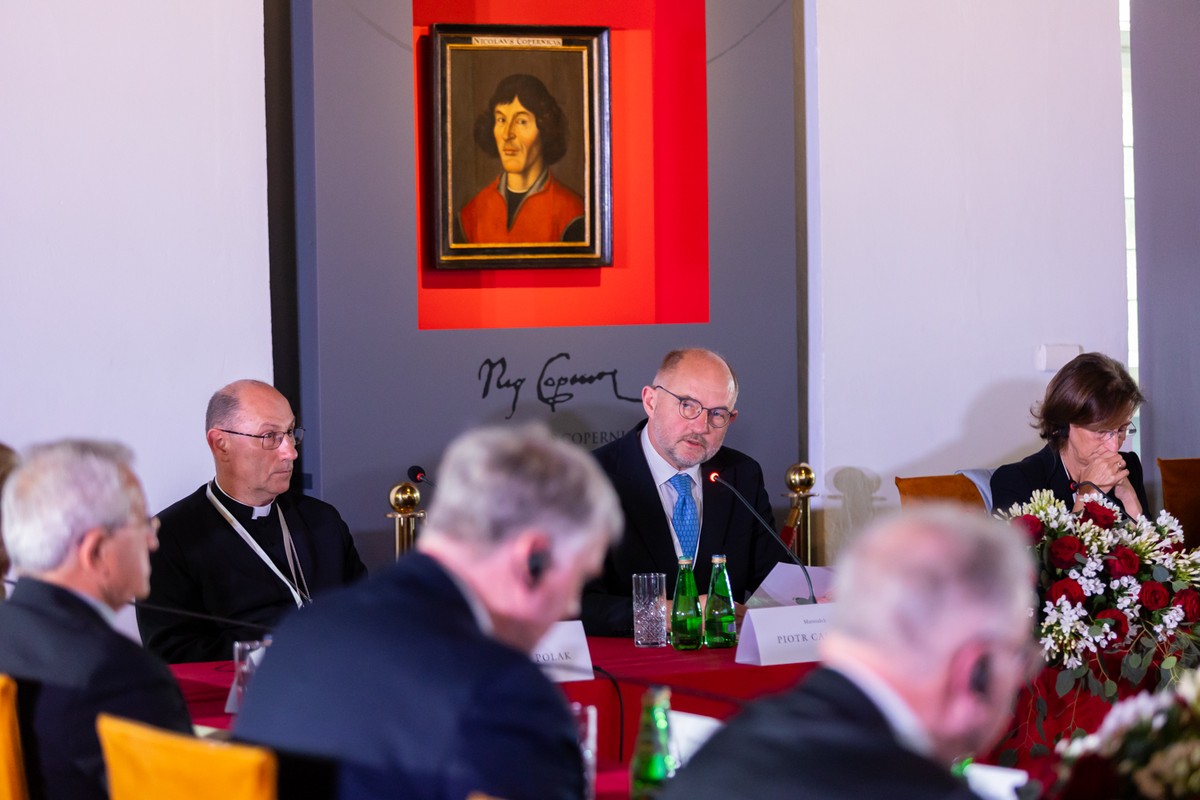
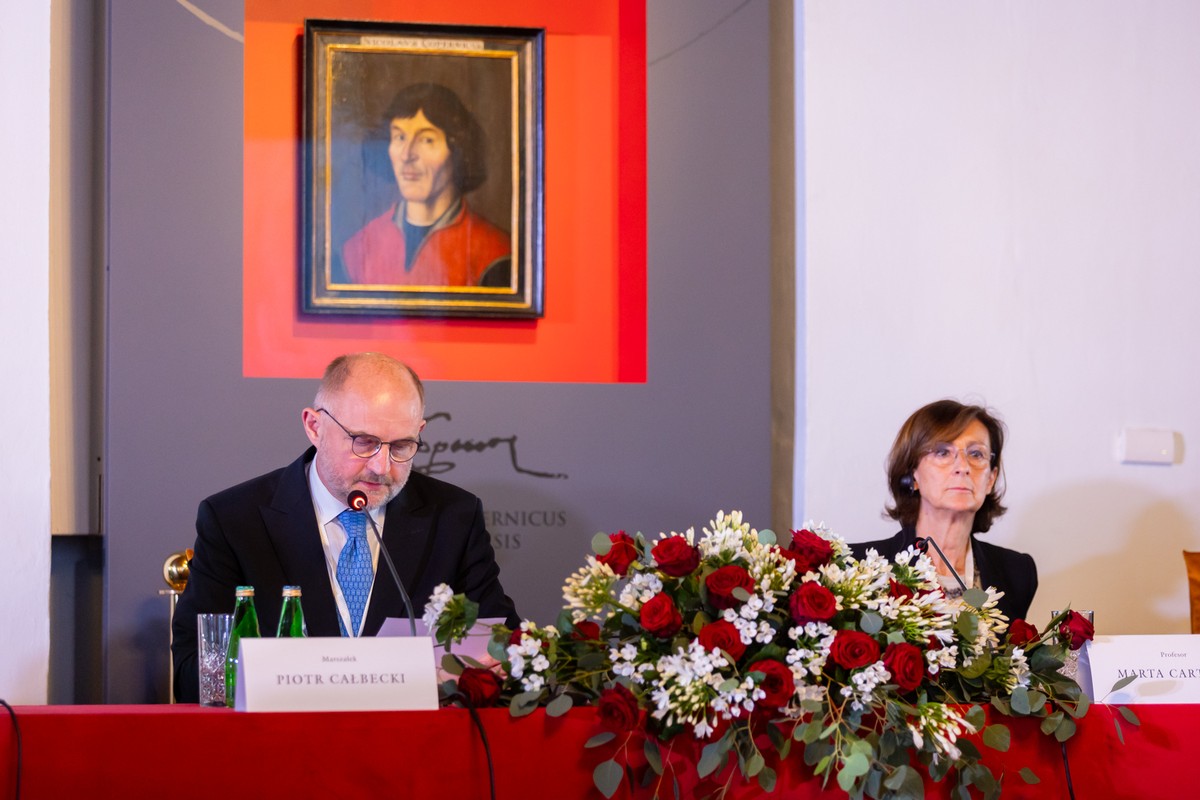
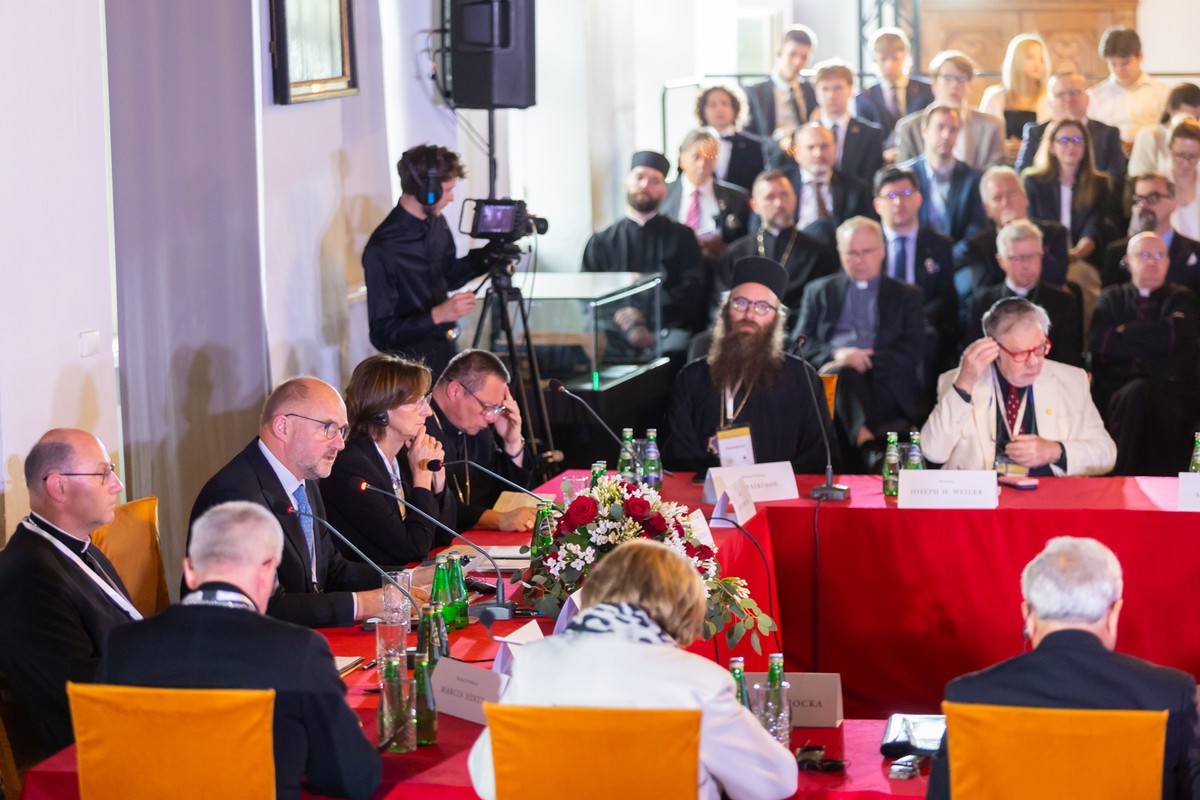
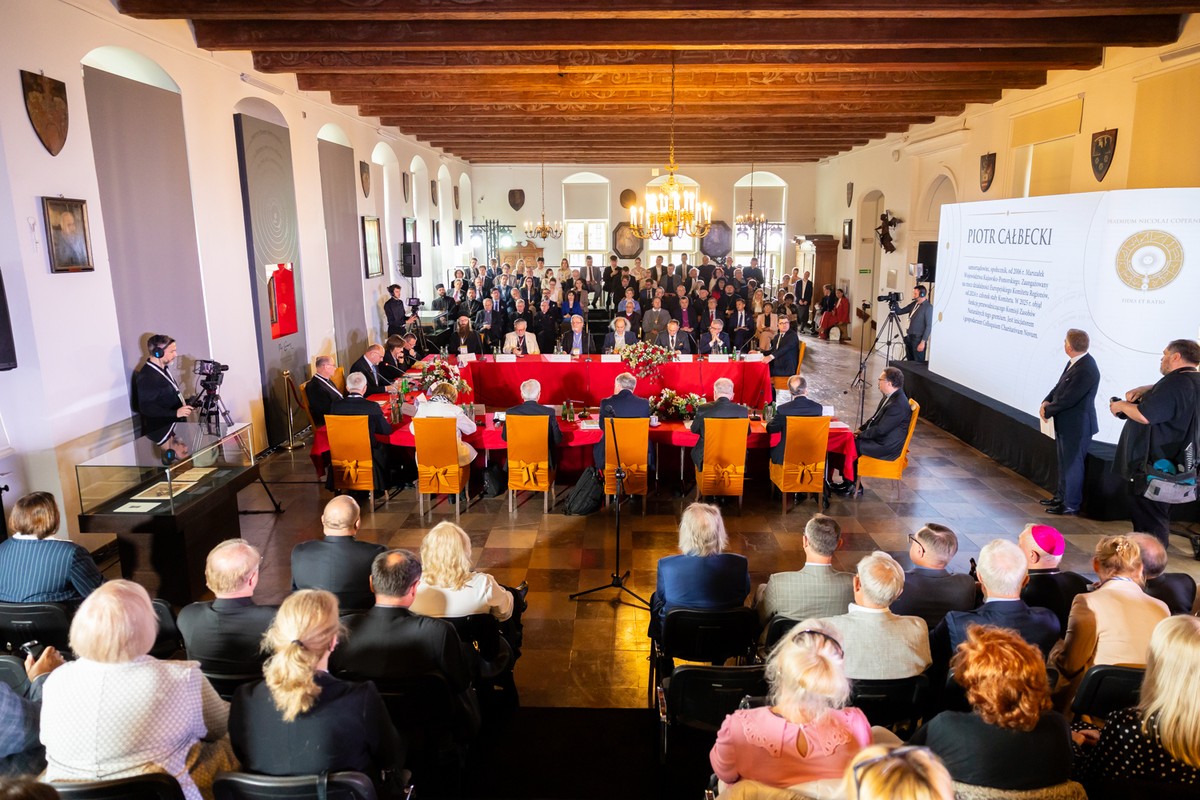
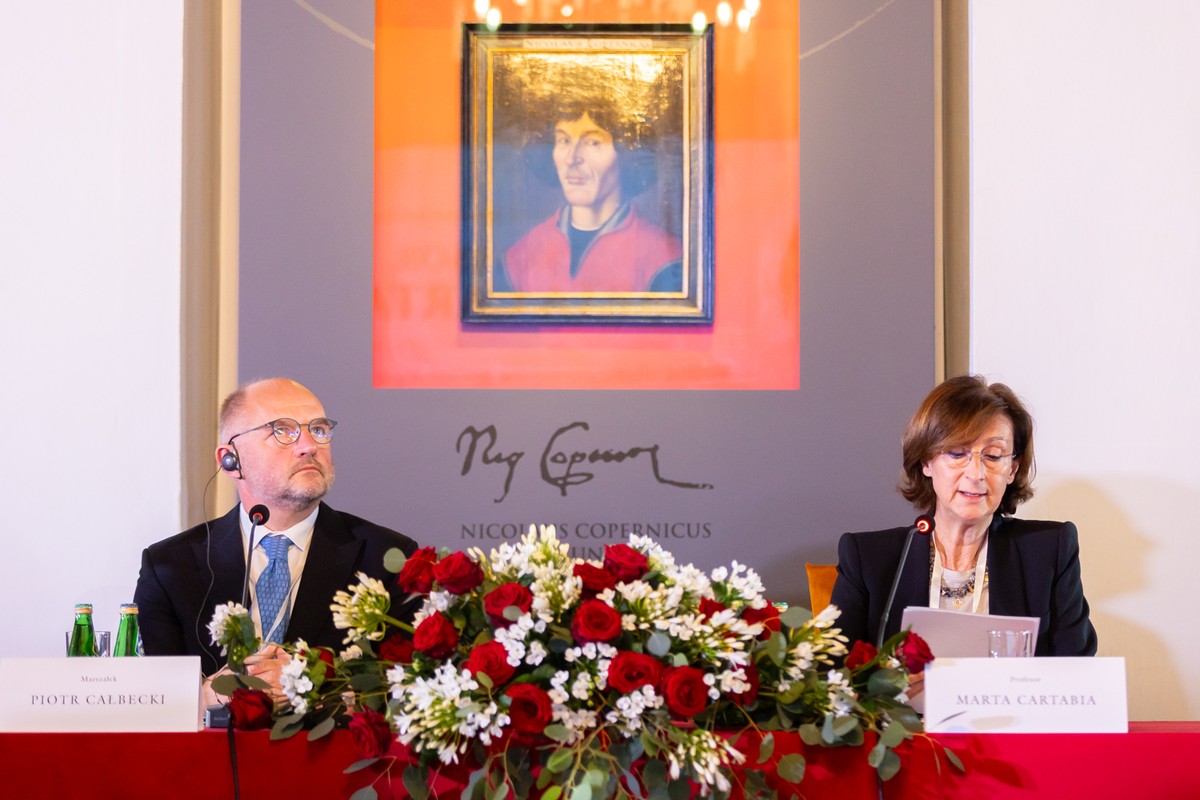
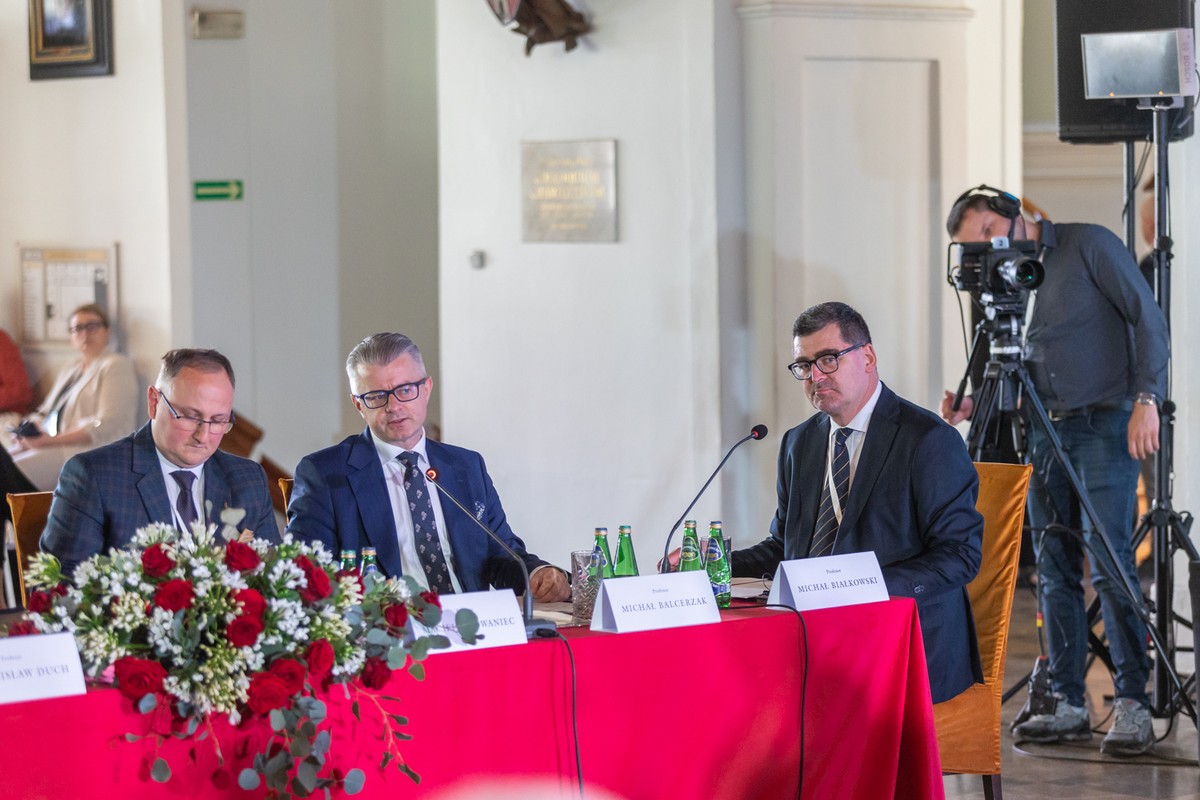
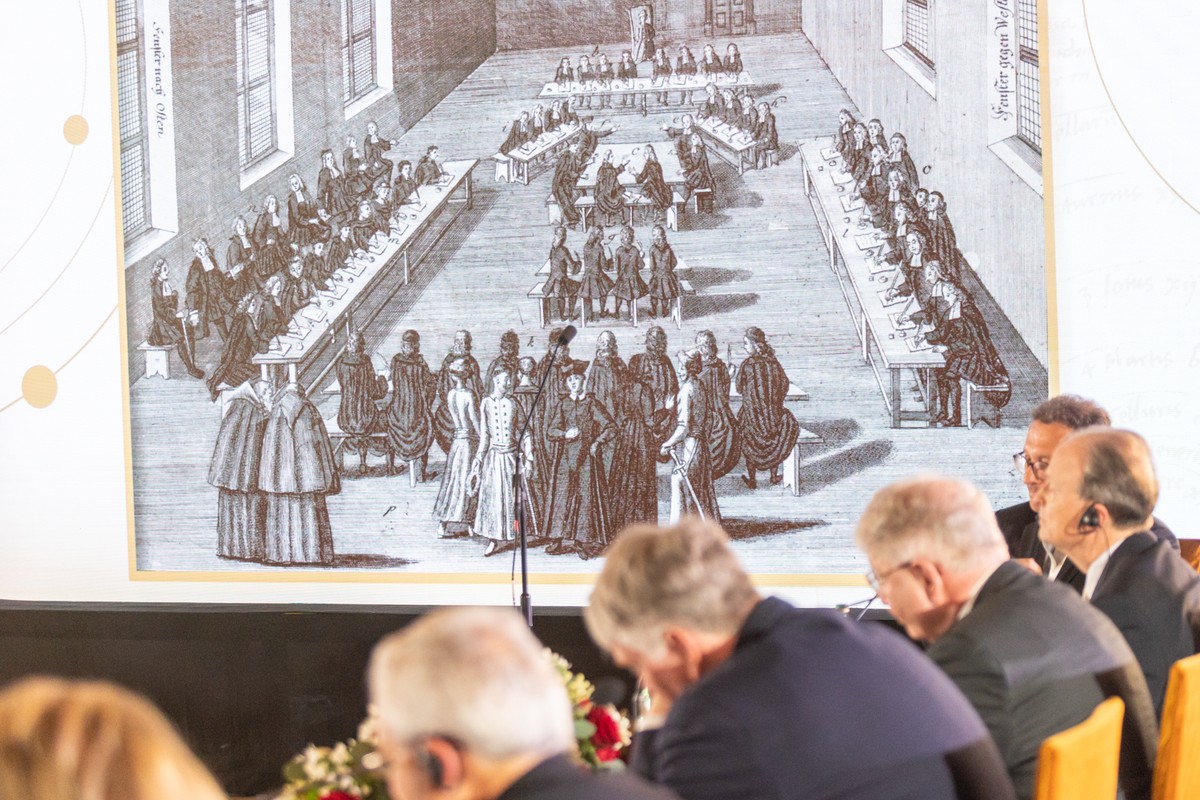
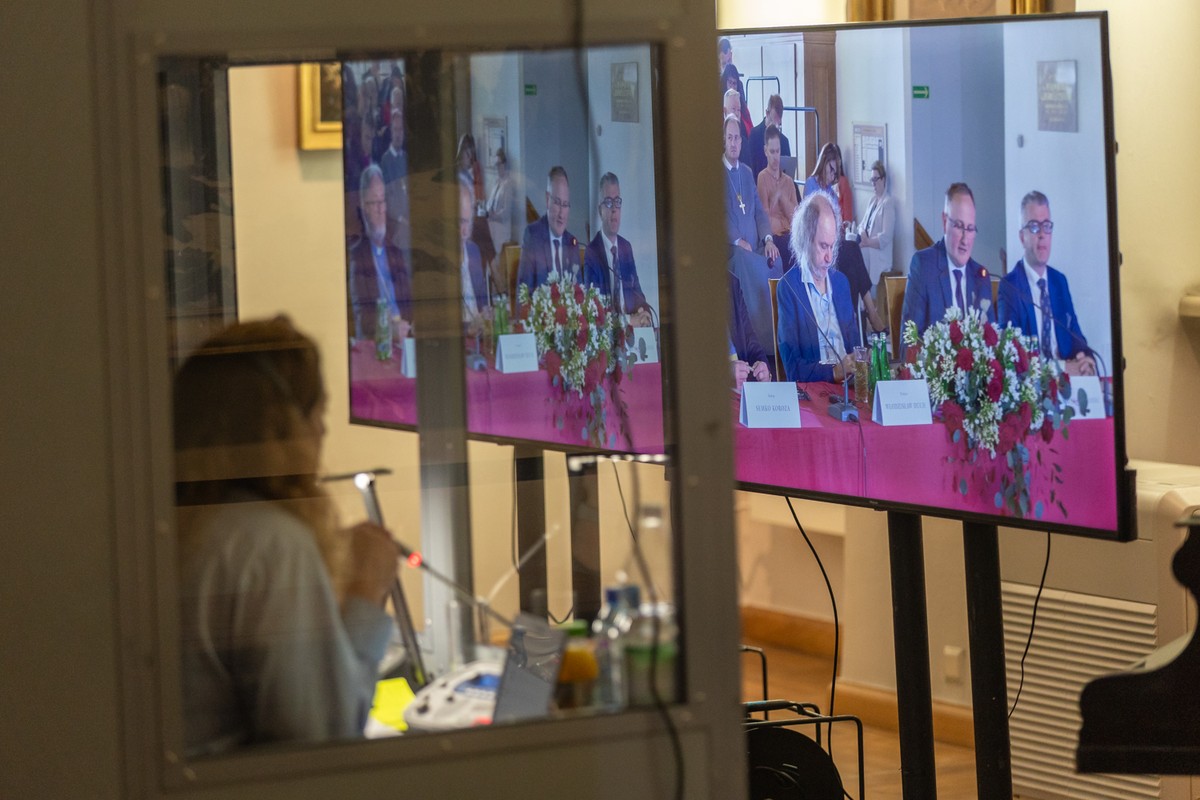
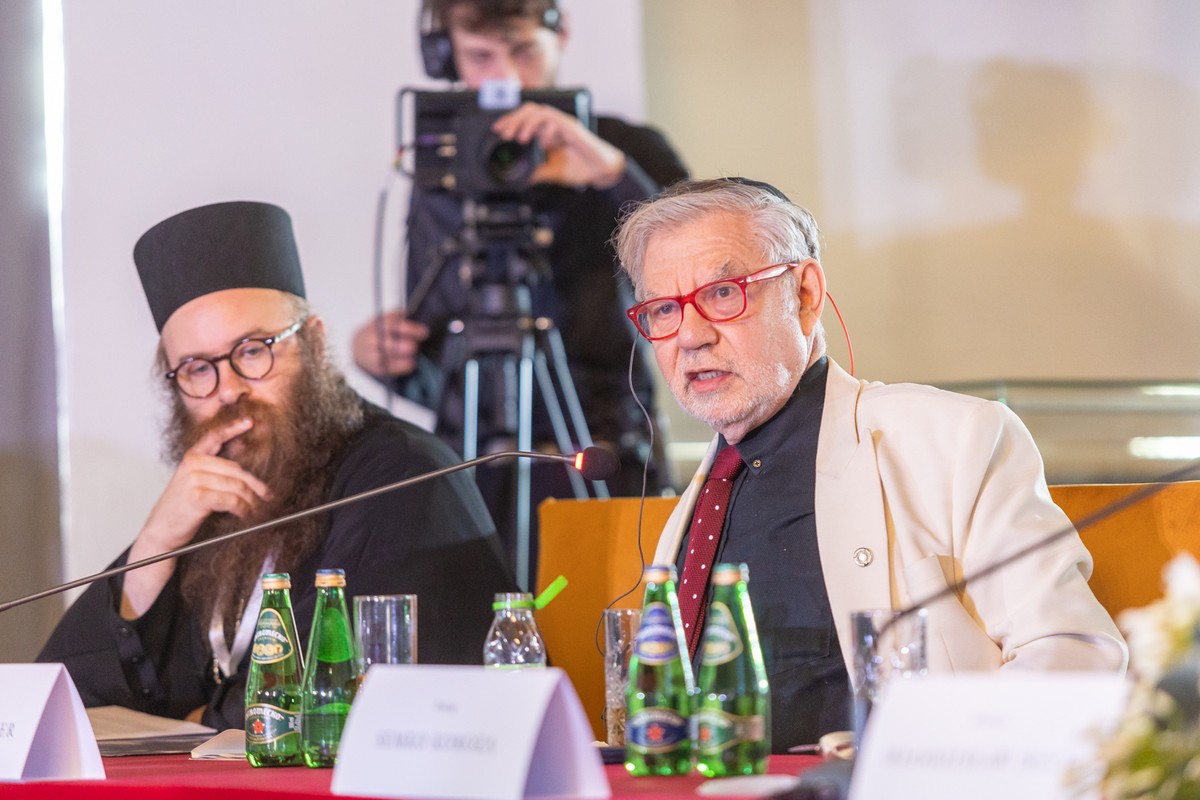
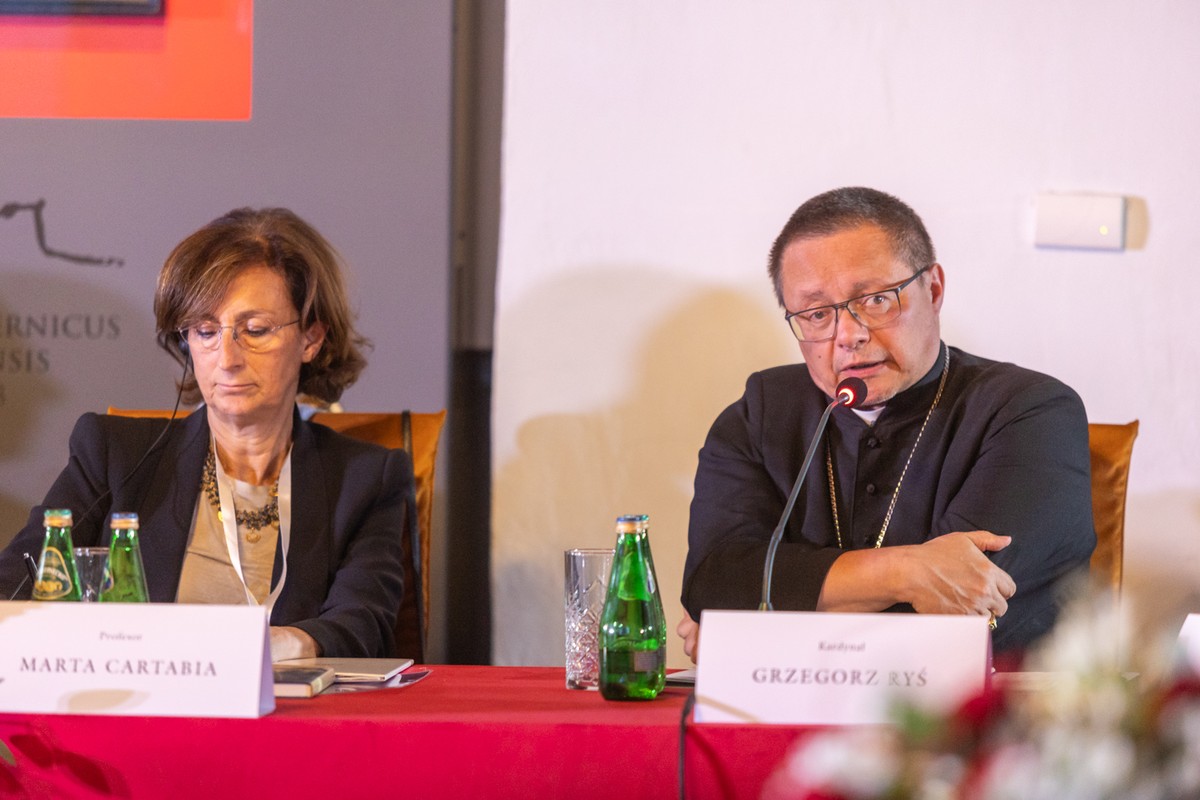
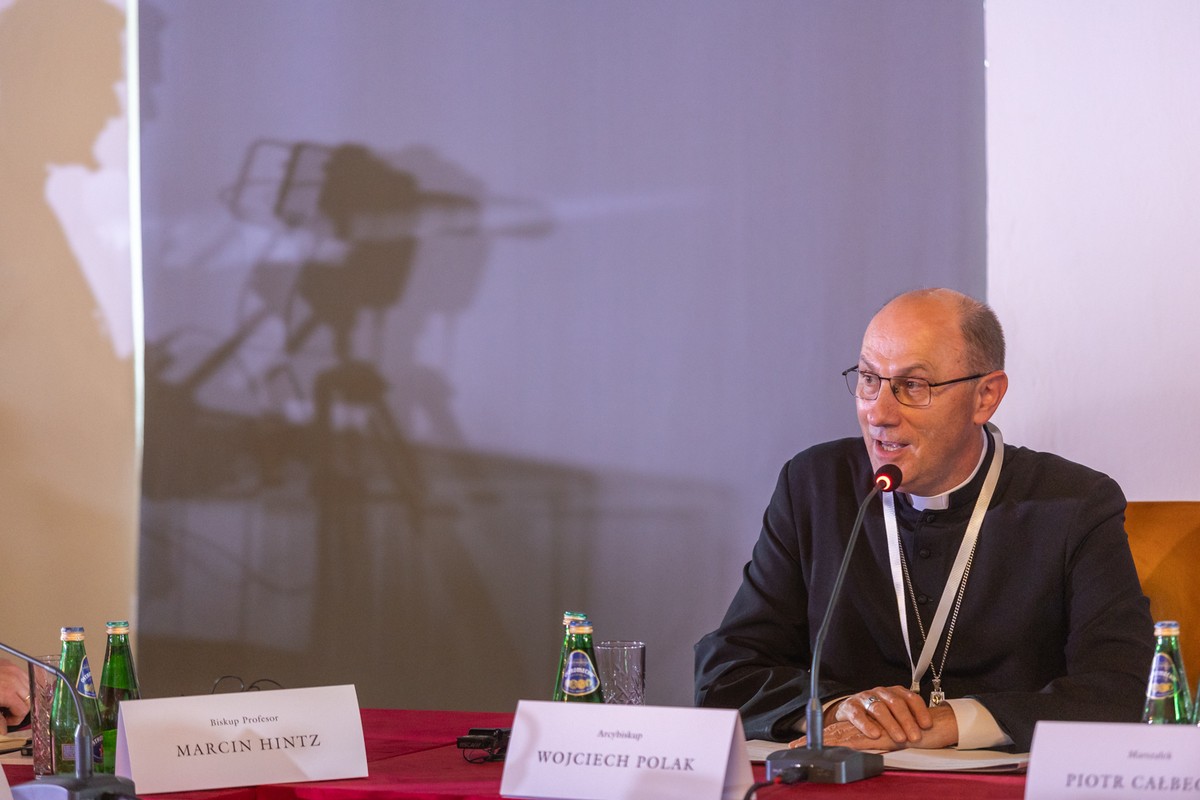
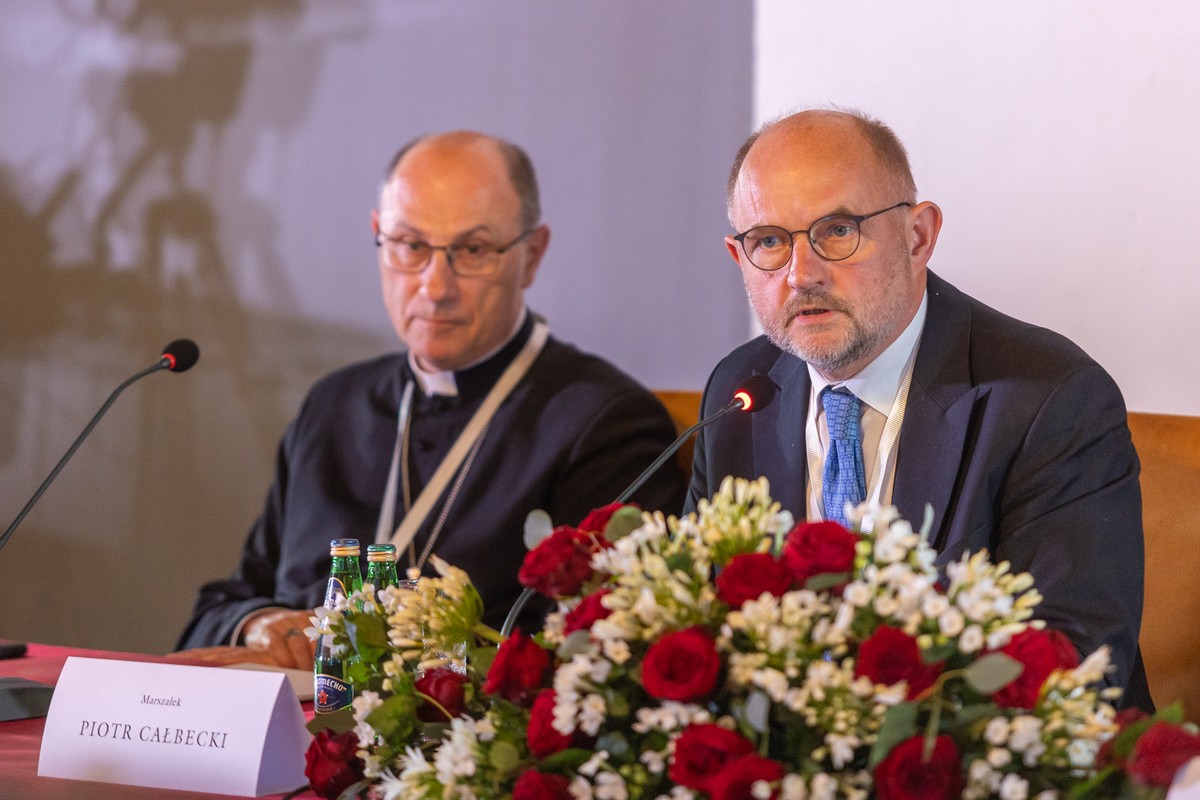
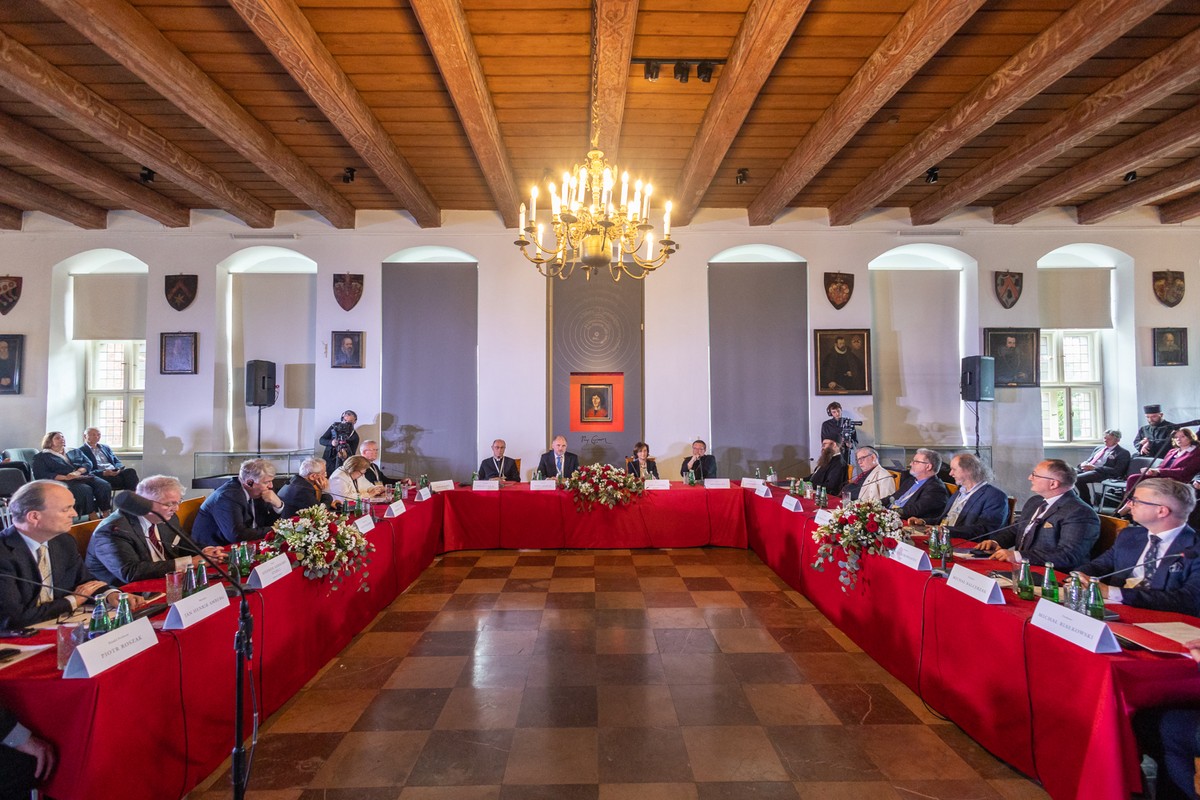
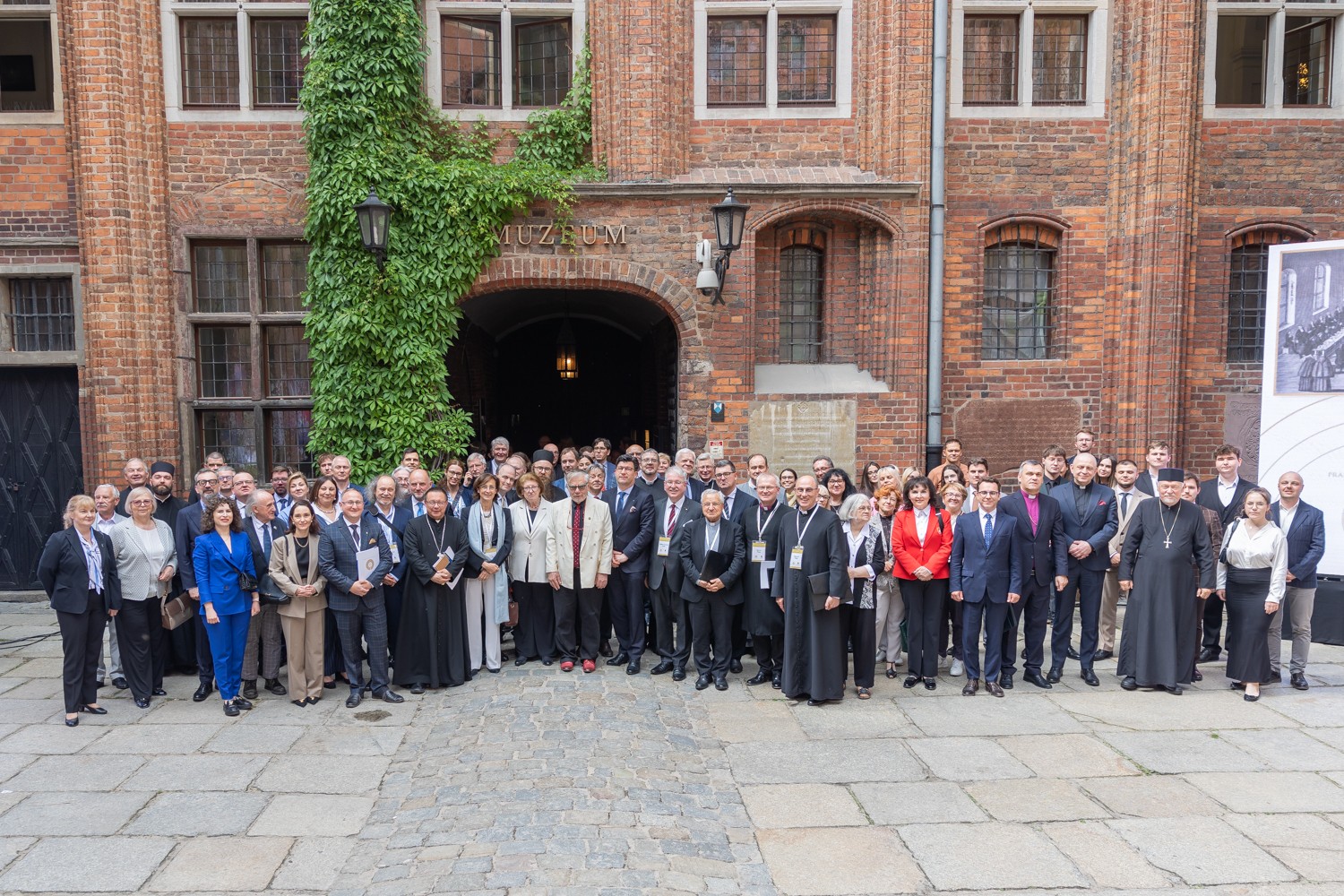
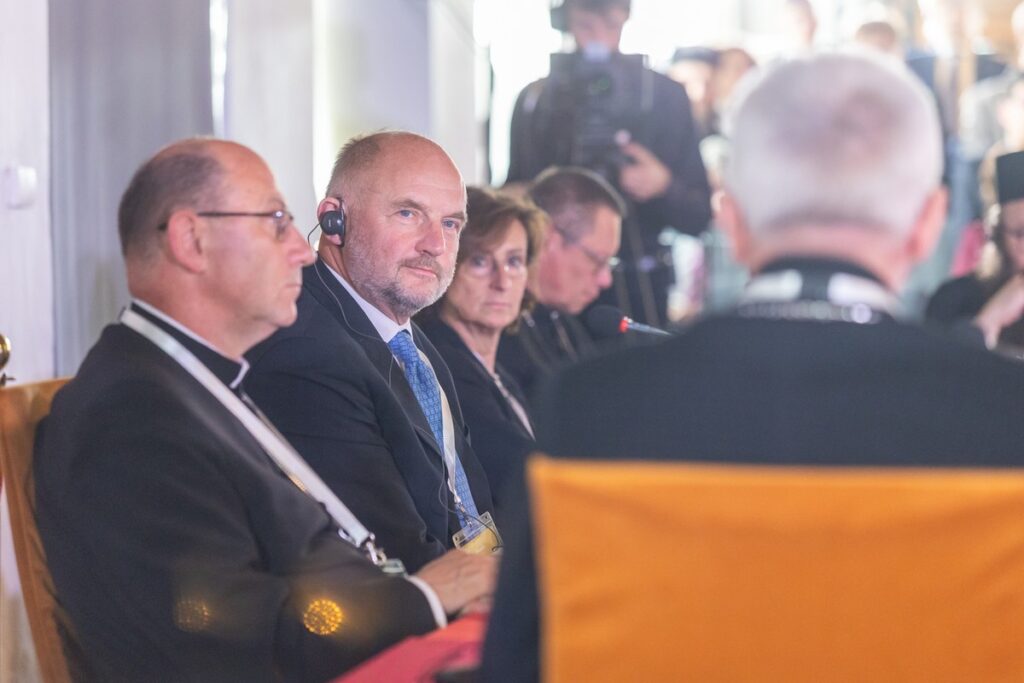
Marshal Piotr Całbecki and the Primate of Poland, Archbishop Wojciech Polak, hosted Colloquium Charitativum Novum — an international gathering of intellectuals organized as part of the celebrations of the Kujawsko-Pomorskie Region Day and inspired by the historic Colloquium Charitativum held in Toruń in 1645. Among the participants was Italian jurist Professor Marta Cartabia, this year’s recipient of the Nicolaus Copernicus Fides et Ratio Award, who delivered the inaugural lecture.
“Colloquium Charitativum Novum is a response to the problems of the contemporary world. A world seeking a way out of a deepening crisis of values. A world moving toward — or already existing in — a state of global conflict and numerous wars,” said Marshal Piotr Całbecki during the press briefing preceding the event. “We are troubled by tensions rooted in contempt for human dignity. In this world of seemingly unlimited access to information, it is very difficult to find information grounded in genuine authority. (…) Dialogue on the Internet becomes (…) the negation of dialogue itself, because it does not lead to a deeper understanding of truth,” he added in his opening address at the Colloquium.
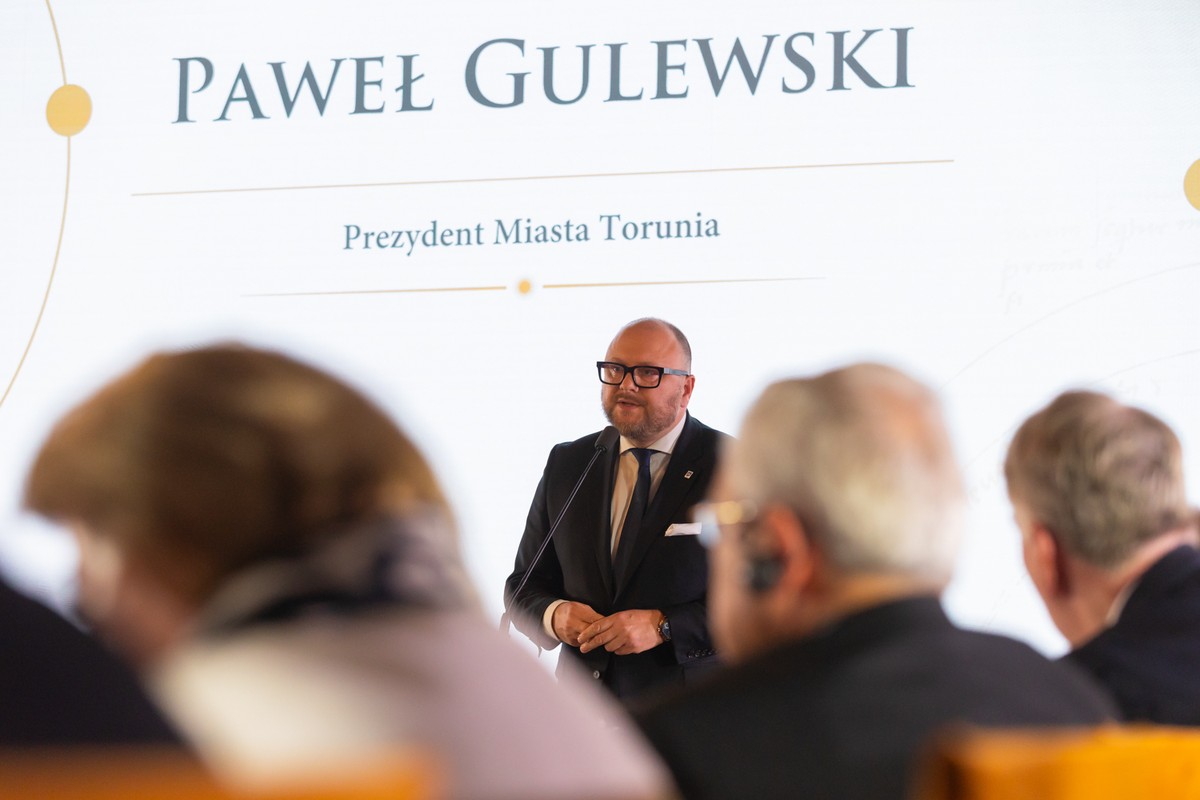
“We are going through a change of epoch. This is not an epoch of changes, but a true and profound change of epoch. The technological revolution and the new dimension of economic actors have suddenly transformed the face of the world. The legal order that ensured the peaceful regulation of political, economic, and international relations throughout the twentieth century now seems incapable of governing the present. Once again, law is losing to the use of force, or the rule of law is yielding to the rule of power. The world appears dominated by a ‘culture of power’ (…). Among the factors shaping the present era, the rapid spread of wars and the deepening crisis of democracy undoubtedly prevail. (…) To break the cycle of violence, we must uproot it completely: recover the sense of limitation, vulnerability, and fragility proper to the human condition. (…) In the history of this magnificent yet wounded humanity, every day we face the alternative between the cult of power — our contemporary Tower of Babel — and the rebuilding of the walls of Jerusalem. This is an opportunity offered to the freedom of every individual on the construction sites of history, where each person assumes responsibility,” Professor Cartabia stated in her lecture.
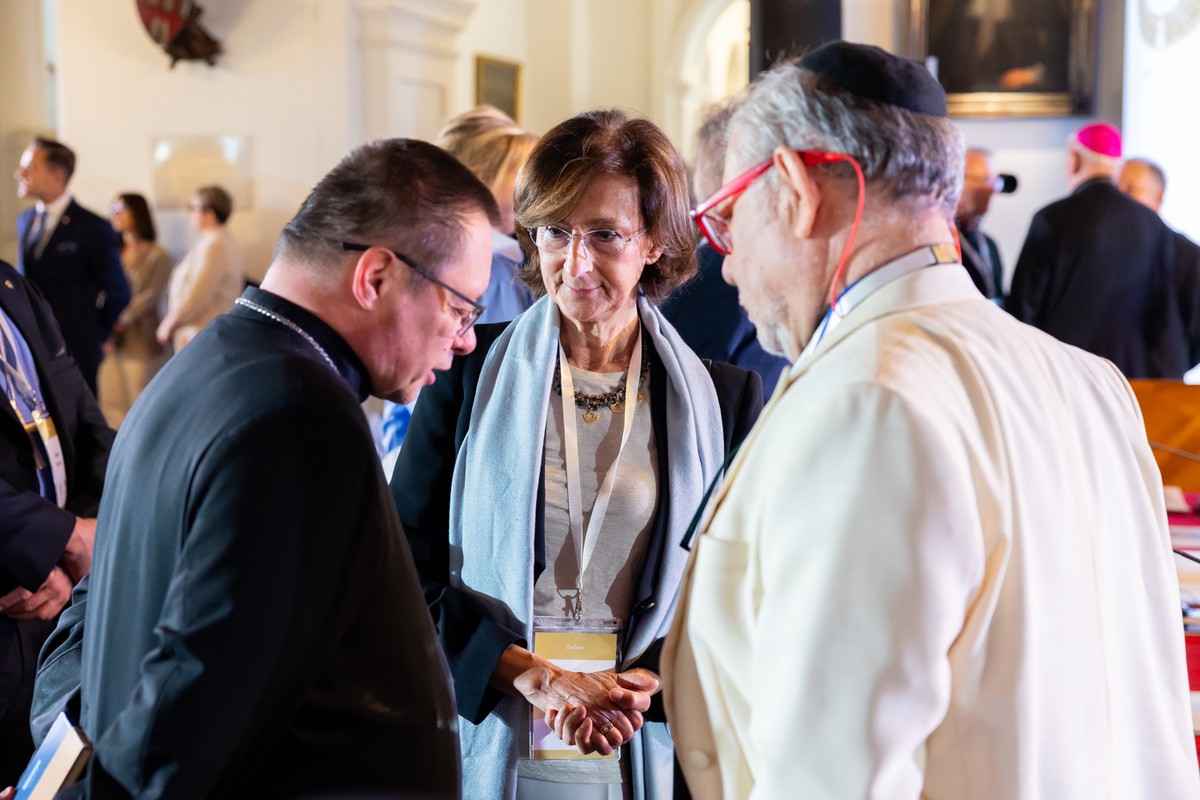
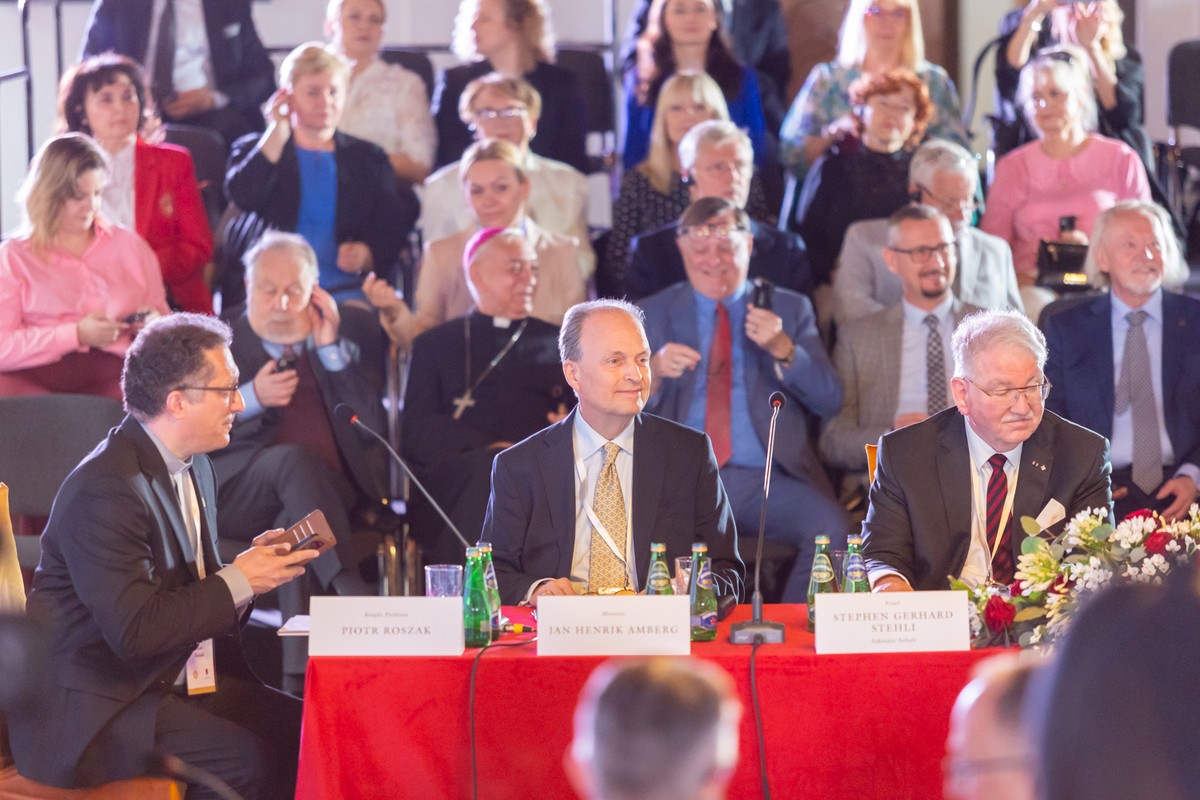
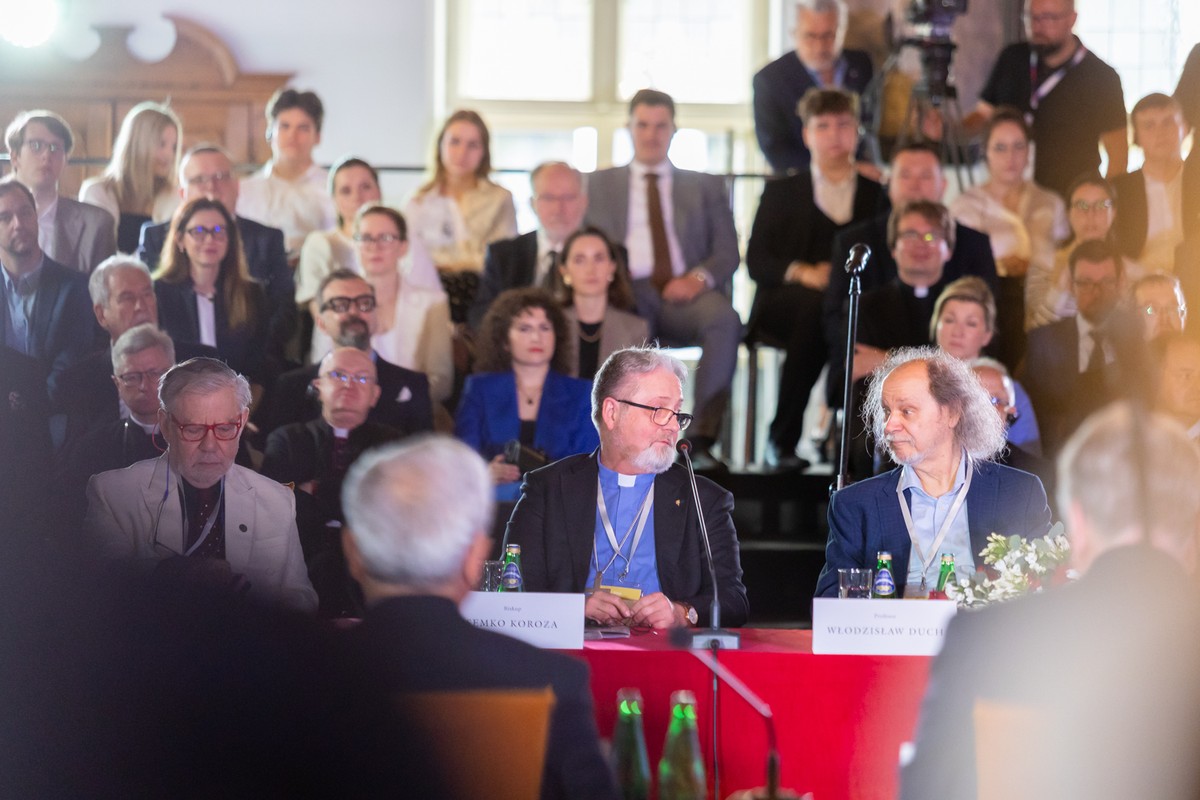
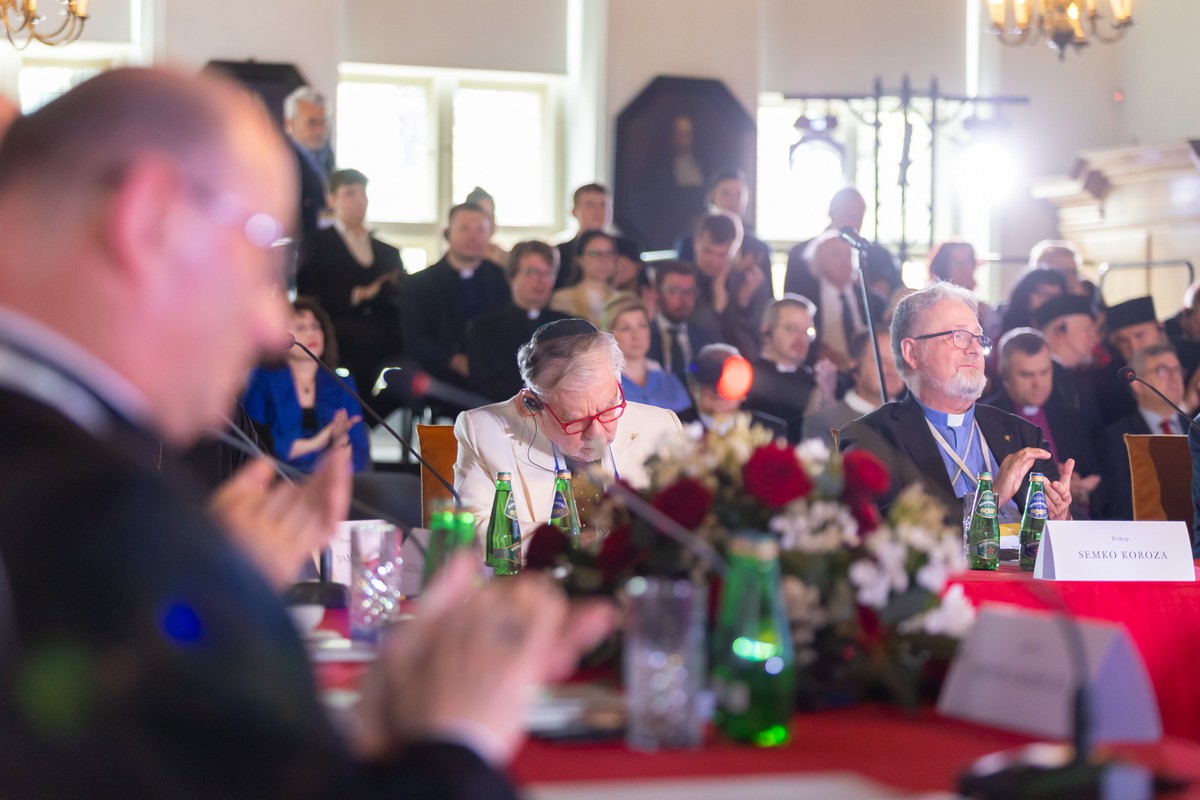
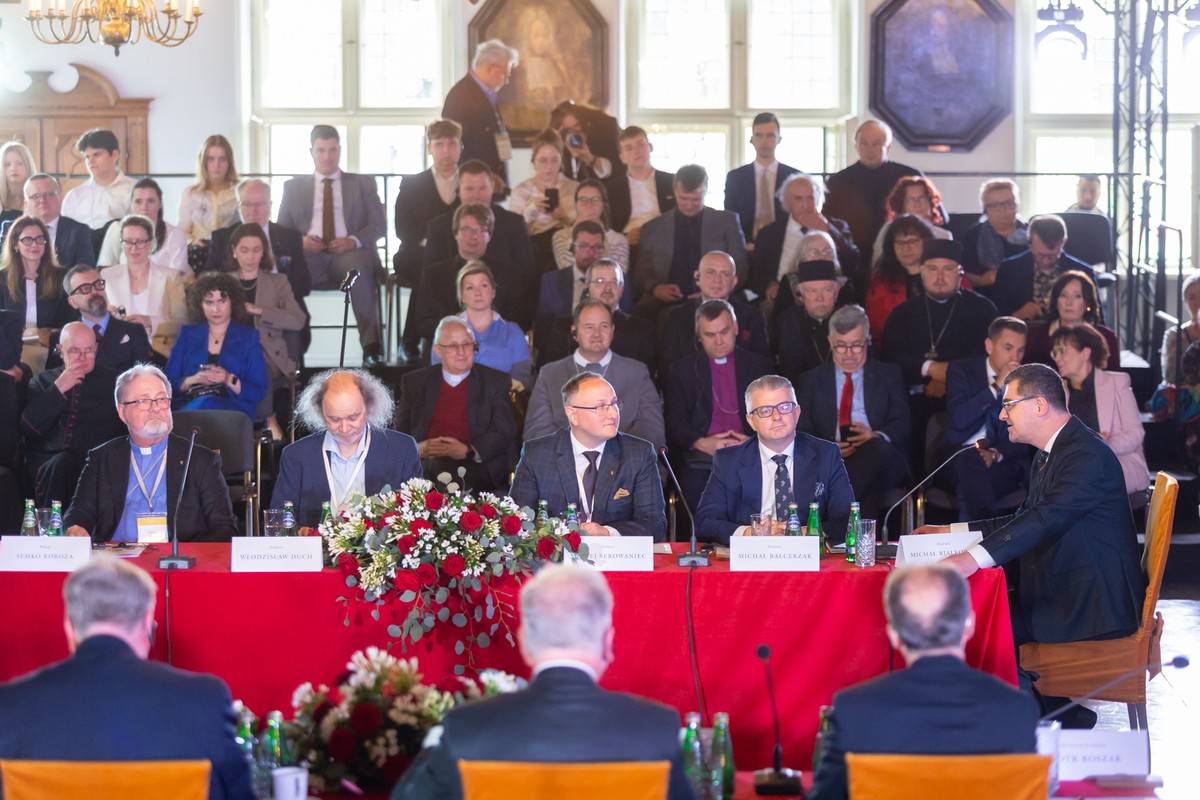
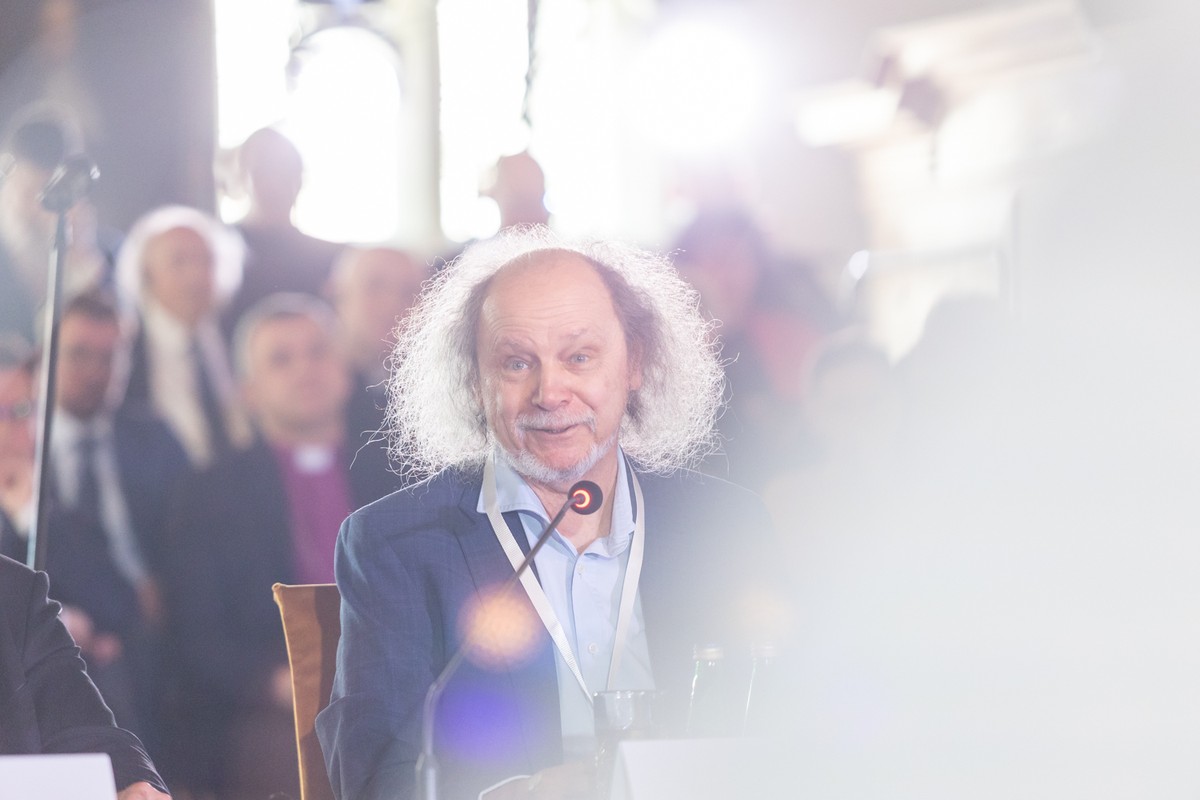
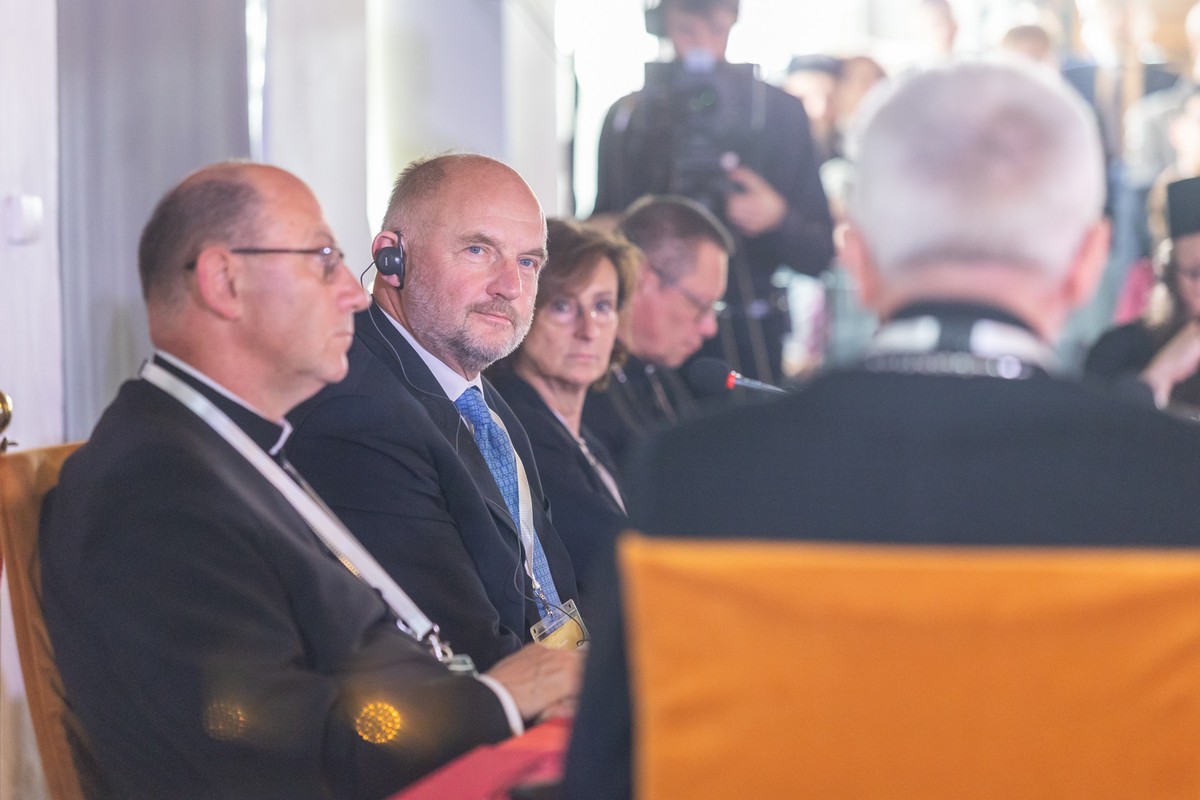
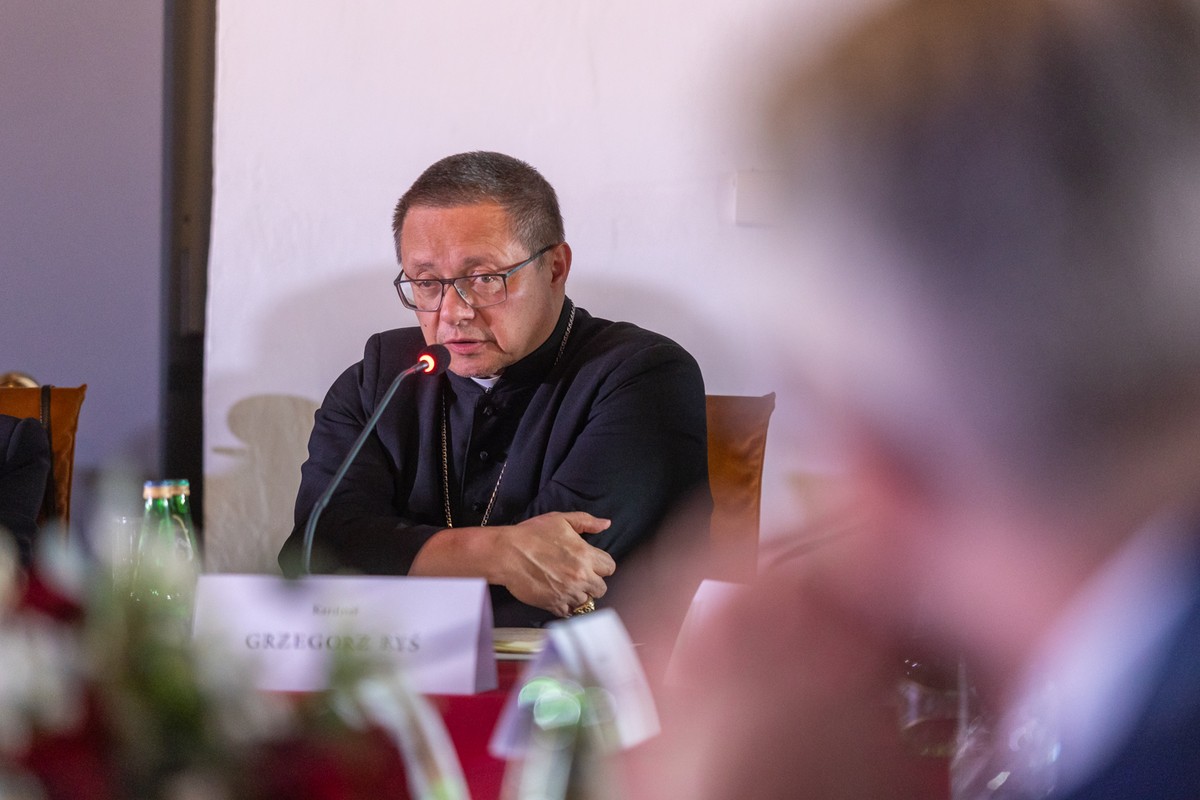
Participants in the event also included, among others: Cardinal Grzegorz Ryś, Archbishop of Kraków; world-renowned intellectual, jurist, thinker, and scholar Joseph Weiler; former Polish Prime Minister and Ambassador of Poland to the Holy See Professor Hanna Suchocka; member of the parliament of the German state of Saxony-Anhalt Stephen Gerhard Stehli; Finnish-Greek theologian, musician, and Orthodox auxiliary bishop of Tallinn Fr. Jaakko (Damaskinos) Olkinuora; British clergyman, theologian, and astrophysicist David Adam Wilkinson; Swedish diplomat and lawyer Jan Henrik Amberg; distinguished Maltese theologian, philosopher, and bioethicist Emanuel Agius; physicist, computer scientist, and cognitive scientist from Nicolaus Copernicus University Professor Włodzisław Duch; and historian from Nicolaus Copernicus University and President of the Toruń Catholic Intelligentsia Club Professor Michał Białkowski.
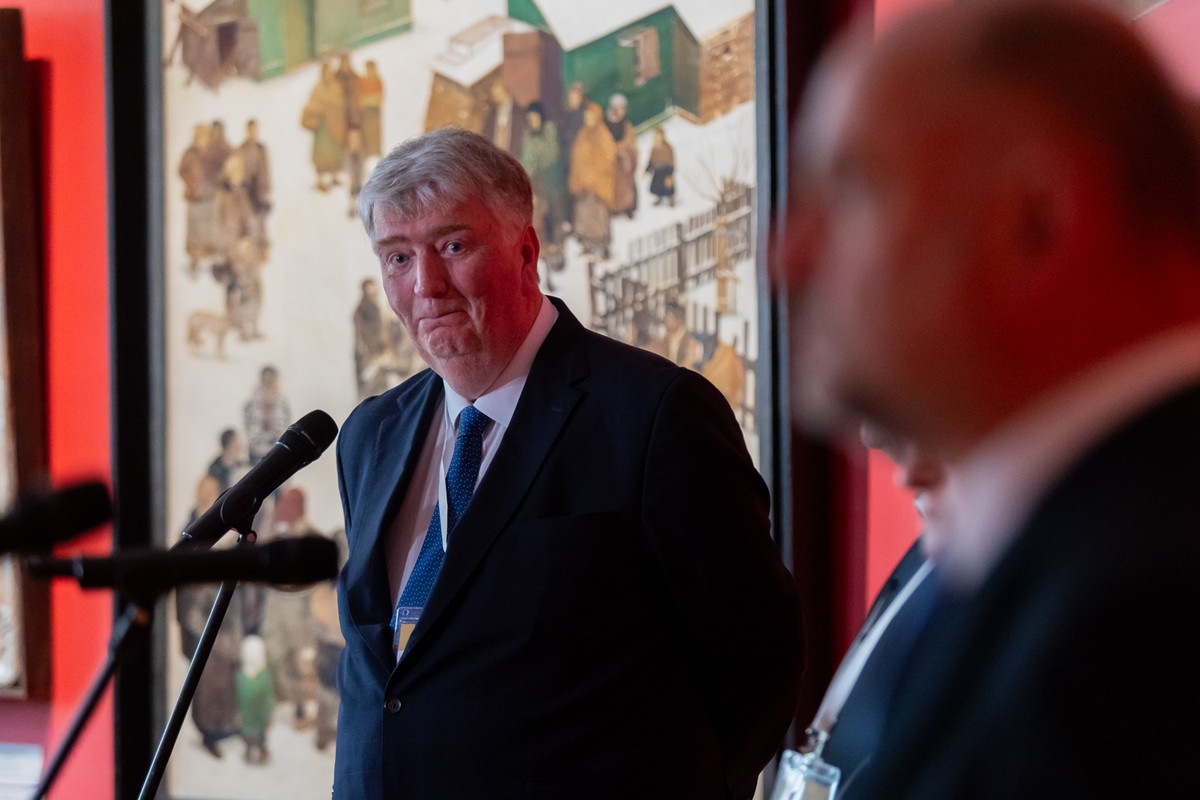
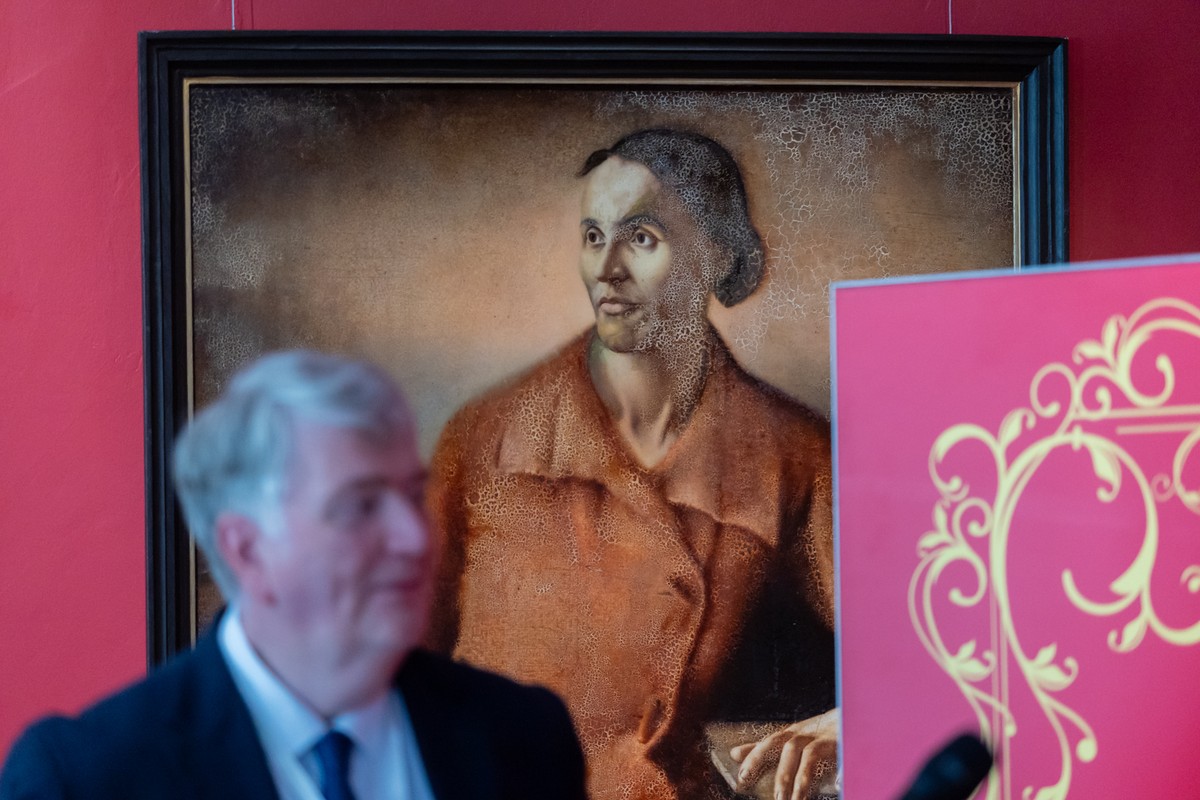
“Science and faith have often been portrayed as being in conflict. (…) This is a myth reinforced by certain scientists and by the media. (…) Science raises enormous ethical and philosophical questions, yet religion is frequently marginalized in these discussions as irrelevant or destructive — while ignoring the centuries-old intellectual tradition concerned with questions of human identity, humanity’s relationship with the rest of creation, and the significance of transcendent experience in human history and life. (…) The dialogue between science and theology creates a space of hope. Science can offer hope — for example through its remarkable achievements in alleviating human suffering and building new communities. (…) Unfortunately, the history of the twentieth century showed that such faith in science went too far. The same science that created wonderful medicine was also used to build the gas chambers of Auschwitz. (…) In the house in Toruń believed to be the birthplace of Nicolaus Copernicus, there is one of my favorite portraits of this great thinker. (…) His hands are folded in prayer; on one side are mathematical instruments, and on the other Christ on the cross. All of these elements matter, and all are needed,” said Adam Wilkinson during the debate.
“We must constantly oppose the stupidity of the world (…) and the education of hatred. We can do so as conservatives and progressives, liberals and social democrats — with love of freedom, peace, homeland, and faith in our hearts. We may appeal to the ideals of ‘liberty, equality, and fraternity,’ to resilient tolerance and practiced humanism, but also to the Pauline triad of ‘faith, hope, and love.’ This is precisely what education for peace means — from the family to international politics and the global economy. And we can continually draw inspiration from the words of Saint John Paul II, who in 1978 called out to the world: ‘Do not be afraid! Open, indeed open wide the doors to Christ!’ Let this remain the foundation upon which Christians can contribute to a secular state rooted in the Christian understanding of human rights. (…) As Psalm 18 says: ‘With my God I can leap over a wall,’” Stephen Stehli emphasized in his passionate address.
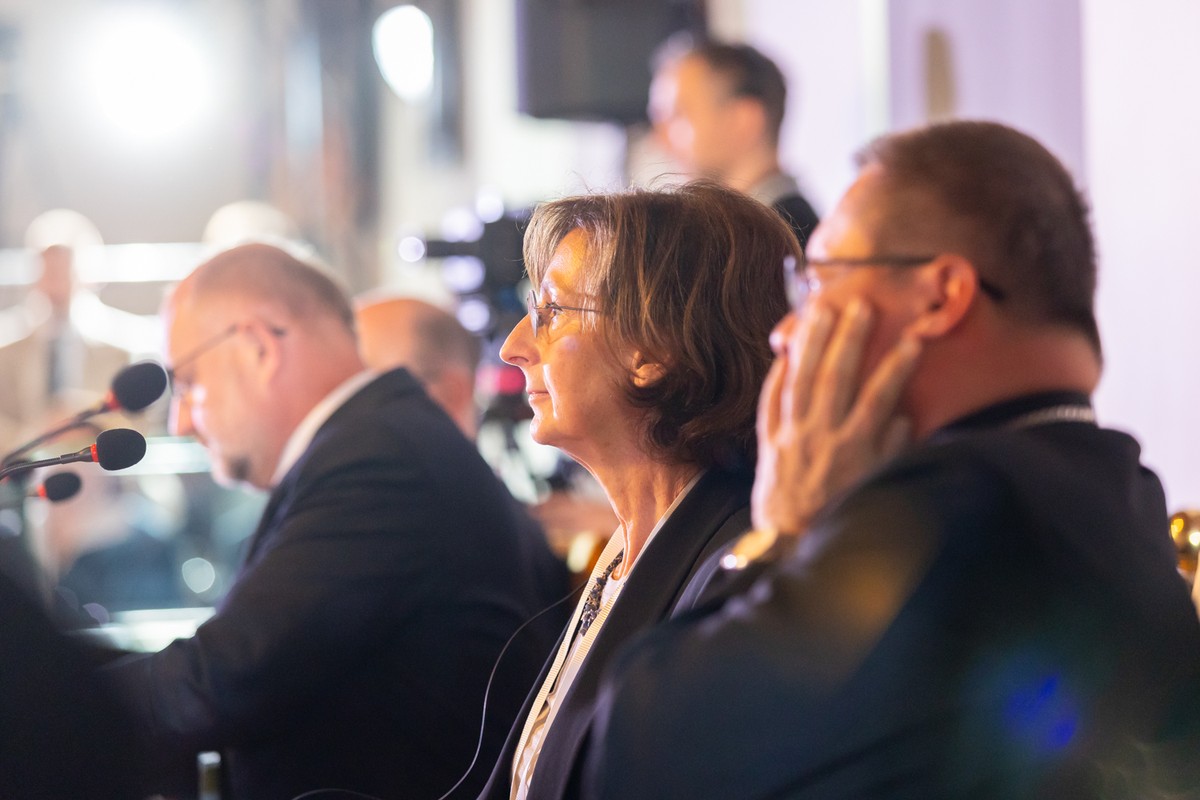
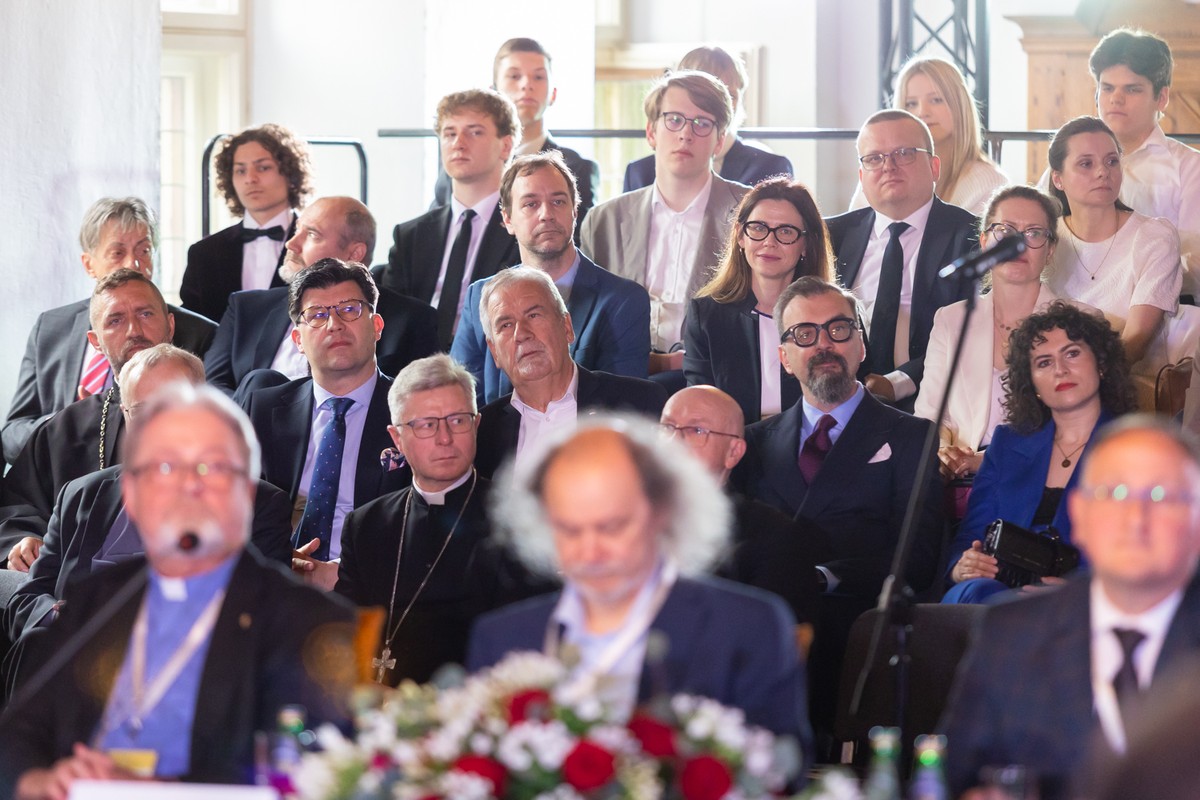
Among those attending the debate were Elżbieta Piniewska, Presdient of the Regional Parliament, and Dariusz Kurzawa, member of the regional board, as well as representatives of academia and churches and religious communities active in Poland.
Earlier, in the main auditorium of Nicolaus Copernicus University, Professor Marta Cartabia, Marshal Piotr Całbecki, and President Elżbieta Piniewska met with the region’s top scholarship recipients for the current school year — pupils from primary schools, general secondary schools, and vocational schools. The meeting was attended by 450 young people.
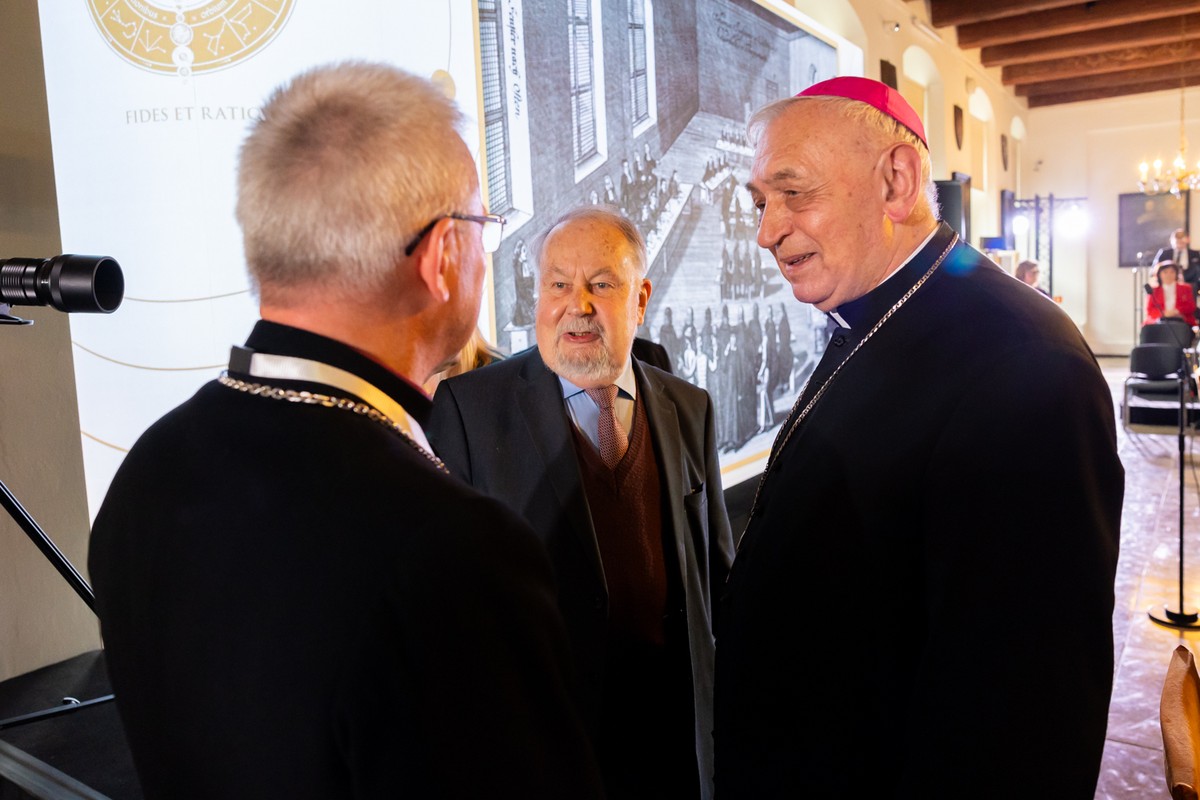
Later in the afternoon, a gala ceremony was held in the representative interiors of the Dąmbski Palace, during which Professor Marta Cartabia received the Nicolaus Copernicus Fides et Ratio Award.
Beata Krzemińska
Press Spokesperson of the Marshal’s Office
1 June 2026
Last updated: 2 June 2026