
Their Vitality Puts Younger Generations to Shame
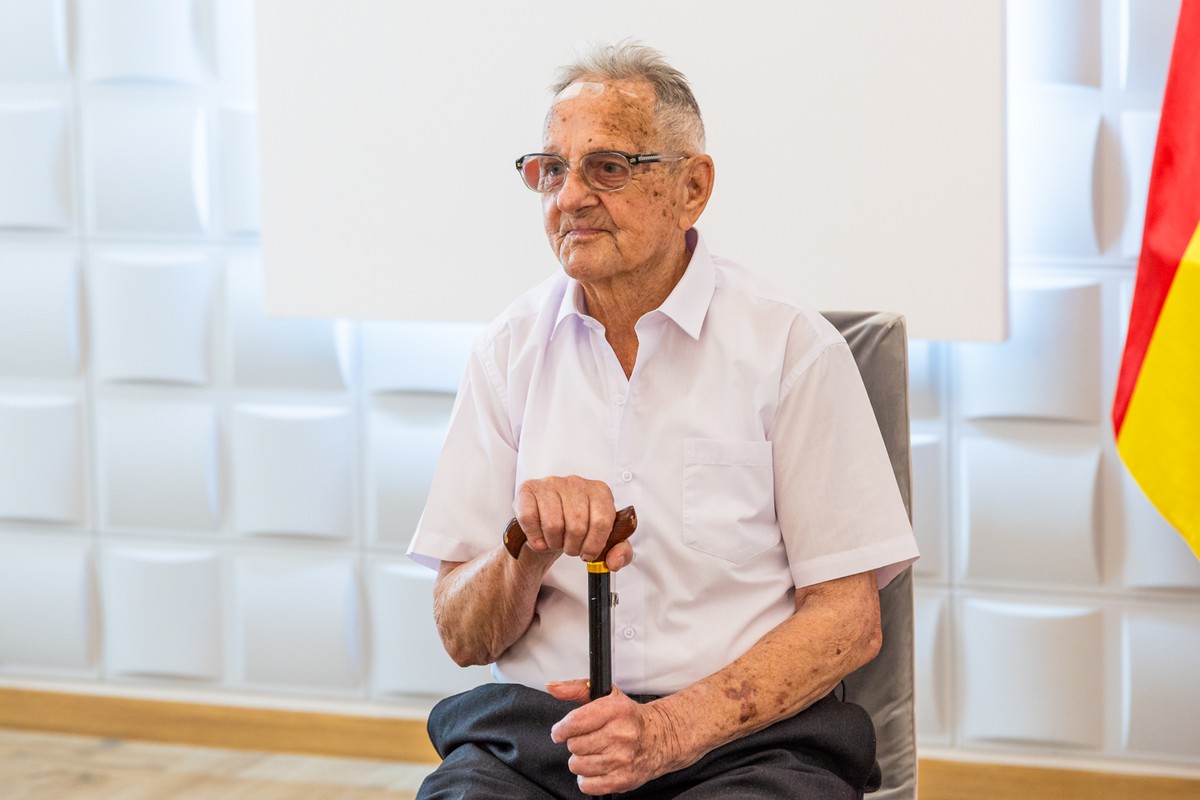
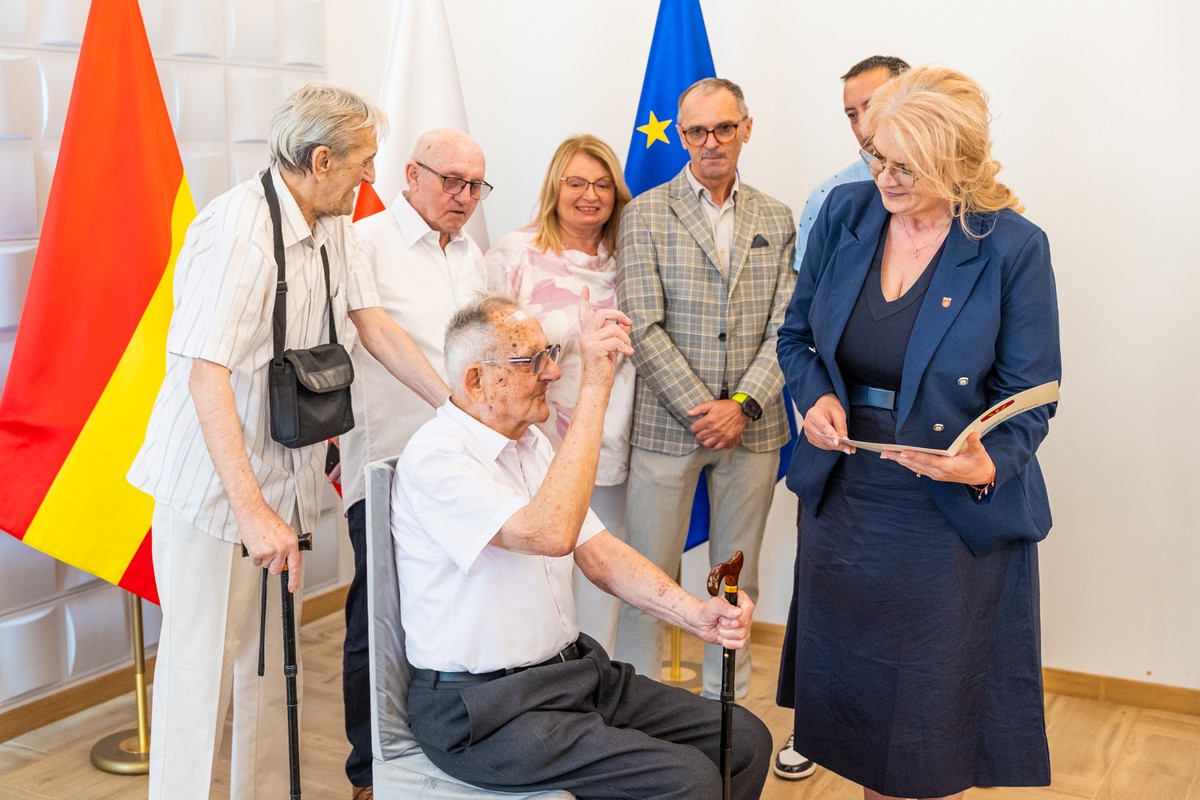
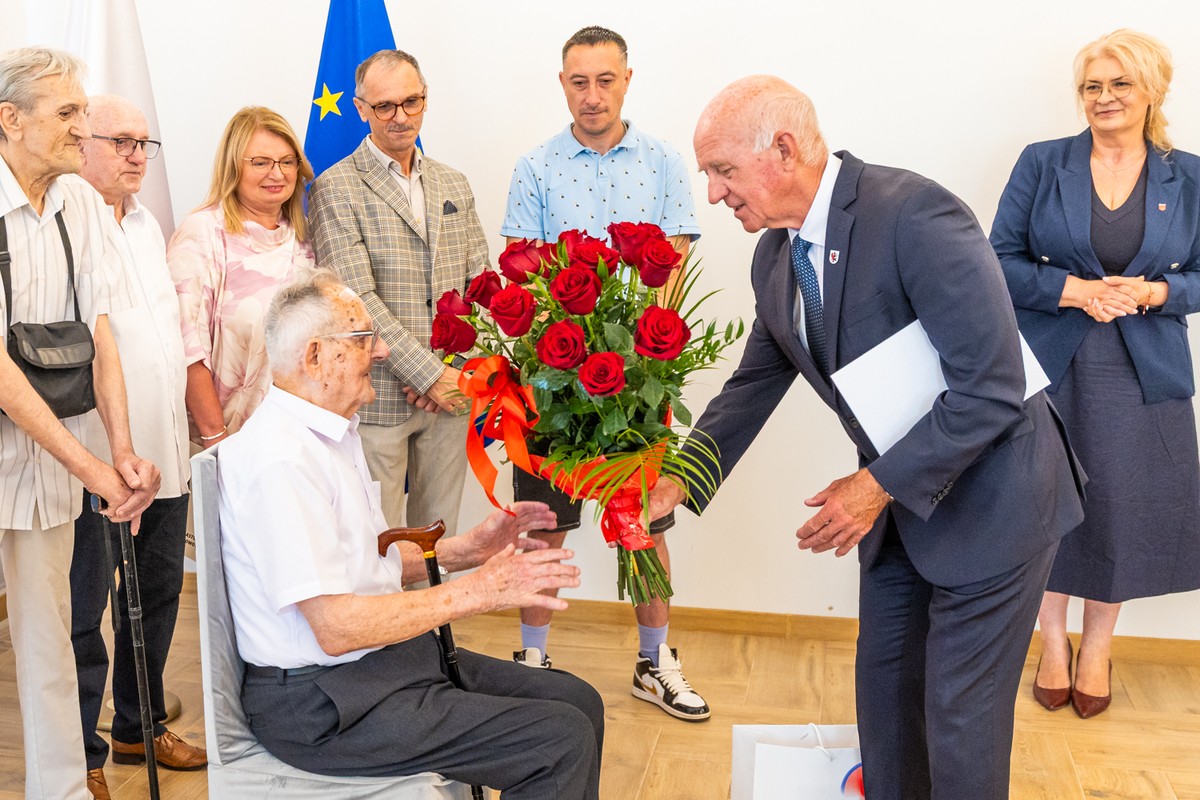
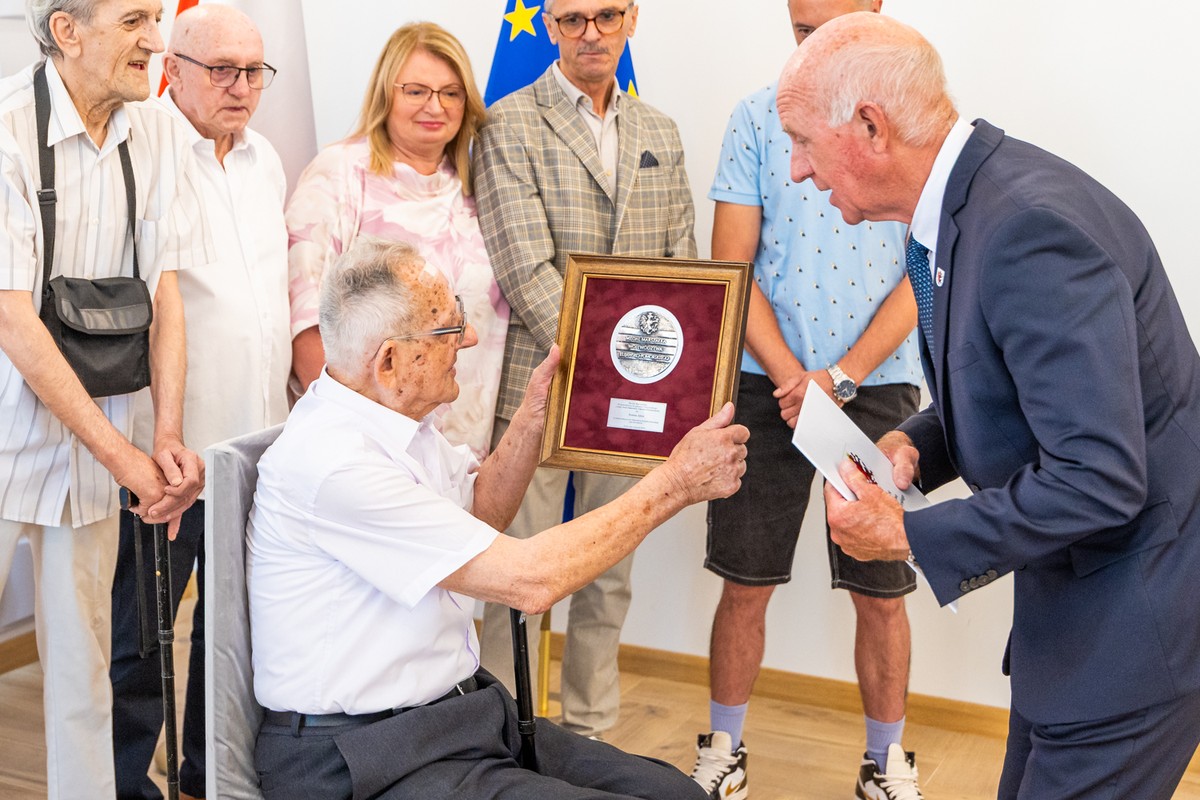
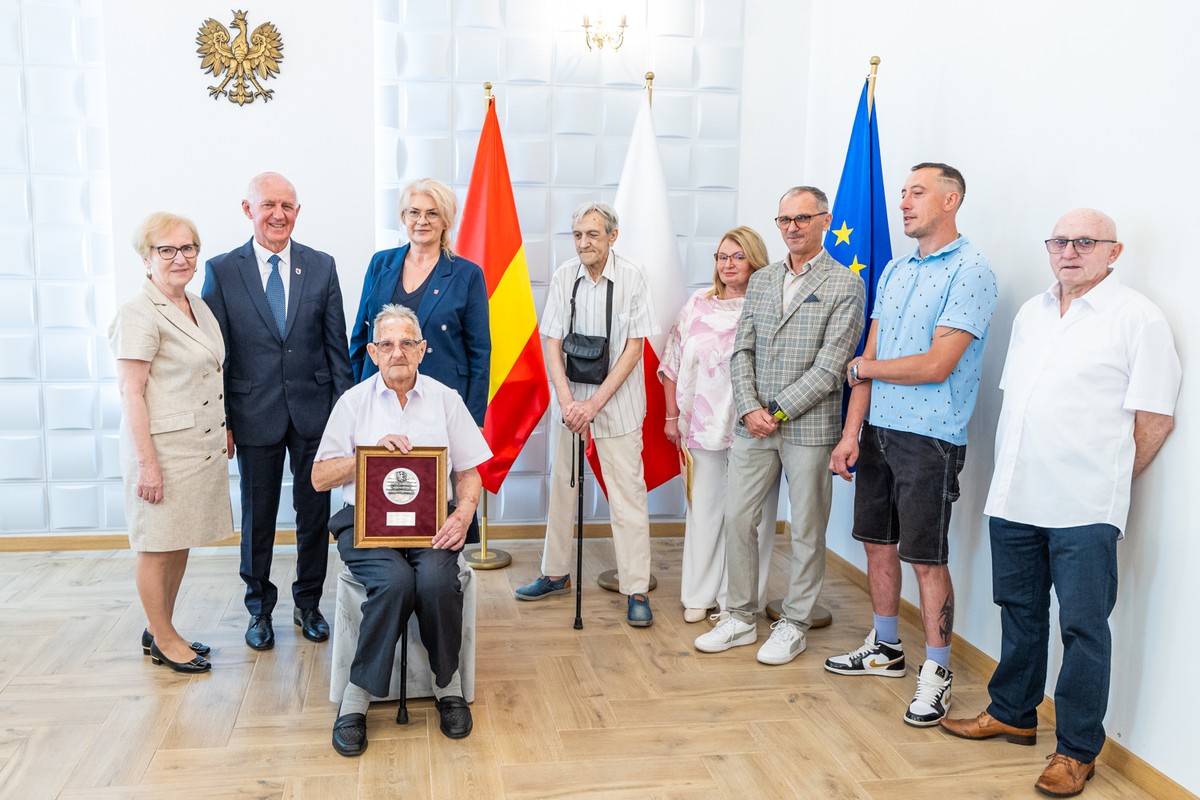
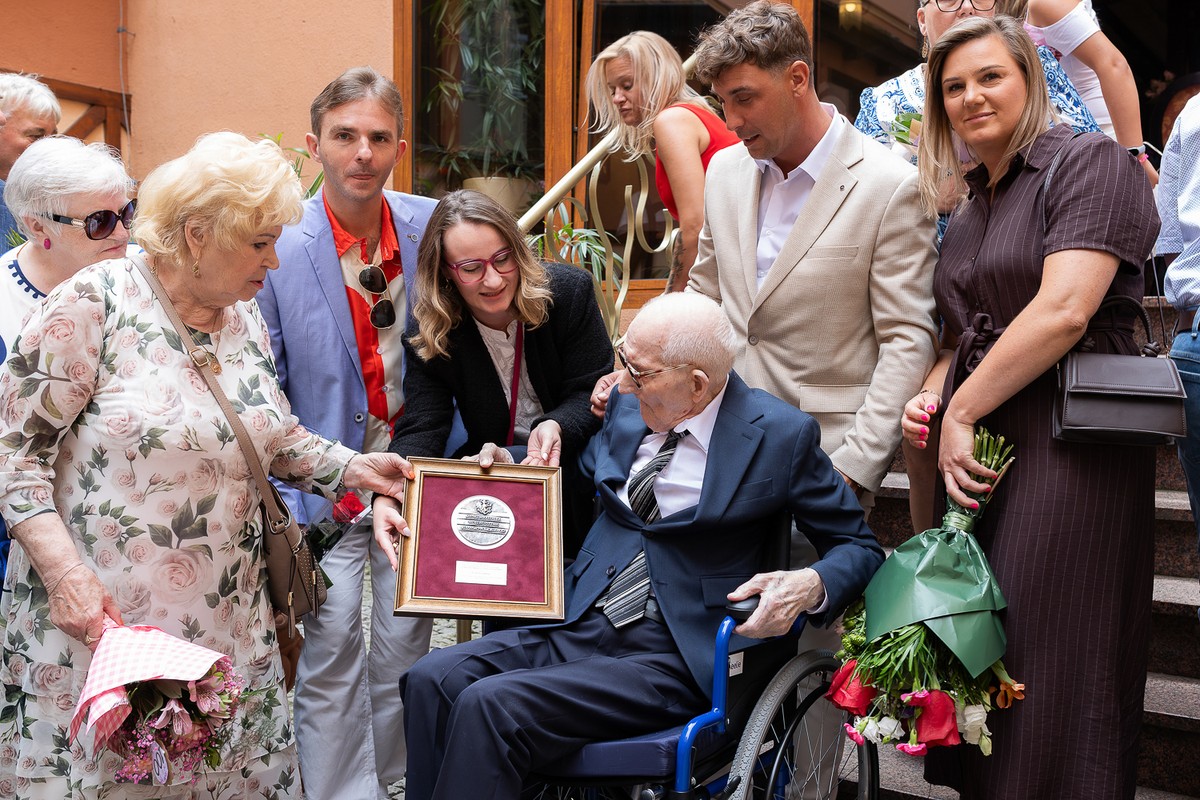
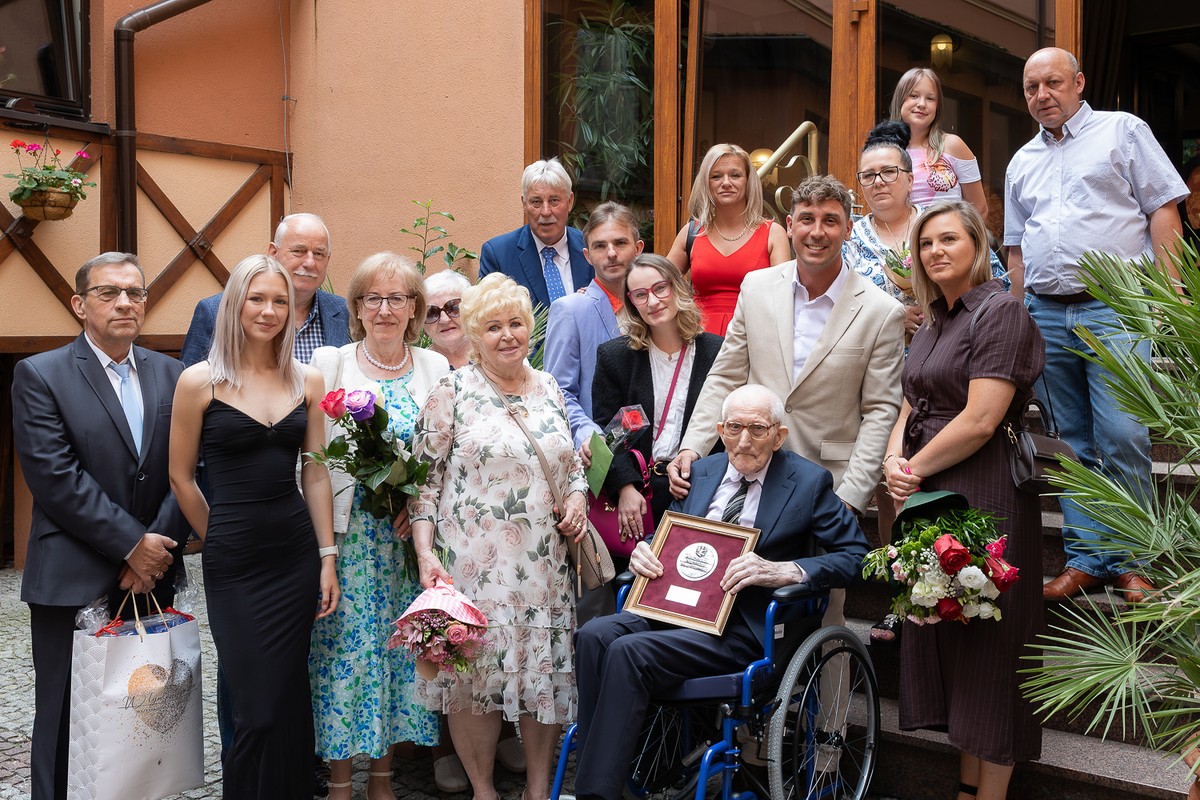
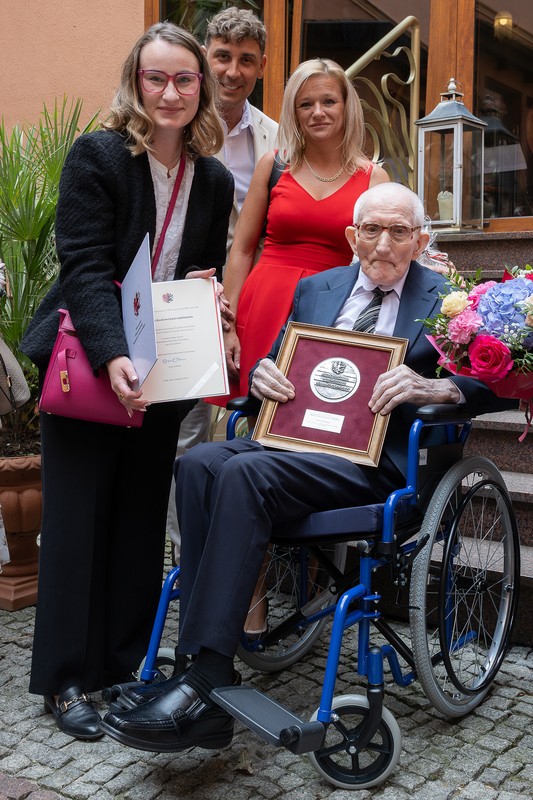
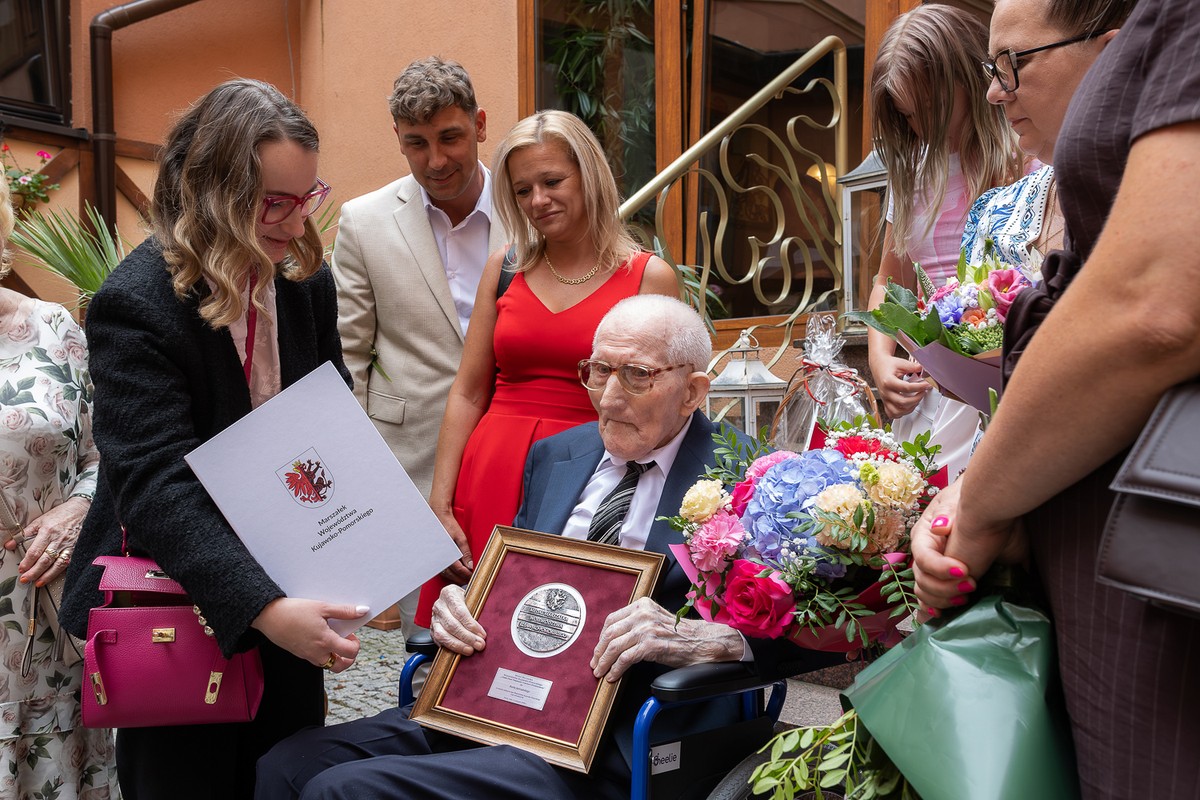
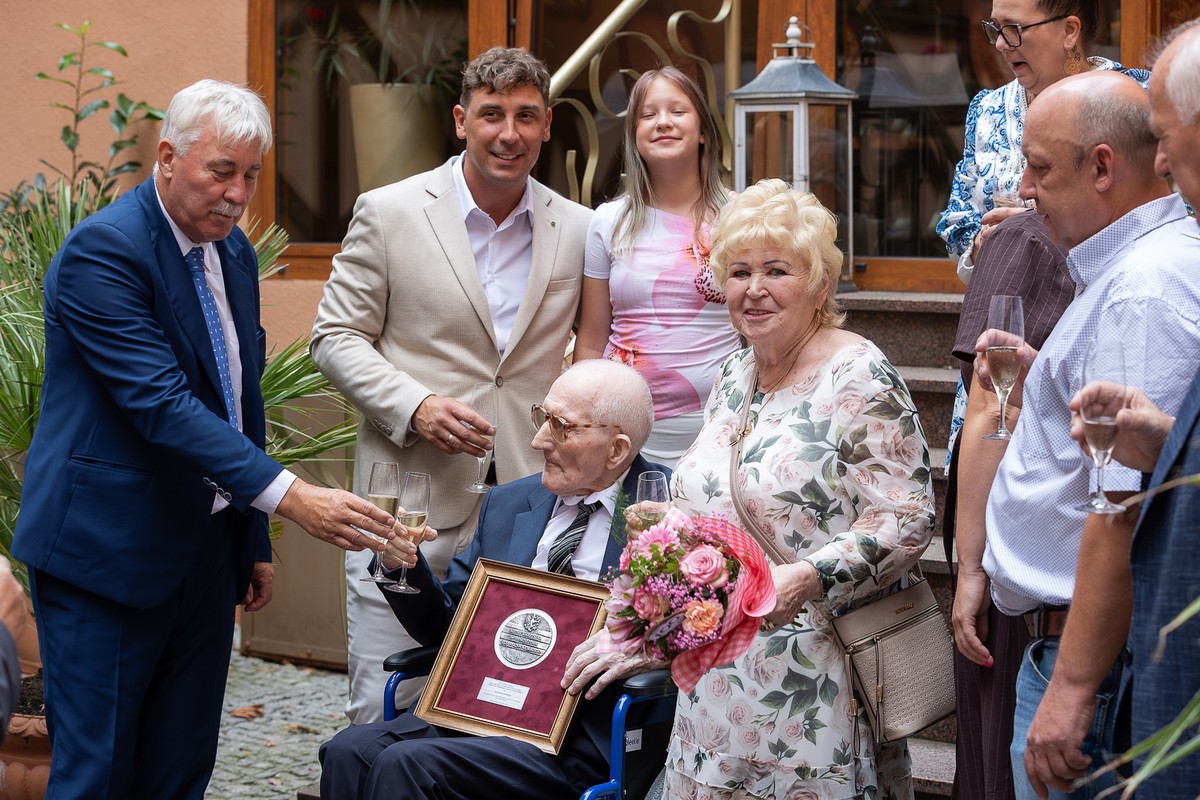
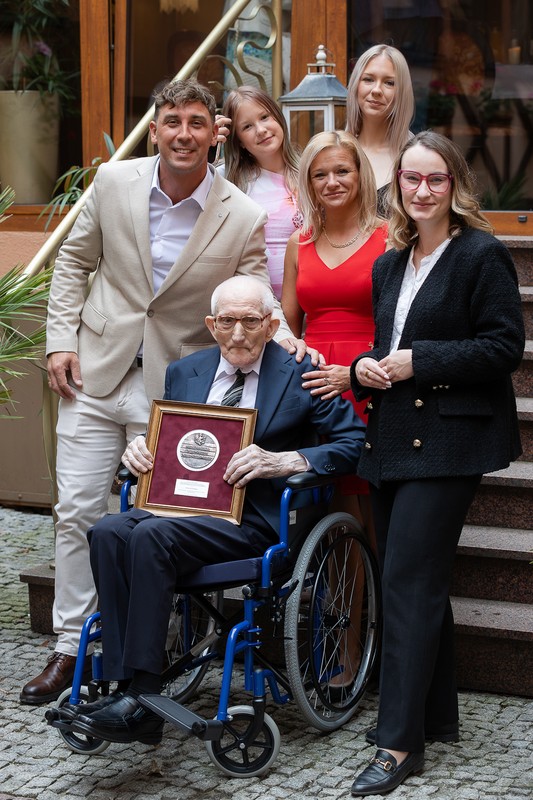
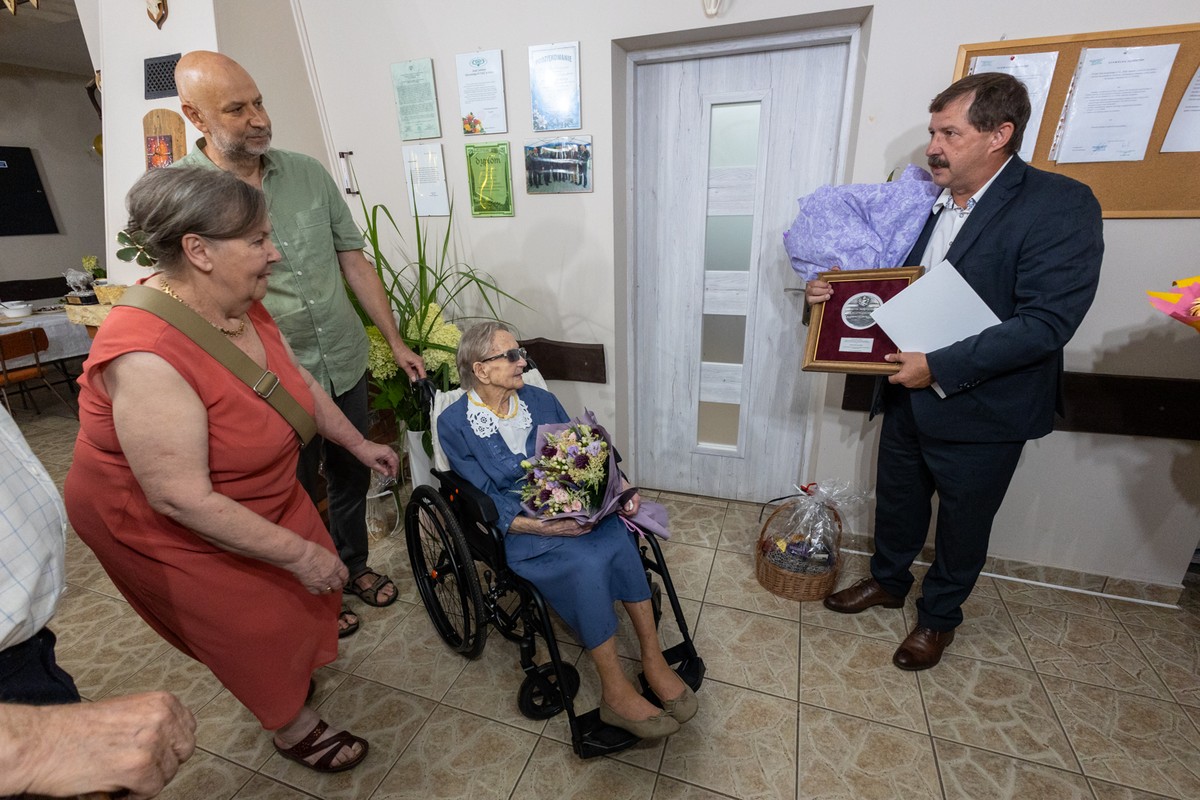
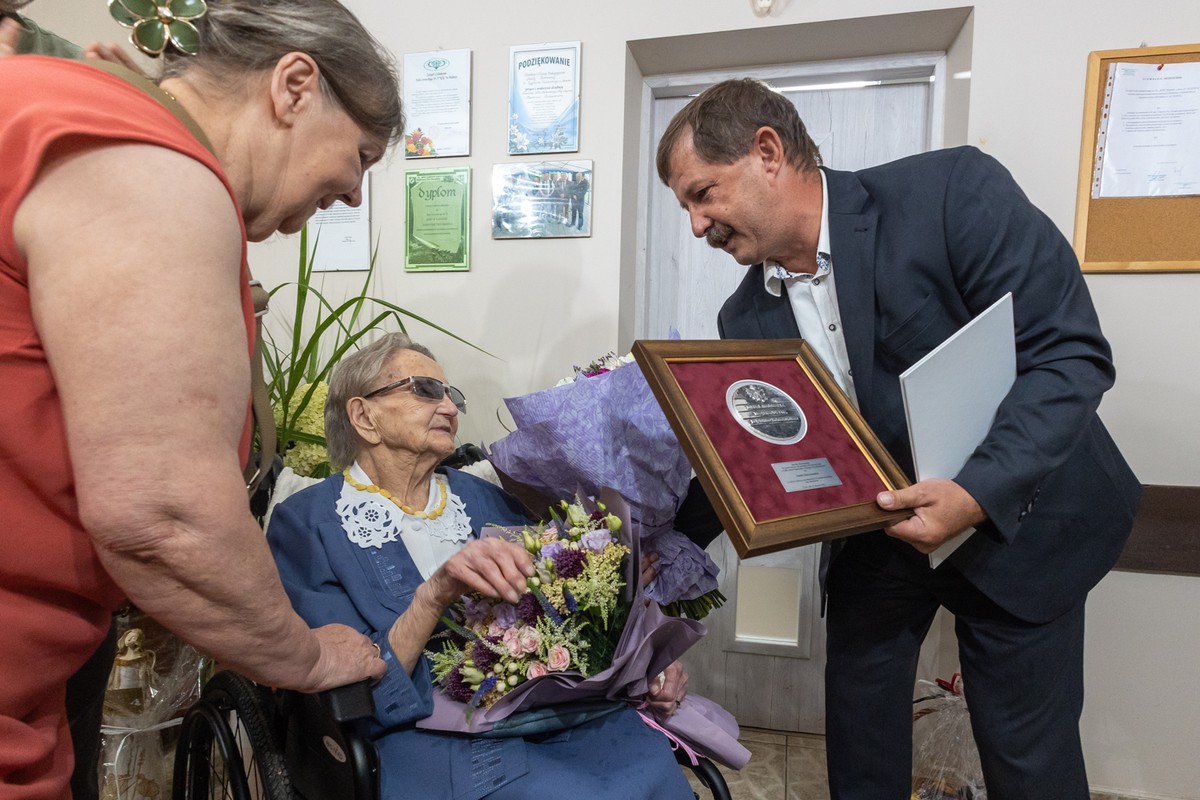
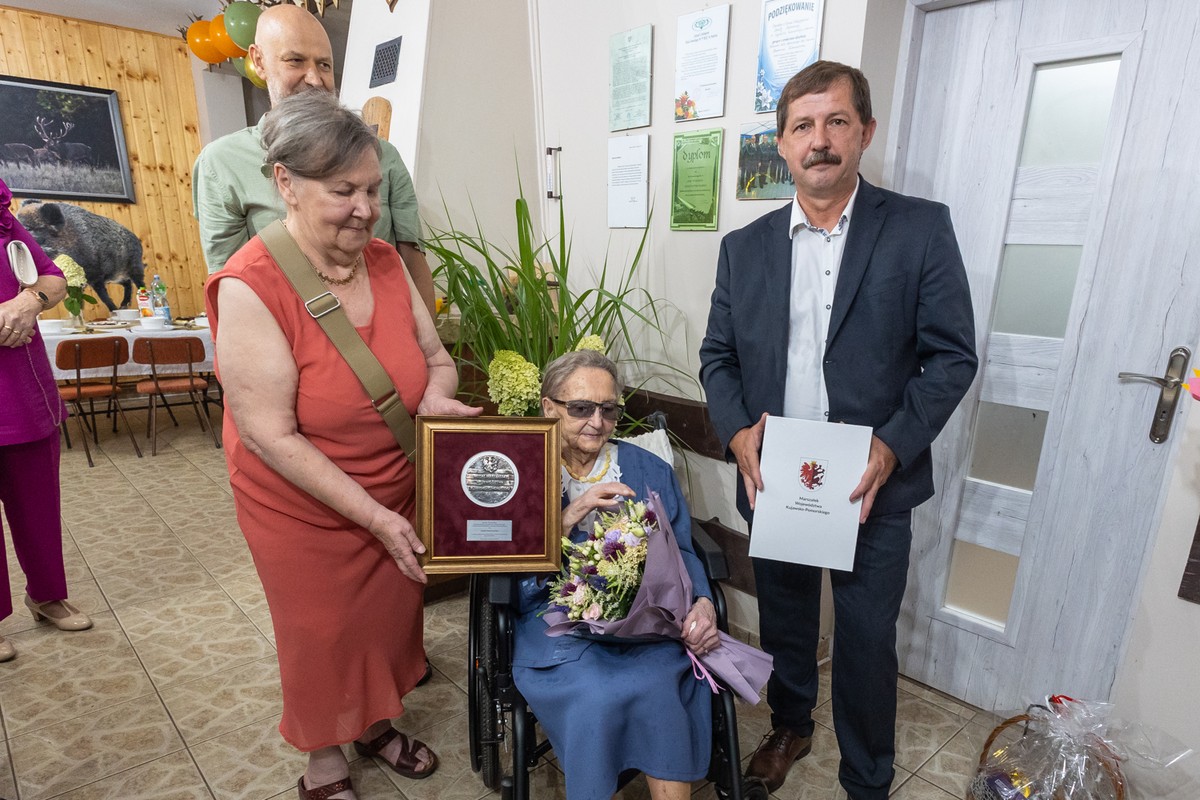
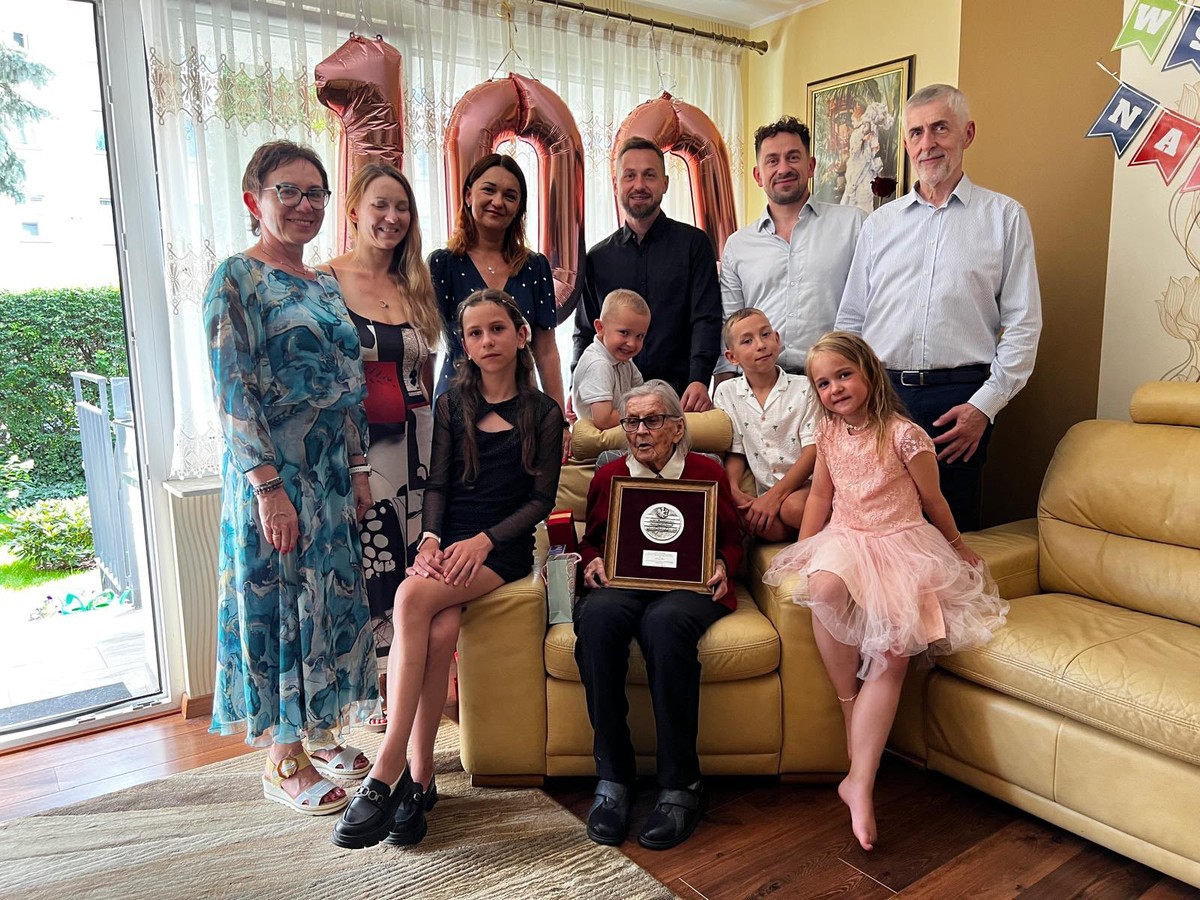
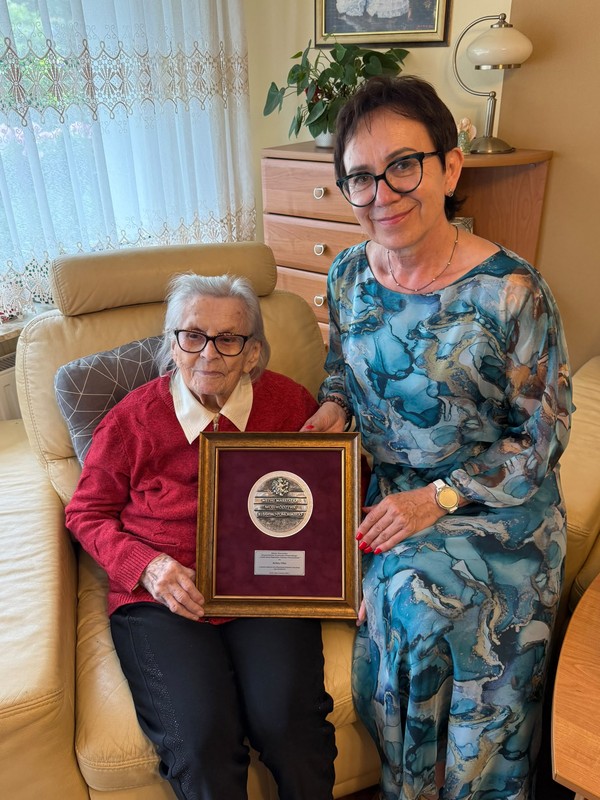
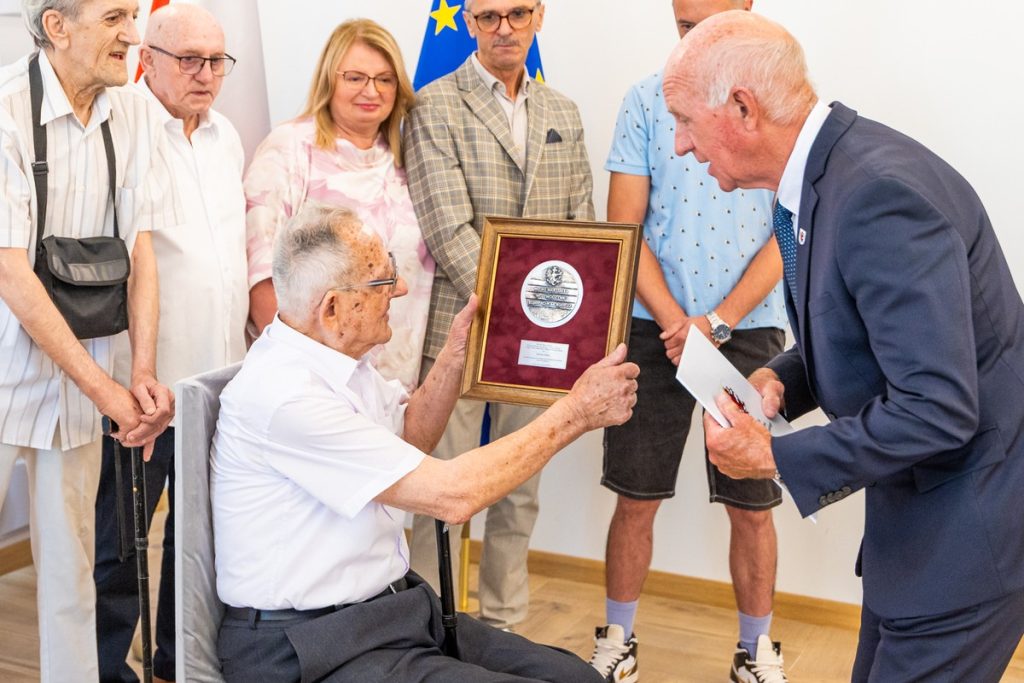
They remember times we know from history books, came of age in occupied Poland, lived through the challenges of the communist era and today draw on their life experience to support several generations of their extended families. They are a source of knowledge, joy and reassurance for those around them. Members of the Regional Assembly – Robert Malinowski, Paweł Zgórzyński and Anna Niewiadomska – recently visited centenarians living in the region.
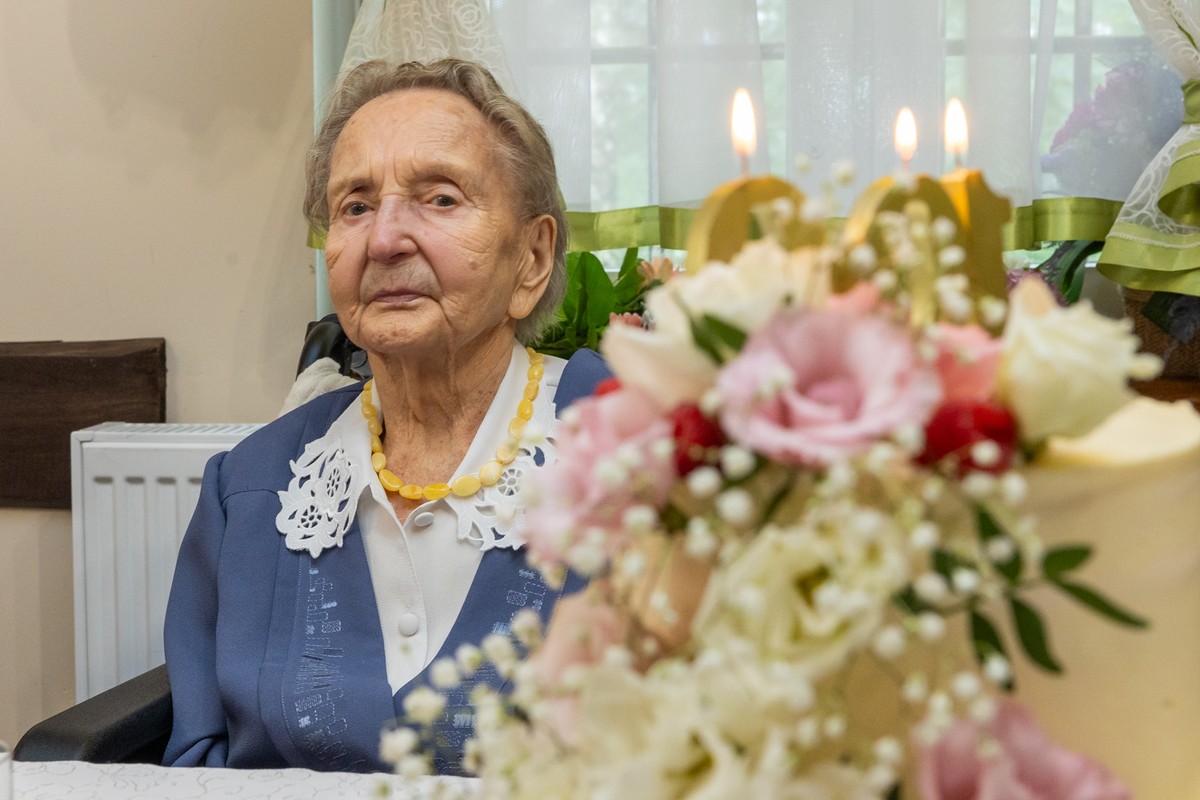
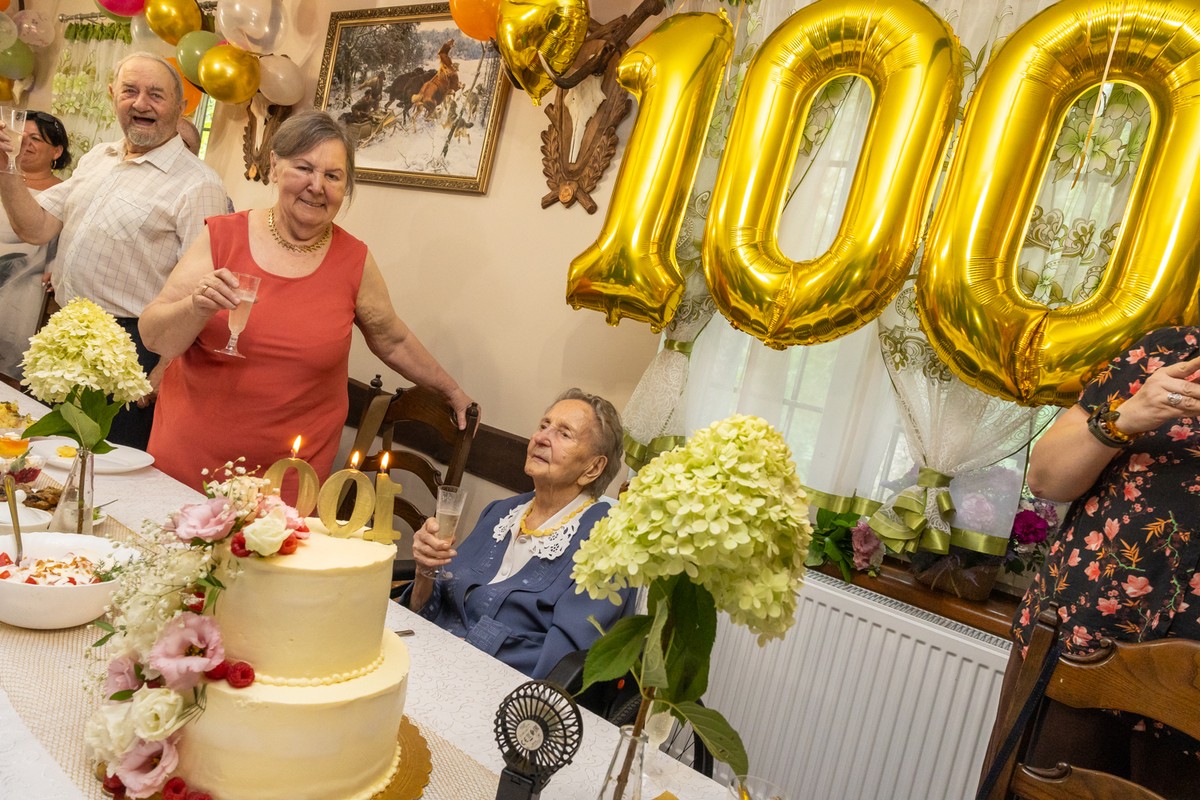
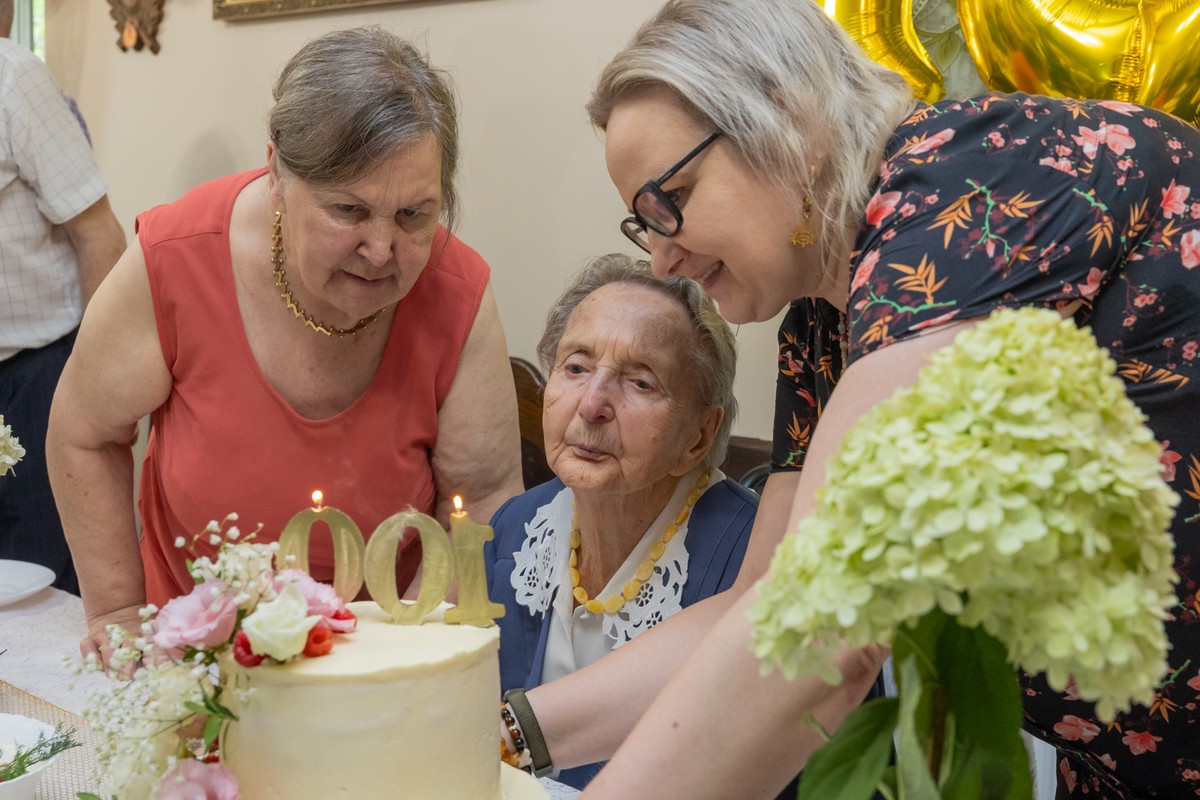
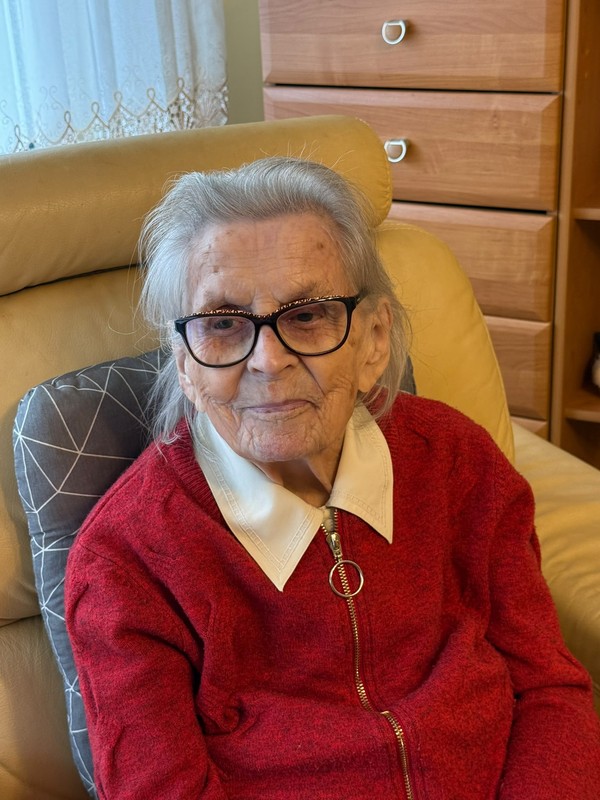
Barbara Niklas, born on 6 August 1926 in Żur near Osie (Świecie County), remains very close to her grandchildren and great-grandchildren. She is the daughter of Ignacy Janiak and Weronika, née Borkowska. She grew up with three older sisters – Krystyna, Janina and Irena. She spent her childhood in Osie, where she completed primary school before continuing her education at secondary school. In 1948, she passed her final school examinations in Toruń. From 1948 to 1952, she studied law at Nicolaus Copernicus University in Toruń. During her studies, she worked at the Voivodeship Education Department in Toruń. After graduating, she pursued her professional career in Bydgoszcz, where she worked for the Polish Association of Engineers and Technicians (NOT).
It was in Toruń that she met her future husband, Henryk. They married on 30 June 1951 and had two sons, Wojciech and Piotr. Barbara also has four grandchildren and six great-grandchildren, with whom she enjoys talking about their lives and listening to their stories, while sharing her own experiences and wisdom.
She has always been interested in archaeology and nature. She has read countless books, enjoys solving crossword puzzles and used to love watching quiz shows, often wondering how contestants could possibly not know the answers to so many questions. She is also passionate about sport, particularly football, volleyball and athletics. When she lived in Bydgoszcz’s Leśne Estate, she loved taking walks in Myślęcinek.
Her family admires her wisdom, sound judgement and ability to find compromises. Calm, composed and open to others, she has a gift for finding solutions even in difficult situations and is a respected authority within her family. She now lives in Wejherowo, where she is lovingly cared for by her son Wojciech and his family.
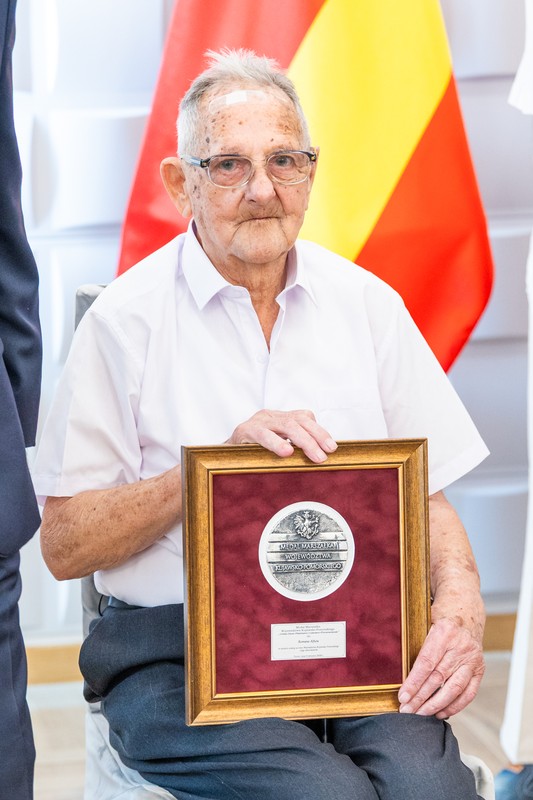
Roman Alfut is another example of resourcefulness and an active approach to life. He was born on 9 August 1926 in Jabłonowo Pomorskie. The youngest child of Jan and Leokadia, he had an older brother and two sisters. He lost his mother when he was just six years old.
During the first years of the German occupation, he was forced to work on German estates in Brodnica County. In 1943, he moved to Gdańsk, where he attended a bricklaying school. After completing his training, he began working for a construction company in Bydgoszcz. After the liberation, he returned to his hometown of Jabłonowo Pomorskie and joined the Polish State Railways (PKP), where he remained professionally employed until his retirement in 1982.
He married Halina Goll in 1950, and they had three sons – Teodor, Kazimierz and Grzegorz. In their free time, the couple tended an allotment garden, while Roman’s great passion was fishing. Even today, he enjoys doing DIY projects, carrying out small repairs and making modifications around the home, which gives him great satisfaction.
Mr Alfut has been a widower for 20 years. Despite his advanced age, he still lives independently in the same apartment he has called home for the past 65 years. He has one granddaughter, three grandsons and three great-grandchildren. His family is always there to care for and support him, but he still takes care of many everyday tasks himself, including doing the laundry and other household chores.
His family has always been able to rely on Roch Jastrzębski, who was born on 10 August 1926 in Gnojno (Lipno County). The youngest of Józef and Franciszka’s twelve children, he was one of a very large family. After the war, having returned to Poland from forced labour in Germany, he worked first at a toy factory and later at a brewery in Inowrocław. He also worked for the Prądocin Forest District and at a large construction complex, while taking on additional jobs whenever possible.
In 1956, he married Kazimiera Głowacka and the couple settled in Prądocin (Bydgoszcz County). Ten years later, they moved to Bydgoszcz. They had two children, a son Jerzy and a daughter Mirosława. For many years, Mr Jastrzębski devoted himself to caring for his seriously ill wife and later also supported his daughter and son.
Even at the age of 86, he walked his granddaughter Nicoletta to school, taught her songs and shared stories from his life. Today, he is lovingly cared for by Dawid and Kornelia Jastrzębski and their children. The family does everything possible to ensure that he enjoys the best possible care and quality of life.
Mr Jastrzębski is cheerful, helpful and always ready to lend a hand to others. His family particularly values his hard work, kindness and generous spirit. He enjoys listening to music, especially the songs of Mieczysław Fogg. His favourite song is Ta ostatnia niedziela (That Last Sunday). He has always maintained that the most important things in life are caring for one’s family and treating others with kindness.
Natalia Matuszewska, née Konicka, is another centenarian whose life has been devoted to her family and to caring for others. She was born on 10 August 1926 in Ruda (Rypin County) and grew up in a farming family. She had five siblings: three brothers – Tadeusz, Mieczysław and Jerzy – and two sisters, Lucyna and Mieczysława.
Many of her childhood memories are connected with the Second World War. At just 13 years old, Natalia was sent by the occupying authorities to work as a forced labourer on a farm run by a German man in Żałe (Rypin County). It was an extremely difficult period, but she survived it with remarkable strength and perseverance.
After the war, she met Wacław Matuszewski at a village dance, and they married in 1946. Together they ran a farm and raised two daughters, Amelia and Teresa. After her husband died in 1968, Natalia never remarried. Instead, she remained close to her family, moving in with her elder daughter Amelia, whom she helped for many years with running the household and raising her children.
She has five grandchildren – three grandsons and two granddaughters – as well as six great-grandchildren, four girls and two boys. She is also a great-great-grandmother to six-month-old Hubert.
For many years, reading was her great passion. She borrowed books from the library, read books from her own collection and enjoyed those brought to her by family members. She also loved cooking and devoted herself wholeheartedly to looking after the home and farm. Her family describes Natalia as an exceptionally warm, kind and affectionate person.
“Although Grandma is now 100 years old, she remains a very important and deeply valued part of our family. She is a priceless source of our family history, wisdom and memories. A true family treasure,” her loved ones say.
Families of residents of the region who are approaching their 100th birthday, as well as families of older residents, are encouraged to get in touch at +48 56 62 18 344 or stulatkowie@kujawsko-pomorskie.pl.
Beata Krzemińska
Press Officer, Marshal’s Office of the Kujawsko-Pomorskie Region
14 August 2026