



Sebastian Bartkowski
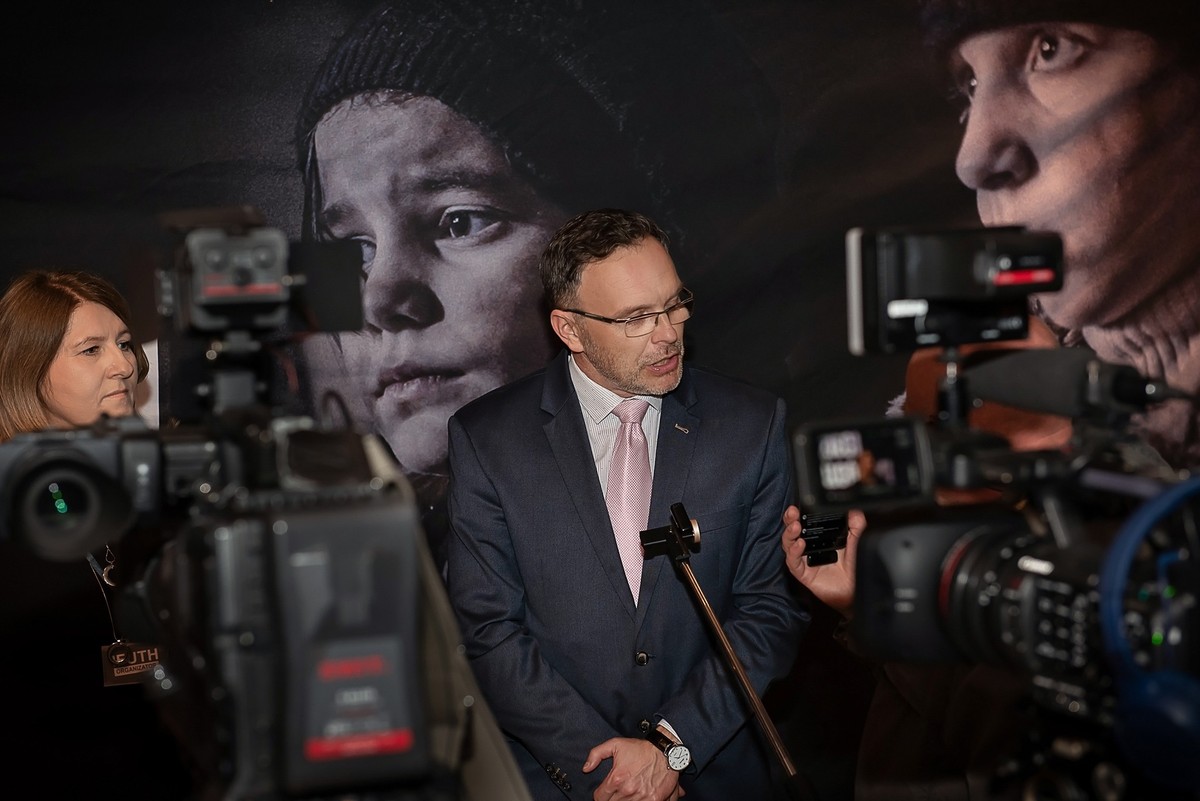
For years, the Unisław Historical Society has been involved in researching and promoting the history of the Chełmno Land, Unisław, and the surrounding area. It publishes the periodical Unisław Historical Notebooks, organizes conferences, releases book and multimedia materials, and engages the local community. Within the society operates the Film Institute, which creates documentary films about historical events – particularly those from the Second World War that took place in the regions of Pomorze and Kujawy. We speak with the president of the UHS, Sebastian Bartkowski.
Unisław doesn’t really have a film-making tradition. Where did the idea to shoot films there come from?
The idea emerged many years ago, when we began researching the German crime committed against Jewish women in Bocień near Chełmża. In the summer of 1944, 5,000 women were brought there from the Stutthof concentration camp, followed later by another 1,000 from the Łódź ghetto. A huge number of them did not survive that hell. We quickly realized that knowledge of these brutal events existed only in the immediate area – and even there, not everywhere. I felt that it simply couldn’t be that such horrifying crimes of such terrifying scale had left traces around us, and yet so few people knew about them. I thought about making a film, because its impact is completely different from yet another book that only the same group of already-interested readers will pick up. That was the impulse. Before that, I had been working on something entirely different – the Teutonic Order in the Chełmno Land. We began to investigate this difficult subject of war crimes. Our first film focused on medical experiments at Ravensbrück. Then came another crime – unpunished and little known – the crime in Pomorze. We began with a film about the extermination of the Polish intelligentsia in Pomorze. Then we focused on specific locations: first Karolewo, then Szpęgawsk, Dąbrowa Chełmińska, and Barbarka. Next came The Children of Szmalcówka, which showed another stage of the German machinery of crime. This was no longer the extermination of the intelligentsia, but rather expulsions and dispossessions, which also brought suffering and death to enormous numbers of people. This work took me nearly ten years.
Did you conduct this research as part of the Unisław Historical Society?
Yes, together with many institutions such as the Stutthof Museum and the Institute of National Remembrance. I also conducted research at Yad Vashem in Israel and at the POLIN Museum in Warsaw. From there, I gathered additional information about the crime in Bocień. When Spielberg made Schindler’s List, he donated large sums of money for recording testimonies from Holocaust survivors. Among those archives are testimonies from the women who survived the camp near Chełmża – women who later lived in Hungary, Romania, the USA, and Israel.
A few years ago, a man named Oppenheimer – from those Oppenheimers – came to Toruń from Miami. After the war, he found in the attic a diary belonging to his grandmother and mother, German Jewish women who had emigrated to America after the war. They had never told him that they survived the hell of the camps in Bocień and nearby Grodno. Following the clues in that diary, he came to Europe to trace his mother’s fate – from Kaunas and Riga, through Stutthof, to Bocień, where she and her mother ended up. It was clear that this was an extraordinary experience for him. Thanks to this journey, he understood why his mother and grandmother had spent their entire lives examining every pot or object to check whether it was German – they carried that trauma long after the war ended. I guided him around Cegielnik and showed him the remains of the anti-tank trenches that those poor women were forced to dig before the Red Army arrived.
Such silence is quite typical for people who survived the wartime nightmare. This is not the only case.
Yes, especially right after the war, there was a great deal of silence among Jewish survivors. When I was in Israel in 2012, I talked about this with lecturers. One of them was Alex Dancyg, who was kidnapped by Hamas in 2023 and died in an Israeli airstrike in the Gaza Strip. They said that right after the war, most Jews didn’t talk about their experiences at all. In Israel, people would ask a question: how is it that you are here? Most were killed. How is it that you survived? Only the grandchildren later began to draw these stories out of their grandparents, because their children – those born in Israel – did not necessarily do so.
Returning to the films that later formed the Pomeranian Crime series, it turned out that there was huge interest in this subject. Many witnesses to those tragic events of autumn 1939 were still alive. The public reception of our productions surprised even us. They were screened many times – from large cinemas to community halls, schools, and parishes. They were used repeatedly in the programs of TVP 3 in Bydgoszcz, Gdańsk, and Kraków. Tens of thousands of people watched these films. We are very pleased, and it shows that producing them was worth it, even though the work required enormous time and commitment from our association’s members.
You managed to reach many witnesses.
The most important thing is the living memory of those people who still carry sorrow and despair, whose lives were often stripped of everything they held most dear: parents, home, childhood. It was the last possible moment to record their memories, because in some cases, half of the witnesses did not live to see the film’s premiere. Their testimonies are perhaps the greatest value of these films.
Finding these witnesses really takes a tremendous amount of work and human resources. How many people were involved?
Our group consists of 20 people. We search for witnesses by working with institutions, churches, cemetery administrators, and others. The internet is, of course, extremely helpful. We also often use local media. But we still have to put in the effort ourselves – searching among acquaintances, veterans, and anywhere possible. We’ve learned how to do it, and our effectiveness is quite high. For the film about Szmalcówka, we located more than 50 witnesses spread across Poland. However, it takes a lot of time, which is why we make our films relatively slowly. But it’s better to spend two years doing something well than to do it quickly and carelessly. We do this outside our regular jobs, which also affects production time.
How many people work on writing the script?
At most two, but it is mainly the work of one person who has full awareness of all the collected material, knows how everything is arranged, and possesses the necessary expertise in the subject.
You announce open calls for film cast members.
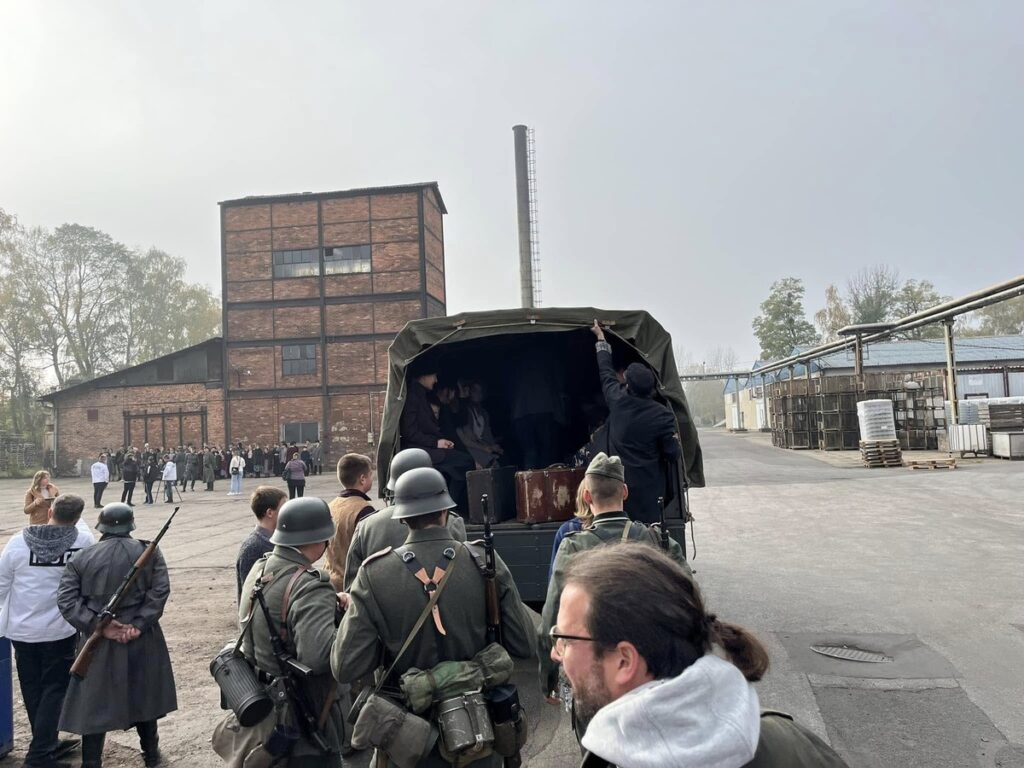
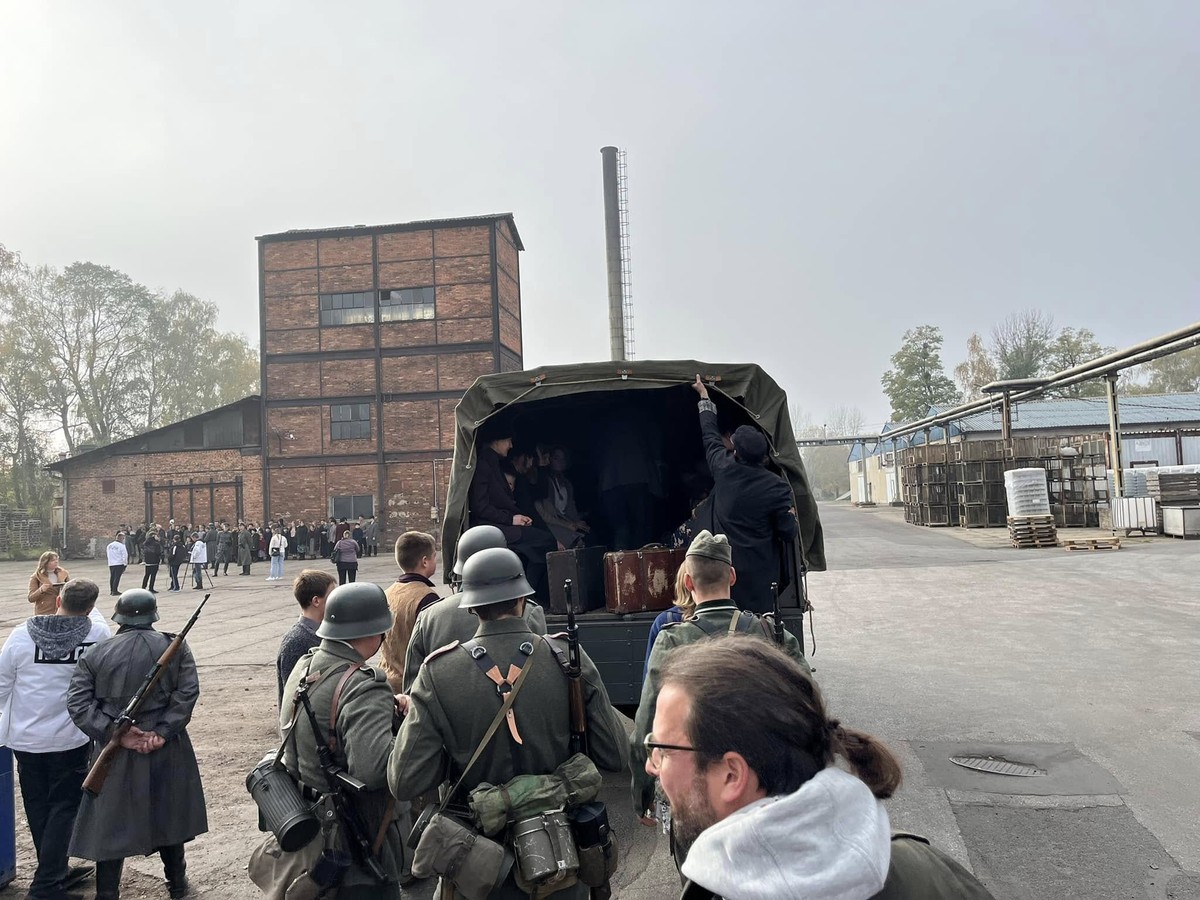
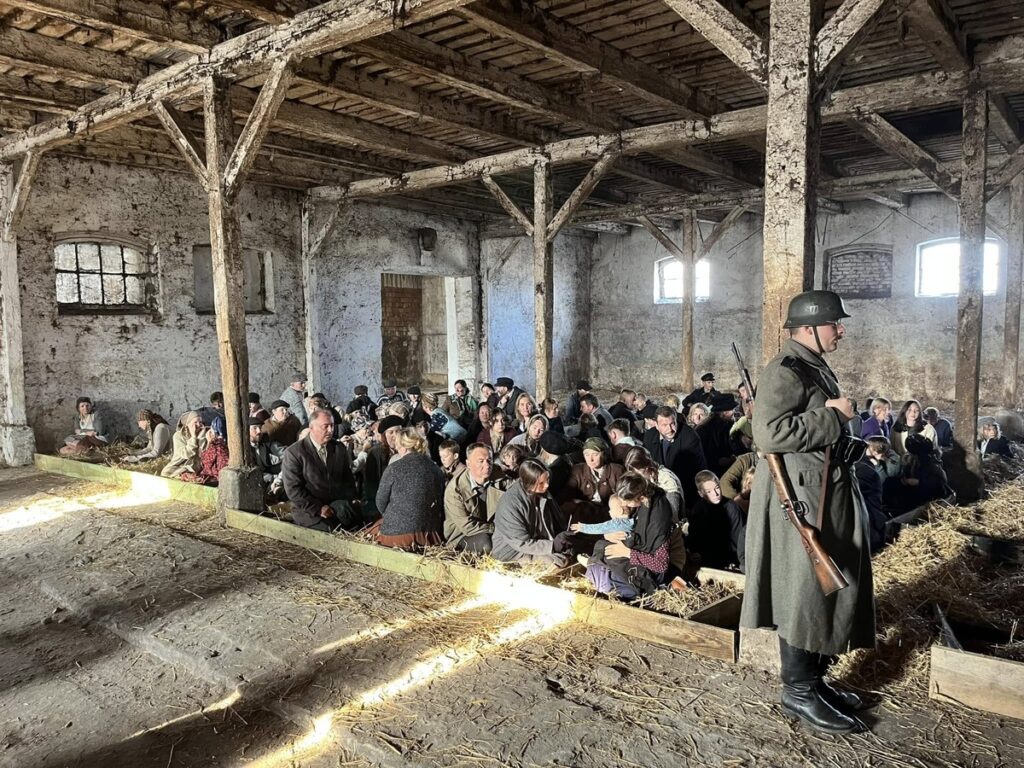
It depends on how extensive the scenes are. For example, in Szpęgawsk 1939 there were almost 600 people, because there were many large group scenes. It requires enormous logistics – vehicles, equipment. Above all, scenes depicting extermination require huge numbers of people, because that’s how it truly was. Szpęgawsk 1939 was definitely the largest production. In our other films, there were never fewer than 200-300 people. What’s beautiful is that people volunteer themselves. I am very grateful to them, because despite the lack of funding, they come and often devote their entire day. Very often they are people connected to the families involved in the story, but not always.
There was a scene in Szpęgawsk in which real priests from the parishes of the murdered clergy played the roles of those priests. They were deeply affected afterward. One of them later recalled many times that he referred to the scenes he had acted in during his homilies. For the first time, he realized what his predecessor might have felt as he rode in a truck, on a dark, cold night, toward execution.
I also remember another event that moved me deeply. In the forester’s lodge in Podlesie, between Gniewkowo and Toruń, we filmed the scene of forester Marcjan Zywert’s arrest. I found his daughter in Wrocław, and based on her account, we created a film reconstruction. Interestingly, we later announced a casting call in search of forester uniforms from that period. A forester from Jarocin contacted us. He said he was interested in pre-war forestry, had a complete uniform, a motorcycle, and could even act. I sent him photos of Zywert, and he shaved off his long beard and changed his hairstyle especially for the role. When he arrived on set, he looked identical to Marcjan Zywert, who had been murdered by the Germans in Inowrocław.
Unexpectedly, Zywert’s daughter from Wrocław appeared on set. I remember her stepping out of the forester’s lodge – her pre-war home – and seeing “her” father, whom she still remembered well. She also saw “herself” in the form of a little girl played by one of the extras. She saw that tragic scene of her father’s arrest – something she had undoubtedly carried within her for her entire life. Let me tell you, the set froze. She approached the man playing her father and hugged him. Everyone stood stunned. Most people couldn’t hide their tears. That’s how powerful the emotions were.
You deal with very heavy subjects that evoke enormous emotions in people.
There were countless emotions throughout these 10 years. We interviewed and recorded hundreds of people. Listening to the stories of witnesses was always dramatic. For example, Mr. Wiencek from Toruń told us about the exhumation of his two brothers and father. We recorded him twice because he wasn’t able to finish the interviews. And it’s no wonder. Of course, we always conduct archival research and review investigation files, because we must confront them with the witnesses’ accounts. Human emotions and memory can be unreliable, so we always verify everything with sources. Relying solely on emotions in films, without providing context, can easily become manipulation and can quickly incite hatred. We try to tell the truth without stirring hatred.
It seems to me that immersing yourself for years in such topics must also be difficult for you personally.
Indeed, fatigue with this material has set in. Although, naturally, one’s sensitivity threshold drops. After some time, it seems that nothing can surprise or depress us anymore – and then new stories appear, new unimaginable tragedies, known to almost no one, and they must be brought to light. Take the Pomeranian crime, for instance – not only unpunished, but forgotten for many years. Only in the last 10-15 years has it begun receiving attention again. Until now, knowledge about it existed only in scattered places, while the scale and brutality of the crime are astounding. In fact, it was the first genocide of the Second World War, yet it entered textbooks only recently. This is where the great massacre of civilians began, not somewhere near Warsaw as textbooks often suggest. It is encouraging that thanks to Professor Ceran from the Bydgoszcz branch of the Institute of National Remembrance, the clearly defined concept of the “Pomeranian crime” has been introduced into historical discourse.
You’ve touched on a very interesting issue. Behind a single sentence in a textbook – about Bocień, for example – lie enormous tragedies.
There is no information about Bocień in textbooks at all. It was a crime committed in a remote location, in one of many Stutthof subcamps. When I was compiling material with Dr. Drywa from the Stutthof Museum about what happened in that subcamp from June 1944 to January 1945, I couldn’t believe the level of brutality the SS allowed themselves to inflict on those defenseless women. It was the first crime I investigated, and I must admit – it haunted my dreams…
Will there be more films on this subject?
I think I will return to the subject of these crimes. The first will be the crime in Płutowo near Chełmno. I come from Unisław, and around 200 residents from the surrounding areas were killed there. Fortunately, I have already managed to record most of the witnesses.
You mentioned being tired of such heavy themes. Is the film about Copernicus meant to be a kind of break?
Perhaps for the sake of our team’s mental well-being. It will be something different – maybe more refreshing and stimulating. Copernicus fascinates me as a person. I think everything has already been said about the “great astronomer,” but mostly in terms of his groundbreaking astronomical achievements or his economic insights. I want to show him as an ordinary man, with his dilemmas, problems, and the everyday matters he grappled with. That is incredibly interesting. We are constantly searching for and analyzing sources. All the top Copernicus scholars from Toruń, Warmia, Kraków, and Warsaw have gladly agreed to collaborate on this production.
Will it be a feature-style film or only a documentary?
A dramatized documentary – exactly the same format as our previous films. It is quite a challenge for us, because we have never before produced a story set mainly in the 16th century. The level of precision required for the costumes is quite high, and that is not easy. We are looking for funding.
Making films is expensive. Where do you get the money?
We look for funding everywhere. Our films are low-budget. Most people work pro publico bono, and even those who are paid receive rates far lower than in commercial productions. Considering the scale – if our films were made at professional industry rates – they would cost a fortune. Paying 600 extras alone would be enormous money, not to mention the technical and logistical support.
And where does the money come from? We ask, we write grant proposals. We have private sponsors, but primarily the regional self-government, counties, and towns help us. When everyone contributes a little, we manage to gather enough.
And what is the cost of producing such a film?
In the case of The Children of Szmalcówka, we kept it within 70-80 thousand złoty. Considering the scale and the number of people involved, that is truly very little money.
When can we expect the Copernicus film?
We would like to finish it by the end of 2026, but we don’t yet have any funding, so for now we are focusing on substantive and research work. We are already collaborating with: the International Copernican Research Center, Nicolaus Copernicus University in Toruń, the Copernicus Museum in Frombork, the Copernicus House and the Copernicus Library in Toruń.
So could it be a revelatory, eye-opening film?
Extremely so! But of course based on reliable source material. Many threads are little known to the broader public, and I assure you – they are very interesting.
Will you be looking for Copernicus’s tomb?
That is a very fascinating and mysterious topic – highly intriguing. The matter of the tomb goes back to the 16th century, beginning with Bishop Kromer. Then came Professor Brożek from the Jagiellonian University in the 17th century, then Czacki’s mission for Śniadecki and the Czartoryski family at the beginning of the 19th century. Next were the German explorations in 1939, and finally the Polish archaeologists who in 2005 claimed to have discovered the remains. We will also show the opinions of those who raise objections to these most recent findings.
I would love to have professional and well-known actors in Copernicus. We will announce their names soon.
Paweł Jankowski
2 December 2025
-
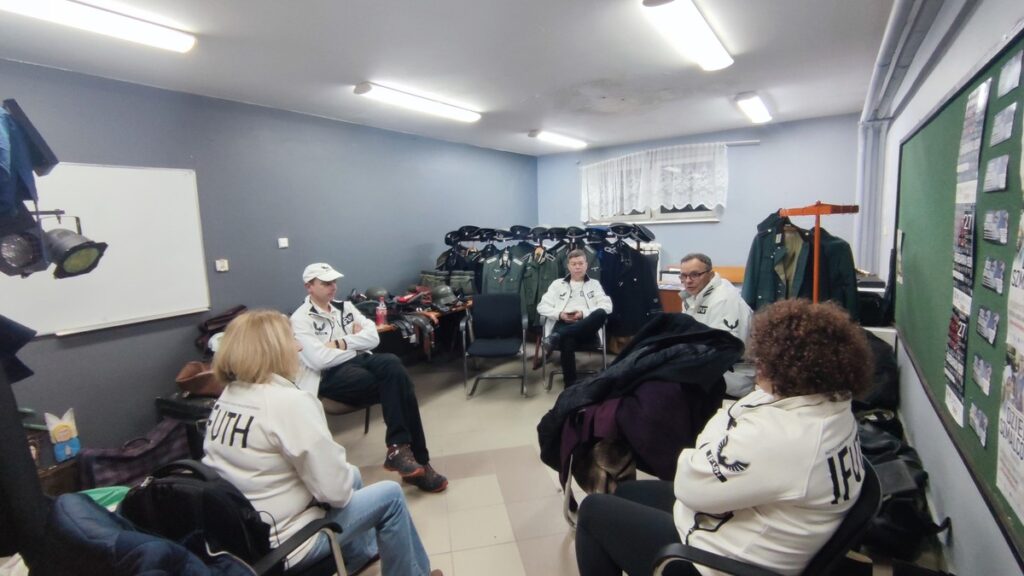
- Na planie filmu “Dzieci Szmalcówki”, fot. Unisławskie Towarzystwo Historyczne
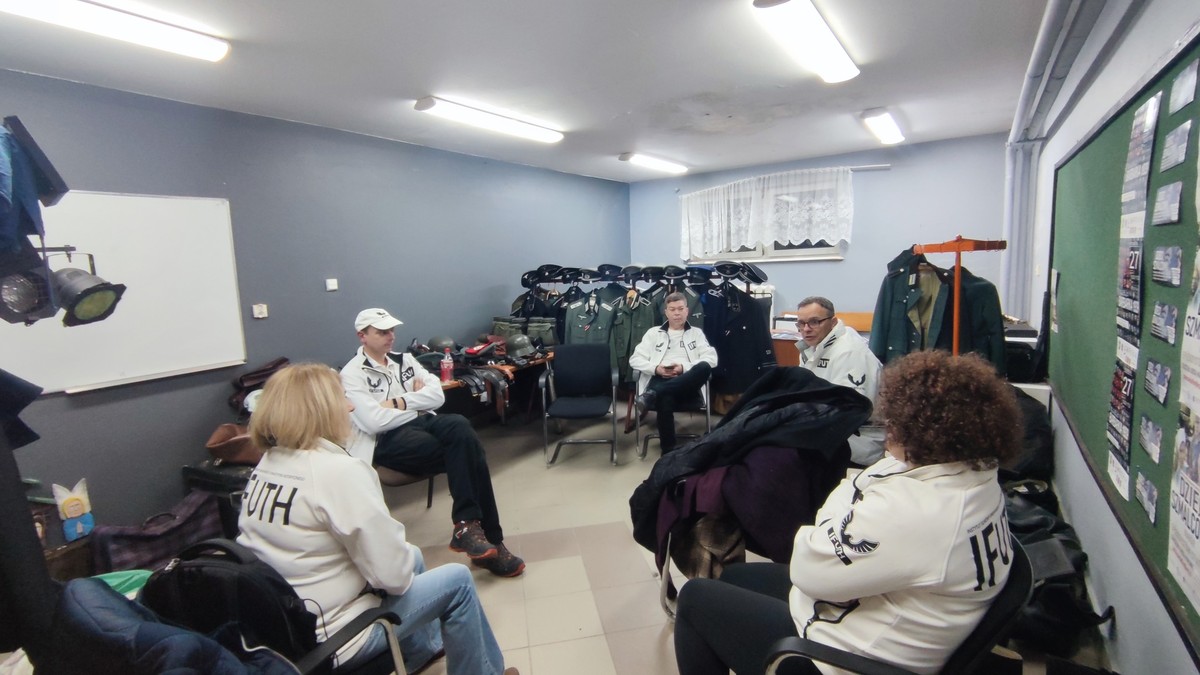
-
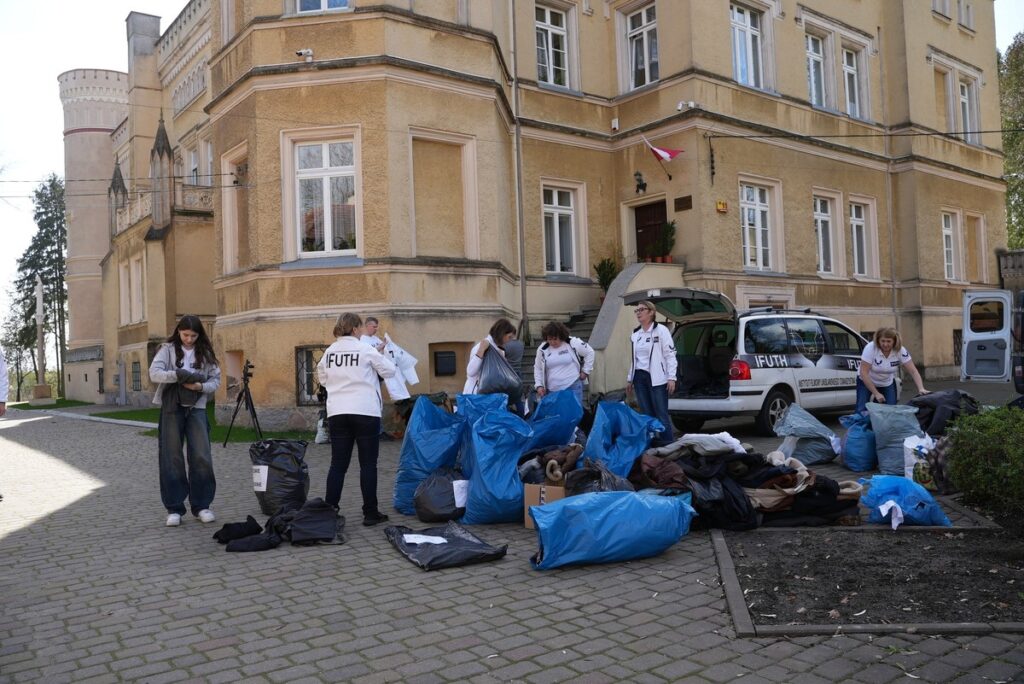
- Na planie filmu “Dzieci Szmalcówki”, fot. Unisławskie Towarzystwo Historyczne
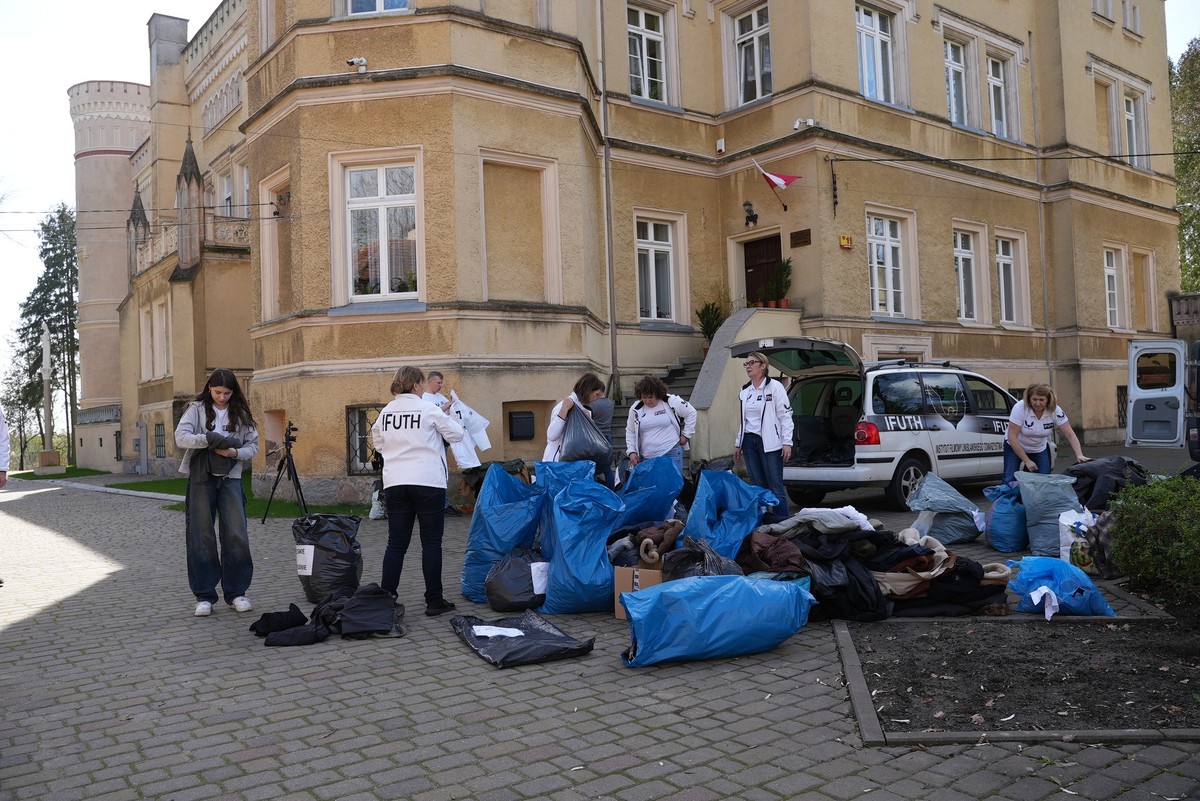
-
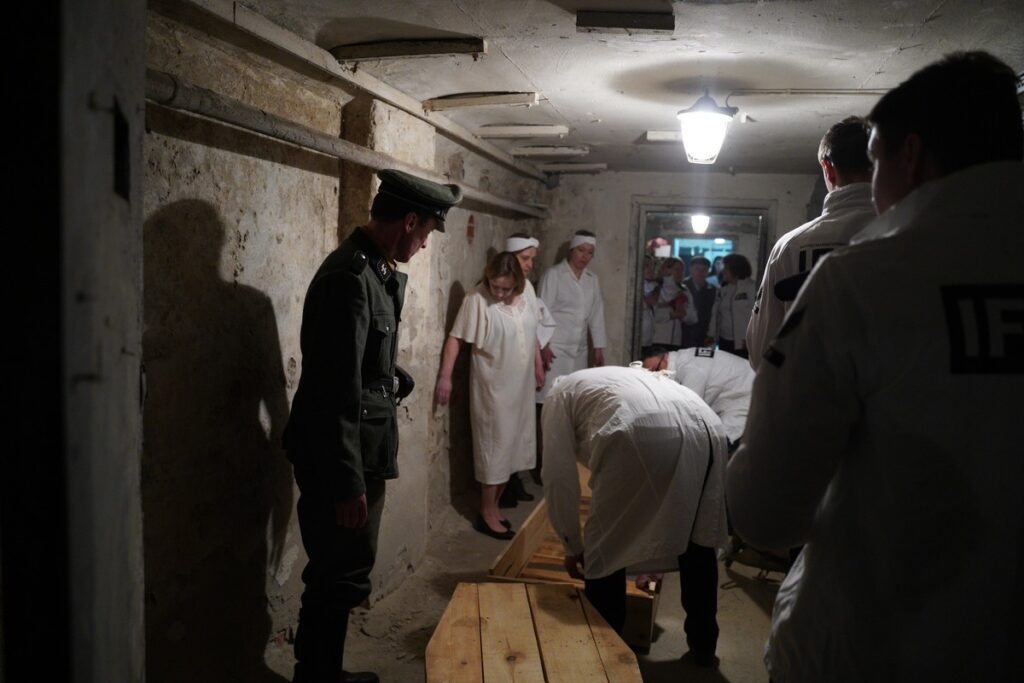
- Na planie filmu “Dzieci Szmalcówki”, fot. Unisławskie Towarzystwo Historyczne
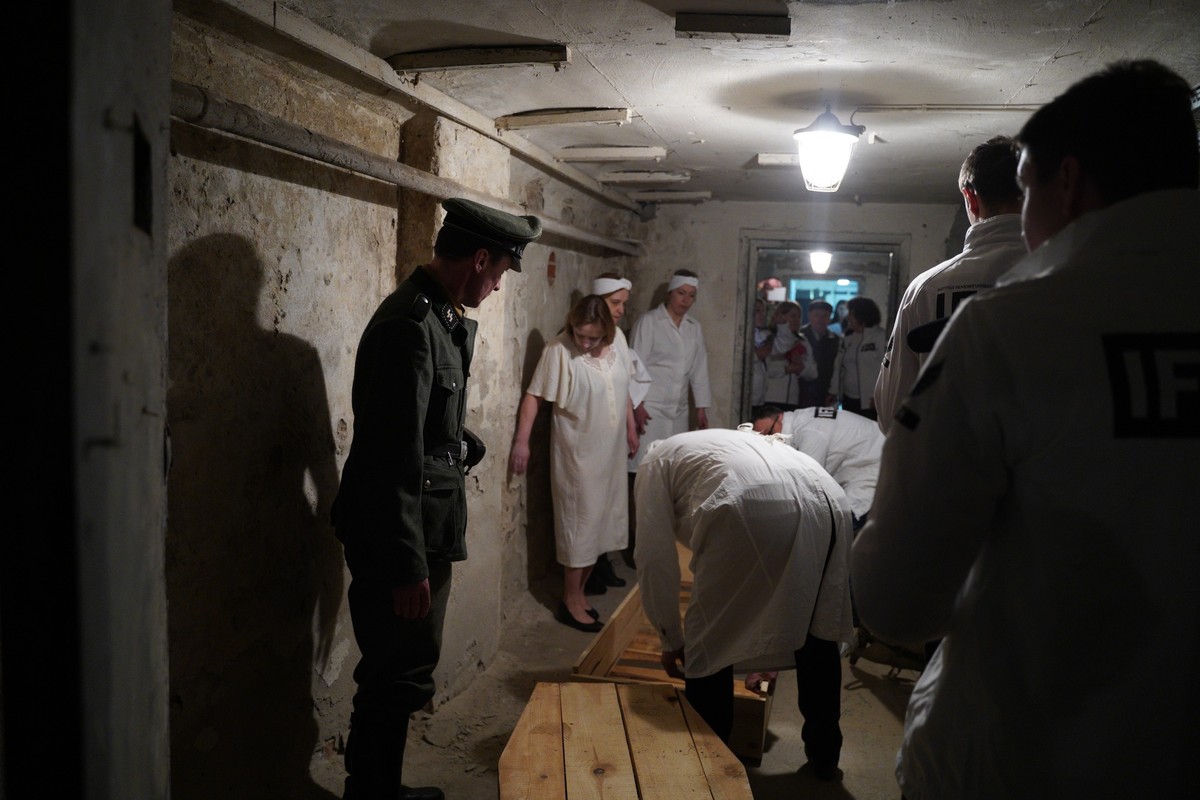
-
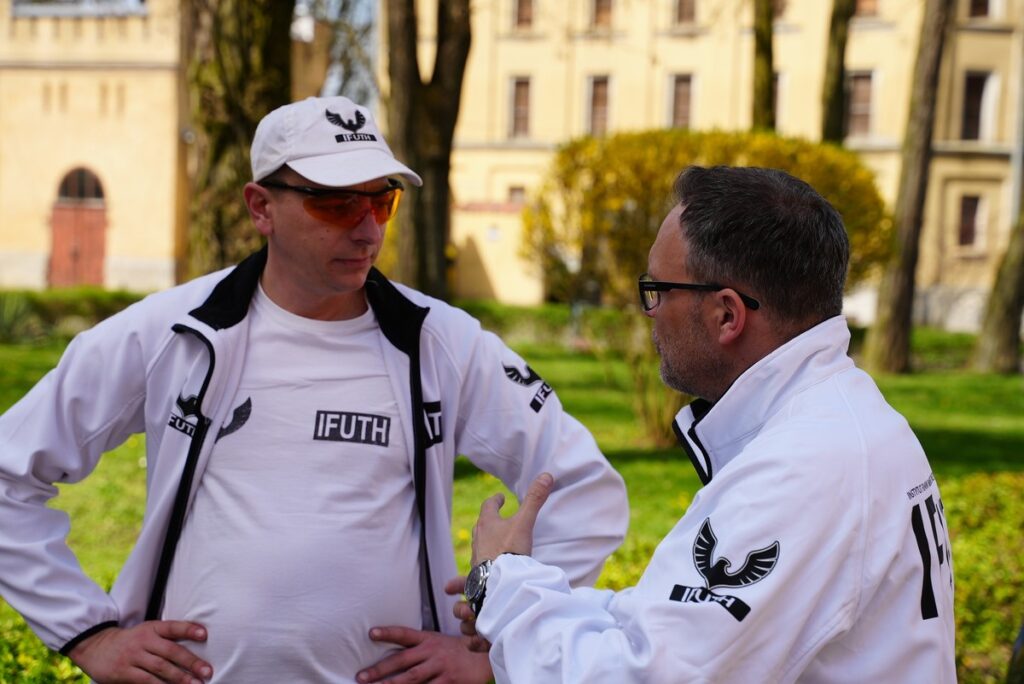
- Na planie filmu “Dzieci Szmalcówki”, fot. Unisławskie Towarzystwo Historyczne
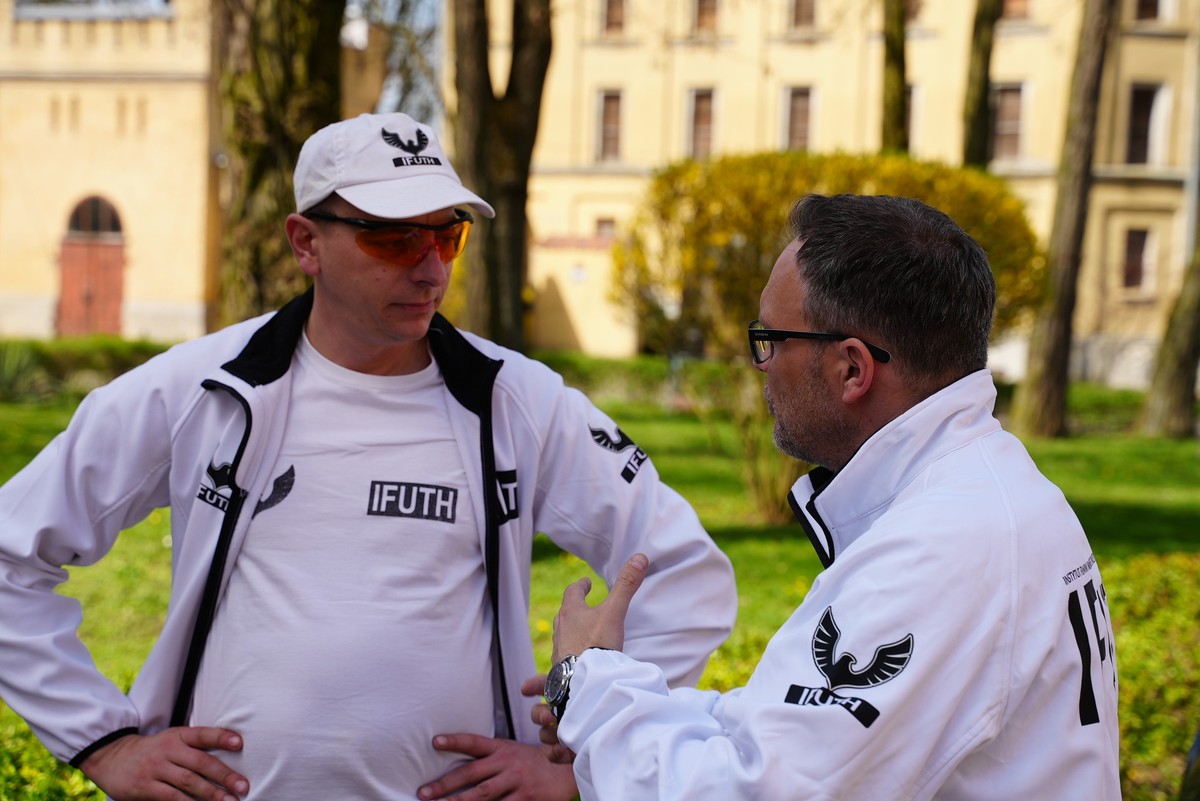
-
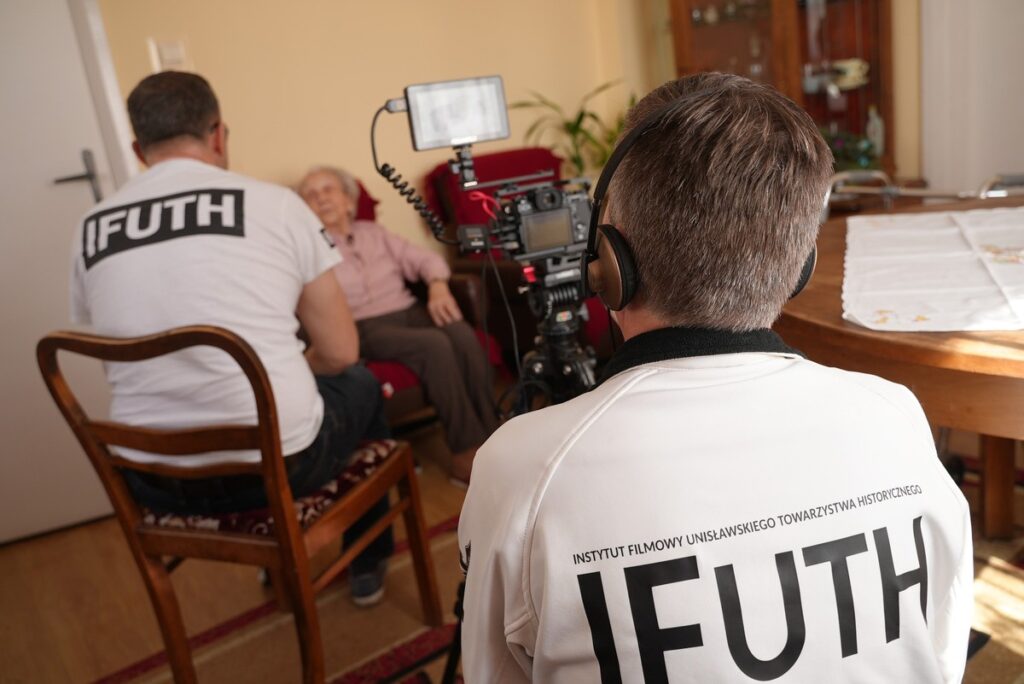
- Na planie filmu “Dzieci Szmalcówki”, fot. Unisławskie Towarzystwo Historyczne
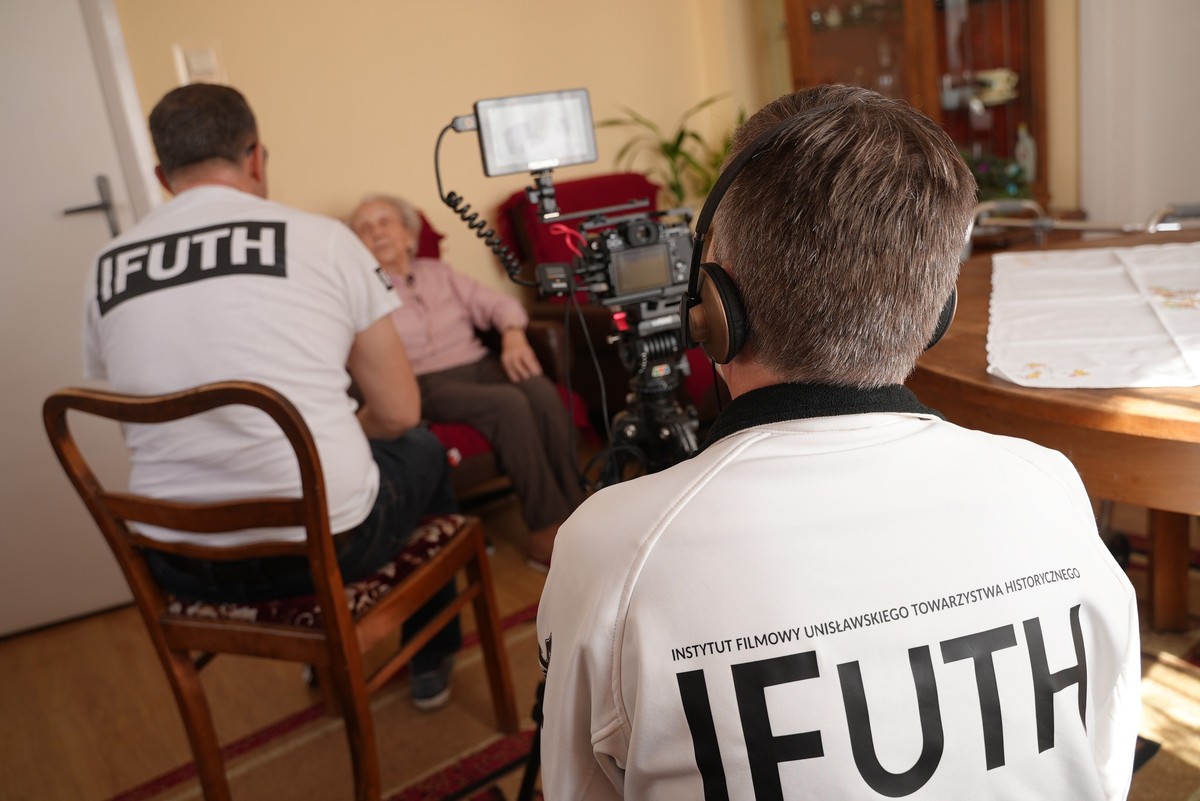
-
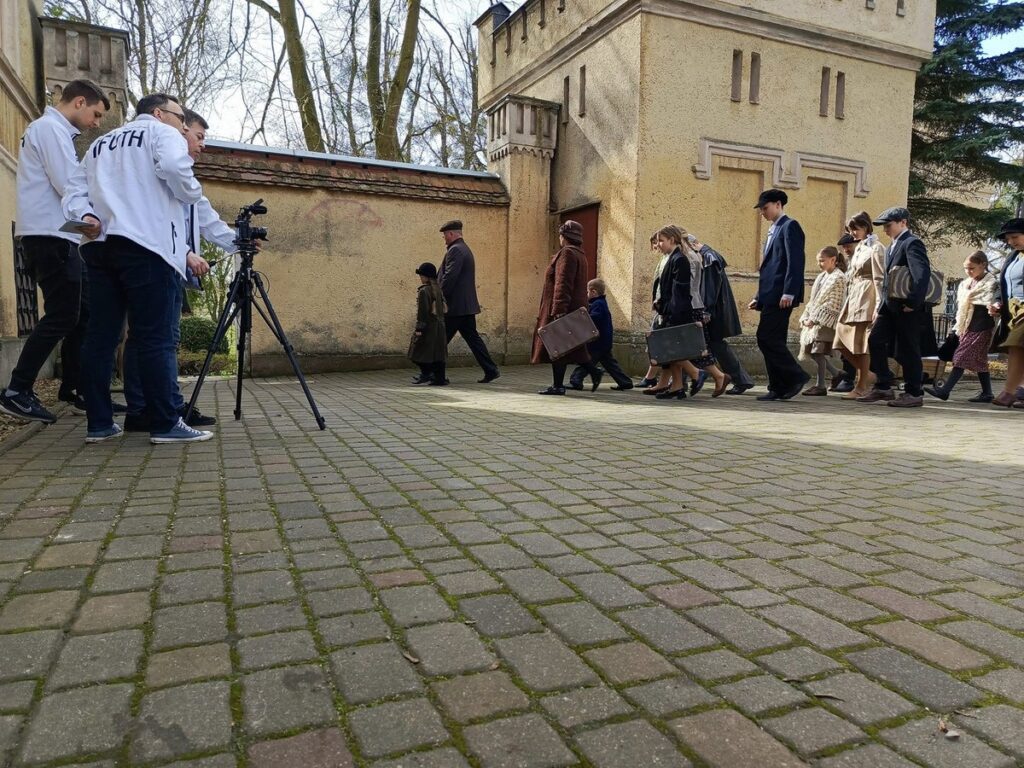
- Na planie filmu “Dzieci Szmalcówki”, fot. Unisławskie Towarzystwo Historyczne
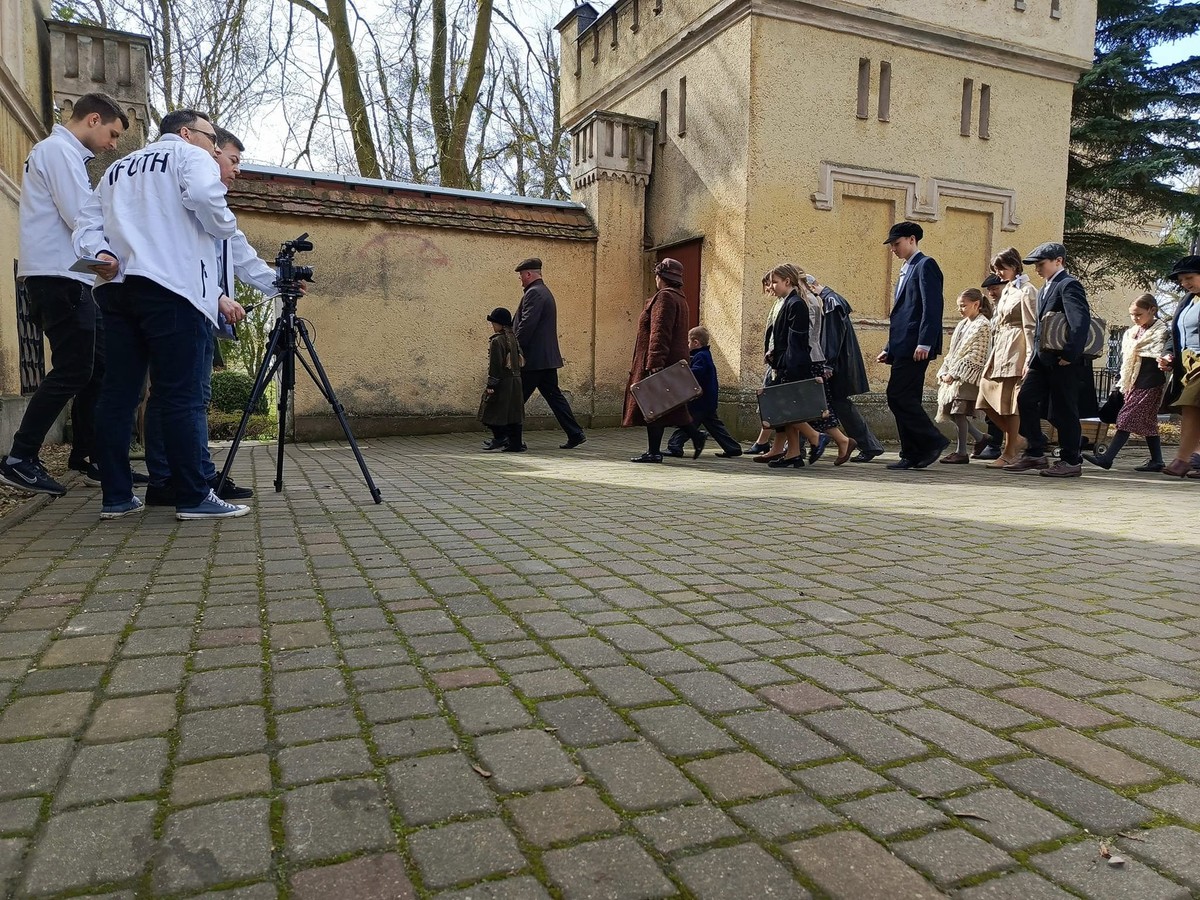
-
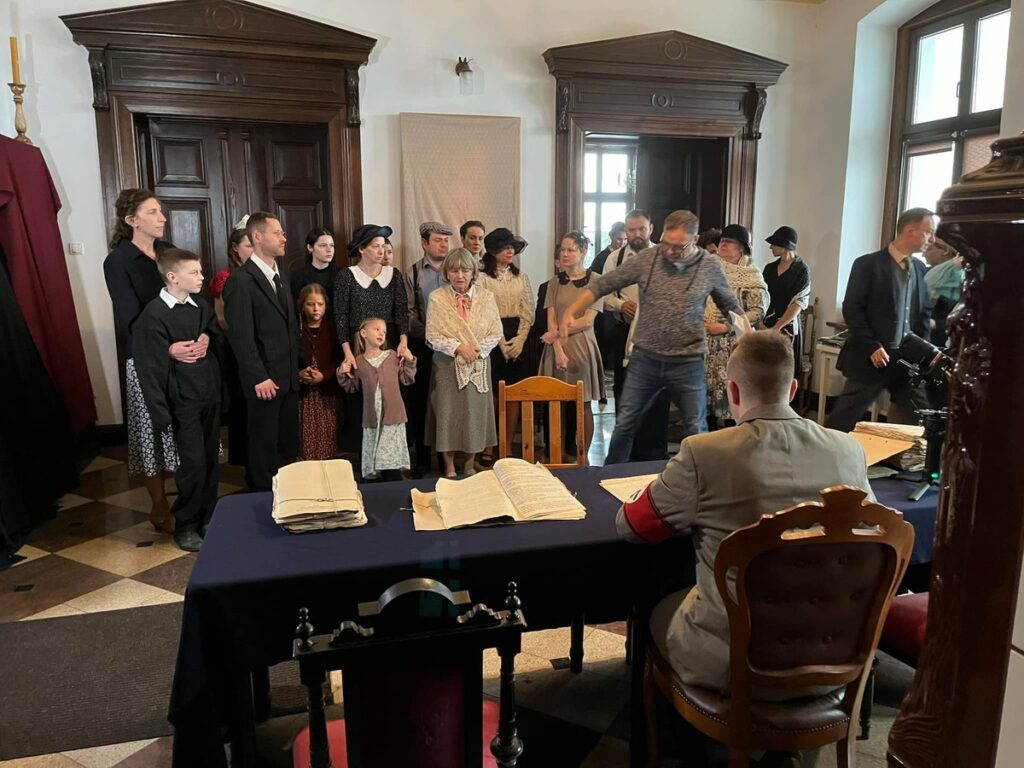
- Na planie filmu “Dzieci Szmalcówki”, fot. Unisławskie Towarzystwo Historyczne
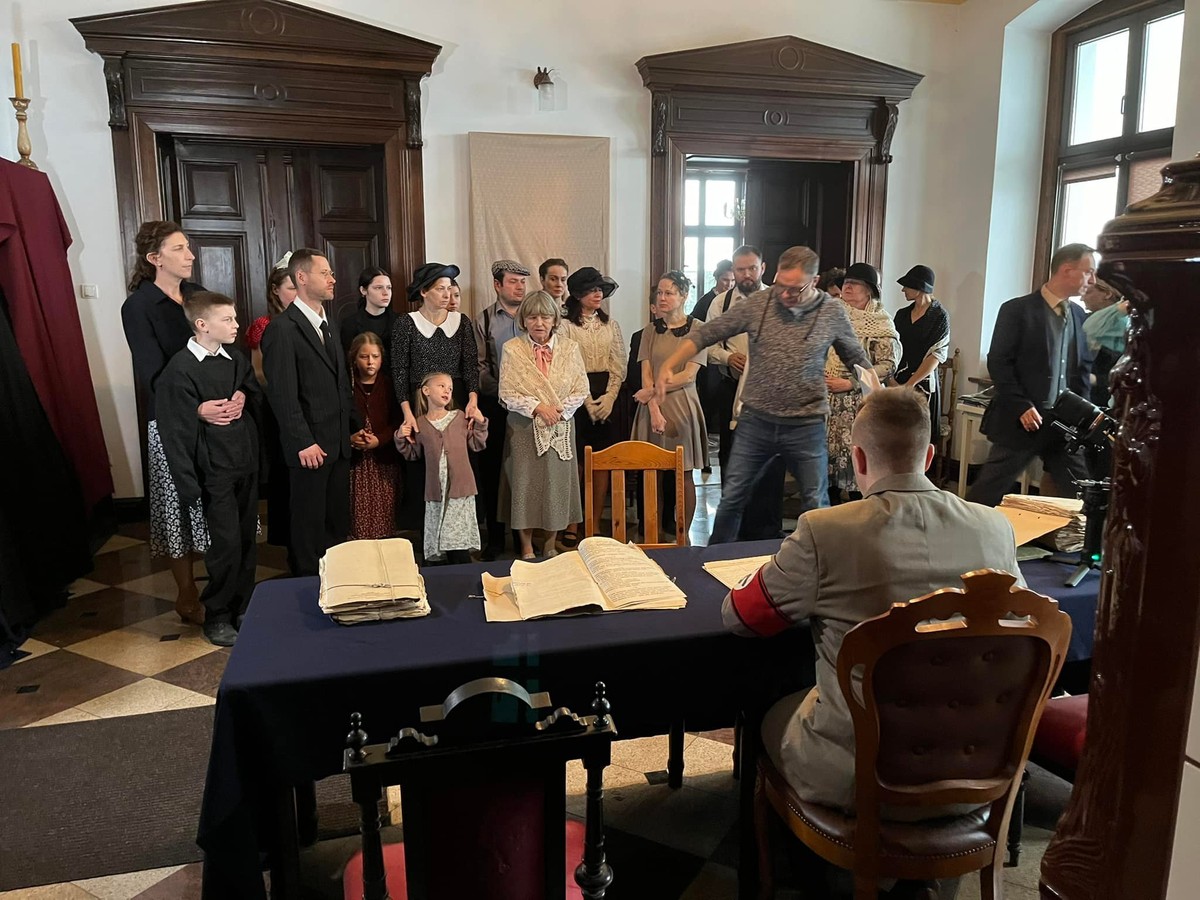
-
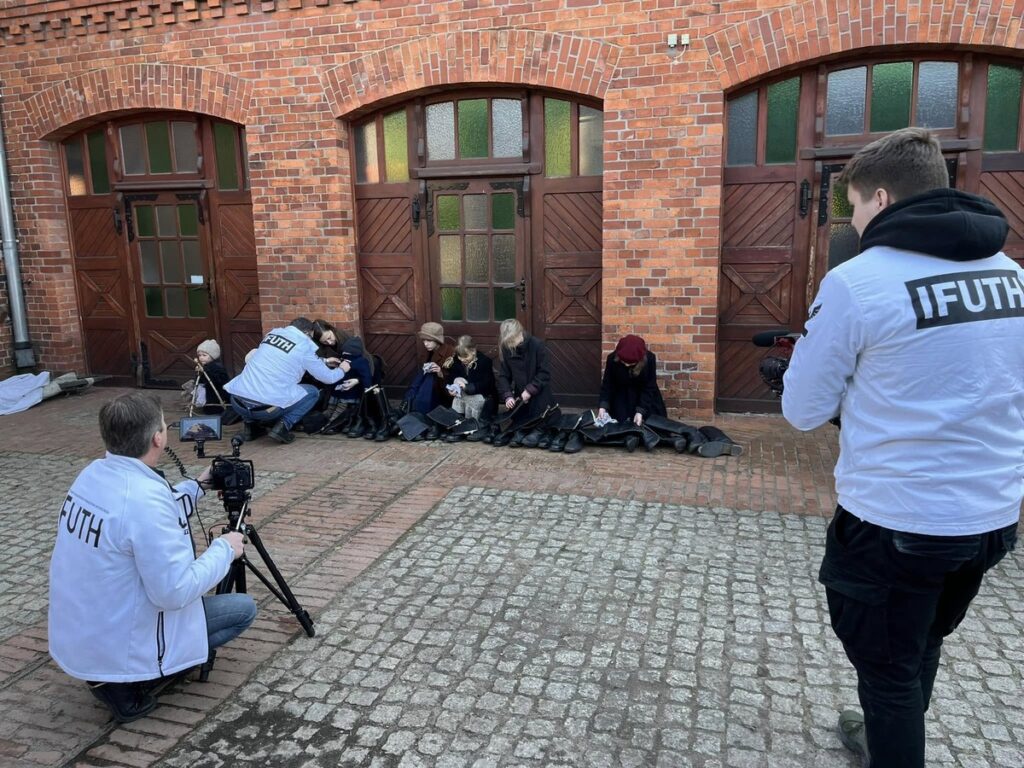
- Na planie filmu “Dzieci Szmalcówki”, fot. Unisławskie Towarzystwo Historyczne
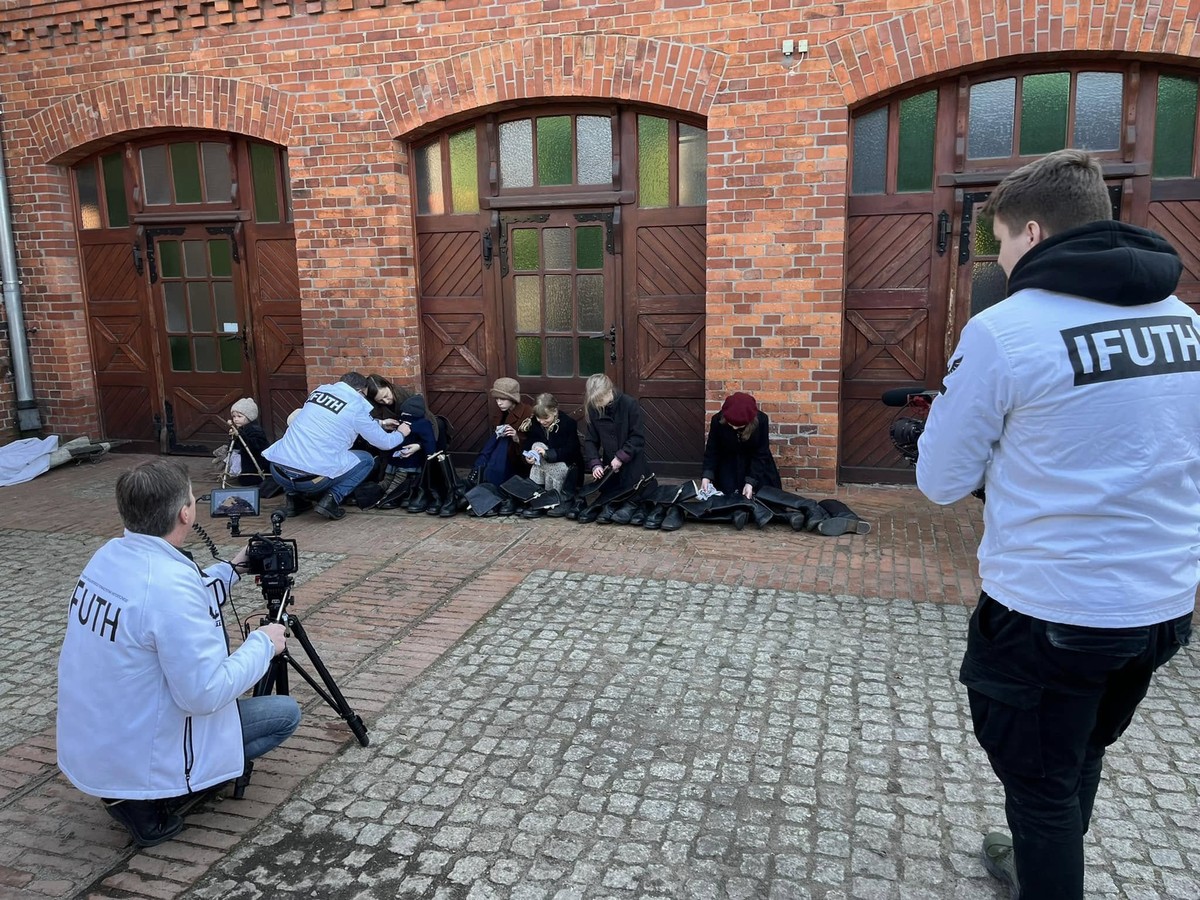
-
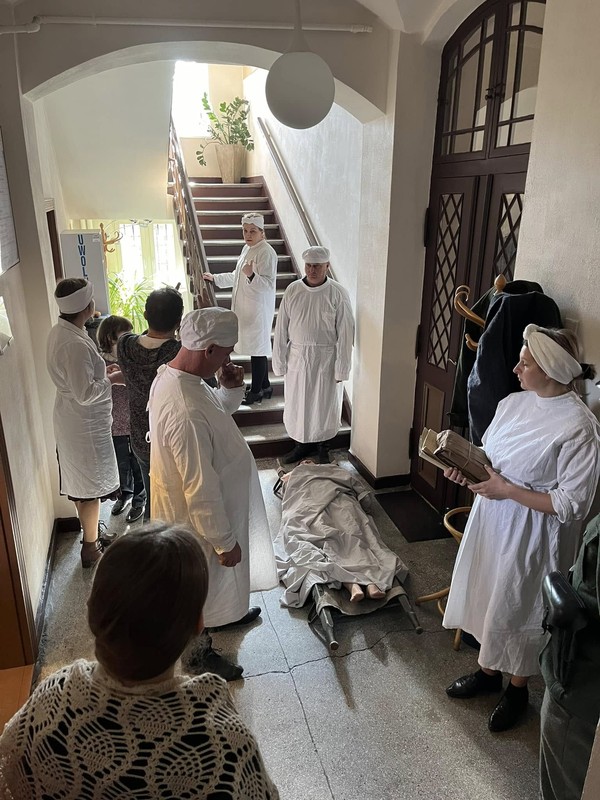
- Na planie filmu “Dzieci Szmalcówki”, fot. Unisławskie Towarzystwo Historyczne
-
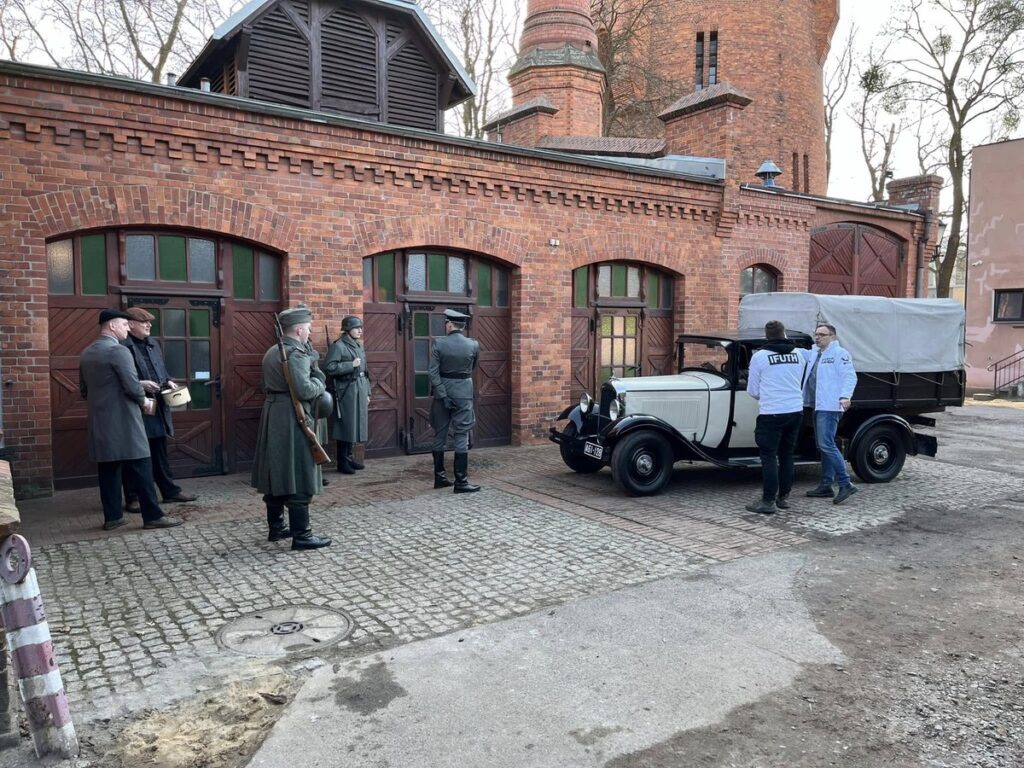
- Na planie filmu “Dzieci Szmalcówki”, fot. Unisławskie Towarzystwo Historyczne
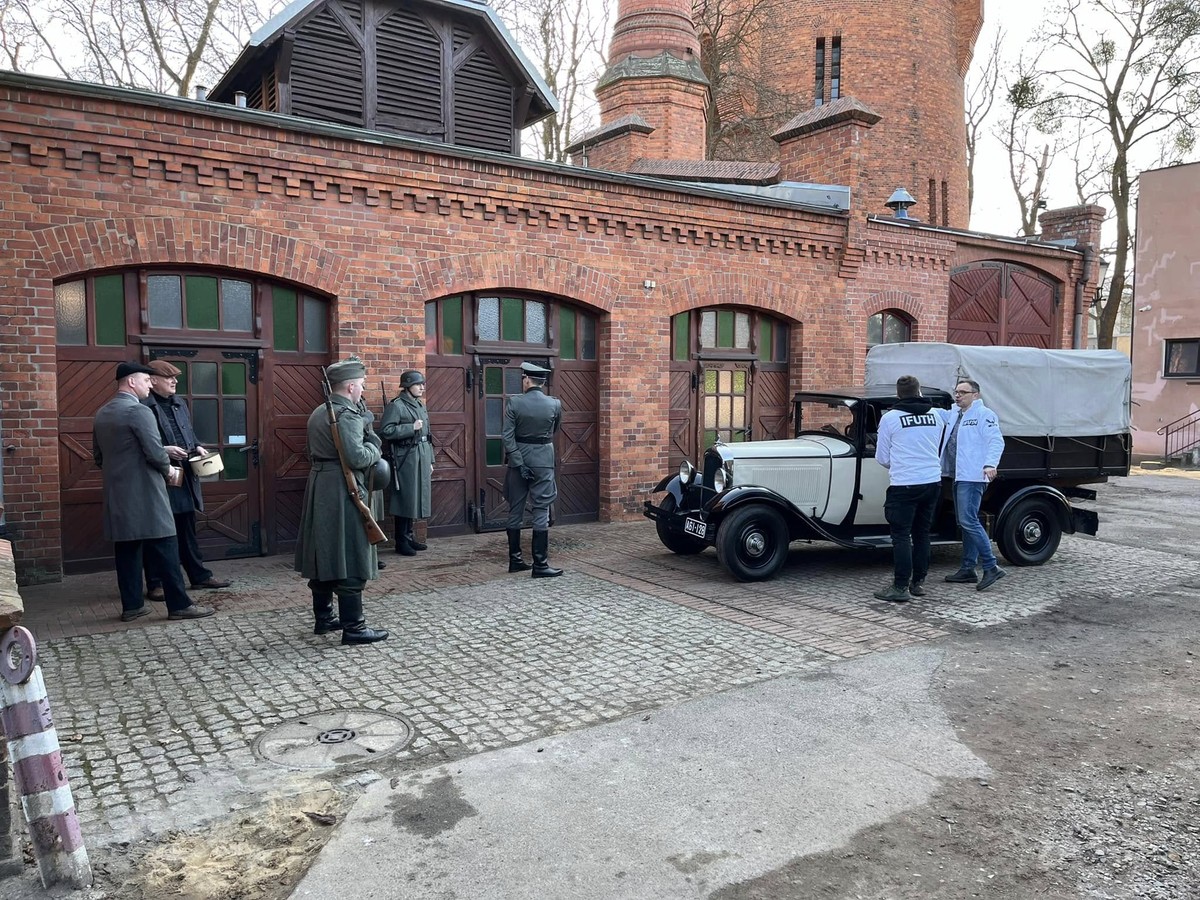
-
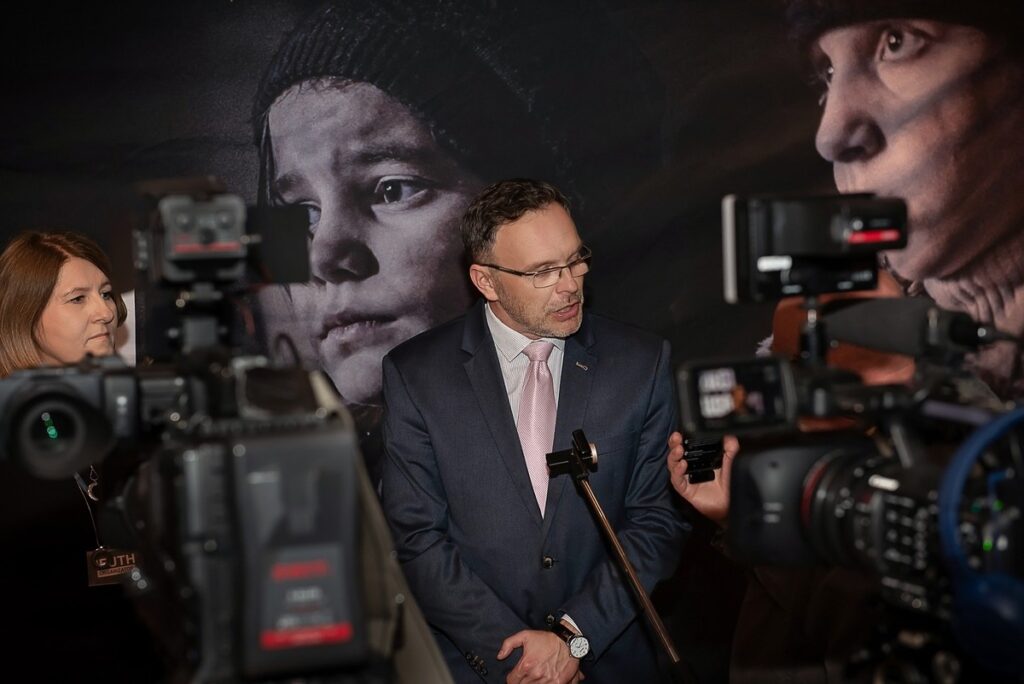
- Na planie filmu “Dzieci Szmalcówki”, fot. Unisławskie Towarzystwo Historyczne
-
- Na planie filmu “Dzieci Szmalcówki”, fot. Unisławskie Towarzystwo Historyczne
-
- Na planie filmu “Dzieci Szmalcówki”, fot. Unisławskie Towarzystwo Historyczne

-
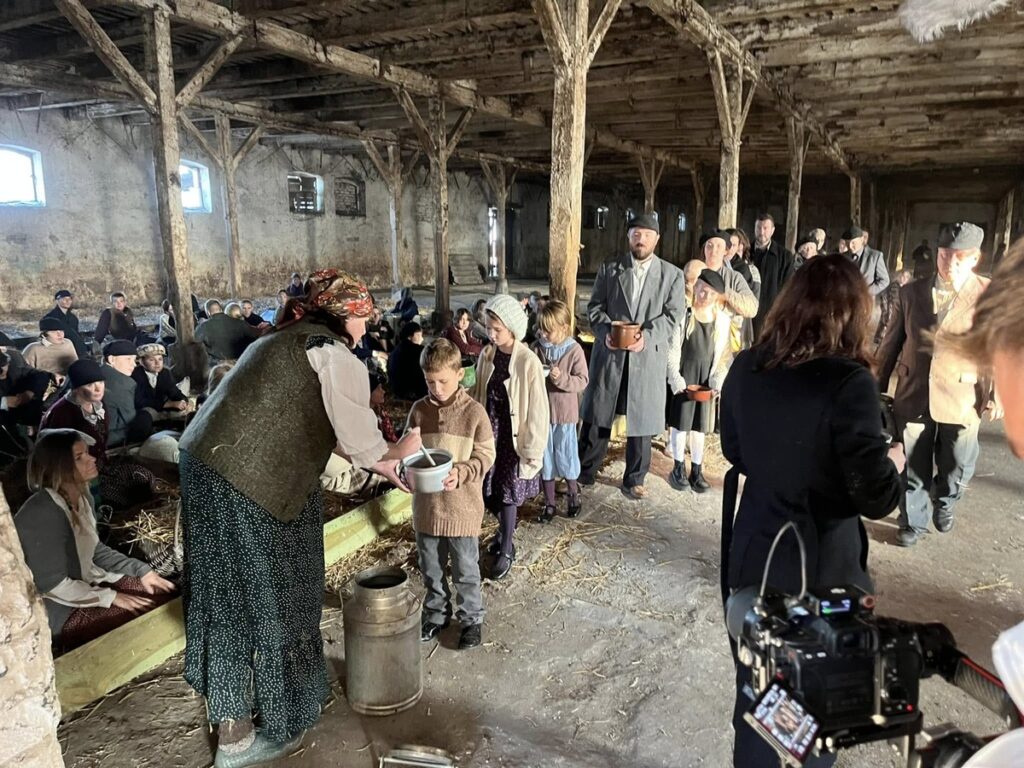
- Na planie filmu “Dzieci Szmalcówki”, fot. Unisławskie Towarzystwo Historyczne

-
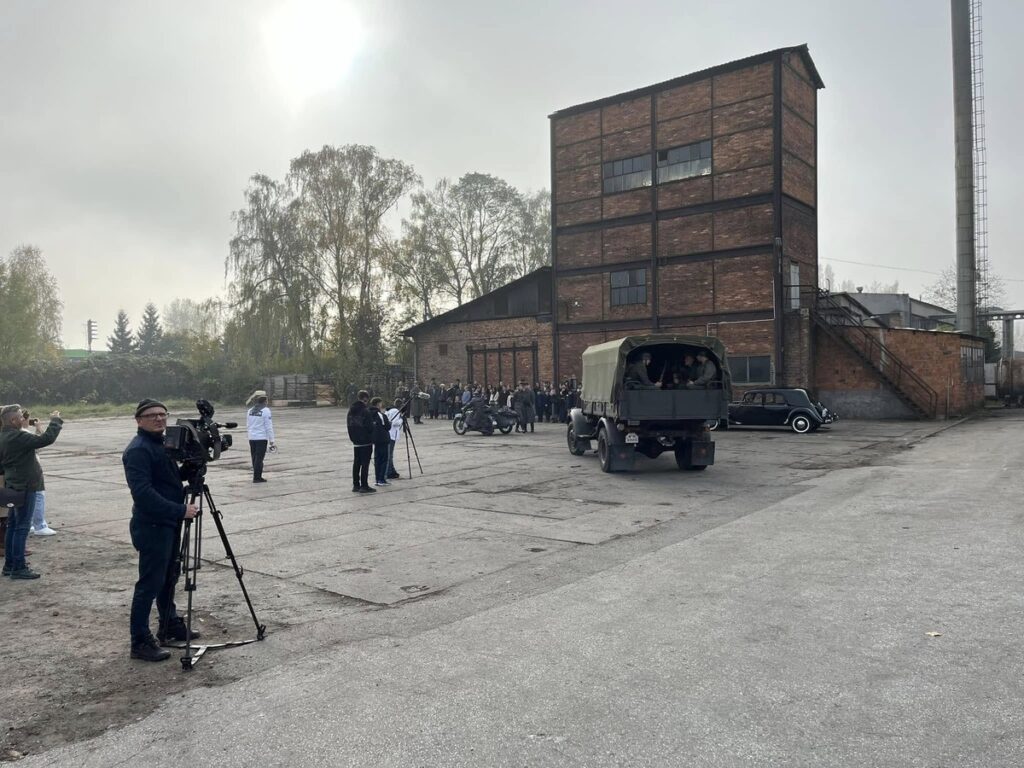
- Na planie filmu “Dzieci Szmalcówki”, fot. Unisławskie Towarzystwo Historyczne

-
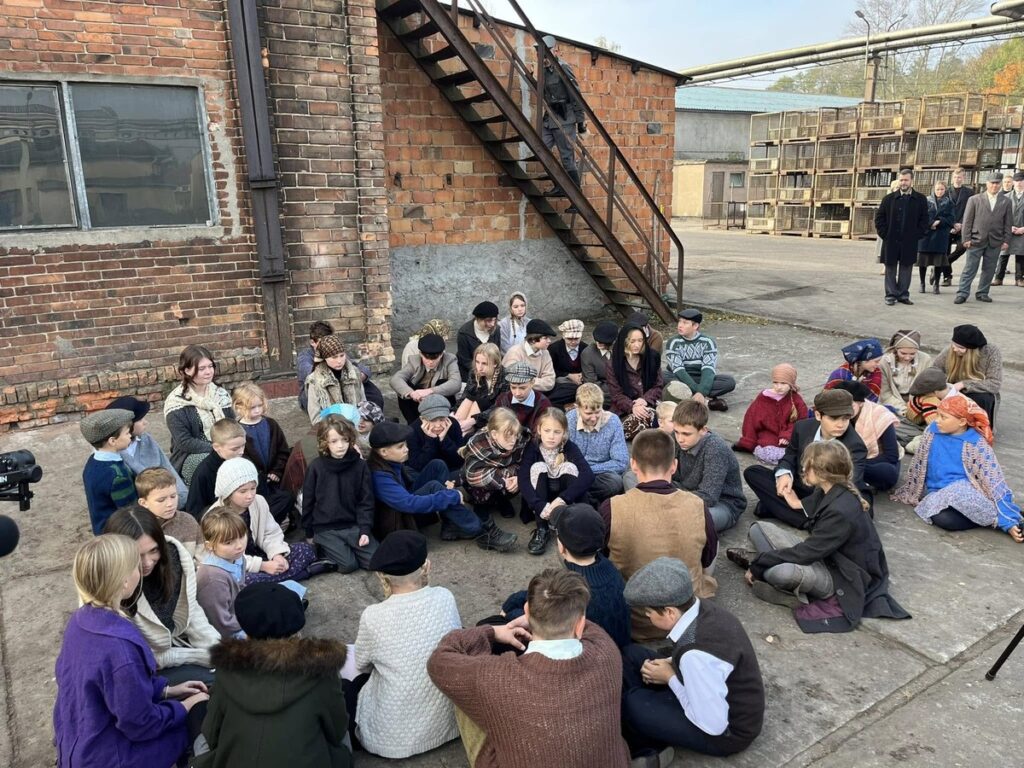
- Na planie filmu “Dzieci Szmalcówki”, fot. Unisławskie Towarzystwo Historyczne
-
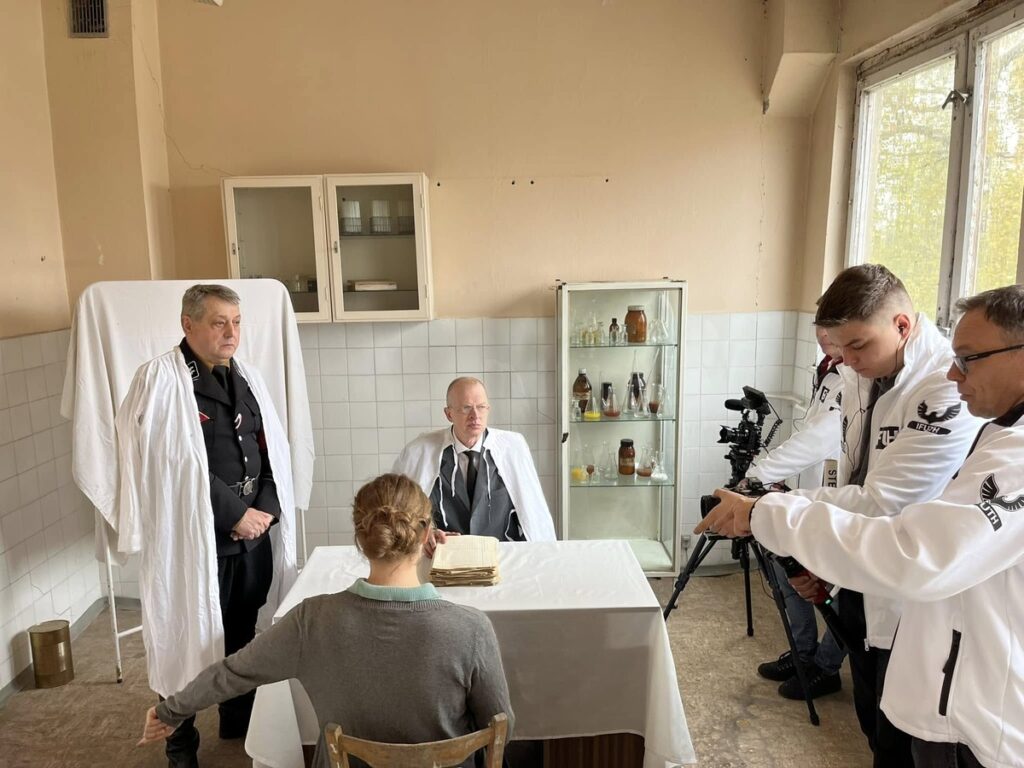
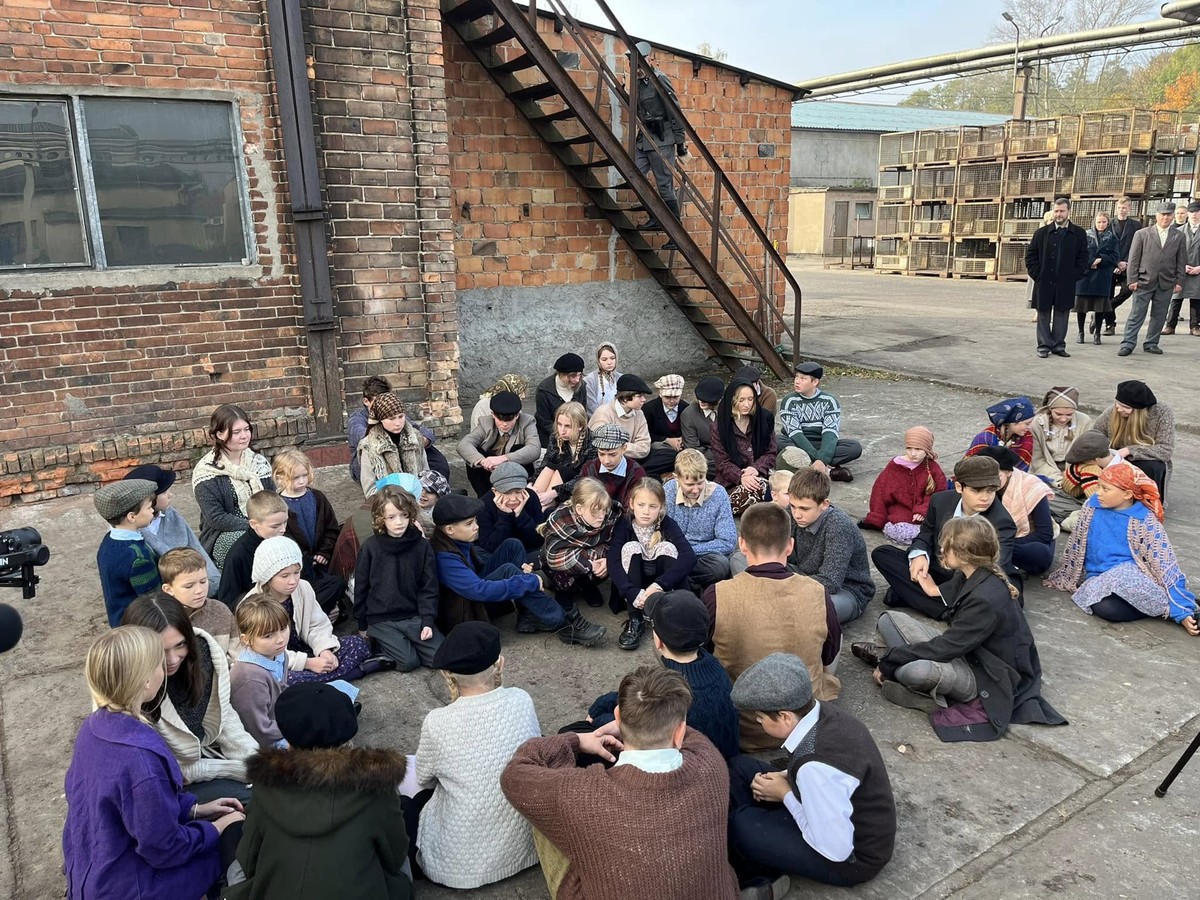
- Na planie filmu “Dzieci Szmalcówki”, fot. Unisławskie Towarzystwo Historyczne
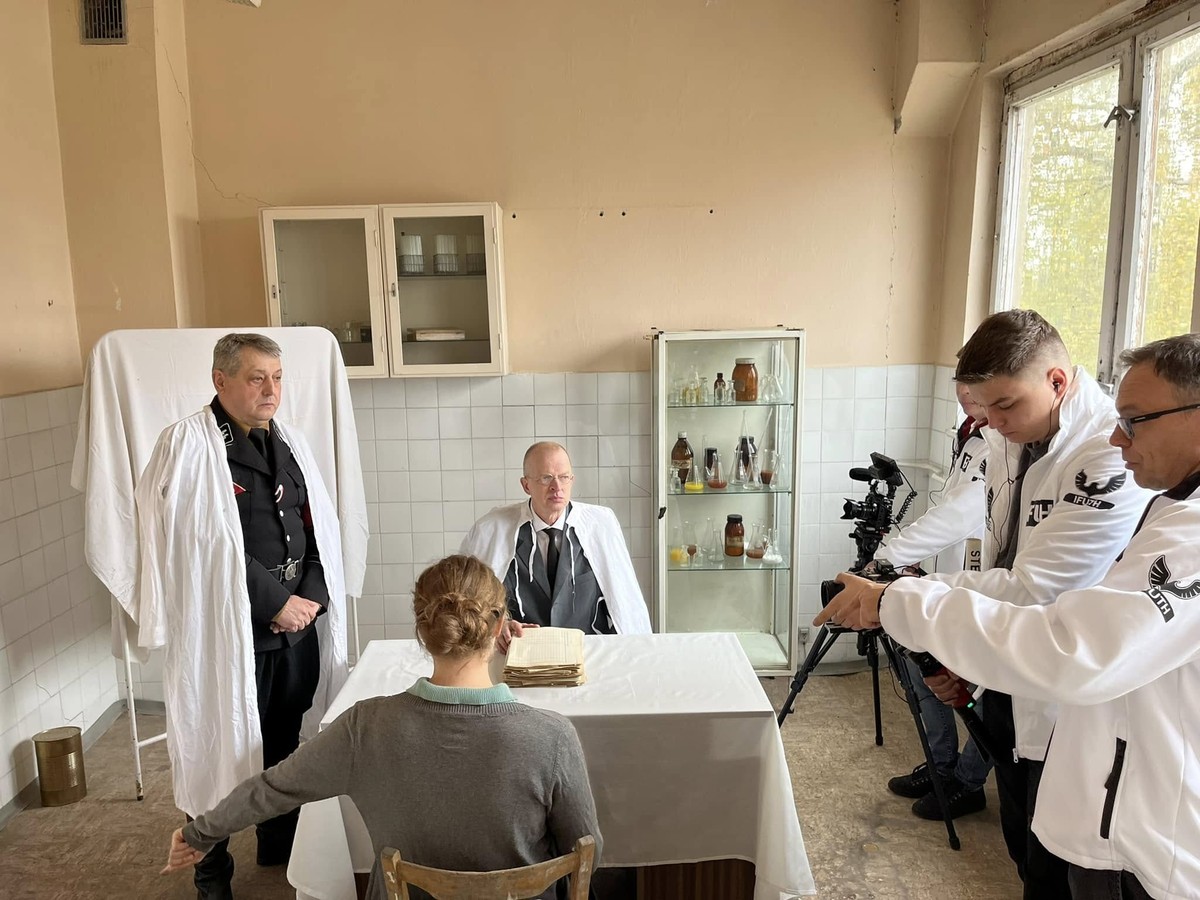
-
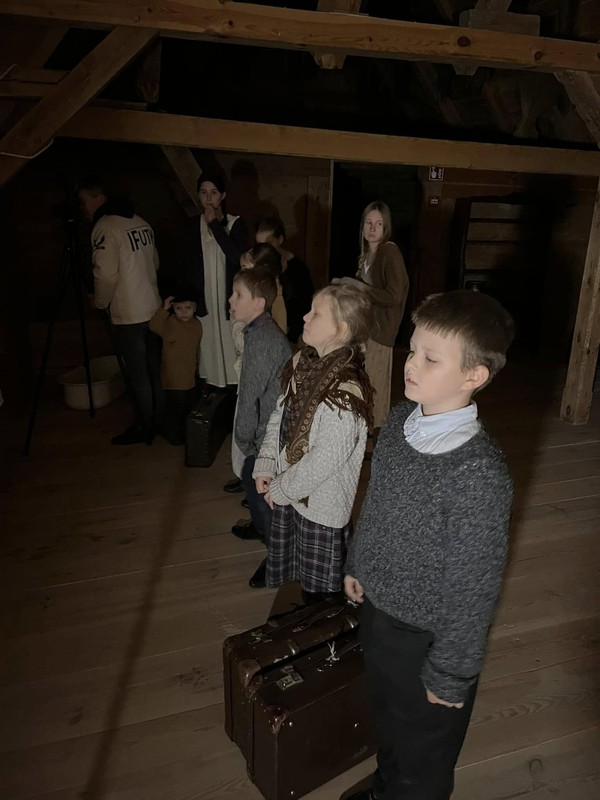
- Na planie filmu “Dzieci Szmalcówki”, fot. Unisławskie Towarzystwo Historyczne
-
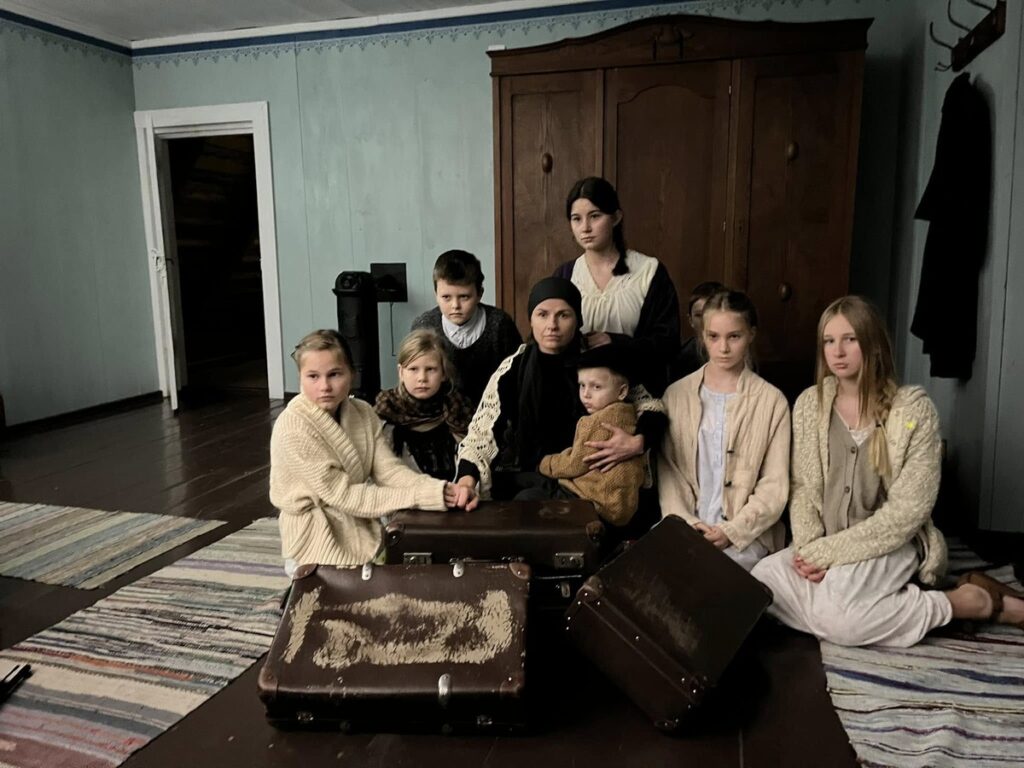
- Na planie filmu “Dzieci Szmalcówki”, fot. Unisławskie Towarzystwo Historyczne
