
Marshal’s Medals for Centenarian Women of the Region
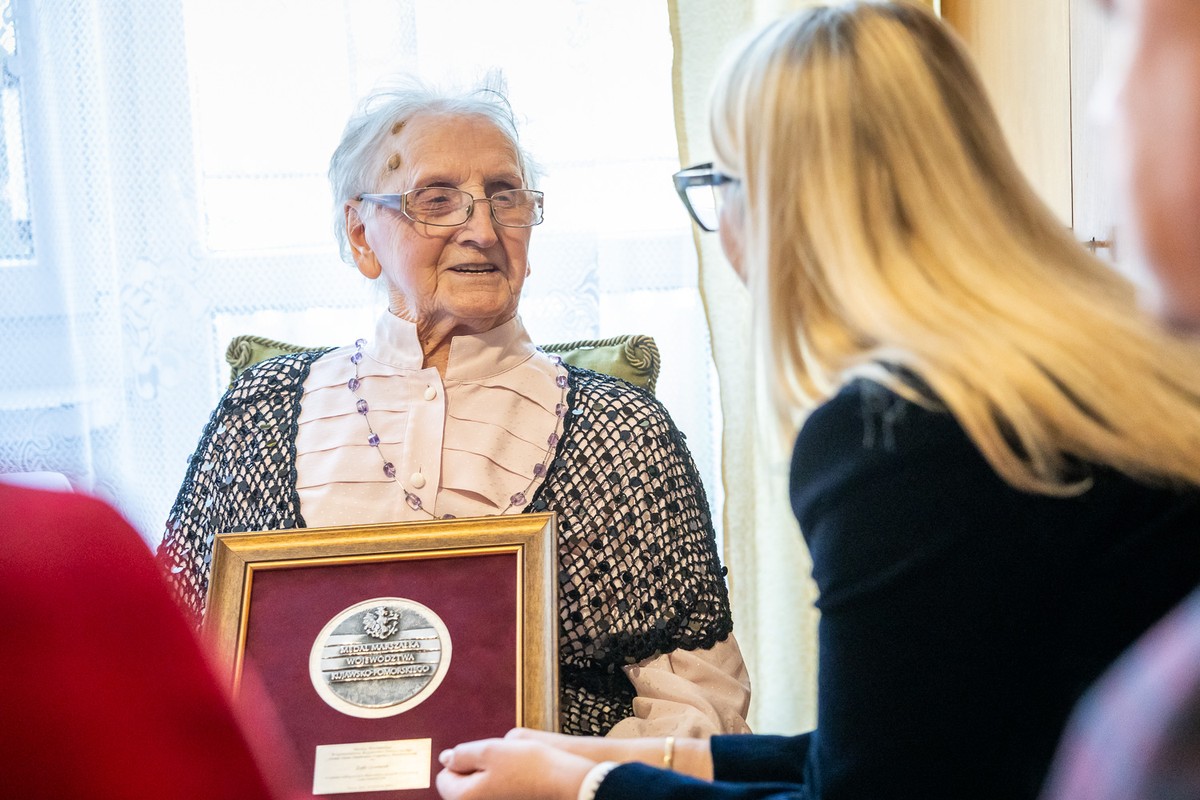
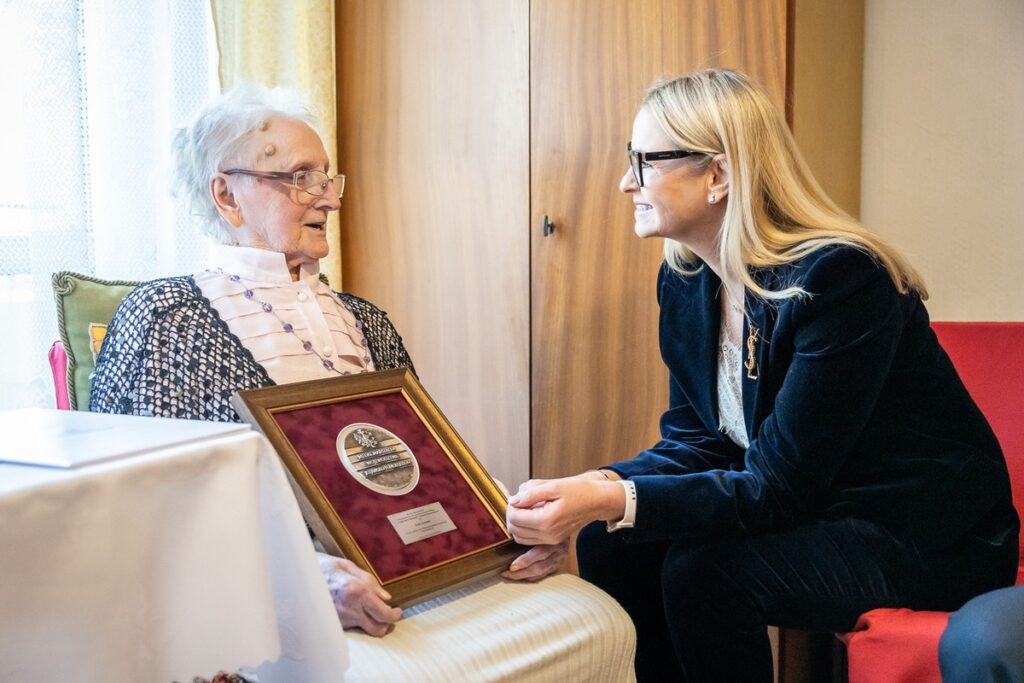
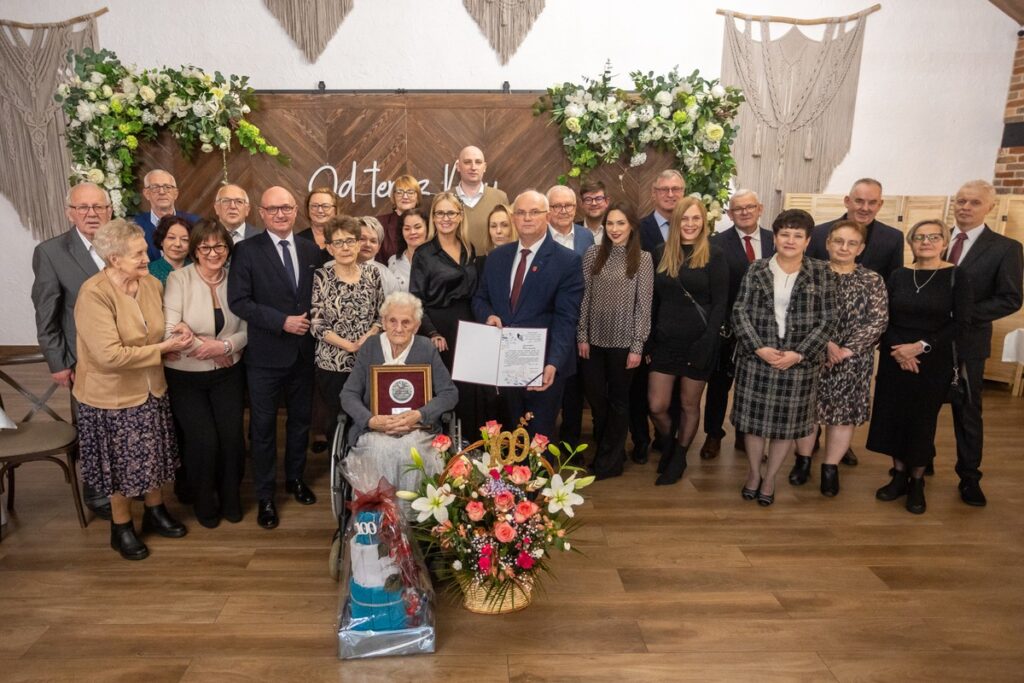
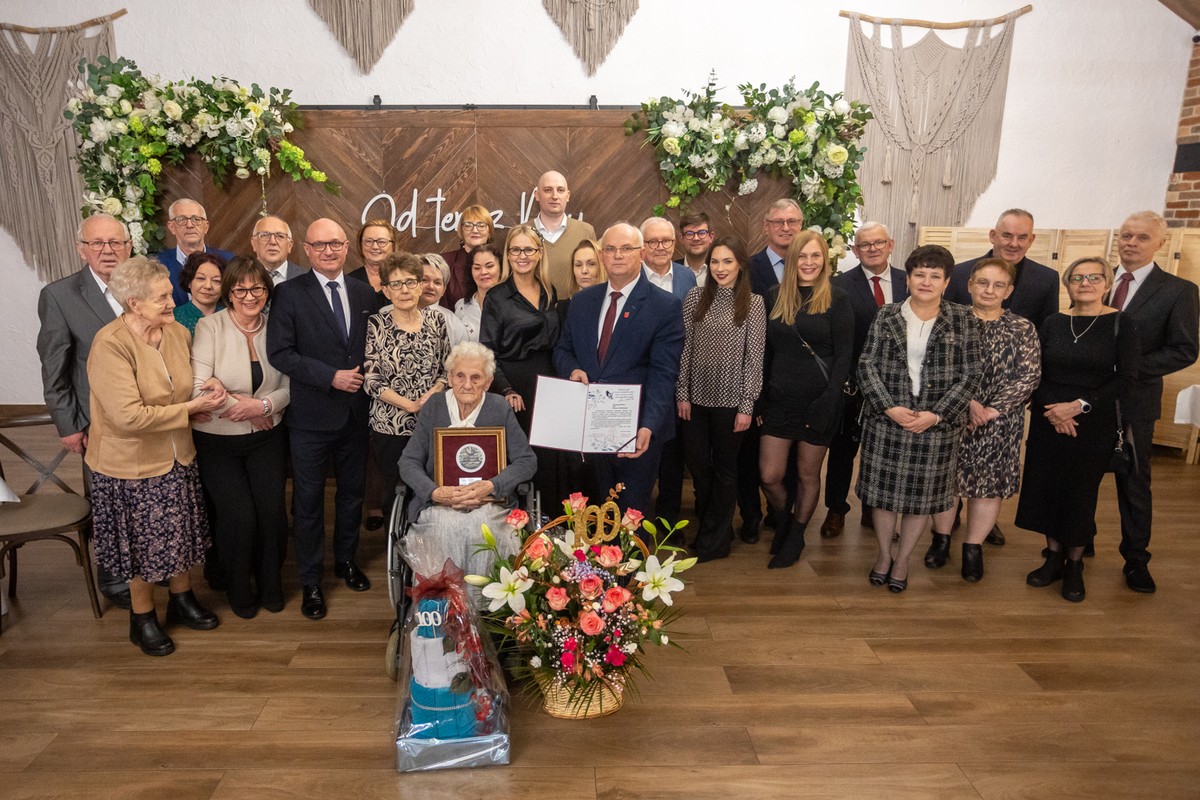
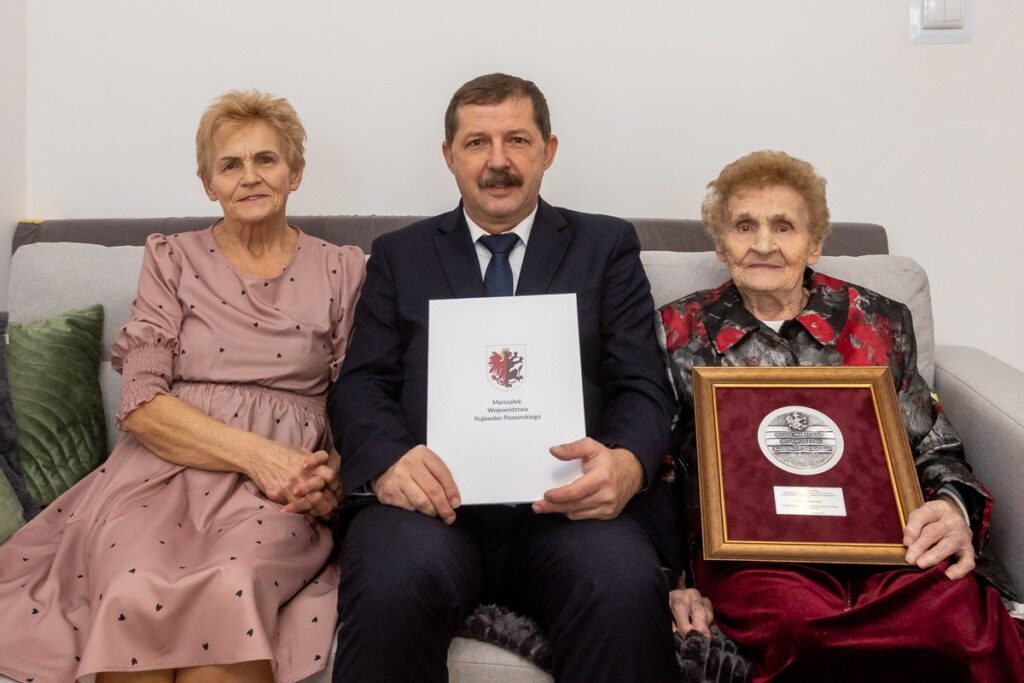
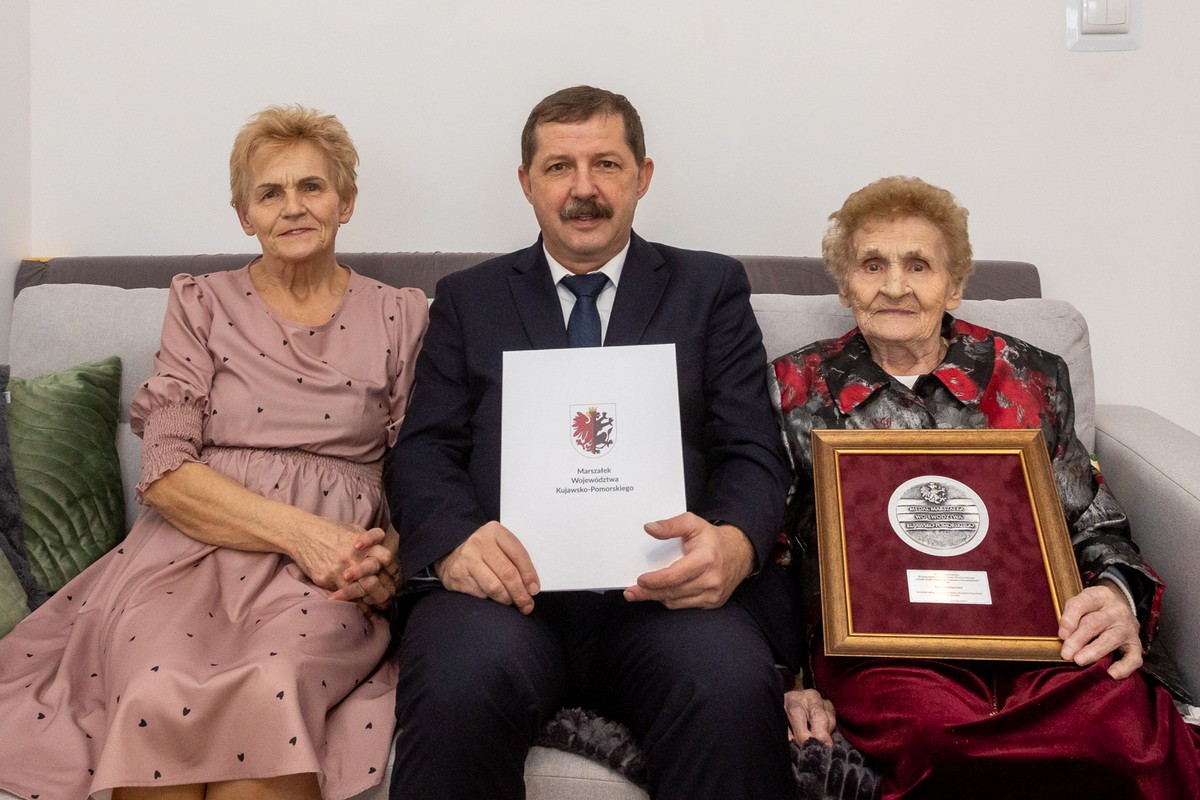
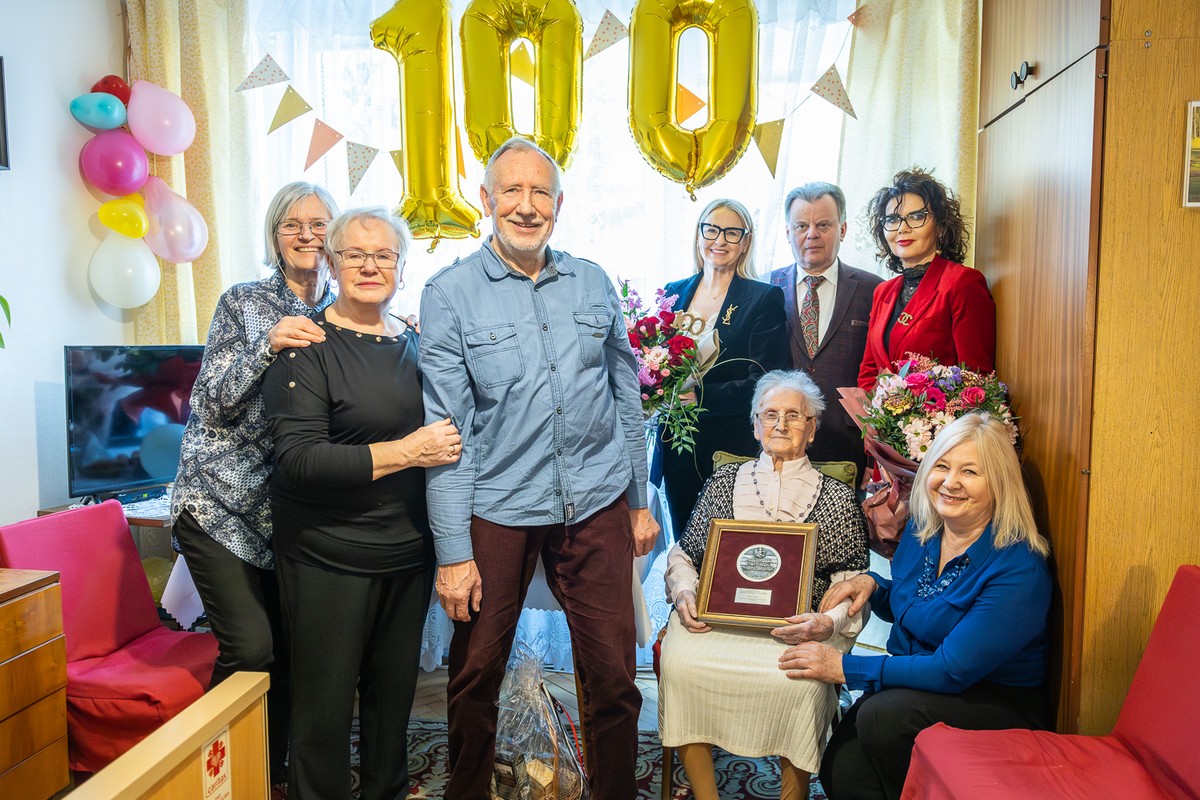
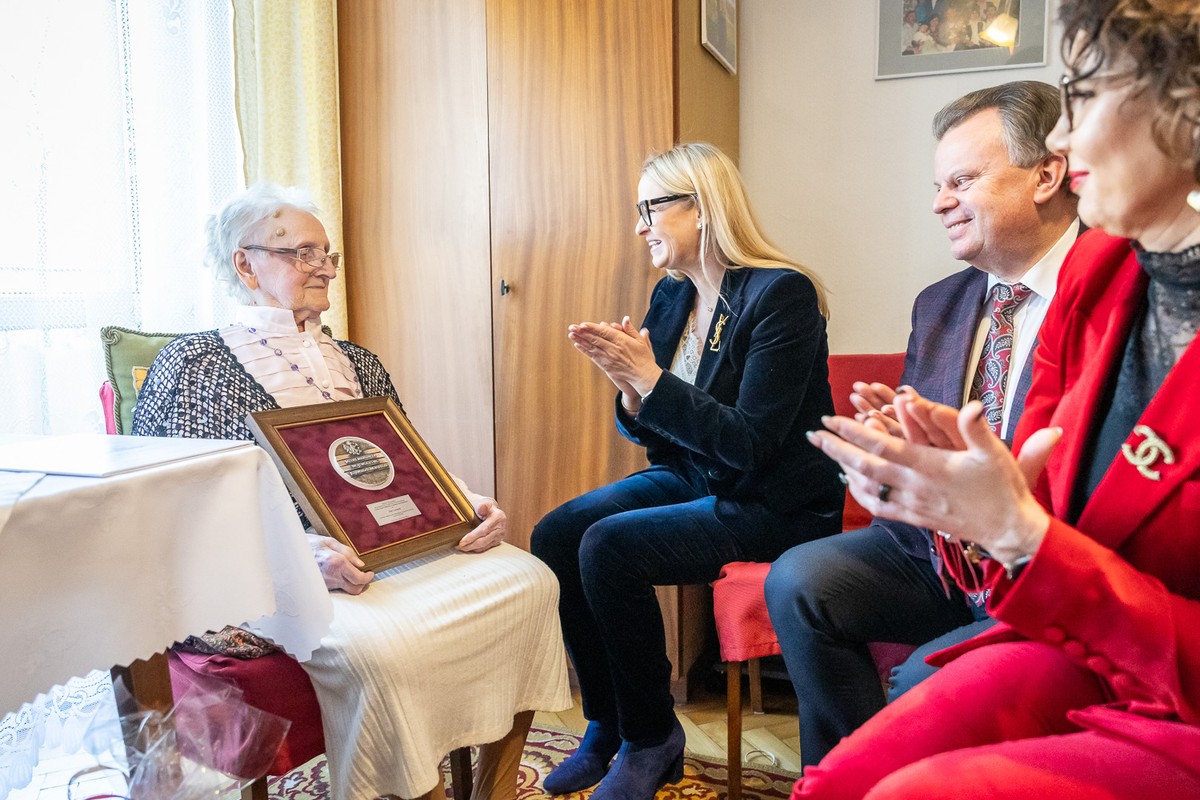
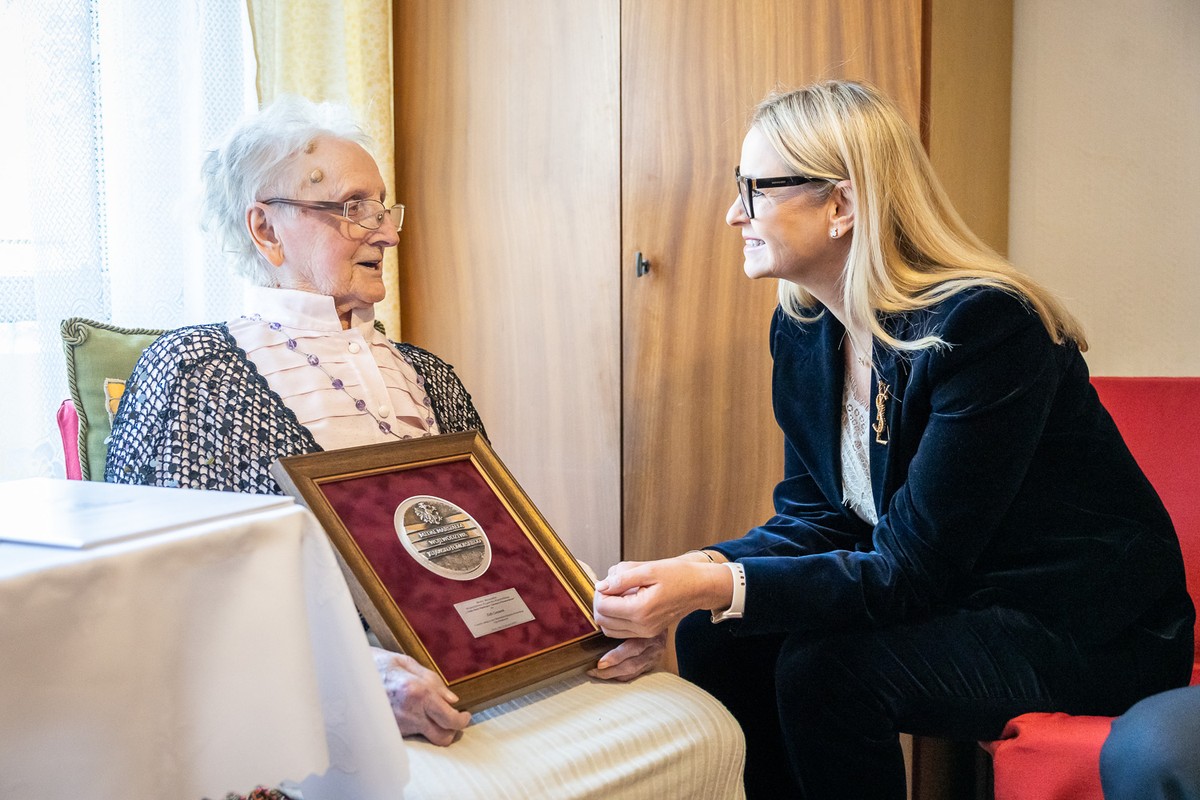
Their childhood was cut short by war, which forced them into adulthood at an early age. They endured forced labor and a harsh daily reality, and after the war went on to build happy family lives. The Marshal’s Unitas Durat Palatinatus Cuiaviano-Pomeraniensis medals were presented to the region’s centenarian residents – Weronika Bieńkowska, Weronika Wiśniewska, Irena Skonieczna, and Zofia Gontarek – by Vice-Marshal Aneta Jędrzejewska, Member of the Regional Executive Board Marek Wojtkowski, Vice-President of the Regional Parliament Przemysław Sznajdrowski, and Regional Councillor Paweł Zgórzyński.
“May the kindness you show to others return to you strengthened by the care, warmth, and attention of your loved ones. May every day bring joy, love, and support,” wished Marshal Piotr Całbecki.
Marshal’s Medals for Centenarian Women of the Region
Their childhood was cut short by war, which forced them into adulthood at an early age. They endured forced labor and a harsh daily reality, and after the war went on to build happy family lives. The Marshal’s Unitas Durat Palatinatus Cuiaviano-Pomeraniensis medals were presented to the region’s centenarian residents – Weronika Bieńkowska, Weronika Wiśniewska, Irena Skonieczna, and Zofia Gontarek – by Vice-Marshal Aneta Jędrzejewska, Member of the Regional Executive Board Marek Wojtkowski, Vice-President of the Regional Parliament Przemysław Sznajdrowski, and Regional Councillor Paweł Zgórzyński.
“May the kindness you show to others return to you strengthened by the care, warmth, and attention of your loved ones. May every day bring joy, love, and support,” wished Marshal Piotr Całbecki.
Weronika Bieńkowska was born on 27 December 1925 in Zawada (Mazowieckie Region) into a farming family. She had four siblings, one of whom lived to the age of 102. During the Second World War she was forced to work on a German farm. After the occupation, she and her husband Franciszek Bieńkowski raised four children. They lived first in Płosznica and later in Turza Mała (also in the Mazowieckie Region), where they ran a farm. In 1974 they moved to Bydgoszcz, where Ms. Weronika worked at a grain elevator until retirement, having previously worked at telephone plants.
She was always exceptionally hardworking and versatile – she sewed, knitted, and crocheted – and was known for her love of books and her deep devotion to family. She also cared for orphans, raising one girl to adulthood. She has five grandchildren, great-grandchildren, and a great-great-granddaughter. A perfect homemaker, she taught her children and grandchildren orderliness from an early age. She cooked and baked superbly – preparing fritters, pasta, potato dumplings, “lazy” dumplings, and yeast pastries from early morning.
“Grandma Weronika loved cooking together with her grandchildren, taking them on bike trips and walks, and on regular, long visits to the cemetery,” recalls her granddaughter, Krystyna.
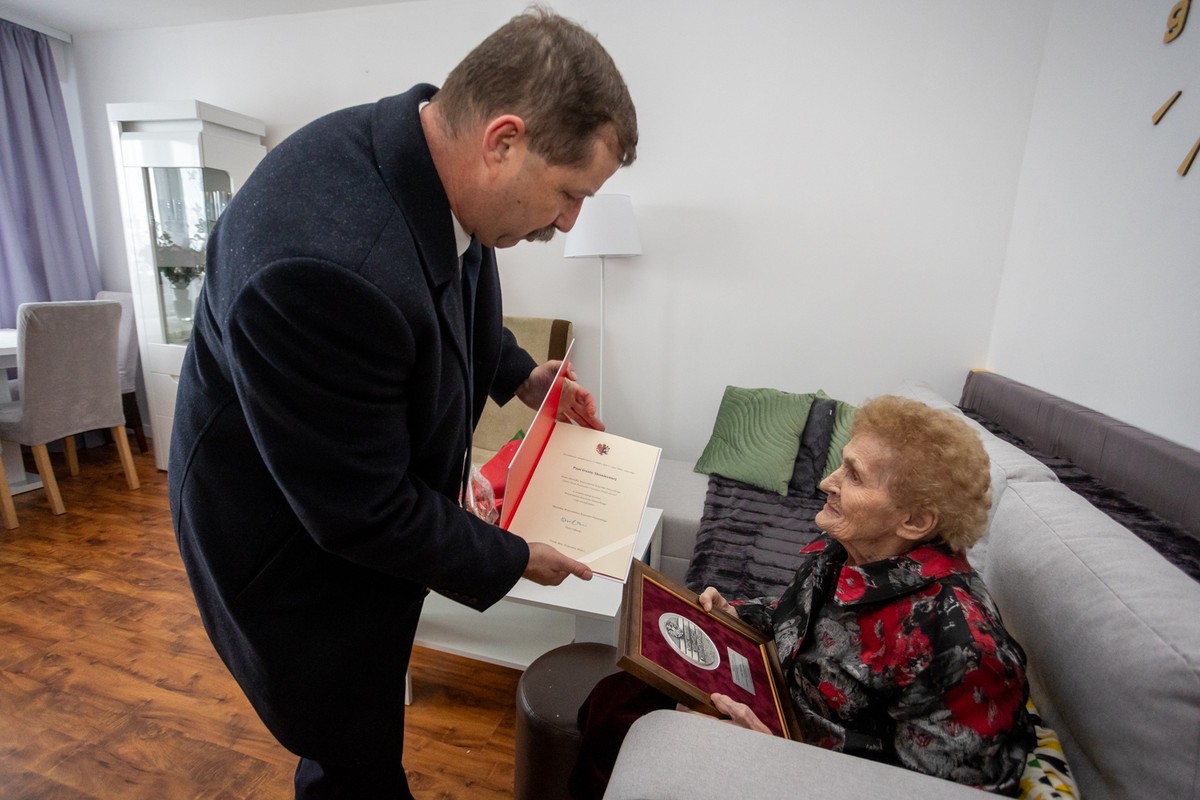
Irena Skonieczna was born on 14 January 1926 in Szut, Rypin County, into a farming family. She grew up with five sisters and four brothers; her parents, Jakub and Józefa, ran a farm. Her schooling was interrupted by the outbreak of the Second World War. During the occupation she was sent to forced labor on a German farm, where she worked until the end of the war, caring for all the livestock. Living conditions were harsh and food rations minimal. Shortly after the war she married, but was widowed at the age of 32, which forced her to run the farm and raise her children – two daughters and a son – on her own. Despite this, she was active socially and culturally, singing in a choir and expressing her artistic sensitivity. Throughout her life she was distinguished by excellent physical fitness and resilience. She loved cycling and remained active until the age of 85. She is the grandmother of three and the great-grandmother of three great-granddaughters.
“I have always admired Grandma Irena for her extraordinary diligence and discipline. To this day she has a strong need for order and consistency. She likes everything done her way and buttoned up to the last detail. She was and is very resourceful, strong, and deserving of great respect,” emphasizes her grandson Sylwester.
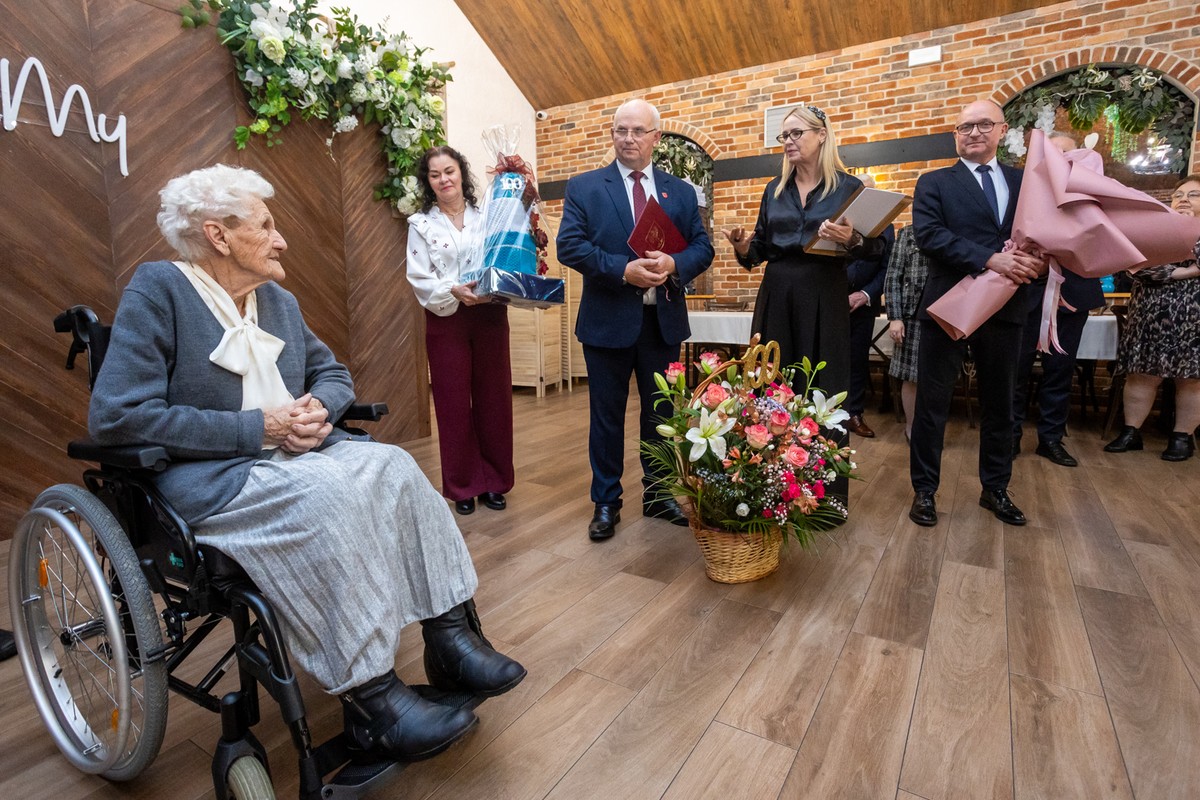
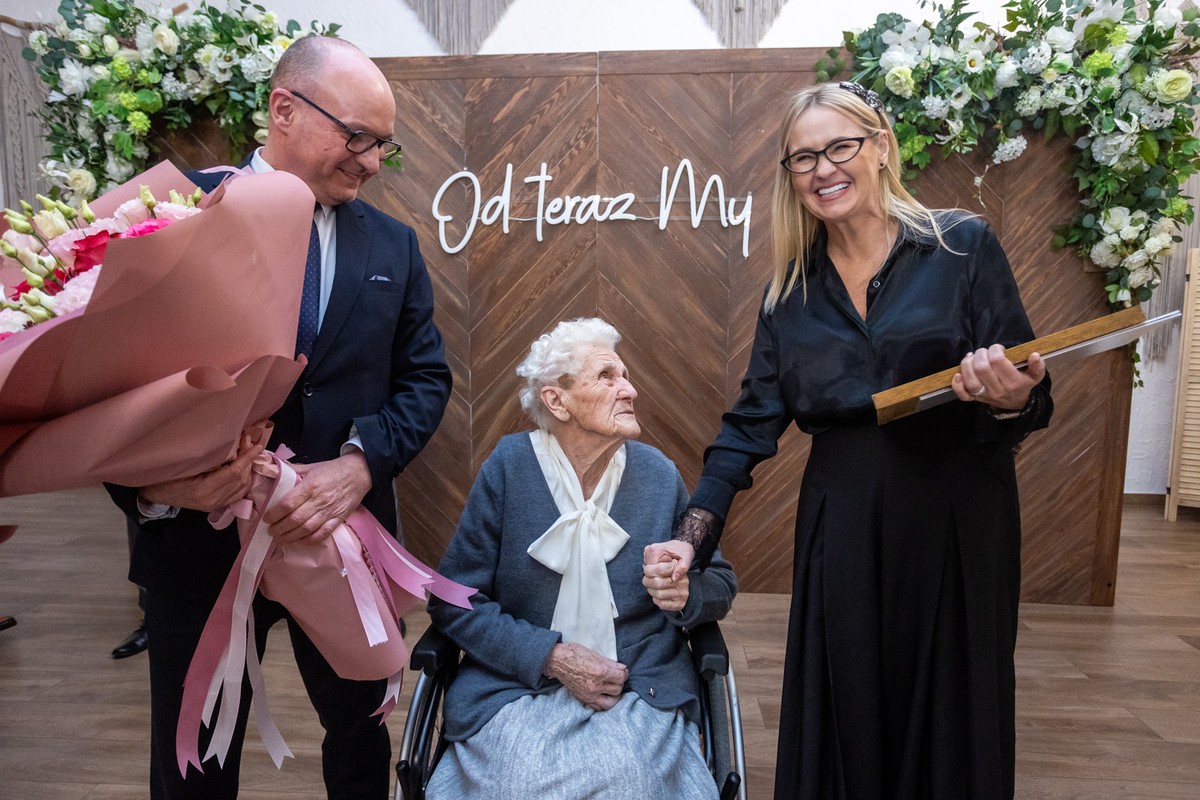
Weronika Wiśniewska was born on 3 January 1926 in Lubraniec (Włocławek County), the daughter of Władysław and Kazimiera Federowicz. Her childhood was marked by migration: her father left for the United States and, after several years, brought the family to New York. After a few years overseas, Ms. Weronika returned to Poland and completed primary school in Lubraniec.
From an early age she displayed remarkable intellectual abilities, particularly in the sciences. Mathematics was her passion – she calculated mentally, quickly and accurately, without a calculator. She dreamed of further education and, before the war, was admitted to a secondary school in Włocławek, but the outbreak of the war ended those plans. During the occupation she remained in Lubraniec and was not sent to forced labor, thanks to help from the then head of Lubraniec, a Silesian neighbor who warned her about round-ups.
After the war she began working as a teacher, first near Izbica and later in Lubraniec. She married Jan Wiśniewski, who before the war had apprenticed as a butcher in Izbica and later worked his entire career in a meat plant. Together they ran a butcher’s shop in Lubraniec for many years. She raised four children and has four grandchildren. Deeply religious, she was active in church life for many years and also taught catechism. She loved travel as well. Today, Weronika Wiśniewska lives near a forest and enjoys sitting by the window watching birds.
“If she decided on something, she pursued it with determination and consistency – in learning, work, and everyday resolutions. She was proud, resilient, shaped by the experiences of the wartime generation,” notes her daughter Maria.
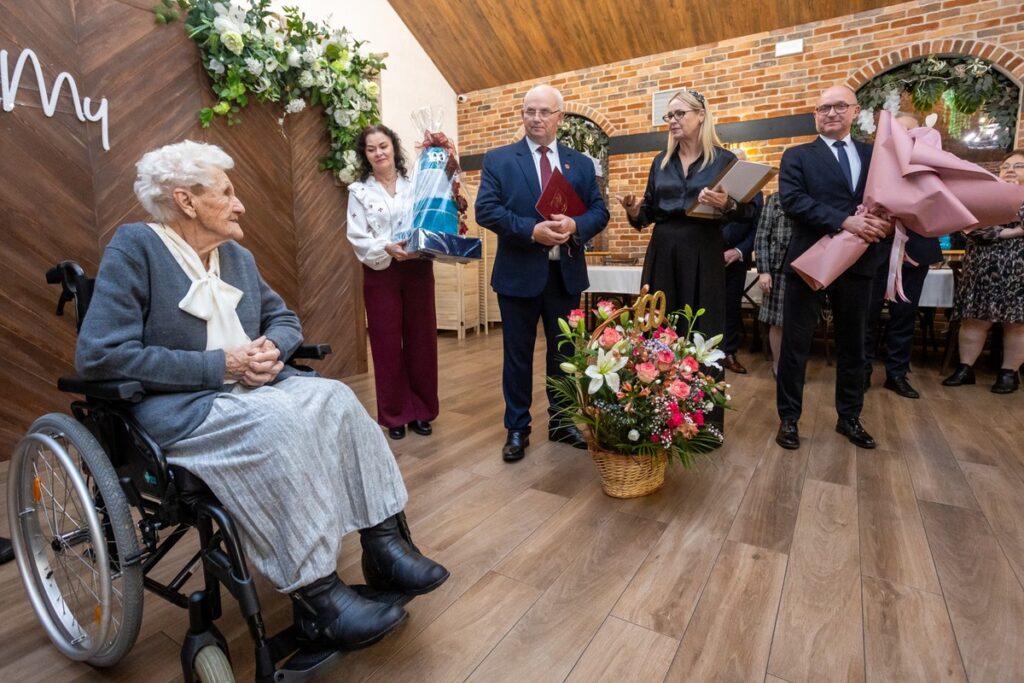
Zofia Gontarek was born on 19 January 1926 in Rakutowo (Włocławek County, Kowal Municipality) as the second child of Bolesław and Anna Żabecki. For generations, her family had made a living from fishing, leasing lakes and managing them, harvesting and selling not only fish but also the highly sought-after reeds and reed mats of the time.
Zofia first attended a rural primary school in Rakutowo for three years, then a school in Kowal. She was a keen and successful student, but her education was interrupted by the outbreak of the Second World War. During the occupation, the Germans displaced her family and dismantled their home and farm buildings. Zofia soon found employment on the farm of a German woman, Olga Wagner, whose husband had been conscripted into the Wehrmacht. She worked there until the end of the war, with a three-month break spent digging trenches near Nasiegniewo (Włocławek County).
In 1950 she married master tailor Tadeusz Gontarek, who ran a tailoring workshop, trained apprentices, and together with his wife managed a small farm. They raised three children: Krzysztof (born in 1950), Anna (born in 1953), and Maria ( born in 1958). Zofia has five grandchildren and two great-grandchildren. She divided her time between family responsibilities and work for the rural community of Rakutowo, the municipality and town of Kowal, the county, and the former Włocławek Region. In March 1962 she initiated the establishment of the Rural Housewives’ Circle (KGW) in Rakutowo and served for many years as its chair. Since the death of her husband Tadeusz, she has lived in Włocławek under the care of her closest family.
The regional self-government has been honoring centenarian residents since 2018; to date, more than 450 people have received the Unitas Durat medal. Families of residents who will soon turn 100, as well as older residents, are encouraged to get in touch by phone at +48 56 62 18 344 or by email at stulatkowie@kujawsko-pomorskie.pl.
Beata Krzemińska
Spokesperson of the Marshal’s Office
27 January 2026
-
- Wręczenie medalu Unitas Durat Weronice Wiśniewskiej, fot. Mikołaj Kuras dla UMWKP
-
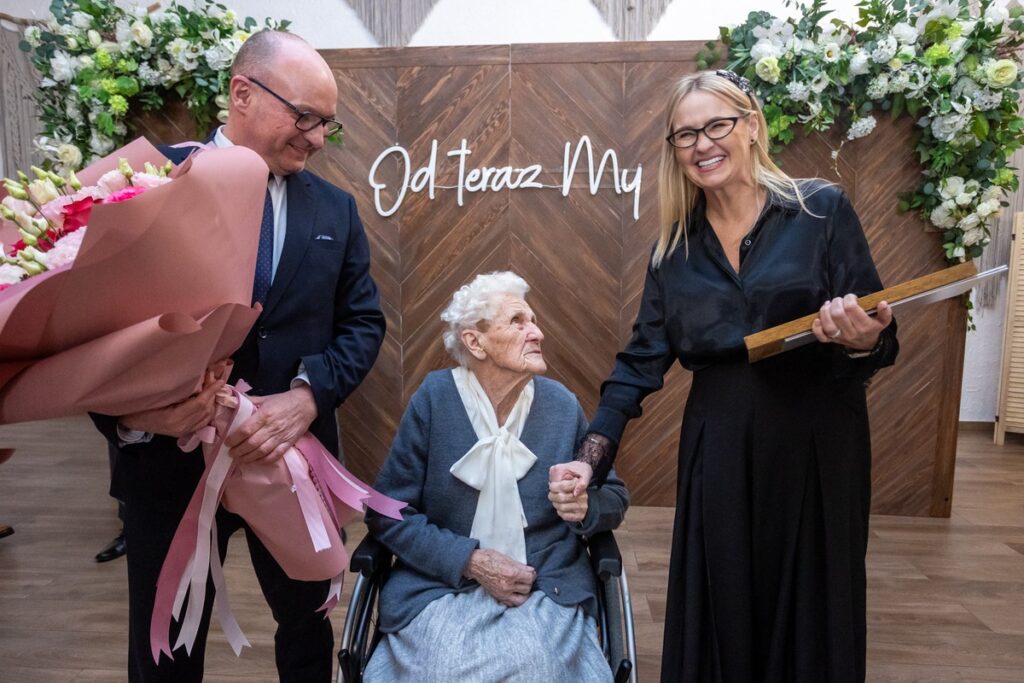
- Wręczenie medalu Unitas Durat Weronice Wiśniewskiej, fot. Mikołaj Kuras dla UMWKP
-
- Wręczenie medalu Unitas Durat Weronice Wiśniewskiej, fot. Mikołaj Kuras dla UMWKP
-
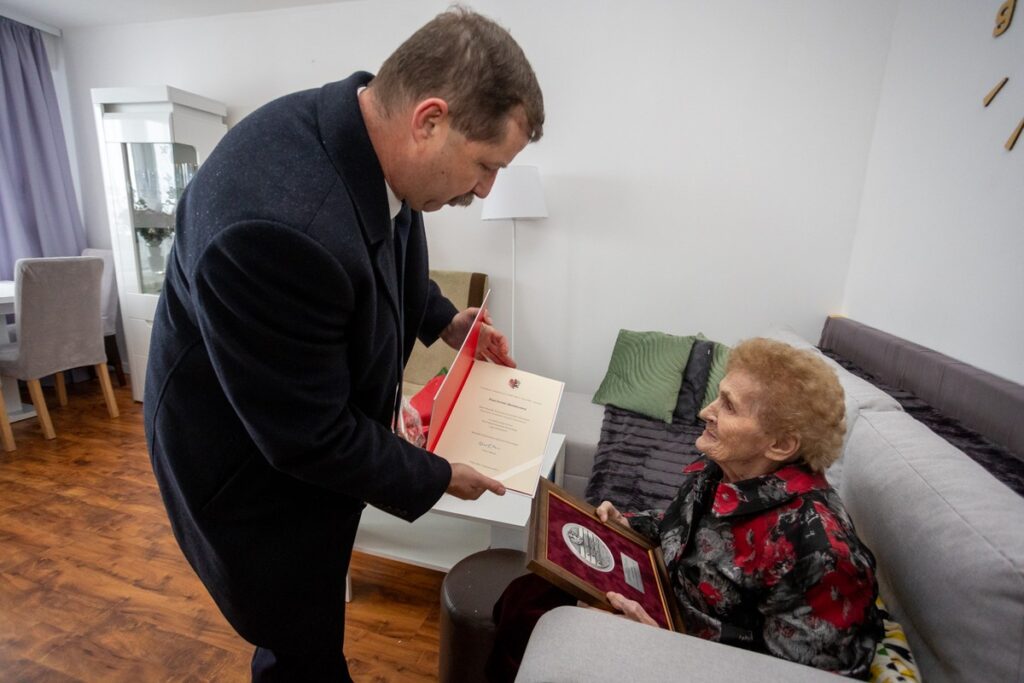
- Wręczenie medalu Unitas Durat Irenie Skoniecznej, fot. Mikołaj Kuras dla UMWKP
-
- Wręczenie medalu Unitas Durat Irenie Skoniecznej, fot. Mikołaj Kuras dla UMWKP
-
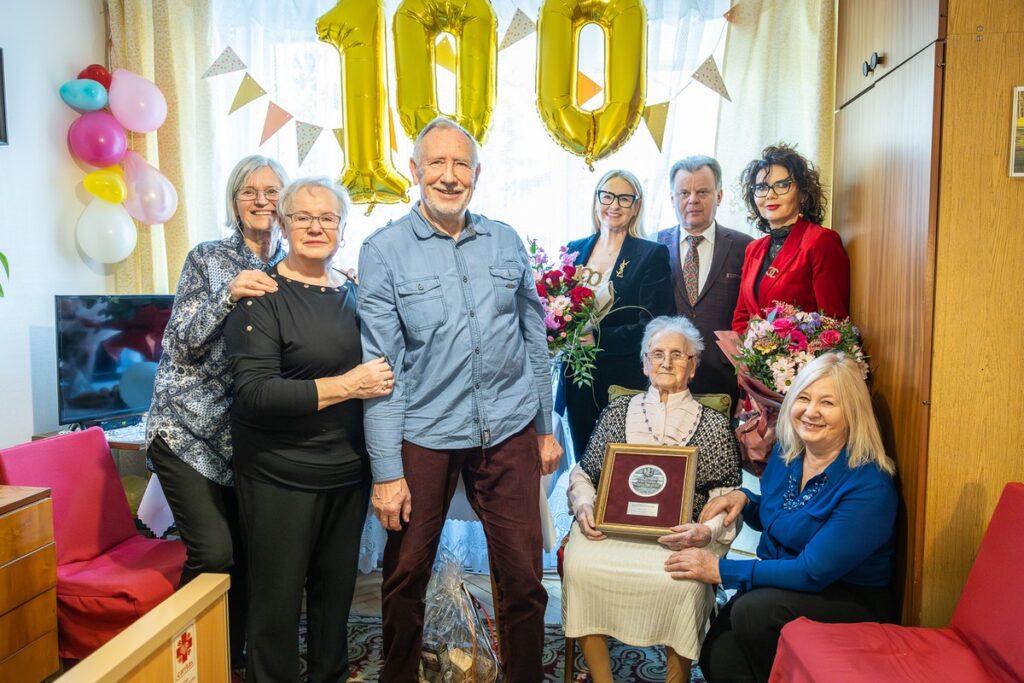
- Wręczenie medalu Unitas Durat Zofii Gontarek, fot. Szymon Zdziebło/tarantoga.pl dla UMWKP
-
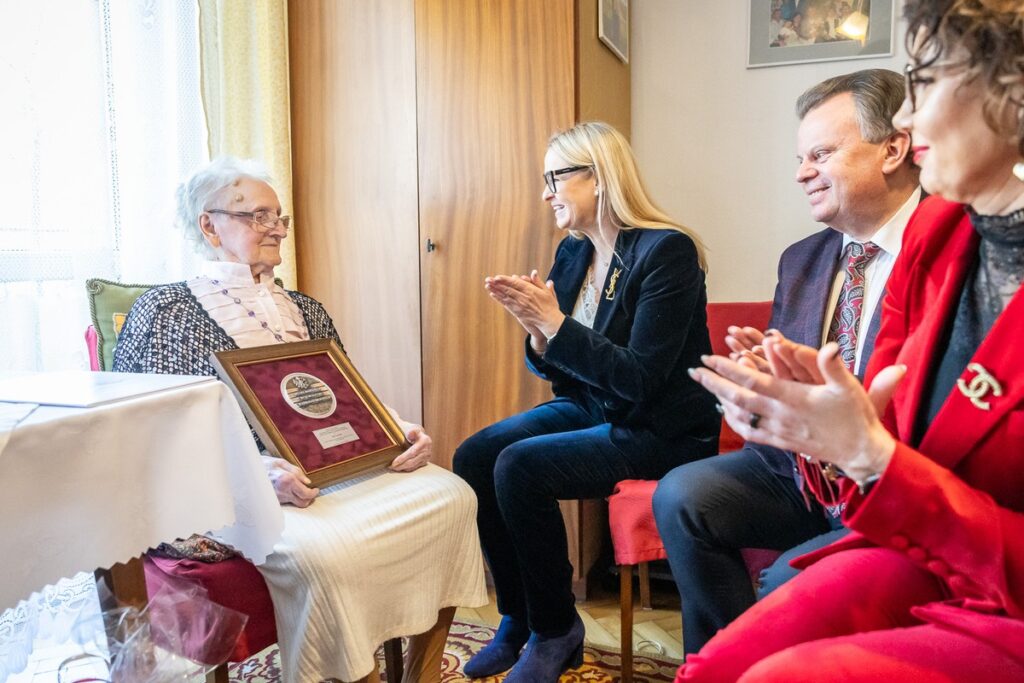
- Wręczenie medalu Unitas Durat Zofii Gontarek, fot. Szymon Zdziebło/tarantoga.pl dla UMWKP
-
- Wręczenie medalu Unitas Durat Zofii Gontarek, fot. Szymon Zdziebło/tarantoga.pl dla UMWKP
-
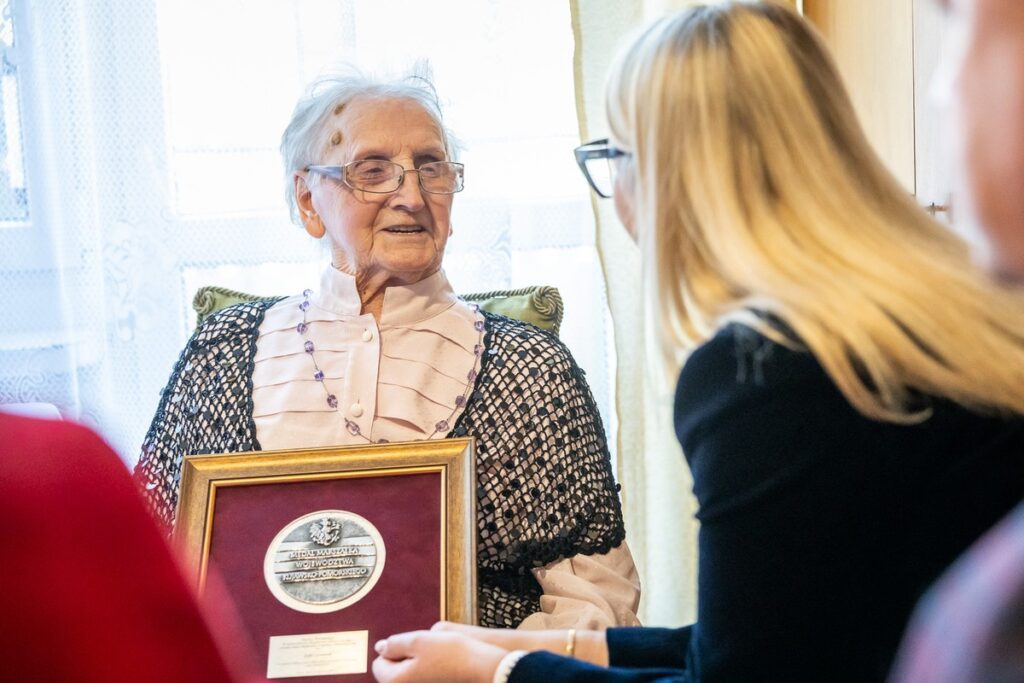
- Wręczenie medalu Unitas Durat Zofii Gontarek, fot. Szymon Zdziebło/tarantoga.pl dla UMWKP