

Physical activity — joy, pleasure, and time well spent
Conversation with Jagoda Gręźlikowska, sports psychologist
In the context of the March Indoor World Championships Kujawy Pomorze 26, which our region has been intensively preparing for over many months, there have been comments that one of the outcomes of this major event should be the promotion of sport, including mass sport, and physical activity in general. Why is sport such an important part of a healthy lifestyle?
Physical activity affects truly important areas of our lives — mental health, physical health, and social relationships. In terms of physical health, it improves overall fitness and posture, nourishes the brain, regulates the circadian rhythm, and protects against cardiovascular and neurodegenerative diseases. Regarding mental health, it significantly helps lower anxiety, reduces stress, and allows us to release accumulated emotions. It can also support coping with depression and serves as a preventive measure against addictions.
On a social level, physical activity helps us meet new people, build new relationships and bonds, and can also strengthen existing ones — for example, a family walk or a group visit to the swimming pool with friends.
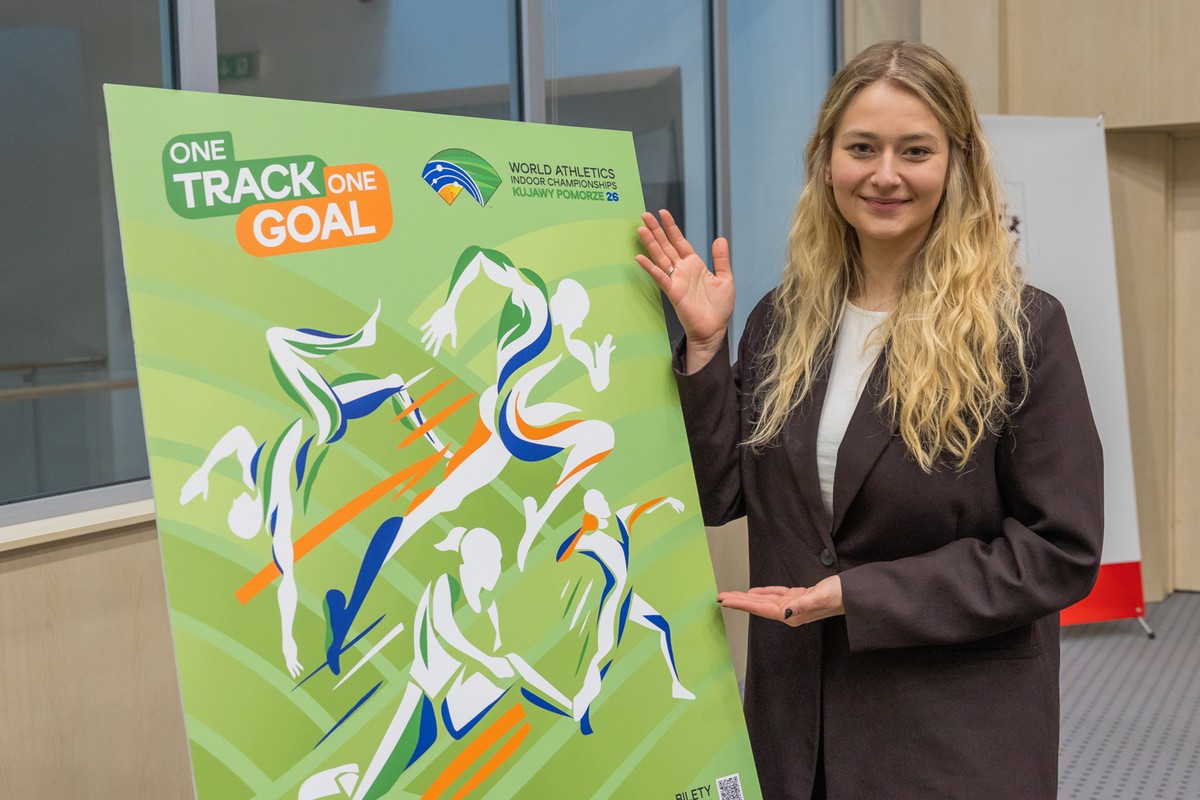
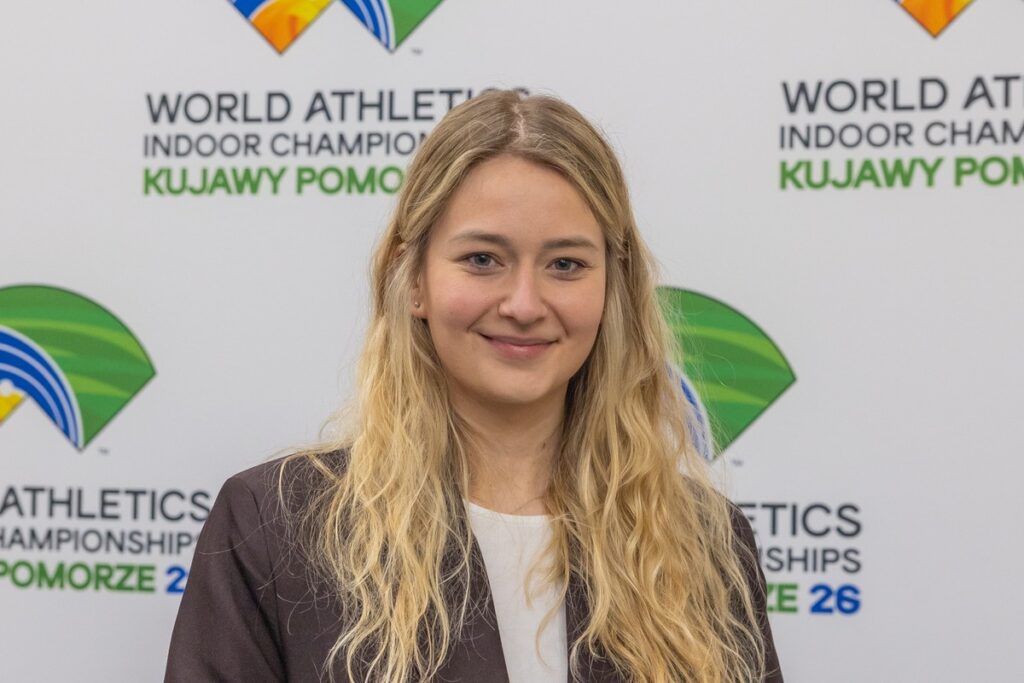
Jagoda Gręźlikowska, fot. Mikołaj Kuras dla UMWKP
Who are your clients? Why do they need support?
Sports psychology supports athletes in developing and utilizing their full potential and improving their performance. This happens through providing tools and knowledge to strengthen mental skills, fostering balanced athletic development, maintaining overall life balance, and supporting the athlete’s psychological well-being.
Athletes who come to sports psychologists vary widely in age and level of experience. Common areas of work and challenges they face in sessions with me include building stable self-confidence, regulating arousal and emotions, coping with pressure, and setting optimal performance goals.
Working with a sports psychologist is not only recommended during crises, nor is it a sign that the athlete is “struggling.” It also involves enhancing existing strengths and, as mentioned earlier, improving competitive effectiveness. I sincerely encourage trying sports psychology — even a few sessions can bring valuable insights and results.
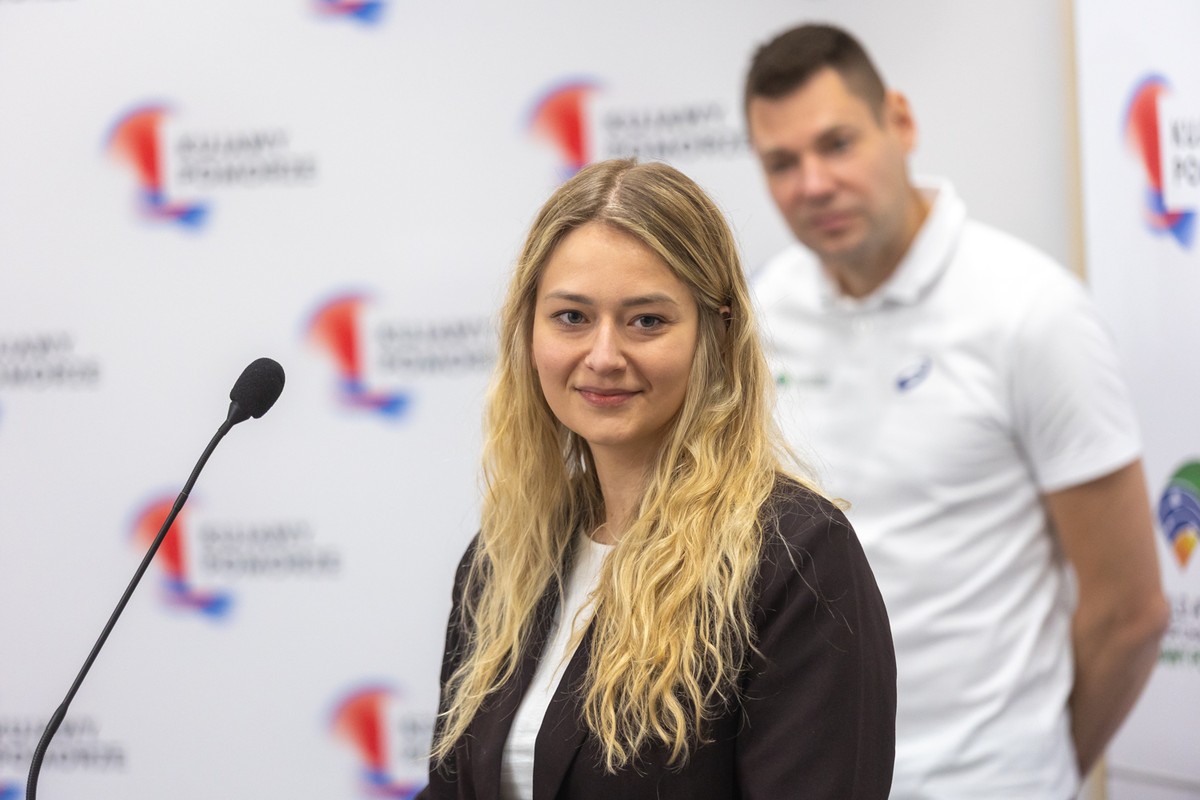
Jagoda Gręźlikowska, fot. Mikołaj Kuras dla UMWKP
If you had to encourage people to be physically active in just a few words, what would you say?
I believe that physical activity, beyond the benefits we’ve already discussed, can simply bring a lot of joy, pleasure, and a sense of well-being — it’s time well spent. I also believe that everyone can find a sport or activity in which they feel good.
I would add that to maintain the habit of being active, it’s helpful to identify at least one personally meaningful benefit from the activity. This helps sustain motivation and the desire to keep going.
February 16, 2026