

MOWA, jewel of the World Athletics Heritage
Interview with Chris Turner, director of World Athletics Heritage and the curator of the Museum of World Athletics (MOWA)
Where did the idea for MOWA come from, and how did the concept and format of such a museum originate? What role was MOWA intended to play?
In the autumn of 2016, I presented a proposal to our federation’s president Sebastian Coe, the concept of a heritage programme for the Olympics number one summer sport of athletics. From that kernel of an idea was born the World Athletics Heritage Department in January 2018.
World Athletics, or IAAF as the international federation for athletics was known at the time, was coming to this party very late. Most other major international sports federations in the Olympic movement like swimming, gymnastics, basketball etc… and the IOC itself, had long established heritage departments or projects like halls of fame and museums.
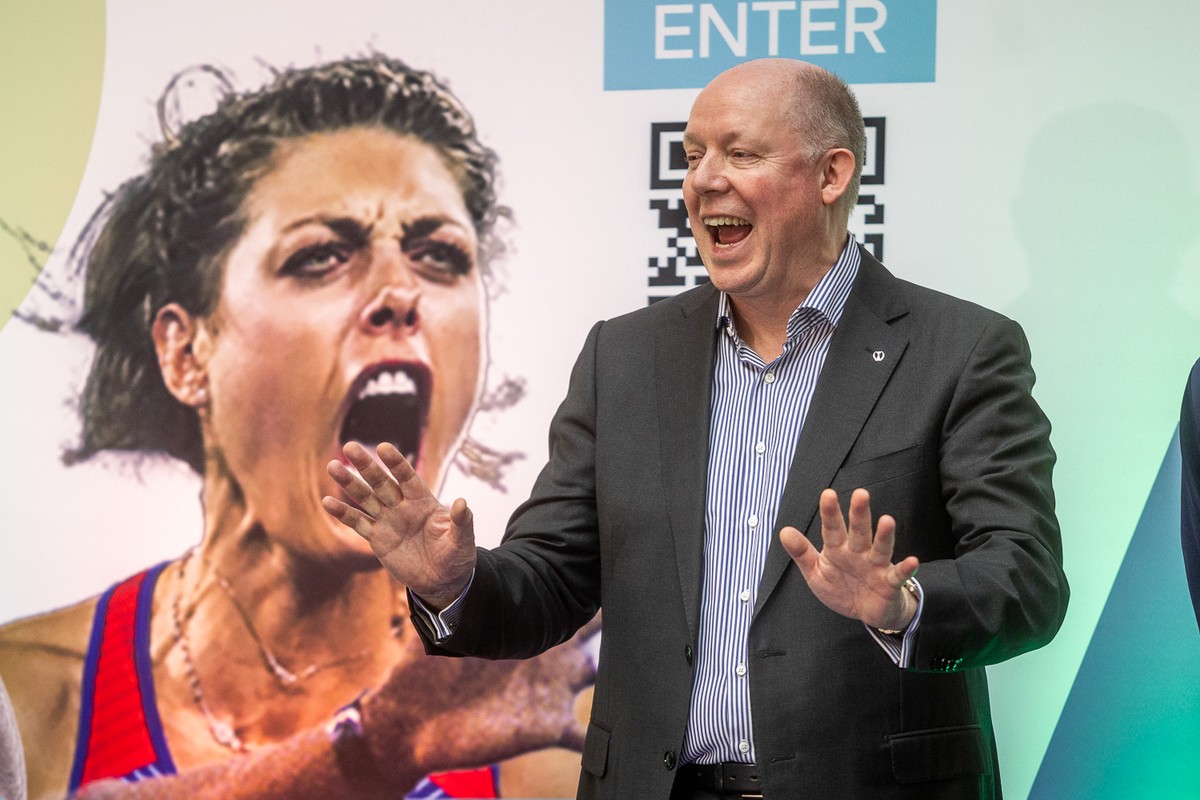
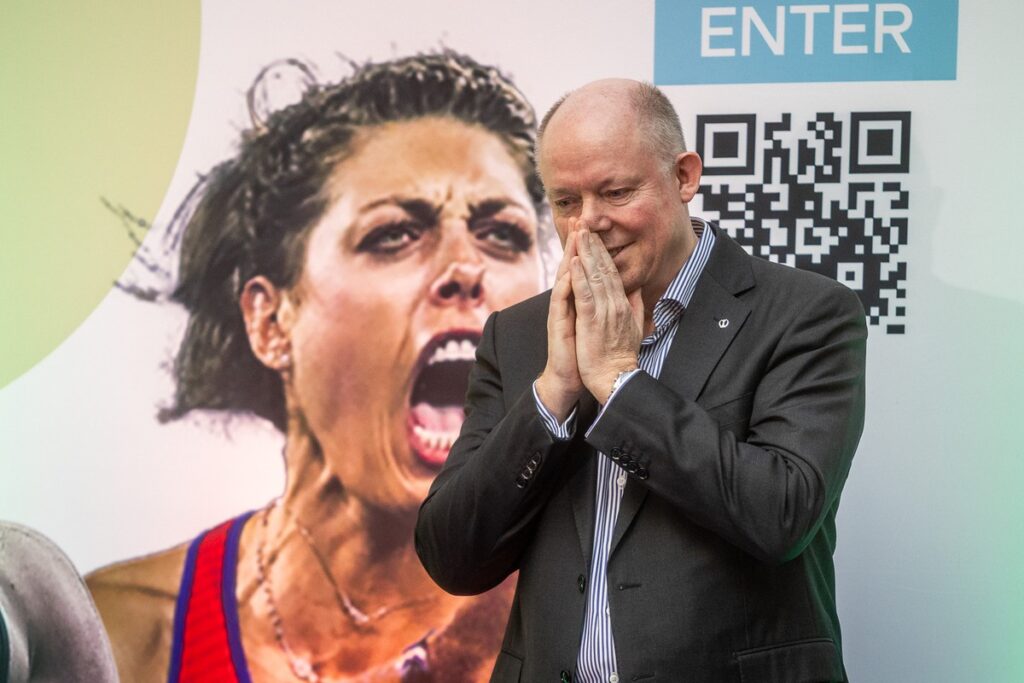
Chris Turner, fot. Szymon Zdziebło/tarantoga dla UMWKP
World Athletics had started a virtual hall of fame in 2012, but this had become mired in controversy surrounding ethics especially doping and was suspended in 2015. Aside that initiative there was no programme, not even an official award which celebrated athletics’ rich history, and the exploits of the heroes and heroines of the track and field which had enthralled broadcast audiences and stadium spectators for a century.
It comes as shock to many that World Athletics held its history in such low regard at the time that it hadn’t even kept a set of medals for each edition of the World Athletics Championships, the third biggest sporting event on the planet.
This situation quickly changed with the creation of the department of Heritage which three-months after its birth publicly launched the World Athletics Heritage Collection which today is displayed in the exhibitions and displays of the Museum of World Athletics (MOWA). The collection’s mission with the slogan of ‘Savouring the best, Promoting the present, and Engaging the future’ was to safeguard the competition clothing, shoes, trophies, medals, and equipment which had been used by many generations of athletics legends, and use them as inspirational tools to help tell our history to and better engage with younger fans.
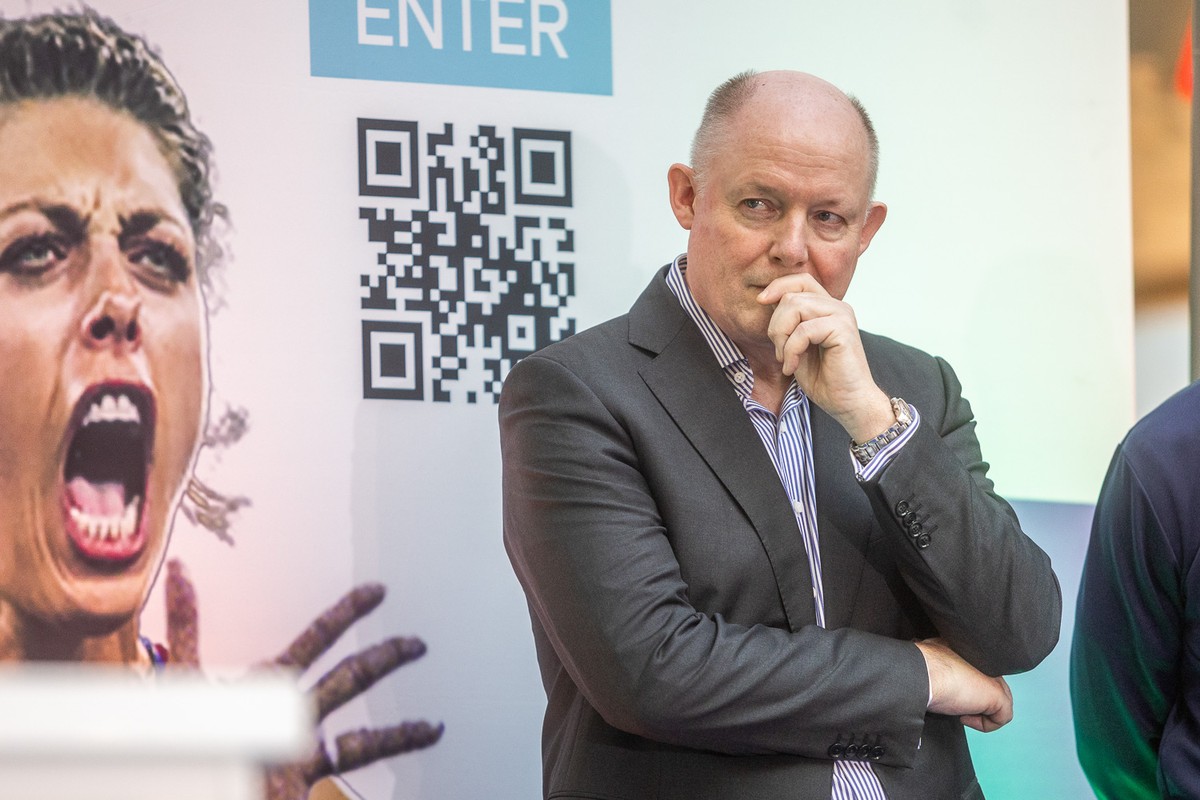
Chris Turner, fot. Szymon Zdziebło/tarantoga dla UMWKP
Alongside this collection, a new award was created by Sebastian Coe. The World Athletics Heritage Plaque, which is a location based honour, celebrates the best of our sports heritage around the world, whether that be the inspirational career of an athlete, coach, or official, the success and longevity of a major competition or of an athletics location such as a stadium or course, or even aspects of athletics culture such as pieces of artwork, books and magazines.
Today there are now more than 100 heritage plaques on prominent public display across all six continental areas of World Athletics, reminding and reinforcing the exciting history and legacy of athletics to sports fans and media.
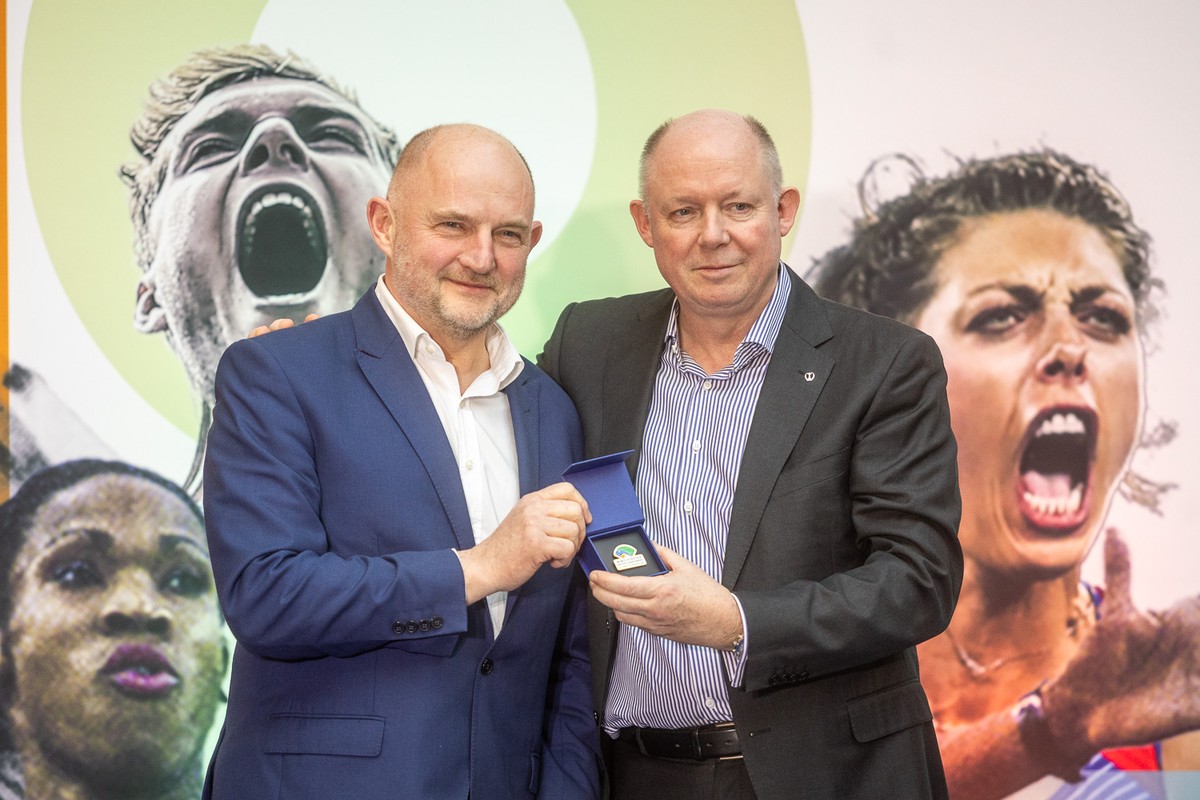
Chris Turner i marszałek Piotr Całbecki na wystawie MOWA w Toruniu, fot Szymon Zdziebło/tarantoga dla UMWKP
What is the most valuable aspect of MOWA – the objects, documents, video archives, or perhaps something entirely different?
The Museum of World Athletics (MOWA) is itself the most valuable aspect. MOWA, which is the flagship project of the Heritage department, was born out of covid, born out of the necessity to be able to publicly display the World Athletics Heritage Collection during the worldwide pandemic.
The global covid lockdowns and the virtual cessation of all international travel in 2020 ended the annual schedule of public exhibitions of the World Athletics Heritage Collection at major global events such as the World Athletics Championships and Olympic Games.
The virtual MOWA platform, the world’s first 3D digital museum which was launched in March 2021, again allowed the collection to be displayed around the world, this time in glorious 360 degrees across five interactive online galleries, all of which are free to enter.
Immediately with the 3D museum’s creation, the world’s most universal sport was able to project its enthralling history to audiences across the globe with the help of the one of the most modern of technologies. Suddenly athletics history had entered the metaverse!
It is the mixture of historic objects, documents, photographs and video, with descriptive texts in English, French and Spanish which brings 3D MOWA to life. Each augments the other and are equally important in telling athletics’ story to the world.
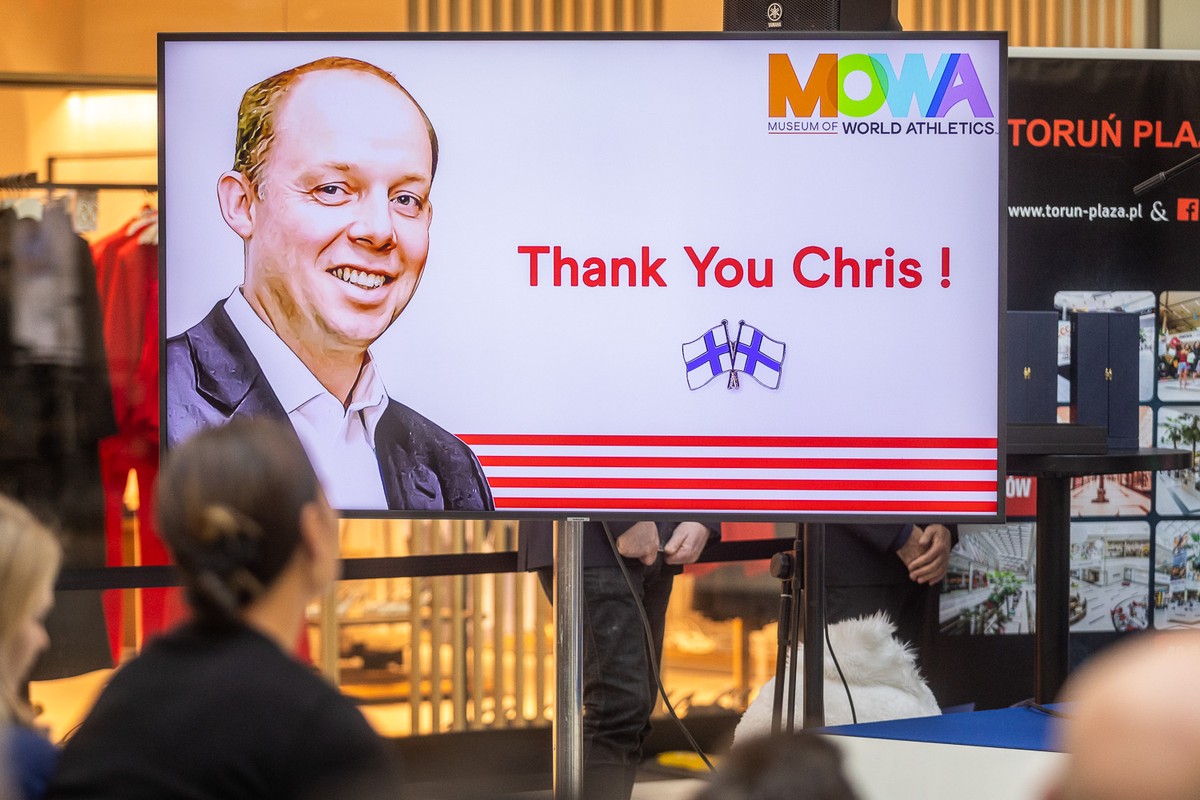
Tablica z podziękowaniem dla Chrisa Turnera na wystawie MOWA w Toruniu, fot, Szymon Zdziebo/tarantoga dla UMWKP
How do you see the future of this project?
While the MOWA returned in 2022 to also physically exhibiting its collection around the world, with public events in the UK, Austria, Japan, USA and now in Poland in the last twelve months alone, the ultimate future of this jewel of the World Athletics Heritage Programme is a permanent physical museum.
The most likely location for the MOWA is for now the Principality of Monaco where the federation is headquartered and whose head of state, HSH Prince Albert II, is the Honorary President of the International Athletics Foundation.
Yet given the rapid growth of the collection and the high historic value of the artefacts now in its possession, any major city with a track & field athletics or running pedigree would be a worthy candidate as host.
After all, which city would not want to host items from the careers of athletics heroes such as Jesse Owens or Usain Bolt, Irena Szewinska or Cathy Freeman, Sergey Bubka or Mondo Duplantis, Fanny Blankers-Koen or Shelly Ann Fraser Pryce etc…just a few of the hundreds of athletics legends who are represented in the collection of the Museum of World Athletics.
22 March 2026