
Honours for the centenarian residents of Kujawsko-Pomorskie
Their youth was marked by war, which interrupted their education and forced them into exhausting labour. They experienced forced labour, the loss of loved ones and the hardships of daily life, only to rebuild their lives after the war—starting families, working, engaging in community life and passing on values to future generations.
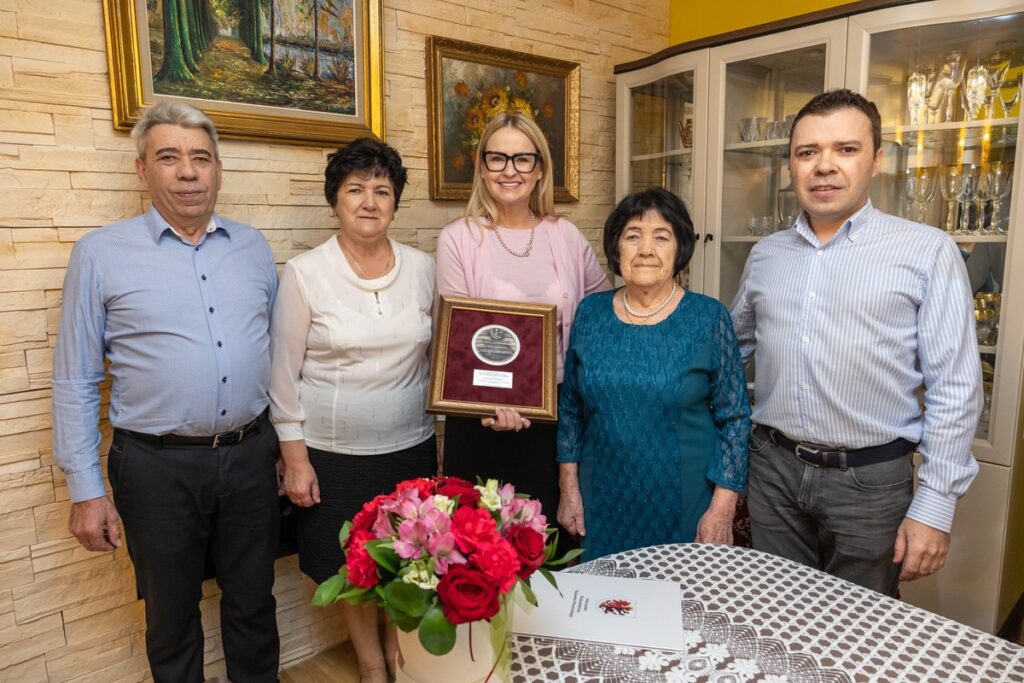
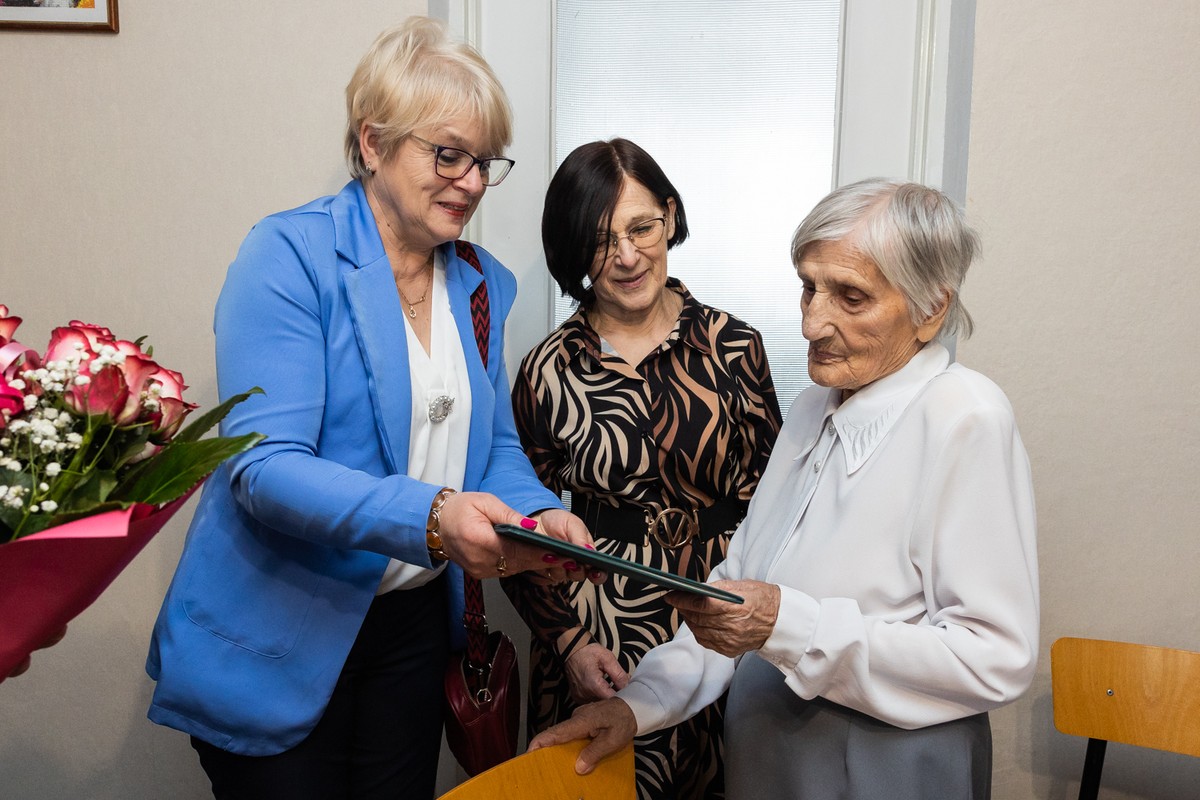
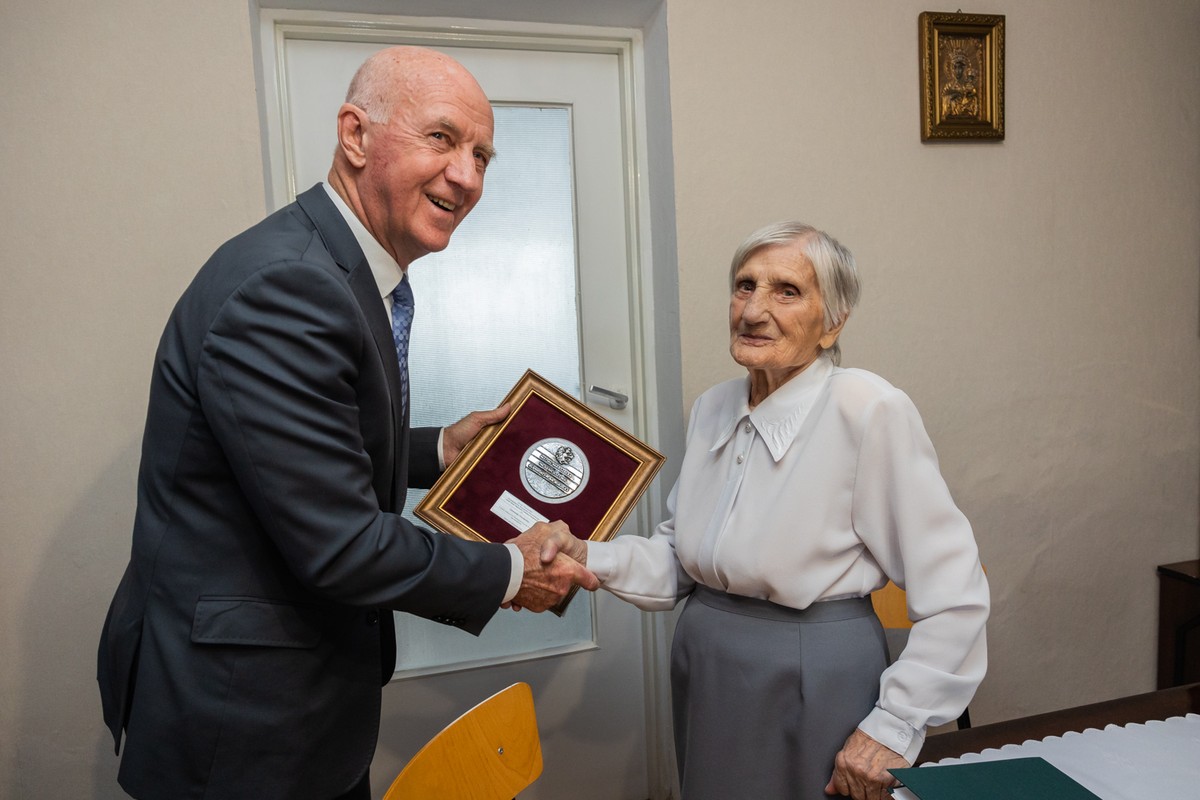
The Marshal’s Unitas Durat Palatinatus Cuiaviano-Pomeraniensis Medals were presented to centenarian residents of the region—Genowefa Drozdecka, Gertruda Wróblewska, Marianna Piotrowska, Wiera Pacanowska and Irena Brall—by Deputy Marshal Aneta Jędrzejewska, member of the regional board Marek Wojtkowski, and regional councillors Robert Malinowski and Jacek Gajewski.
“May the kindness and sensitivity that the jubilarians have shared with others throughout their lives return to them today in the form of care, warmth and gratitude from their loved ones. May each day bring peace, a sense of security and human kindness,” wishes Marshal Piotr Całbecki to the honoured seniors.
Genowefa Drozdecka, born on 14 January 1926 in Trzciana (Wąbrzeźno County), grew up in a large farming family. Her youth fell during World War II—she was forced into labour on a German estate and later sent with her family to a labour camp in Potulice, where she sewed sheepskin coats for the German army. After the war she returned home, started a family and ran a farm for many years. After her husband’s premature death she raised her children and managed the household on her own. Throughout her life she has been extremely hardworking and socially active—engaged in the local rural women’s association, sang in a choir and pursued handicrafts. She still takes a keen interest in family matters and current events.
Gertruda Wróblewska, born on 30 January 1926 in Recklinghausen (North Rhine-Westphalia), grew up in a Polish family living in Germany. During World War II she lost her father, brother and the entire family property. After the war she and her husband Zygmunt decided to return to Poland, settling first in Chełmża and later in Toruń. She devoted herself to raising three children and created a welcoming home for family and friends. She still lives in Toruń surrounded by loved ones and has a large extended family of grandchildren, great-grandchildren and a great-great-granddaughter. She is known for her cheerful spirit and love of cooking, sewing and reading.
Marianna Piotrowska, born on 27 January 1926 in Helenowo (now Spoczynek, Aleksandrów County), has spent her entire life in Kujawa. At the age of fourteen she was deported for forced labour to Kołobrzeg, where she worked in a factory. After the war she returned to her hometown and, together with her husband, ran a farm while raising three children. For many years she was actively involved in village community life, serving as chair of the rural women’s association. She remains independent, active and cheerful—preparing her own meals, reading history books and enjoying time with her family.
Wiera Pacanowska (née Koleśniczenko) was born on 23 January 1926 in Cherkasy, in present-day Ukraine. At the age of three she lost her parents and some of her siblings; her older brother took care of her, and she began working at a very young age. During World War II, at sixteen, she was deported for forced labour to Germany, where she worked on a farm near Munich and met her future husband, Marian Pacanowski. After the war the couple settled in Włocławek, raised five children, and Mrs Pacanowska devoted her life to her family and household. She has numerous grandchildren, great-grandchildren and great-great-grandchildren. She currently lives in Włocławek under the care of her great-granddaughter, remains active and benefits from the support of local institutions.
Irena Brall, born on 8 November 1925 in Zła Wieś (Bydgoszcz County), comes from a farming family. During World War II she was sent to forced labour on a German farm. After the war she started a family and for many years managed the household and raised nine children while also helping on the farm. A particularly difficult moment in her life was the fire that destroyed the family home in 1973, after which the family began a new chapter in Fordon. She is known for her kindness, warmth and strong attachment to her family. She has many grandchildren and great-grandchildren who continue to surround her with loving care.
Since 2018, the Kujawsko-Pomorskie regional self-government has honoured centenarian residents of the region with the Unitas Durat Palatinatus Cuiaviano-Pomeraniensis medal. Families of regional residents who will soon celebrate their 100th birthday or have already done so are invited to contact the Marshal’s Office at +48 56 62 18 344 or via email: stulatkowie@kujawsko-pomorskie.pl.
Press Office of the Marshal’s Office
5 February 2026
-
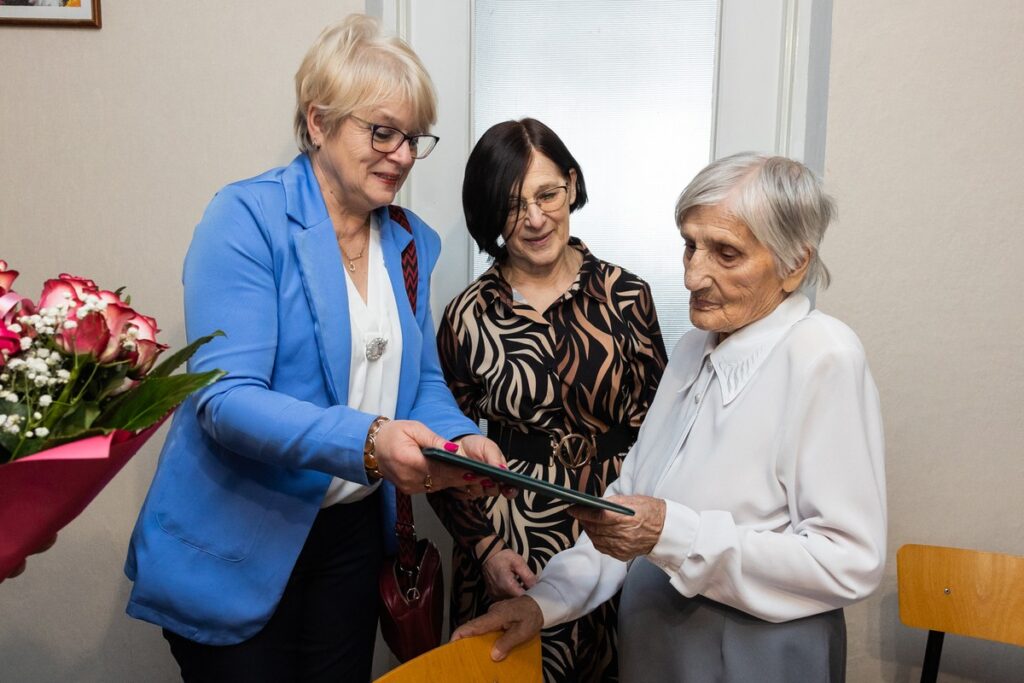
- Wręczenie medalu Unitas Durat Genowefie Drozdeckiej, fot. Mikołaj Kuras dla UMWKP
-
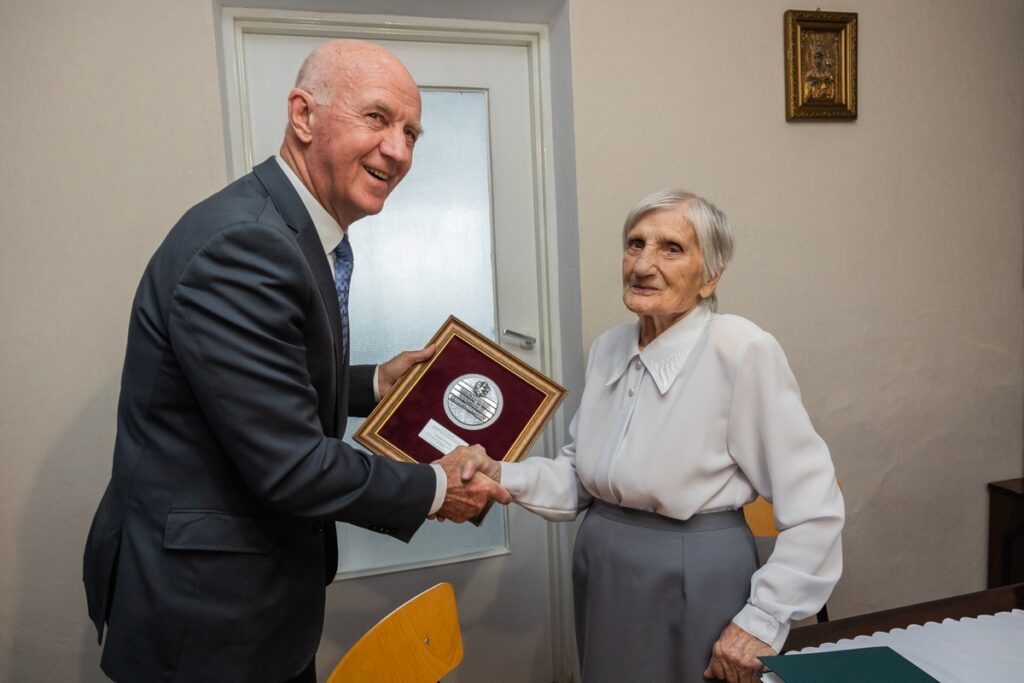
- Wręczenie medalu Unitas Durat Genowefie Drozdeckiej, fot. Mikołaj Kuras dla UMWKP
-
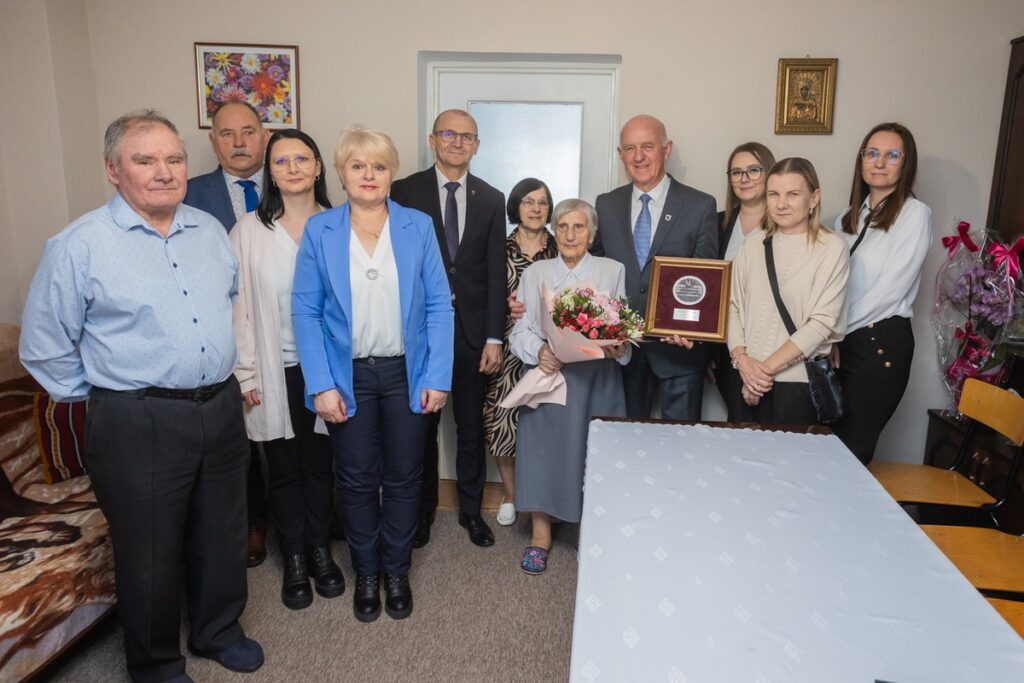
- Wręczenie medalu Unitas Durat Genowefie Drozdeckiej, fot. Mikołaj Kuras dla UMWKP
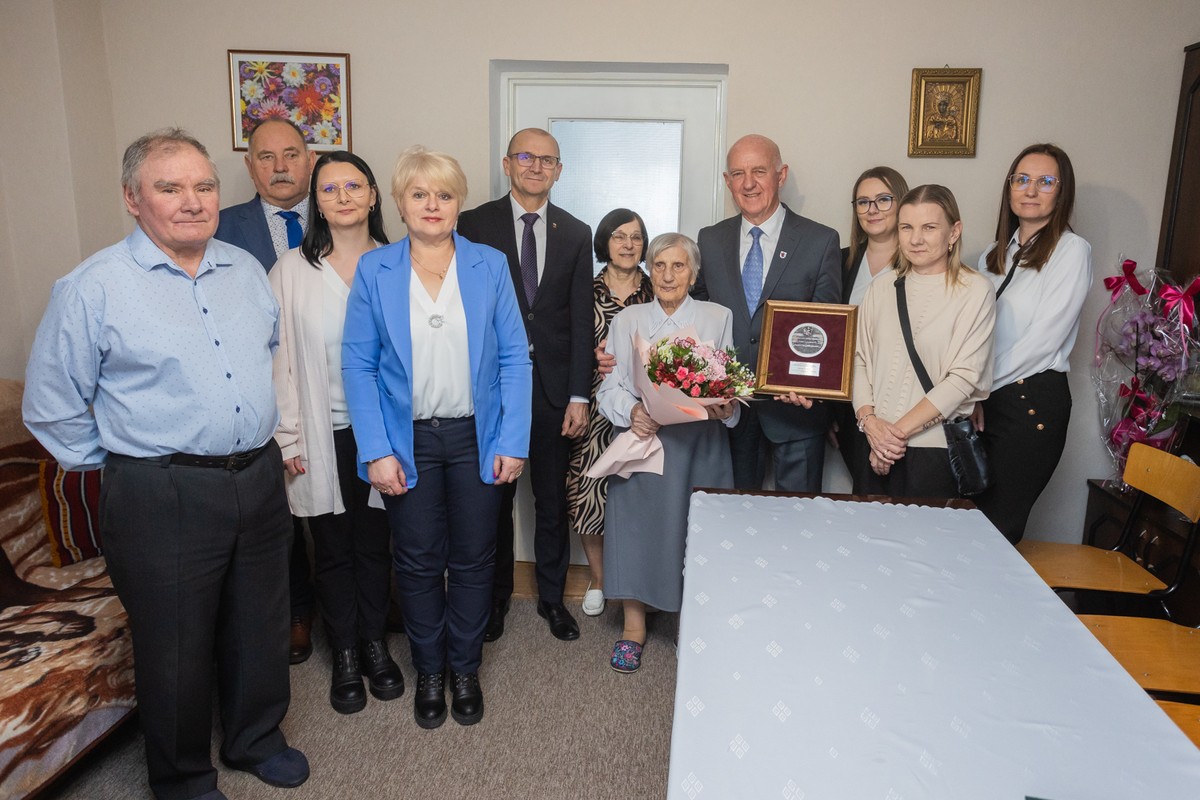
-
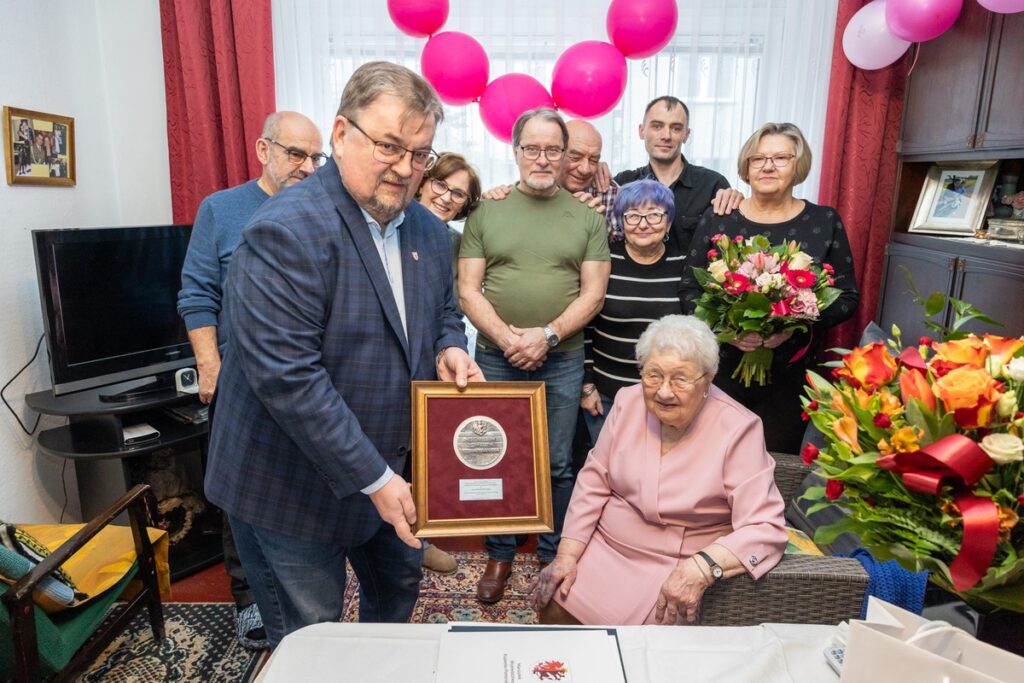
- Wręczenie medalu Unitas Durat Gertrudzie Wróblewskiej, fot. Mikołaj Kuras dla UMWKP
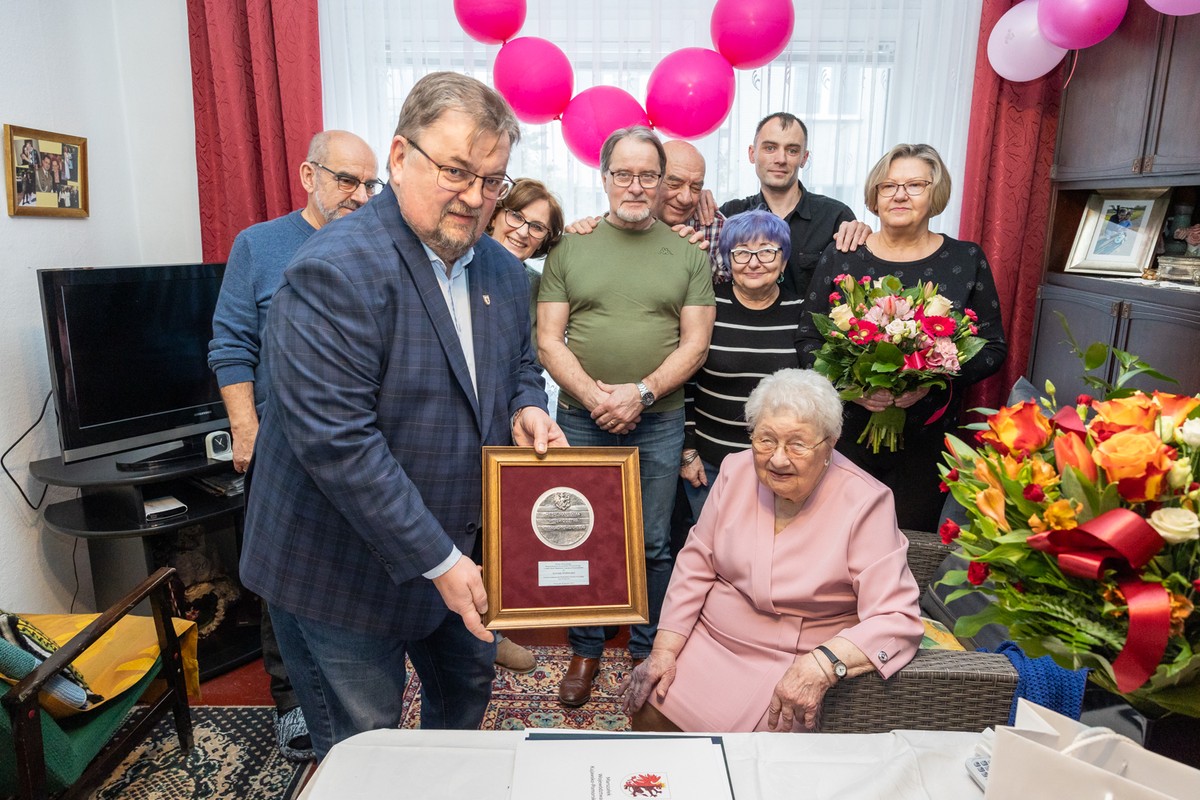
-
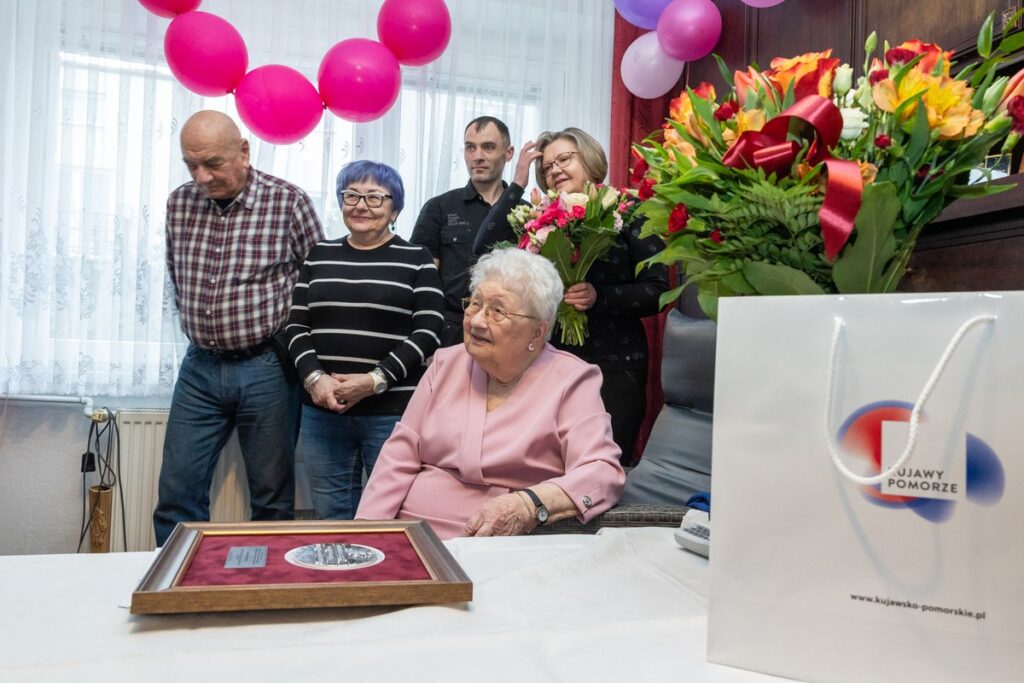
- Wręczenie medalu Unitas Durat Gertrudzie Wróblewskiej, fot. Mikołaj Kuras dla UMWKP
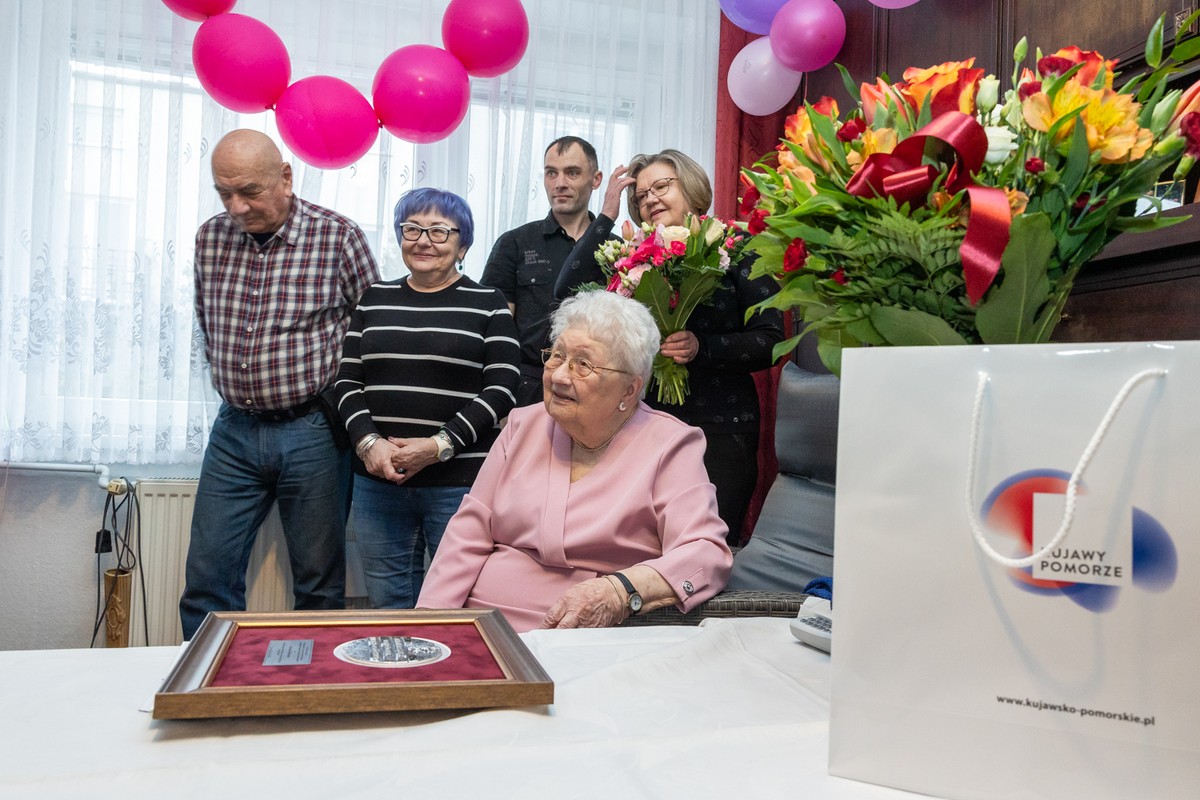
-
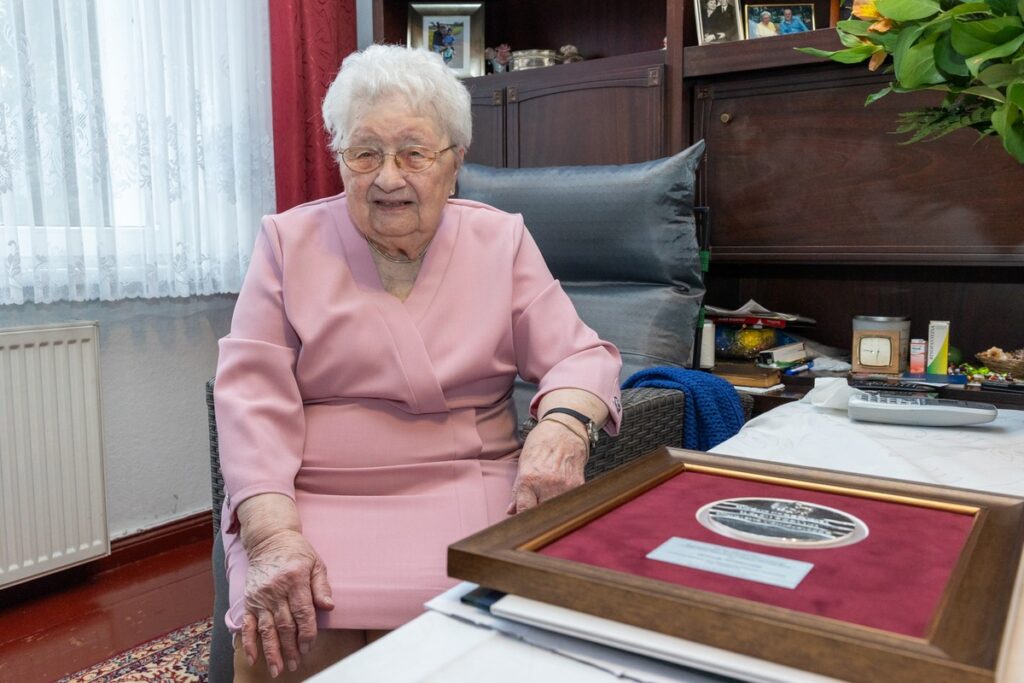
- Wręczenie medalu Unitas Durat Gertrudzie Wróblewskiej, fot. Mikołaj Kuras dla UMWKP
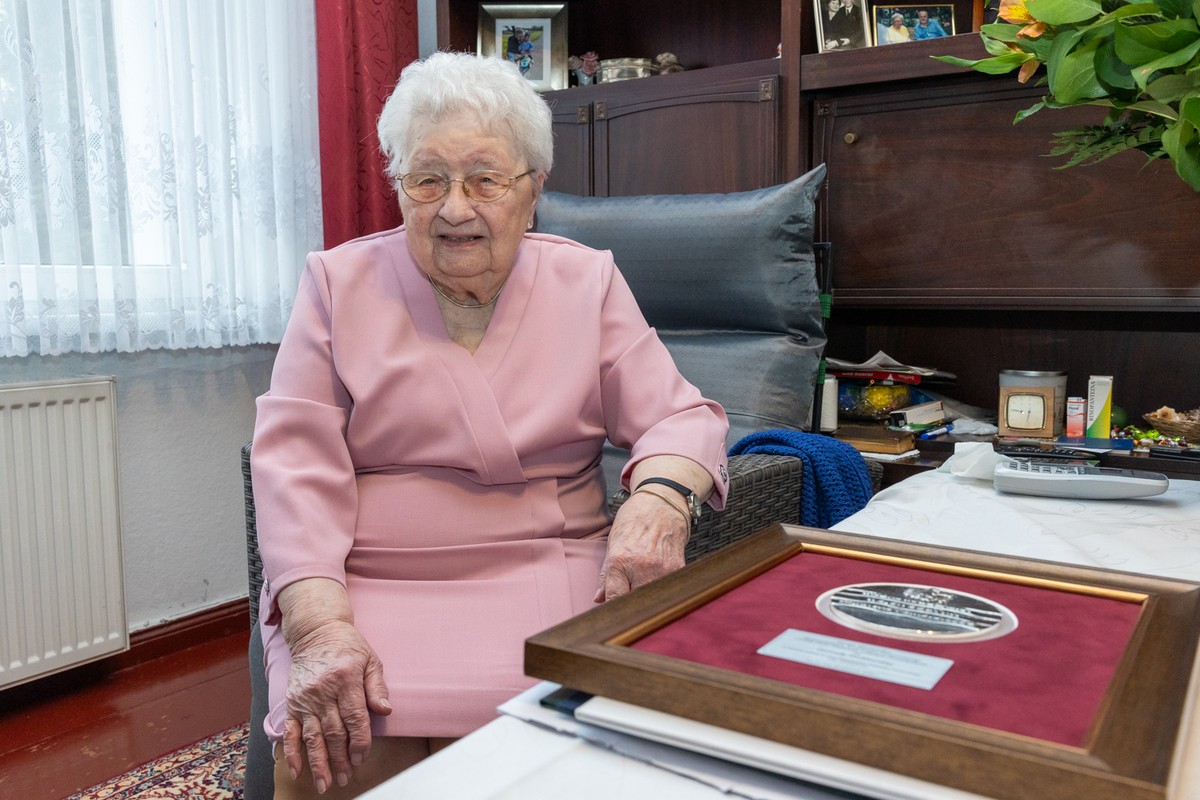
-
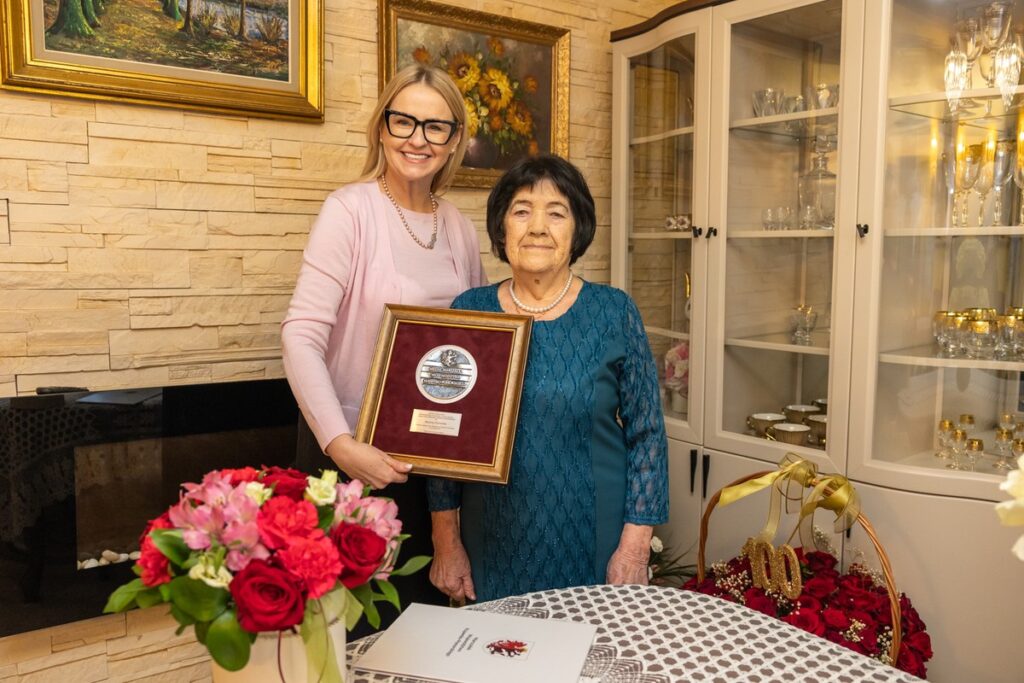
- Wręczenie medalu Unitas Durat Mariannie Piotrowskiej, fot. Mikołaj Kuras dla UMWKP
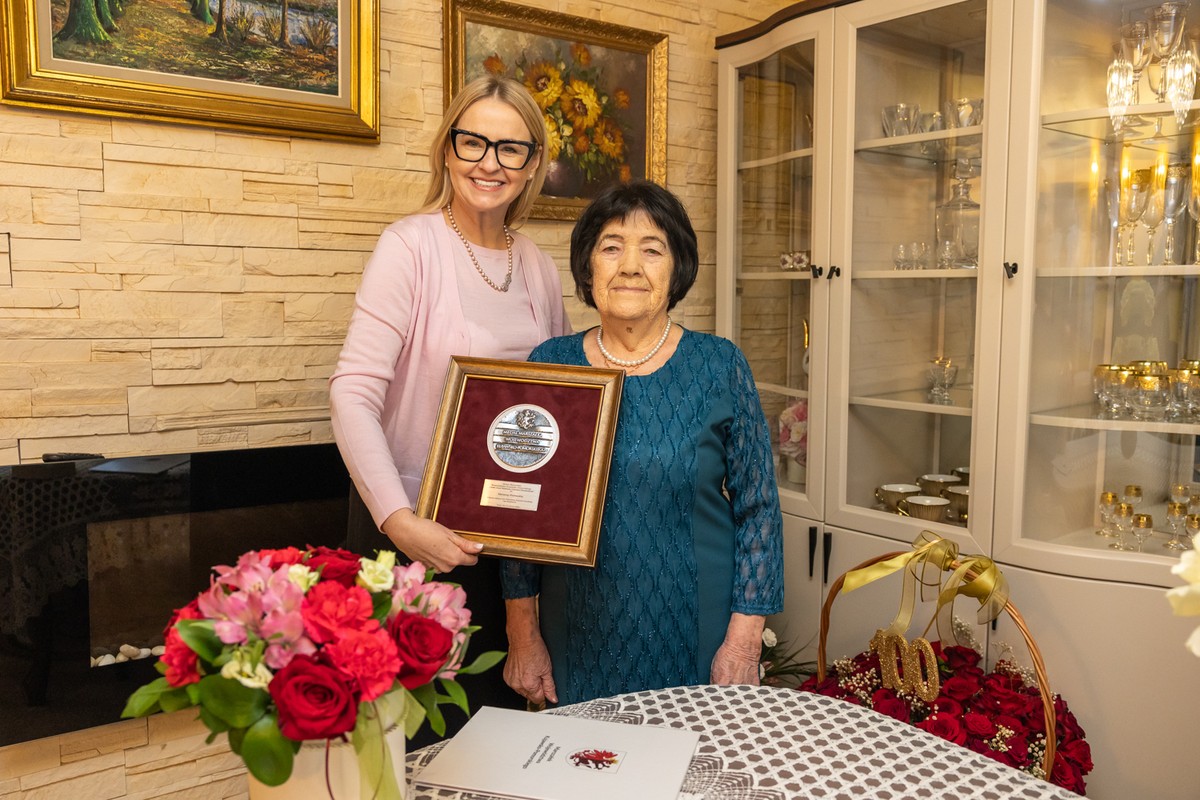
-
- Wręczenie medalu Unitas Durat Mariannie Piotrowskiej, fot. Mikołaj Kuras dla UMWKP
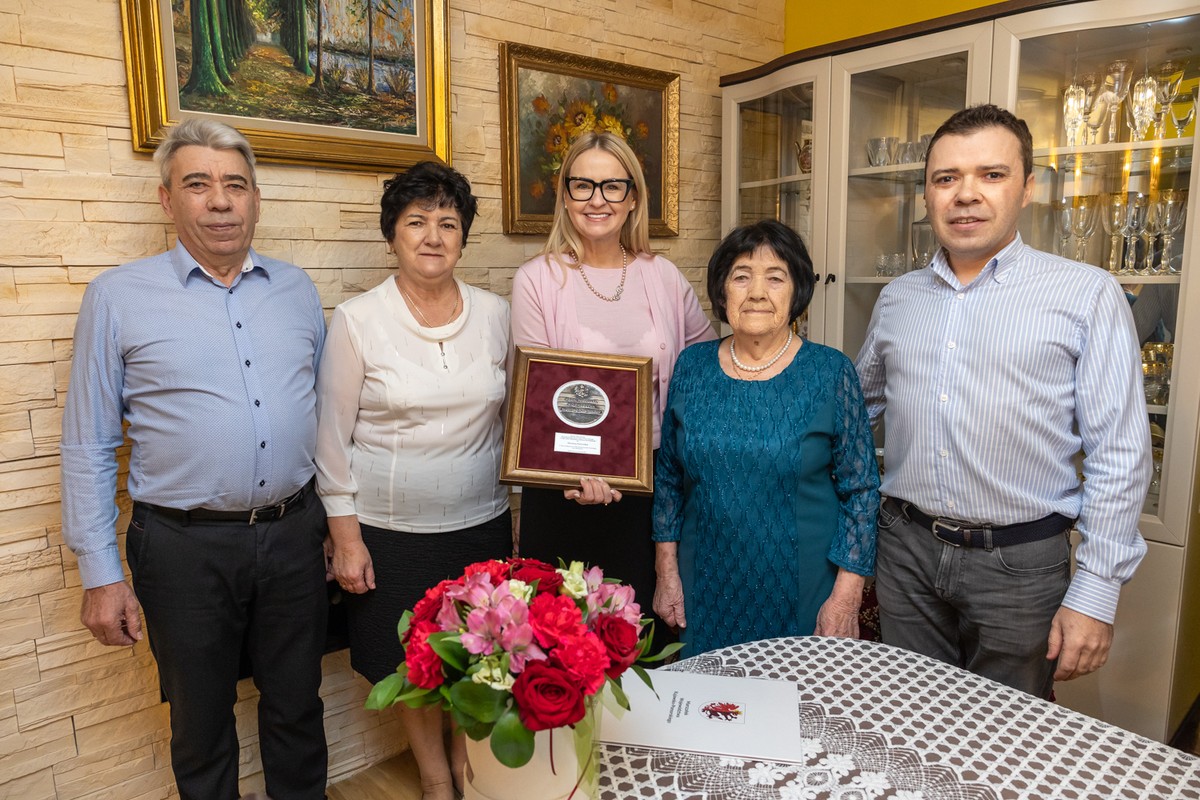
-
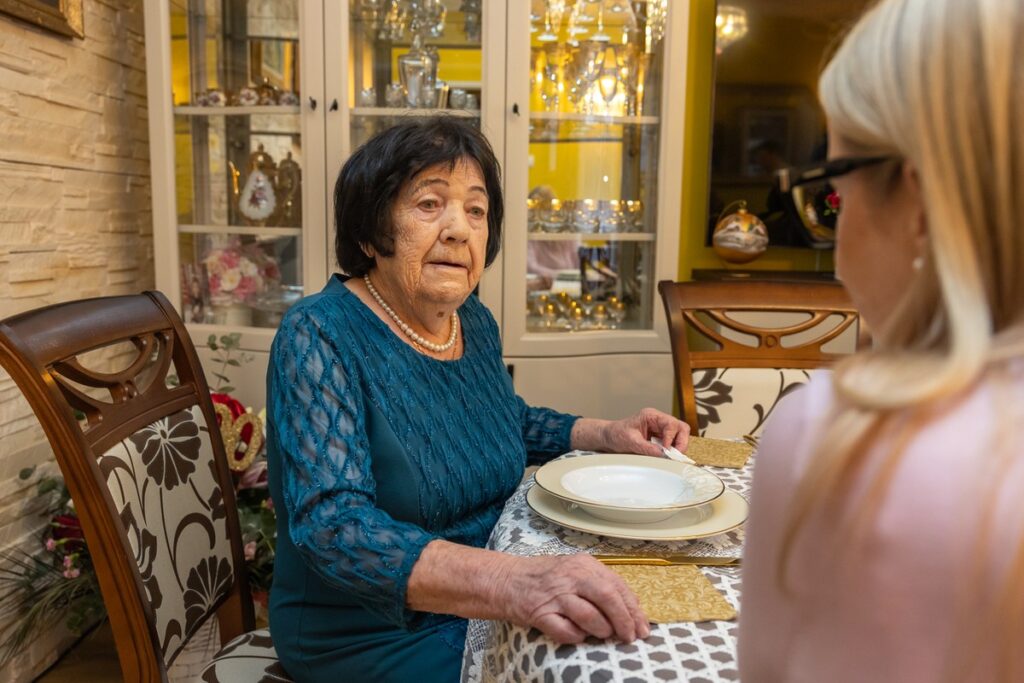
- Wręczenie medalu Unitas Durat Mariannie Piotrowskiej, fot. Mikołaj Kuras dla UMWKP
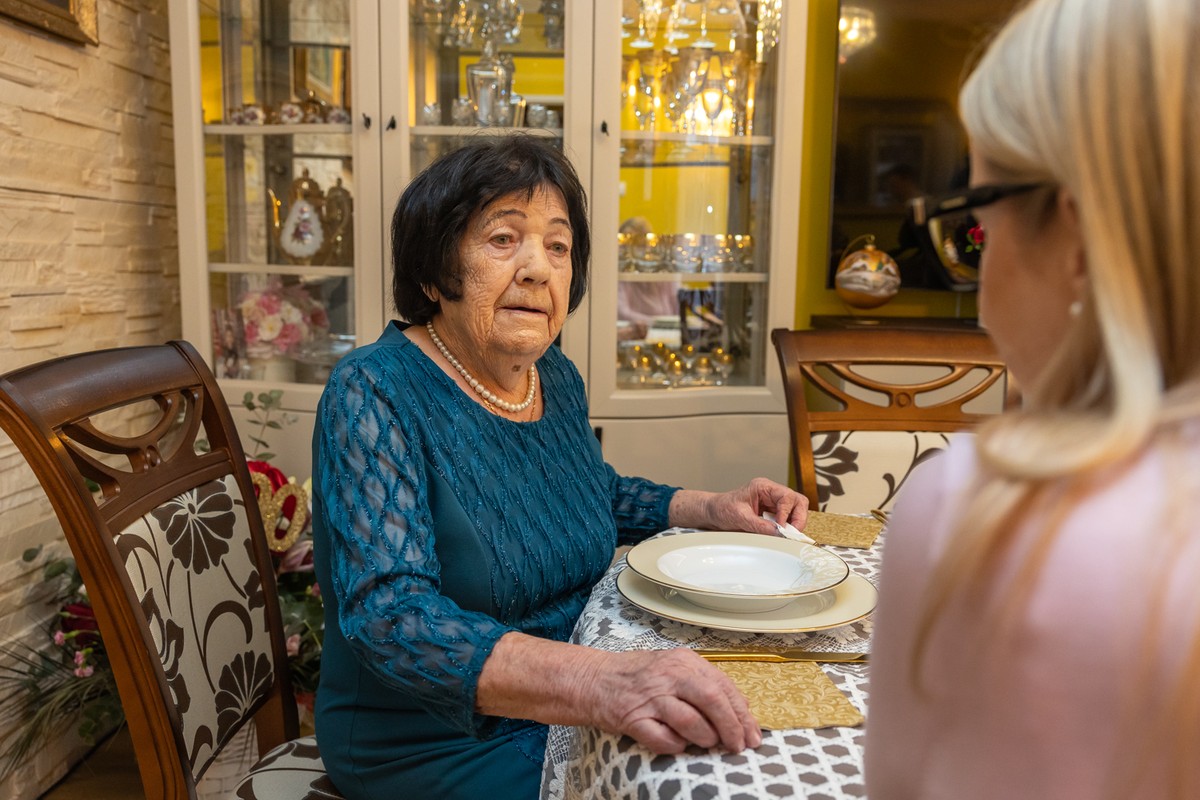
-
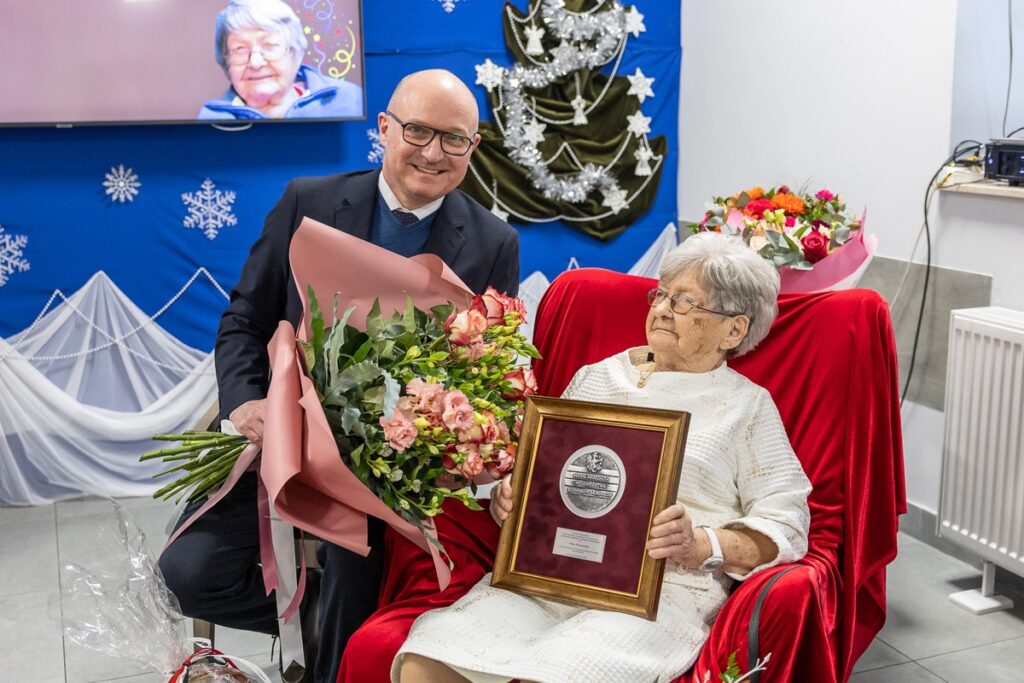
- Wręczenie medalu Unitas Durat Wierze Pacanowskiej, fot. Szymon Zdziebło/tarantoga.pl dla UMWKP
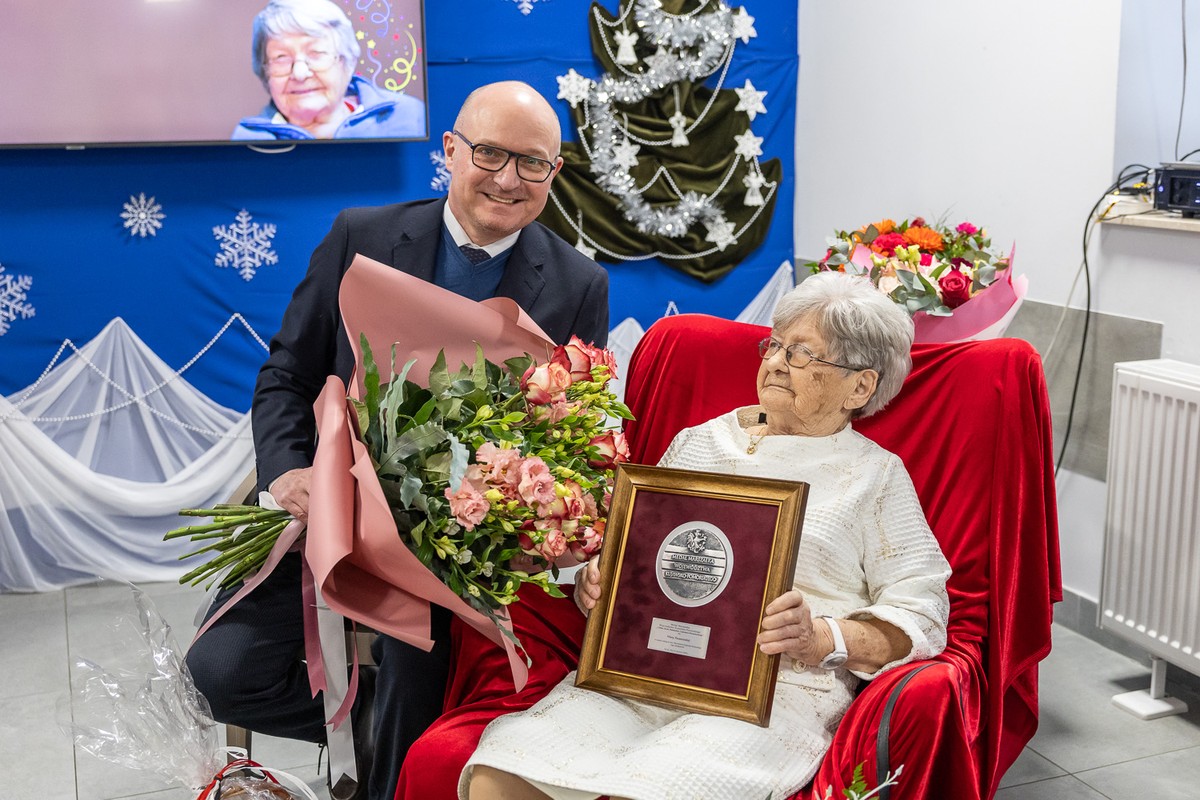
-
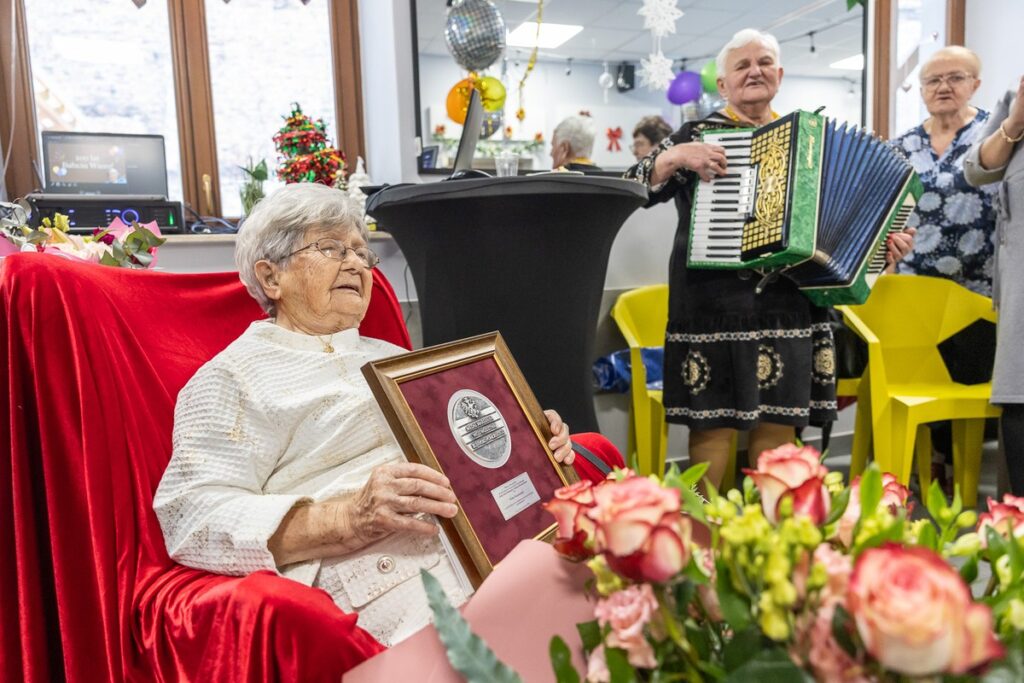
- Wręczenie medalu Unitas Durat Wierze Pacanowskiej, fot. Szymon Zdziebło/tarantoga.pl dla UMWKP
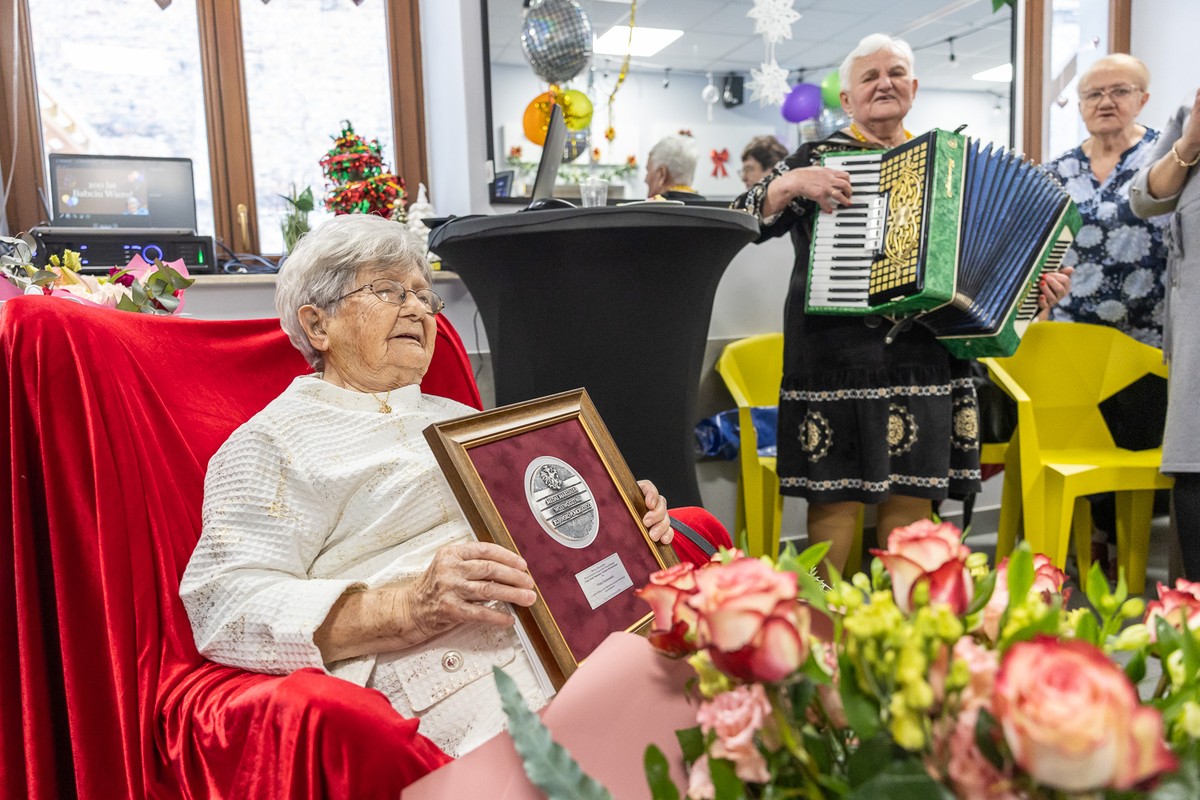
-
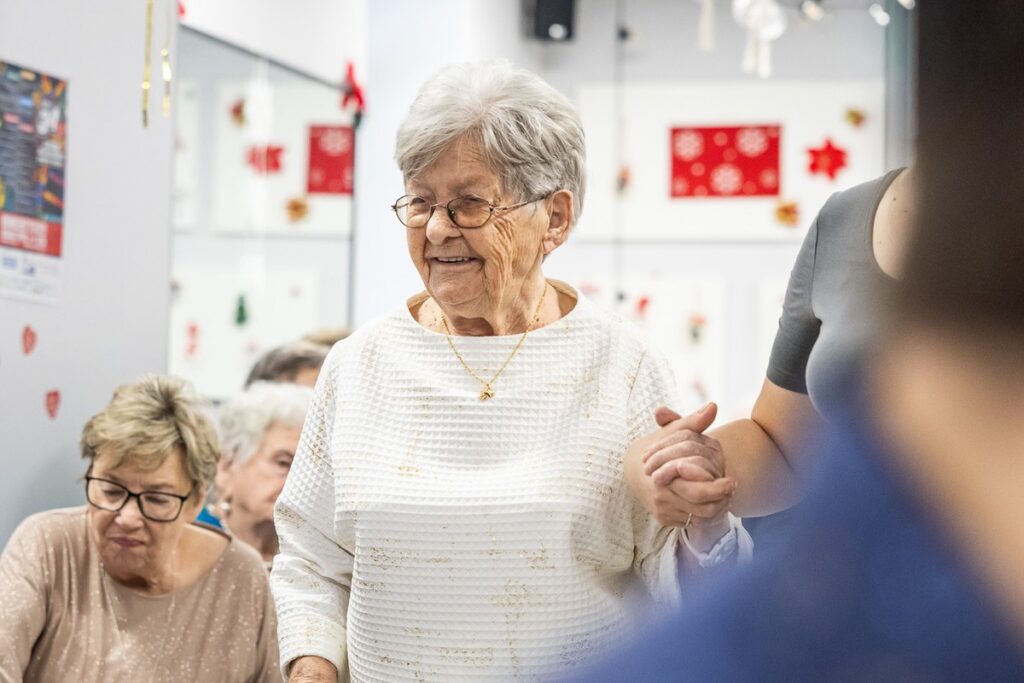
- Wręczenie medalu Unitas Durat Wierze Pacanowskiej, fot. Szymon Zdziebło/tarantoga.pl dla UMWKP