

Passengers are important to me
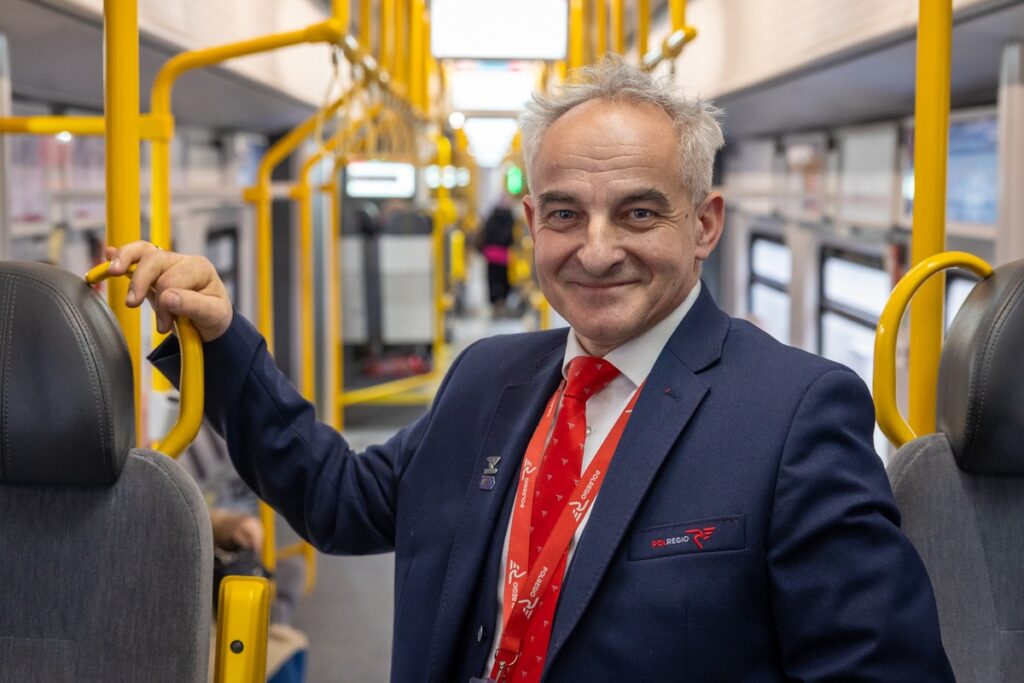
Interview with Piotr Sztopel, a conductor and train manager at POLREGIO
The inaugural train journey from Toruń to Ciechocinek, on which you were on duty on December 14, attracted a great deal of interest from passengers.
To be honest, I haven’t experienced such interest in a long time. Of course, there are services when passenger numbers suddenly increase and attendance is higher than usual, but that is usually caused by unforeseen circumstances—bad weather conditions, incidents on the tracks, or when one train has to be cancelled and passengers transfer to another. What happened on December 14 will go down in history and will remain in the memories of railway enthusiasts, passengers, railway workers themselves, and above all the organizers thanks to whom trains returned to the railway line connecting Aleksandrów Kujawski with Ciechocinek. I will remember it for a long time as well.
What will you remember most? The number of passengers?
Yes! I was aware that there would be considerable interest that day, if only from railway enthusiasts who would want to capture this journey. But the scale of popularity of this service exceeded my wildest expectations. I won’t hide that I felt strong emotions and was deeply moved by the memories shared by older residents who remember when steam locomotives still ran to Ciechocinek. Did I prepare in any special way for that day? No, because I approach every duty with great humility and caution, thinking not only about the safety of myself and the driver, but above all about the safety of our passengers.
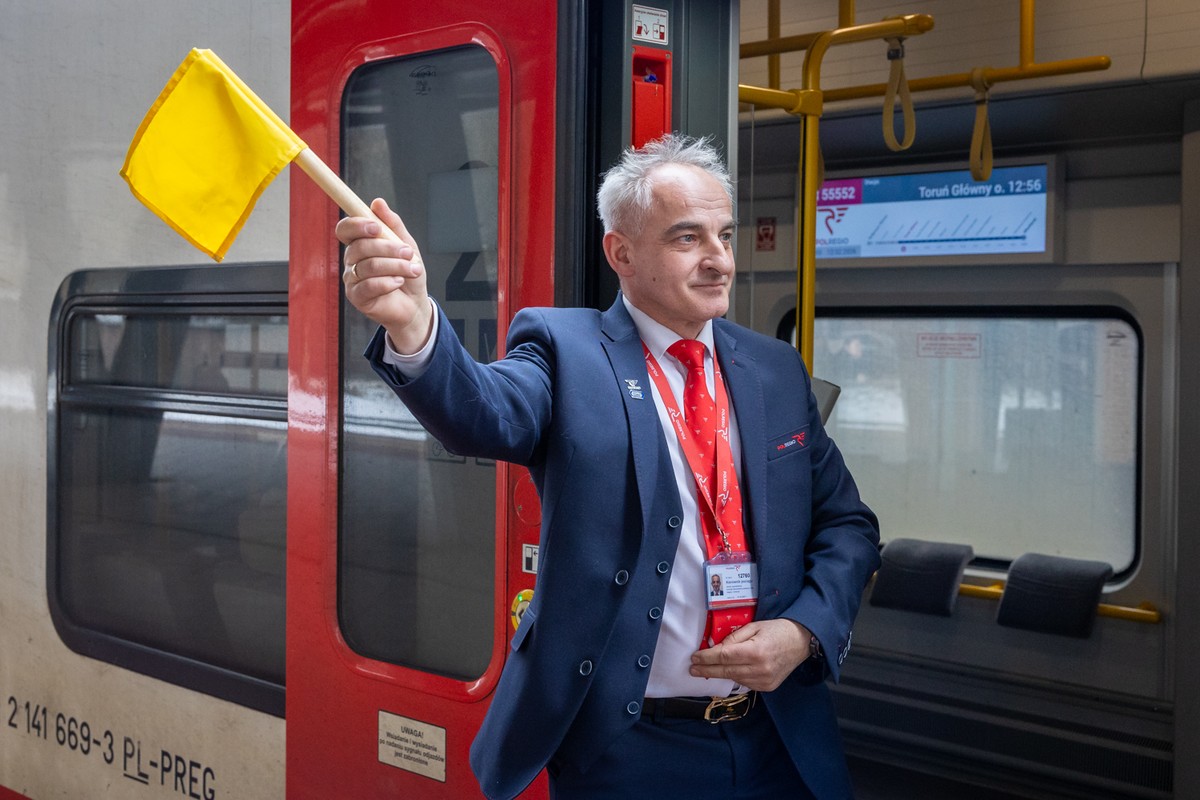
Piotr Sztopel, photo by Mikołaj Kuras for UMWKP
How do you prepare for duty?
Being a train manager primarily means taking great responsibility for the safety of passengers. I don’t want to be seen as someone who only checks tickets, so during my work I help passengers, solve problems, and ensure the comfort of people with disabilities. A train manager is the host of the journey and should present themselves to passengers in the best possible way.
What qualities should a good conductor have?
First and foremost, they must be a professional. A good conductor is empathetic, communicative, and has a high level of personal culture. They know how to build good relationships with passengers—above all through a smile. We pay special attention to passengers who have not used public transport for a long time. Assertiveness is also an important quality, because sometimes we have to firmly say “no.” Nevertheless, all passengers are very important to us. During my duty I do everything I can to deserve the nickname “a good conductor,” but I leave that judgment to the passengers and my superiors.
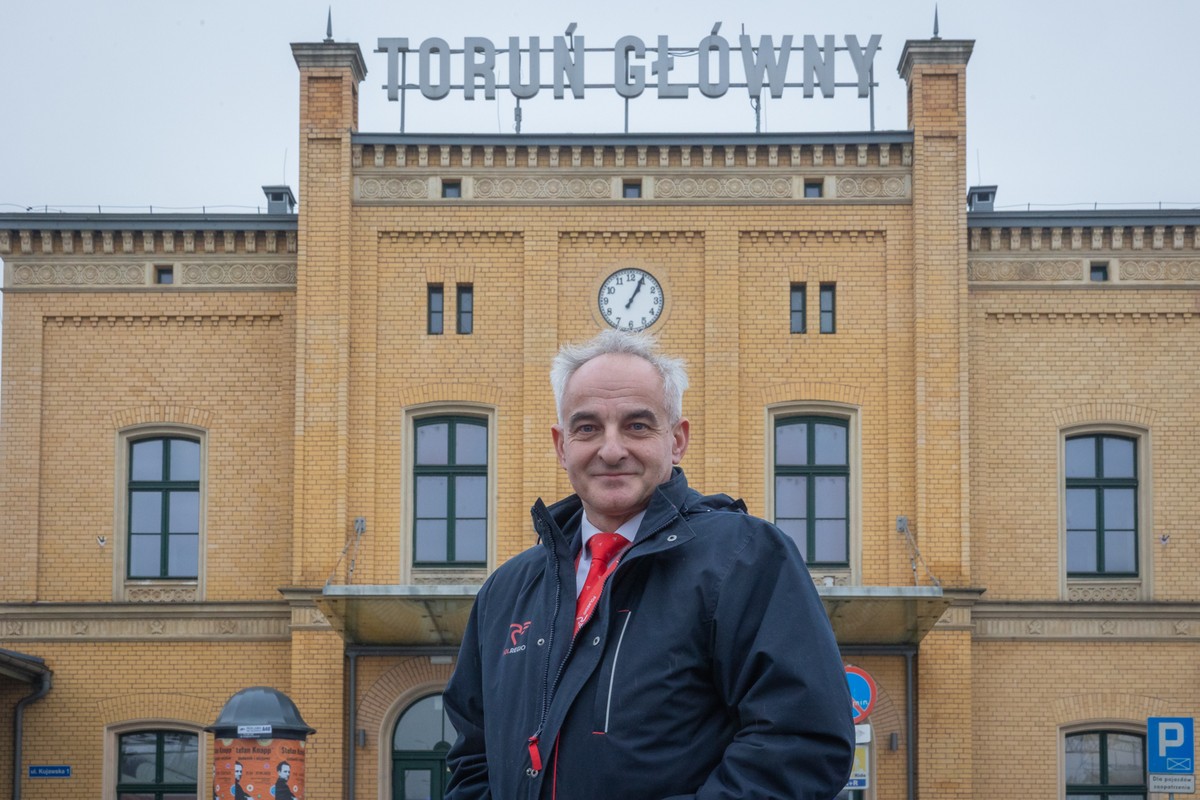
Piotr Sztopel, photo by Mikołaj Kuras for UMWKP
Have there been difficult, funny, or awkward situations during your career?
Incidents involving people are always the most difficult and unpleasant. In such cases I have to leave the train, assess the situation, and inform the emergency services about what is happening at the scene. The pleasant moments are simple gestures—greetings, people waving from the platform, or kind words from passengers that motivate me to come to work the next day with a smile. The awkward situations usually involve items left behind by travelers: pieces of clothing, umbrellas, smartphones, laptops, and even a birthday cake. But the most absent-minded passenger was the one who left a bicycle behind! Fortunately, in most cases these stories end well, because the owners report to the lost and found office to retrieve their belongings.
How did your career in the railway industry begin?
I began my career in 1988 by studying at a railway school in Włocławek. After graduating, I worked in the maintenance and automation sector of railway infrastructure. In 1995 I decided to take on the responsible and fascinating role of a conductor and passenger train manager. This passion continues to this day. Looking back, I can say with full conviction that I do not regret that decision.
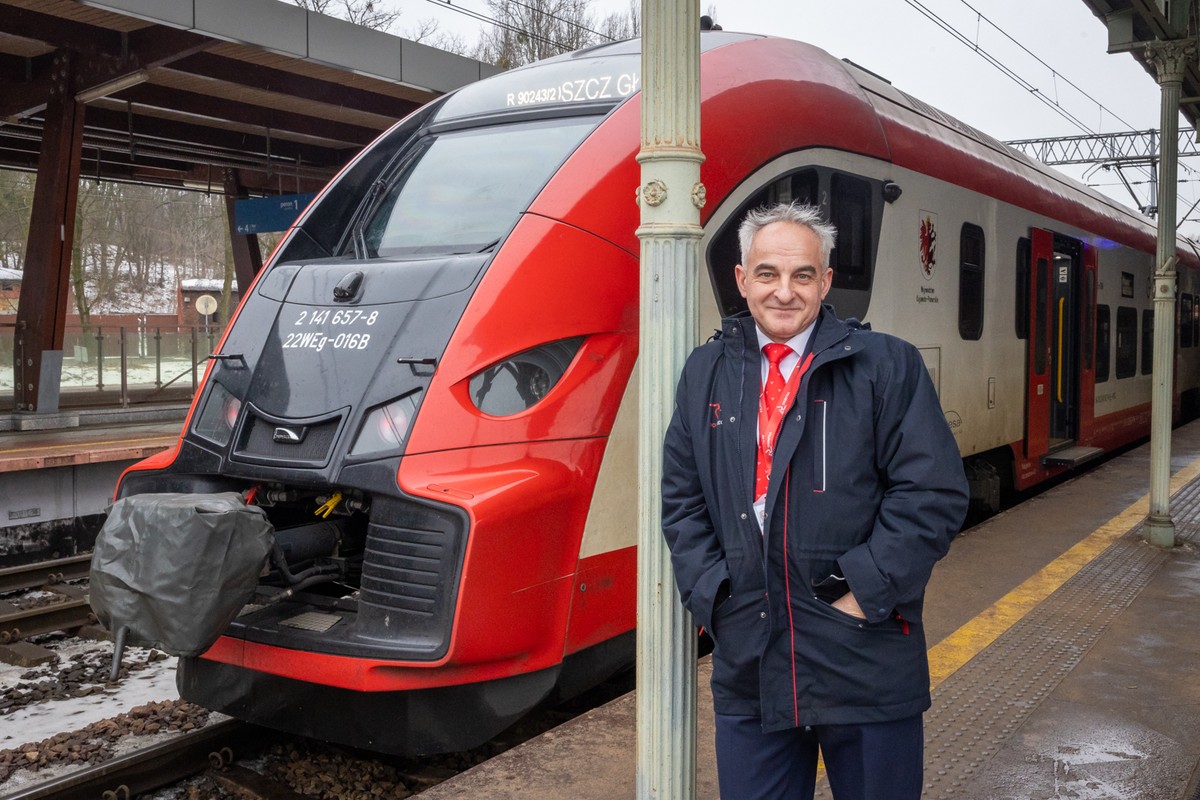
Piotr Sztopel, photo by Mikołaj Kuras for UMWKP
Sailors are wished “fair winds and following seas,” cyclists hear “break a spoke,” but what do railway workers wish each other?
“Green signals all the way.” This is the most important wish exchanged among train drivers, train managers, conductors, and rail trolley drivers. It means hoping that the signals on the semaphores stay green, the track ahead is clear, and the speed remains safe. If a passenger who doesn’t know railway jargon simply wishes us a safe and pleasant shift, that is music to our ears.
9 March 2026