
Nature Photography Teaches Humility
An interview with Piotr Szumigaj* – wildlife photographer and employee of the Wda Landscape Park.
Patience, a trained eye, solid craftsmanship, and luck – which of these qualities is essential to take a good nature photograph?
It’s hard to point to just one quality, because nature photography is a combination of many elements. For me, patience plays the key role—without it, everything else loses its meaning. At the same time, what brings me the greatest joy are the field outings themselves and the moments spent taking photographs. The journey that leads to a photograph is what matters most.
A photographer friend of mine often says that in nature photography it’s about chasing the rabbit, not catching it. It’s the art of patient waiting, getting up before dawn, freezing among the reeds, sitting motionless for hours, and sometimes returning with an empty memory card but a head full of images. What counts is observing the light, tracking signs, learning the rhythm of nature, and also discovering your own physical and mental limits.
Every trip into the field is a promise of experiencing something extraordinary, even if in the end nothing spectacular appears in front of the lens. That “rabbit” is not just the perfect frame, but a state of mind—attentiveness, humility, and the excitement that maybe today it will work out. And when you finally do catch it—the light is perfect, the frame sharp—the satisfaction lasts only a moment. Then the need arises again to go out, to test yourself, to seek another encounter.
Nature photography teaches that the greatest reward is not the photograph itself, but the experience of being part of a world that cannot be controlled.
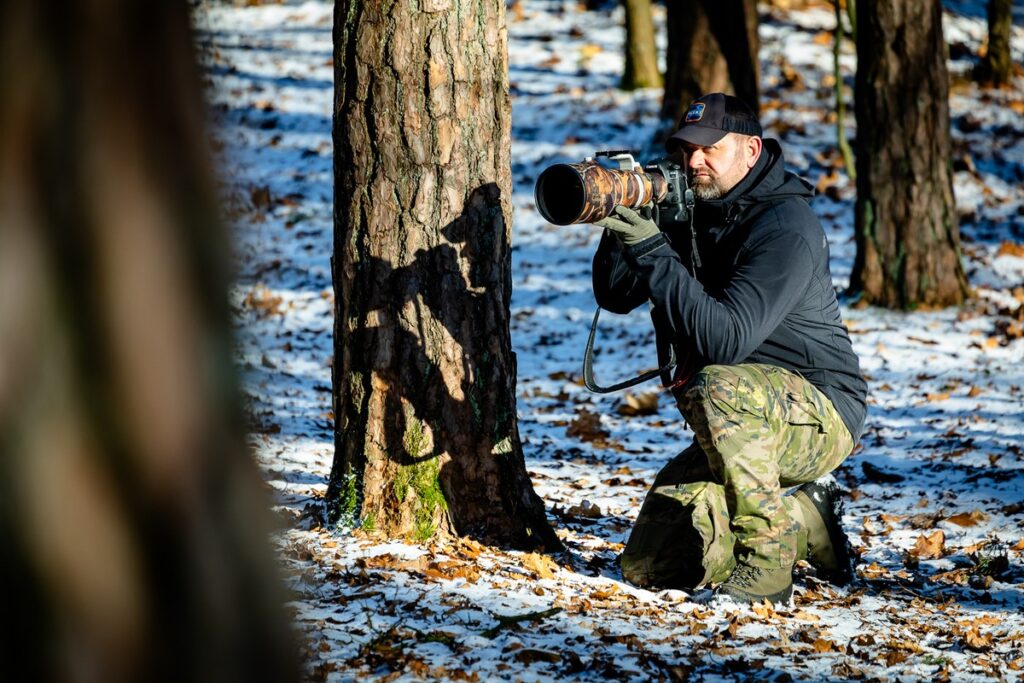
Piotr Szumigaj, photo by Tomasz Czachorowski / eventphoto.com.pl for UMWKP
What does nature photography look like behind the scenes?
Definitely far less romantic than it might seem. It’s not just leisurely walks with a camera, but hours of planning, observation, and often physical discomfort. You have to get up very early, face cold and damp conditions, fatigue, and sometimes plain discouragement. Nature can be unpredictable, and no plan guarantees success. Sometimes the best frames come from situations that are completely unexpected.
You need to be ready—but also accept that not everything will work out. Responsibility is equally important. A nature photographer must know when to step back, when to give up a shot in order not to disturb the natural rhythm of wildlife. There are moments when ethics matter more than photography. Nature is not a stage or a film set; it is a living organism, and we are only its guests.
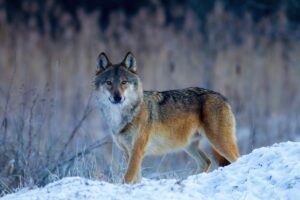
Grey Wolf, photo by Piotr Szumigaj
Which of your photographs is the most special to you?
One of the most exceptional images in my body of work remains a photograph of a wolf from one of my earliest encounters in the field. It was special primarily because the animal appeared unexpectedly close and, for a brief moment, looked straight into the lens. As a result, the photograph clearly captures not only the wolf’s silhouette, proportions, and tense posture, but above all its gaze—intense, alert, and penetrating, carrying both wildness and a profound awareness of its surroundings.
These elements are what give the photograph something beyond mere documentary value. Usually, it looks quite different, as wolves are extremely cautious and difficult to photograph. Most often, they can only be captured from a great distance, as part of a wider environmental frame. In such images, they become a fragment of the landscape—a figure moving along the forest edge, a shadow against a meadow, a small accent within a vast space.
That encounter, however, was different. It was exceptional not only photographically, but above all emotionally. It was a moment of genuine, almost tangible contact with wild nature—a brief instant of mutual observation in which both sides were aware of each other’s presence. Time seemed to slow down for a moment, and all attention focused on that single gaze.
Such experiences are incredibly rare, which is why they stay in your memory for a long time, reminding you why it is worth waiting for hours in the field for that one longed-for moment.
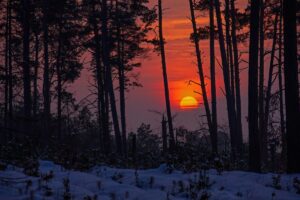
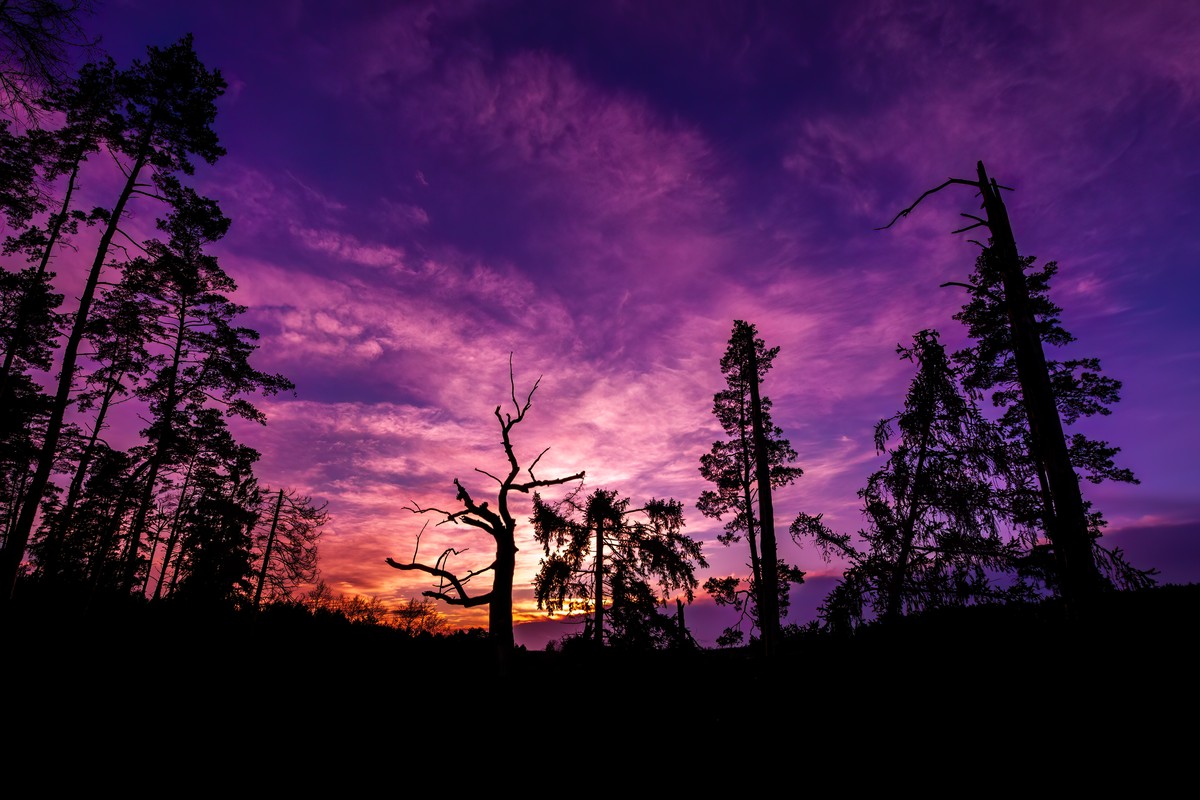
Sunset in the Tuchola Forest, photo by Piotr Szumigaj
Why is the nature of our region—especially the Tuchola Forest and the Lower Vistula Valley—so inspiring for photographers?
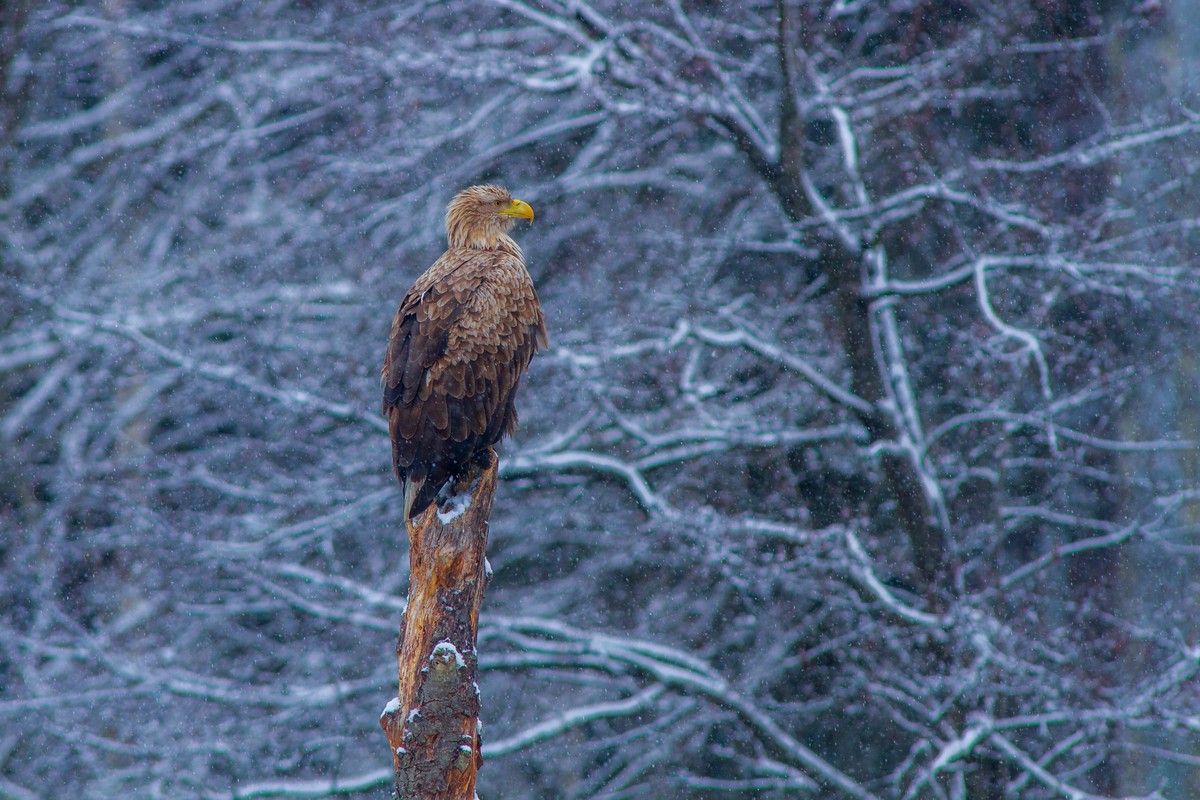
The nature of the Kujawsko-Pomorskie Region has that proverbial “something” that speaks especially strongly to nature photographers seeking authenticity and peace. It is a region of great natural richness, yet still largely free from mass tourism, which creates a sense of encountering nature in a more primeval, unspoiled form. The lack of haste, the silence, and the openness of space encourage mindful observation—and that is the very foundation of good nature photography.
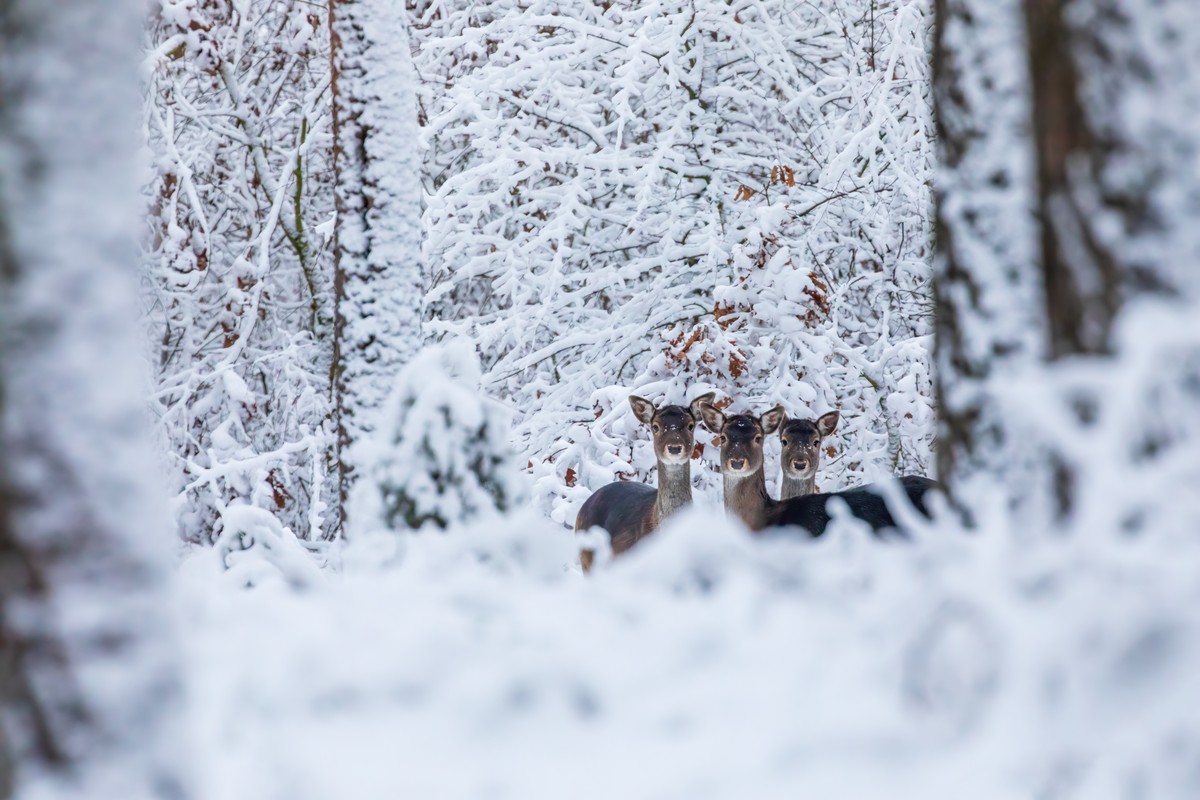
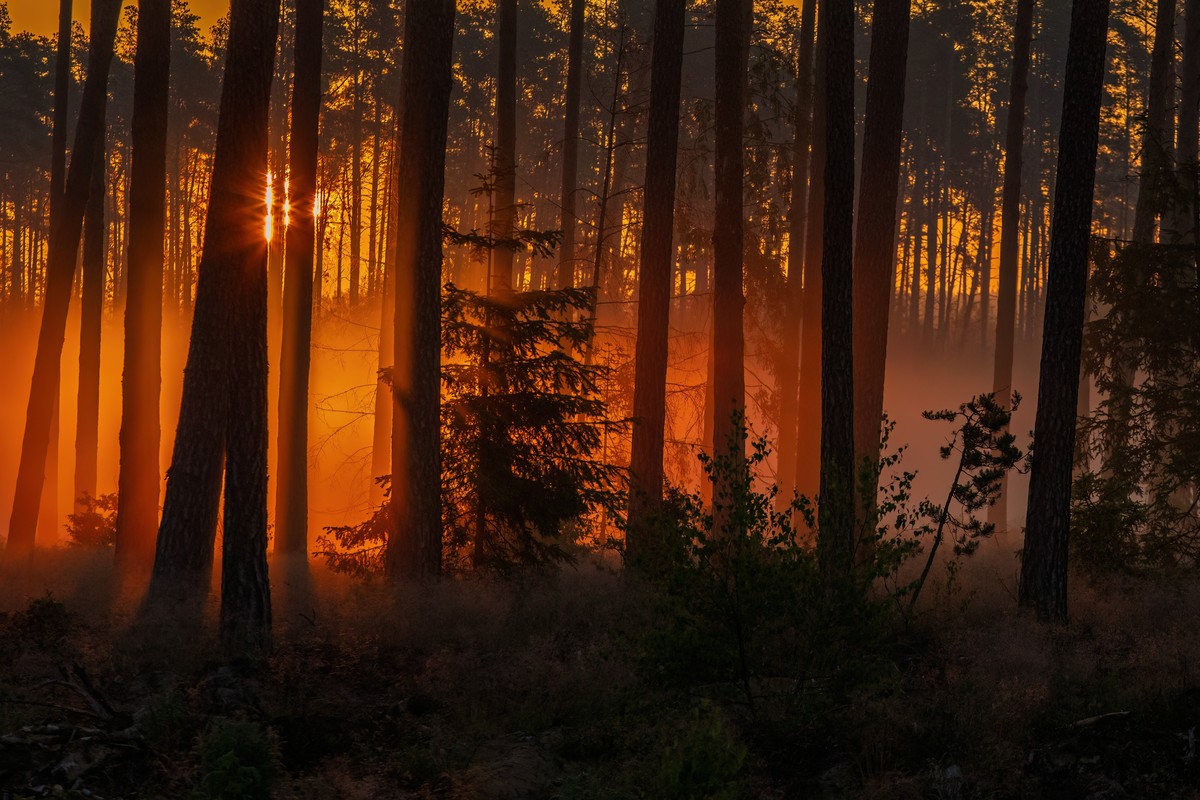
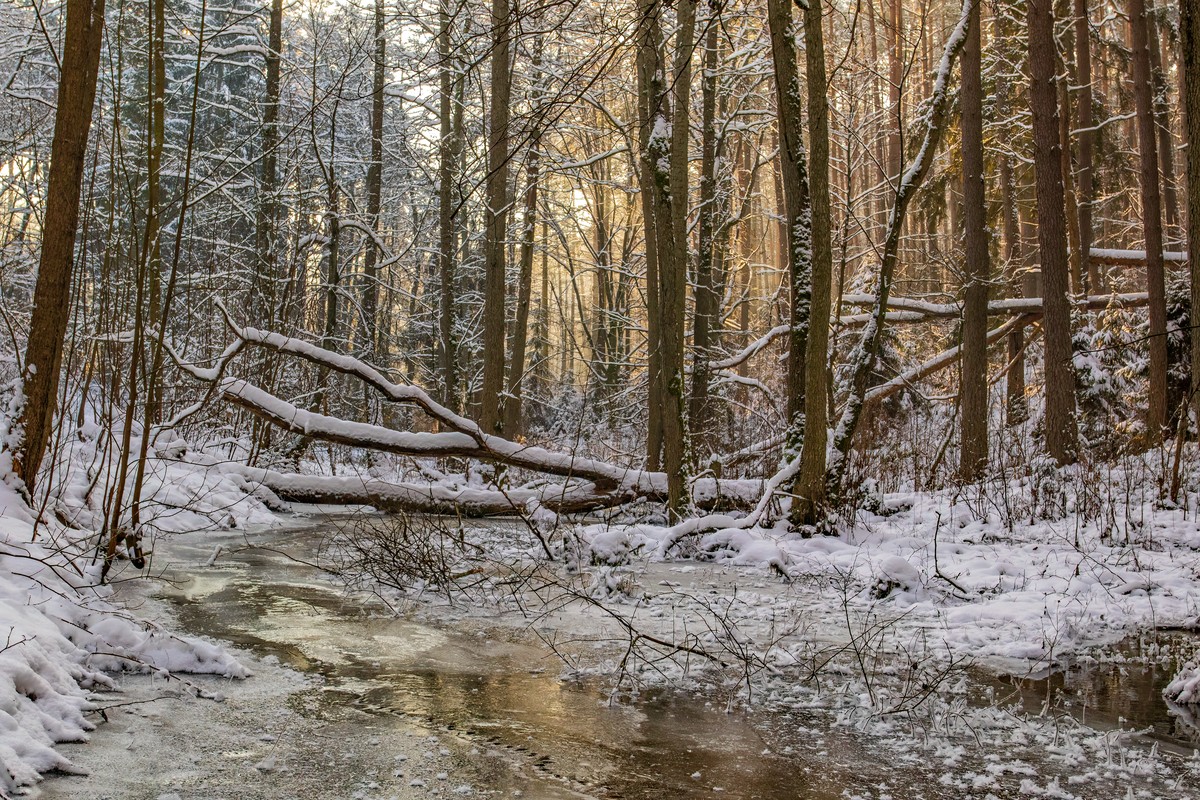
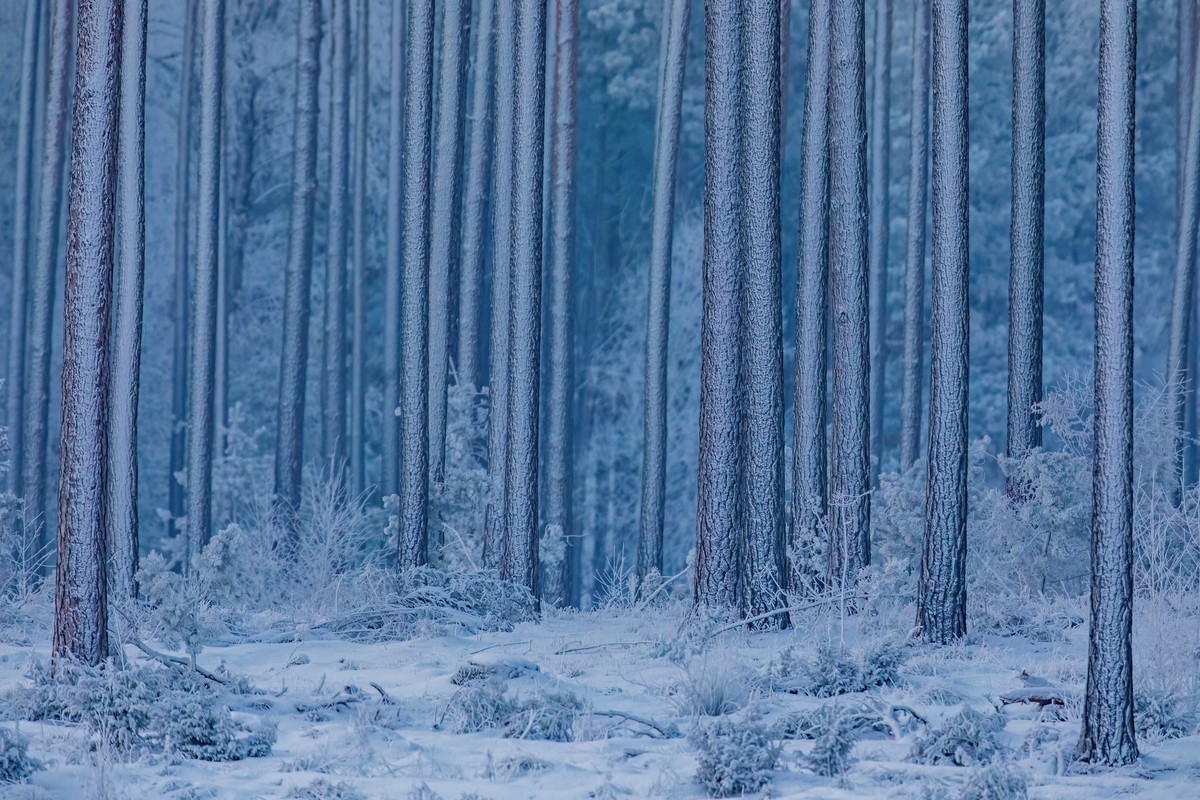
These areas are extraordinarily rich in natural value and yet still underappreciated. The Tuchola Forest is, above all, about the rhythm of the forest: changing light, morning mists, the scent of resin, and vast woodland complexes that allow the photographer to almost immerse themselves in the landscape. It is an ideal place to work with detail, light, and mood. Every time of day and every season brings different frames—from soft, diffused dawn light to high-contrast autumn scenes or the starkness of winter landscapes.
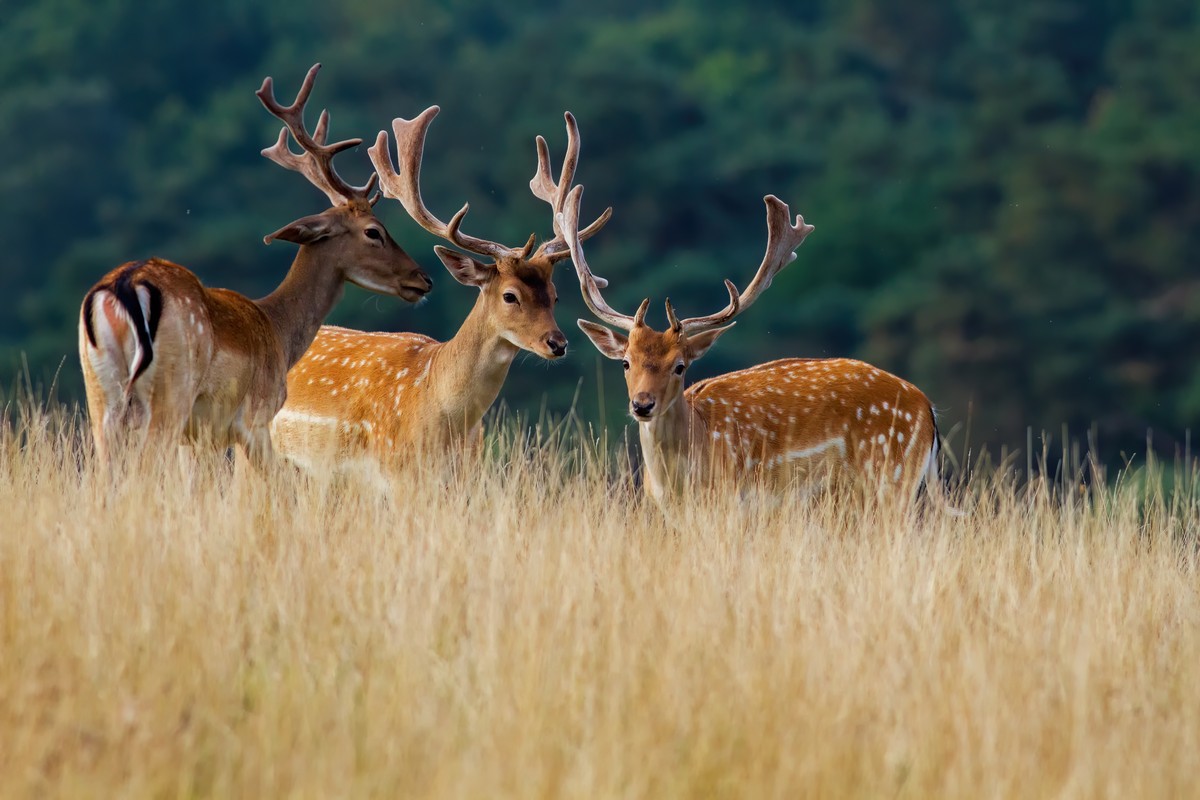
The Lower Vistula Valley, on the other hand, offers a completely different character—openness, dynamism, and immense biodiversity. It is a landscape shaped by the constantly moving Vistula River, with light endlessly rearranging itself across riverside meadows, where the seasons leave a clear and visible mark. The presence of birds is particularly important here, making the valley one of the most interesting observation areas in Poland. For a nature photographer, this means not only a wealth of subjects, but also the need to understand the natural rhythms of these places and the relationships between species and their environment. It also allows for long-term fieldwork. This is a very different approach from quick, one-off trips. Here, photography becomes a process rather than a goal in itself.
Which parts of Poland are the most photogenic?
I rarely decide to travel farther within Poland, because I am deeply convinced that there is still an enormous amount of work to be done right on my own doorstep, and many stories yet to be told through images. For 14 years, I have focused on areas I know well and with which I am professionally and emotionally connected—the Wda Landscape Park and the Complex of Landscape Parks of the Lower Vistula Valley.
Long-term presence in these places allows me to truly get to know them: to understand the rhythm of nature, anticipate certain situations, and observe how specific parts of the landscape respond to weather, time of day, or season. This knowledge provides great comfort in my work, yet it does not take away the element of surprise. On the contrary—the better I know the terrain, the more often it manages to surprise me. The nature of these areas continues to offer something new and unexpected, which is why, even after many years of work, I still feel a strong sense of curiosity.
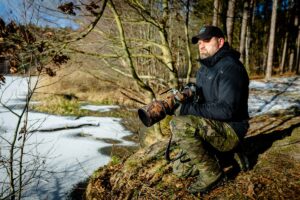
Piotr Szumigaj, photo by Tomasz Czachorowski / eventphoto.com.pl for UMWKP
Do you have a photographic dream that has not yet come true?
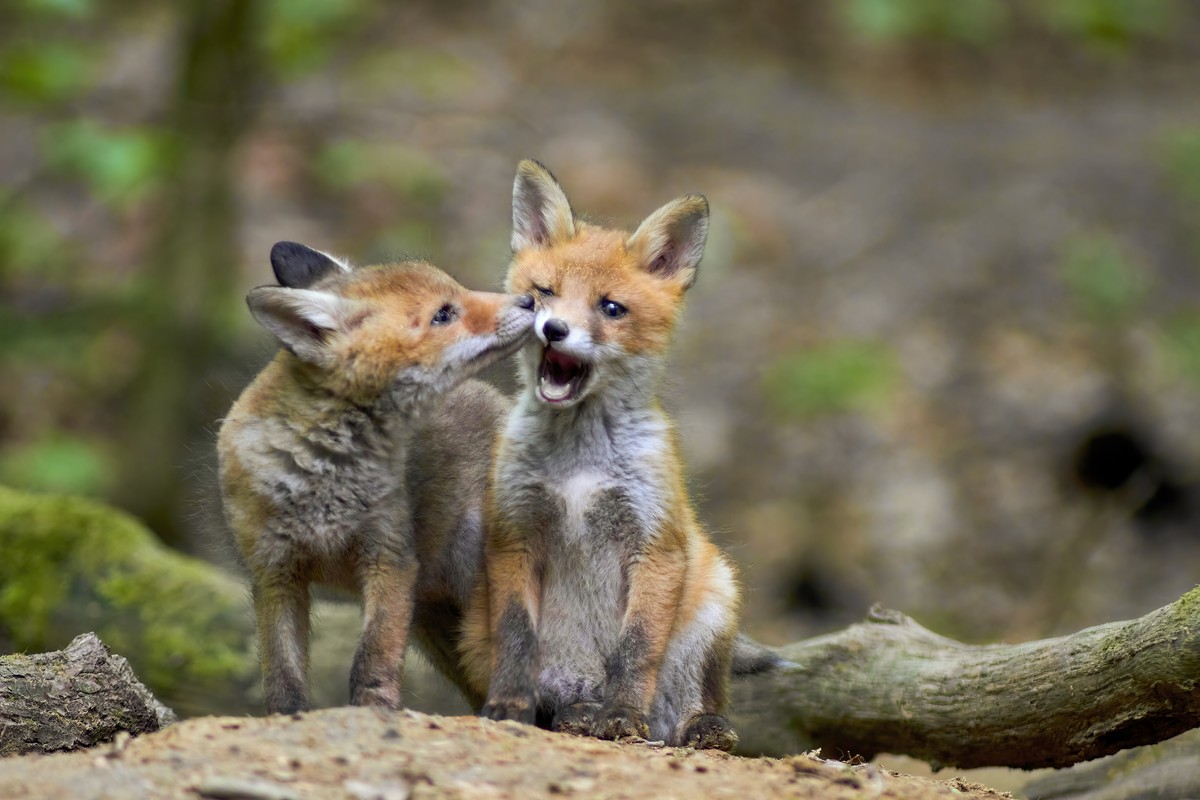
I don’t approach photography in an ambitious, checklist-like way of “ticking off” species. I don’t have a list of animals I want to capture. What I value most are chance encounters—those that cannot be planned or forced. They are the most interesting because they carry an element of surprise and authenticity. I take what fate brings me. Nature photography teaches humility and shows that the greatest reward is not a specific photograph, but the experience of being close to nature itself.
* Piotr Szumigaj comes from the Roztocze region in the Lubelskie Voivodeship, lives near Chełmno, and works at the Wda Landscape Park. By profession he is a zootechnician; by passion, a wildlife photographer. He also serves as President of the Toruń District of the Polish Society of Nature Photographers. His work focuses on flora, fauna, birdlife, and landscapes of the Wda Landscape Park and the Complex of Landscape Parks of the Lower Vistula Valley.
March 2, 2026